

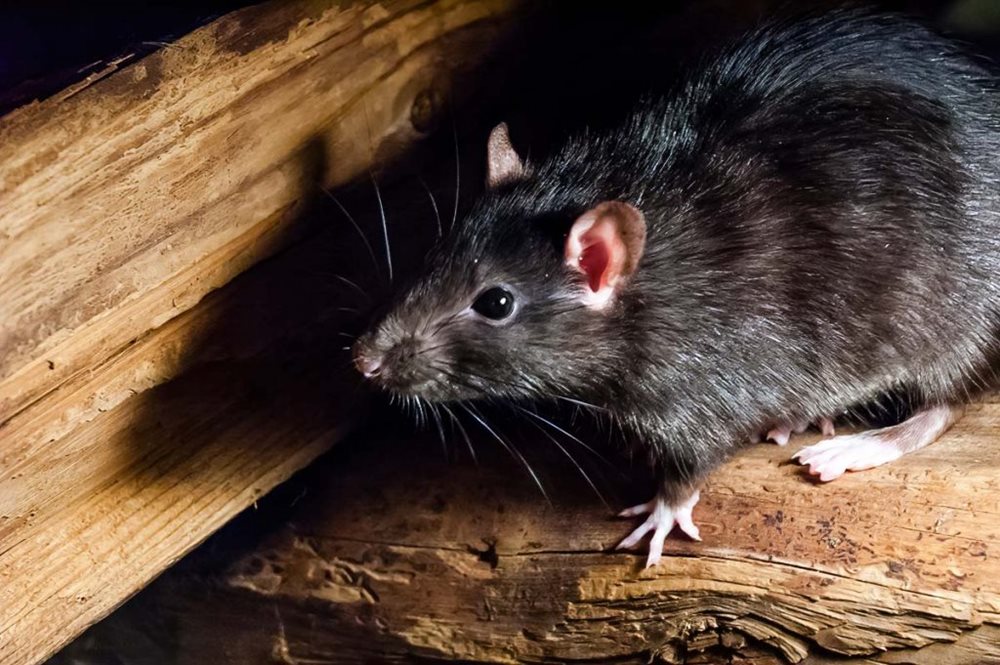
In the United States, there are over 70 types of rodents, as they are a diverse group. The most common types of rodents include the house mouse, Norway rat, roof rat, squirrels, and gophers. If you are experiencing disturbances or damage caused by a rodent, it is crucial to identify the type you are dealing with before taking action.
Many factors contribute to successfully removing them from your property, including the right baits, traps, sanitation, and exclusions. The experts at Critter Control can identify and remove rodents using the safest, most humane methods.
Common Features of Problem Rodents
Rodents may differ in appearance, but they share similar traits when it comes to damaging your home and yard. Rodents have strong teeth that continue to grow throughout their lives. They have a constant need to chew and gnaw on materials to keep their teeth shaved down and to avoid pain if their teeth become too long.
Chewing and gnawing can lead to damage that puts you and your family at risk. For example, chewing through wires can pose a fire hazard. Chewing through boxed or bagged foods in your pantry can lead to contamination. Chewing on beams or under foundations can cause structural damage to your home.
In addition, rodents make nests to sleep in and to give birth to pups. They will often use insulation and other soft materials to build their nests. Disturbing your insulation or building nests in your HVAC system will prevent proper ventilation. You will notice an increase in your utility bills.
Wherever rodents live, their waste will be nearby. Rodent feces and urine contain toxins that can harm humans.
Types of Rodents
There are over 70 types of rodents in America, but not all become nuisances to homeowners. The common types of rodents you must watch out for include the following:
There are many types of rodent species that regularly cause problems in and around the home. Some of these include:
Rats
Active year-round, rats are well adapted to living near humans and feeding on scraps. They build nests in attics or garages, never far from food sources. Rats are best known for damaging wires, cables, and insulation, and for building nests in inappropriate places, such as walls and vents.
Rats make their way indoors and eat stored pantry items, pet food, and crumbs on floors or counters. Rat problems can be challenging to control because they reproduce rapidly. They are also clever, and using the wrong trap or bait will make them suspicious, causing them to avoid the trap altogether.
Mice
Mice are like rats, only much smaller. They only need a hole the size of a dime to squeeze into your home. They are nocturnal, so most mouse activity takes place out of sight. They typically build rodent nests in walls, attics, cabinets, or under appliances.
Mice live for less than 2 years, but rapid breeding can cause population growth. Buildup of waste can occur, leading to larger mice problems. Mouse waste is a host to many spores that can cause diseases in humans. Rodent diseases include Hantavirus, leptospirosis, and salmonellosis.
Spores spread when you try to clean rodent feces or urine without proper safety equipment. Spores can also spread through your home’s vents from a mouse nest to all the other rooms connected to your HVAC system.
Squirrels
Squirrels are rodents that may be fun to watch, but they can cause damage to your property. One squirrel problem is their digging holes in your yard to store acorns and other nuts, damaging your lawn in the process. They also chew the bark off tree trunks, steal food from your garden, and fruits from trees.
Like other rodents, squirrels want a warm place to nest during colder weather. If they can find a place inside your home, they will. Squirrels prefer attics and will bring leaves, twigs, and food with them. If they choose attic insulation, you risk HVAC problems, as well as spores from their feces or urine traveling through your home.
Squirrels spend most of their day traveling from one spot to another, like on your roof, where they damage shingles and tiles. They may also chew on gutters, soffits, vents, and drain pipes, which can lead to flooding problems around the exterior of your home.
Gophers
It is unlikely you will find a gopher inside your home, but if one is in your yard, you will see visible signs. They can destroy lawns and landscapes. Gophers have stout frames and powerful claws designed for digging burrows. Their burrow systems can cover up to 2,000 square feet and dot lawns with holes and large mounds of dirt.
If their burrows run under your home, it can affect the home’s foundation, causing it to collapse. The same is true for burrows that run under driveways and outdoor structures. Another gopher problem is that they feed on ornamental plants and gnaw on underground water lines or sprinkler systems to obtain water. Repairing underground systems can be expensive.
Groundhogs
Groundhogs spend most of their time underground. They measure 16 to 27 inches and weigh up to 14 pounds. Groundhogs are diurnal, meaning they are active during the day. In winter, they hibernate. Most groundhog activity occurs in the early morning and early evening hours, when they emerge from their burrows to gather food. Groundhogs are one of nature’s best excavators. They will often leave behind burrow holes and piles of dirt, especially near sheds or porches. These holes can be up to a foot wide.
Voles
Voles are small rodents that are hamster-like in appearance, but with a blunt nose and stouter body. They are 3-9 inches long, depending on the species. Voles survive primarily on small plants, but can live off almost any fruit or nut. They will even resort to eating dead animals, when the going gets rough. Young voles grow very quickly, which can cause populations to explode. Voles are active day and night, year-round.
Voles don’t tunnel very deep; therefore, a sign of a vole infestation is seeing grassless depressions meandering around your yard that are about one to two inches wide. To keep their teeth from growing too long, voles gnaw around the trunks and roots of trees; this type of damage is called girdling. Gnaw marks are about 1/8 inch wide and 3/8 inch long. If voles gnaw completely around the trunk or roots, the tree becomes weakened or even dies.
Chipmunks
Chipmunks are found throughout the eastern United States, west to the Mississippi River, and in southeastern Canada. Chipmunks are most active in the early morning and late afternoon in the spring, summer, and fall months. In winter, they retreat to their burrows and enter torpor. Chipmunk holes are 2-3 inches in diameter, with no dirt around them. Another sign of a chipmunk is destroyed or uprooted plant bulbs.
Beavers
Beavers are the largest rodents in North America, averaging 40 pounds and 3 feet in length. Beavers are found throughout North America, with the exception of the California and Nevada deserts and parts of Utah and Arizona. Beavers are innately driven to construct dams, which resemble a brush pile in the water. This is indicative of beavers, especially if the marks are on the side of the tree that faces the water.
Muskrats
Muskrats are large amphibious rodents indigenous to North America. Muskrats are active all year round, and feed at all times of the day, mostly at night.
How to Prevent Rodent Infestations
Preventing rodent infestations involves exclusion, which means taking specific steps to ensure rodents cannot enter your home and are less attracted to your yard and property. Exclusion methods can be challenging to implement unless done by professionals. It involves finding every space where a rodent can enter your home, even small dime-sized holes, and properly closing them with permanent sealant.
Exclusion also involves changing how you store food, trash, and pet feed. It means clearing clutter and debris, such as rock or wood piles, where rodents like to hide. Other methods include protecting your garden, trees, home vents, chimneys, gutters, and spouting. The goal of exclusion is to eliminate the things that attract rodents, including shelter, food, and water.
When to Call a Professional
The first time you suspect a rodent problem, call a professional. You may notice mouse droppings on a pantry shelf, find gnaw marks on boxes or baseboards. You may see wires or cables with teeth marks or chewed apart. You may find holes in your yard.
If you find these signs, the rodents may have been there for a while. That’s why it is crucial to contact an expert, like those at Critter Control. When they arrive at your house, you can expect them to do a thorough inspection to identify entry points, rodent damage, and needed repairs. They will determine which type of rodent is causing a nuisance.
They will use the most advanced, safest, and most humane equipment to resolve your rodent problem. They understand the local and state laws regarding small game, like squirrels, and can obtain permits if needed. This helps you avoid breaking any laws.
They will follow removal with adequate sanitation methods to keep you and your family safe. Critter Control technicians are trained, certified, and insured to handle any rodent pest control. Give them a call today.
Get them out.
Keep them out.®
Experiencing a wildlife or pest issue? We can help! Complete this form and your local Critter Control® office will contact you to assist.
- Difference between Mice and Rats
- Rodent Caused House Fires
- Do Rodents Hibernate?
- Rodent Deterrents
- Rodent Diseases
- Rodent Droppings
- Rodent Nests
- Rodent Noises
- Rodent Repellents
- Rodent Tracks
- Rodents under the House, Deck, or Floor
- Rodents in the Attic
- Rodents in Walls
- Rat Noises
- Mouse Noises
- Squirrel Noises