

Key Takeaways
- DIY rodent deterrents may help with rodent infestations, but they won’t resolve existing ones.
- The best rodent deterrent strategy includes habitat modification like removing food, water, and shelter.
- Rodents adapt quickly, which makes oil, sprays, and gadgets unreliable.
- Professional wildlife services offer long-term protection and peace of mind.
When you catch a glimpse of a rodent scurrying across your floor, your first instinct is to reach for a rodent deterrent. It feels simple and accessible, easy and convenient. However, while a spray from the hardware store shelf or a bundle of steel wool might seem like a good way to keep rodents out, these items rarely address the entire problem.
Once rodents start nesting or reproducing inside, those little fixes won’t keep them from chomping through wires, contaminating food, or leaving trails of droppings. At Critter Control, we’ve helped many families who’ve tried these methods first, only to discover the problem was bigger than they thought. We provide safe, lasting solutions to protect your home and family.
Common Rodent Problems
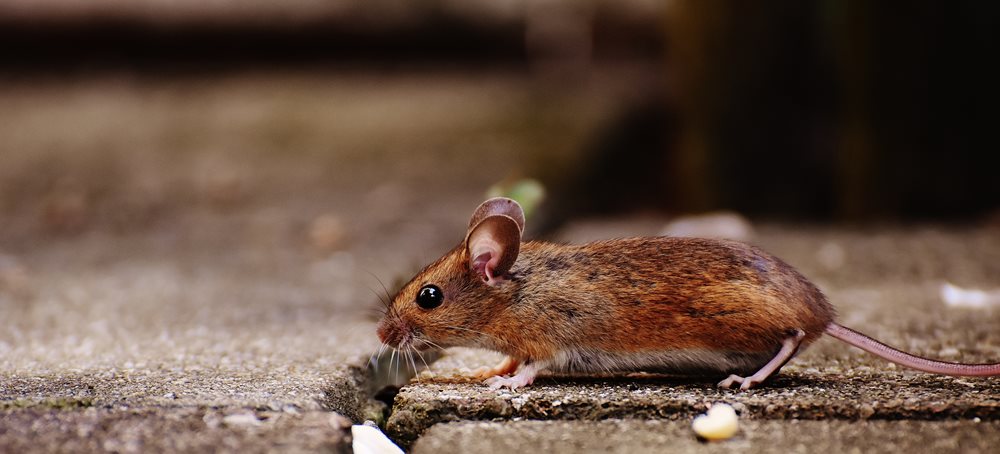
When we talk with homeowners about rodent problems, the same species come up again and again. Each one behaves a little differently, but they all cause damage and create stress when they move into a house or yard. Knowing which type of rodent you’re dealing with can help you understand what deterrents may slow them down—and why professional removal is often necessary once they’ve settled in.
DIY Rodent Deterrent Methods
Many homeowners try do-it-yourself approaches before calling for help. These methods are inexpensive, easy to find, and sometimes useful for prevention. But once rodents are nesting indoors, quick fixes won’t solve the problem.
Essential Oils & Spices

Sometimes, homeowners use natural scents like peppermint oil, cayenne, or even cloves along baseboards and in pantries to keep rodents at bay. Mice and rats typically dislike these smells the most, but they rarely hold up once the animals are determined to get inside.
Pros of Essential Oils
- Easy to find and inexpensive.
- Simple for homeowners to apply in small problem areas.
- Works as a mild natural rodent deterrent when used consistently.
Cons of Essential Oils
- Effects fade quickly and need frequent reapplication.
- Won’t stop rodents from nesting or reproducing indoors.
- Only discourages activity in the treated spot, not the entire home.
Repellent Spray

Many families try homemade or store-bought sprays as a quick way to keep rodents away. Mixtures with peppermint oil, vinegar, or hot peppers are common, and commercial sprays are marketed for the same purpose. These may discourage activity in treated spots, but they won’t remove rodents that are already nesting inside.
Pros of Rodent Repellent Spray
- Simple for homeowners to apply.
- Easy to make with household ingredients.
- May provide short-term relief in small areas.
Cons of Rodent Spray
- Need frequent reapplication to stay effective.
- Rodents often adapt quickly and return.
- Doesn’t eliminate an infestation; it only masks the problem temporarily.
Ultrasonic Electronic Repellents
You may have seen ultrasonic devices that promise to keep rodents away. While these options can seem like a quick fix, rodents often adapt and return once the effects fade. Chemical and electronic rodent deterrents might provide short-term relief, but they don’t solve the problem at its source.
Pros
- Low-maintenance and easy to use
- Chemical free
- Designed to be non-lethal
Cons
- Does not solve an established infestation
- Limited range and effectiveness.
- Obstructions weaken results
Mothballs
We sometimes hear from homeowners who have tried scattering mothballs to keep rodents out. This approach doesn’t work, and more importantly, it’s unsafe. Mothballs release toxic fumes that pose risks to people, pets, and the environment without deterring rodents at all.
Do not use mothballs!
Cons
- No proven effectiveness against rodents.
- Harmful to children, pets, and wildlife.
- Chemicals can contaminate indoor air and soil.
Steel Wool to Keep Rodent Outs

A go-to tactic for many people is stuffing steel wool into gaps and cracks where rodents might enter. It can be a useful barrier if every possible hole is sealed, and that’s easy to miss without training. Even a gap the size of a dime can let a mouse squeeze through, causing issues like rodents in attics or rodents in walls (where they’re difficult to detect).
Pros
- Readily available and inexpensive.
- Works well in small gaps when used correctly.
- Provides an immediate barrier that rodents can’t chew through easily.
Cons
- Hard to identify every entry point without a professional inspection.
- Not effective for larger holes or areas that need more durable materials.
- Can wear down or loosen over time, especially in damp areas.
Why DIY Rodent Control Won’t Work
DIY deterrents can seem promising at first. Sprays, oils, or ultrasonic devices may temporarily discourage and quiet mouse noises for a time, and steel wool can block a few entry points. However, these methods only scratch the surface. Rodents are persistent and adaptable: once they find food, water, and shelter, they’ll push past most home remedies. Even when some are blocked or driven away, others quickly return, and the infestation continues.
The real challenge is that DIY solutions don’t tackle the root of the problem. A handful of droppings usually points to a much larger colony of rodents under the house, deck, or floor, or inside walls or attics.
Without professional inspection and control, it’s nearly impossible to locate every entry point, clean up contamination, and prevent rodents from returning. That’s where we come in. At Critter Control, we employ safe and effective methods to remove rodents and protect homes in the long term—solutions that DIY deterrents simply can’t match.
Rodent Deterrent Strategies That Work
The most helpful rodent deterrents will remove shelter, water, and food, forcing these pests to seek resources elsewhere. When these essentials are taken away, rodents have little reason to stay, and prevention becomes far more effective than any spray or gadget.
Control Food Sources
Cleanliness is an effective rodent deterrent. The smell of food attracts rodents, especially garbage and scraps. Keep trash cans sealed and carefully store pet food and leftovers.
Also, be sure to drain puddles and fix leaks, which provide water for the pests.
Eliminate Hiding Places
Clear yards of debris, wood, leaves, or clutter that could become rodent shelters. Homeowners can also trim shrubs away from houses and keep grass cut to remove cover. A tidy home and yard is the best rodent repellent.
Seal Entry Points
Sealing cracks and gaps in homes removes access to entrances, deterring rodents from coming inside. Check around foundations, windows, doorways, and drains for possible entry points. Most rats and mice can squeeze through holes less than an inch wide.
Take Precaution
DIY methods like baits and traps are easy to get wrong. Traps may be misplaced or under-baited, and most homeowners don’t set enough of them to keep up with how quickly rats and mice reproduce. Add in the fact that rodents can squeeze through tiny gaps almost anywhere, and it’s clear why infestations are so hard to manage alone.
That’s why professional rodent control makes all the difference. At Critter Control, we quickly identify entry points, use proven methods to stop infestations, and put prevention strategies in place so rodents don’t return.
Professional Rodent Control for Homes and Businesses
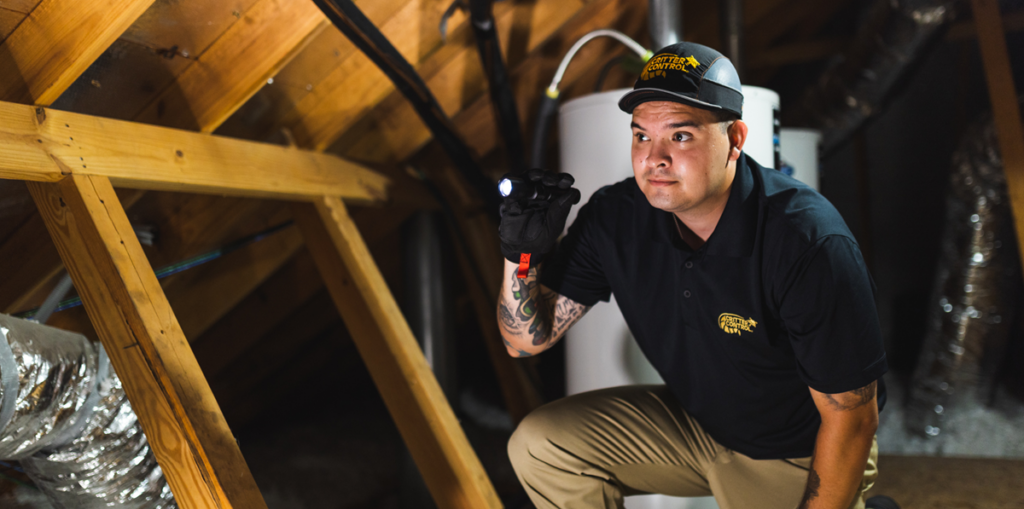
Rodents like mice and rats are some of the most destructive pests. Professional rodent control not only eradicates the infestation, but also repairs the damage, provides remediation and long-term control. At Critter Control, our four-part process quickly gets rid of the rodents and restores you home and business.
Get them out.
Keep them out.®
Experiencing a wildlife or pest issue? We can help! Complete this form and your local Critter Control® office will contact you to assist.


- Difference between Mice and Rats
- Rodent Caused House Fires
- Do Rodents Hibernate?
- Rodent Diseases
- Rodent Droppings
- Rodent Nests
- Rodent Noises
- Rodent Repellents
- Rodent Tracks
- Rodents under the House, Deck, or Floor
- Rodents in the Attic
- Rodents in Walls
- Types of Rodents
- Rat Noises
- Mouse Noises
- Squirrel Noises