

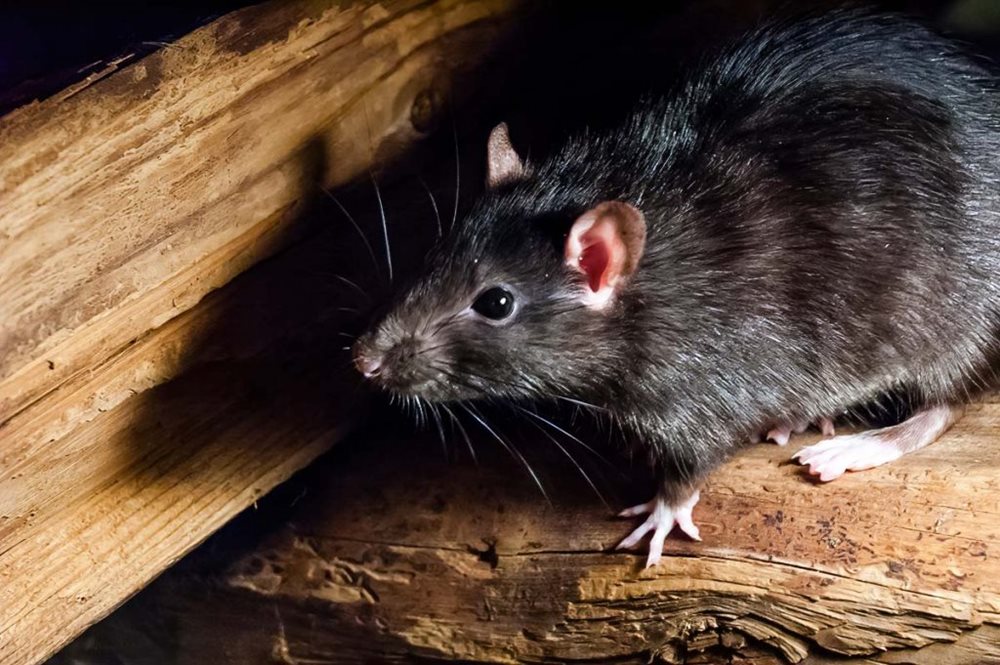
You may never see a mouse or rat dart across the floor, but its footprints often give it away. Rodent tracks on dusty floors, in snow, or even across your kitchen tile are usually the first sign that pests have moved in. These small but telling marks can belong to mice, rats, or even squirrels, and they shouldn’t be ignored.
Early detection is key: once rodents begin nesting and breeding indoors, the damage and health risks escalate quickly. At Critter Control, we’ve helped homeowners recognize these signs and stop infestations before they grow out of control.
Identifying Rodent Tracks
The rodent tracks you find inside will belong to mice, rats, or squirrelsIf you’ve noticed tiny prints in dust, soil, or snow, you may wonder what left them behind. Rodent tracks have distinct features that set them apart from other small animals, and paying attention to these details can help you figure out whether you’re dealing with mice, rats, or squirrels.
- A rodent’s front paws usually have four toes, while the back feet have five.
- Hind rodent tracks will almost always be side-by-side, while the front feet rarely align.
- Front paw prints are broad, while rear tracks are narrower and longer.
Rat Tracks


Track Sizes
Mice, rats, and squirrels have small tracks with claw marks that may not be visible. Mouse tracks are the tiniest, with prints that often appear as a series of dots, sometimes with faint claw marks that may be hard to spot. Outdoors, rodent mouse tracks in snow often look like scattered pinpricks, while indoors, they may appear faintly in dust or along baseboards.
Rat tracks are a little larger than a mouse’s—typically around ¾ of an inch—with longer back feet that make the shape more oblong. Squirrel tracks fall in between, showing narrow back prints paired with wider front paws.
Bigger rodents like beavers, gophers, and groundhogs leave behind larger footprints. The weight of these animals forces their feet deeper into snow or soil, leaving tracks that are bigger than their actual feet and easier to spot.
Pawprint Patterns
Between rodent footprints, you might notice a thin drag-line—that’s from the tail. Rodent tracks often form patterns in snow, dirt, and dust that can help identify them. Pests with footprints that seem to roam in many different directions indicate that the animal is comfortable in its habitat. This may be a social rodent that is often around people, such as a squirrel.
Squirrel Tracks in the Attic
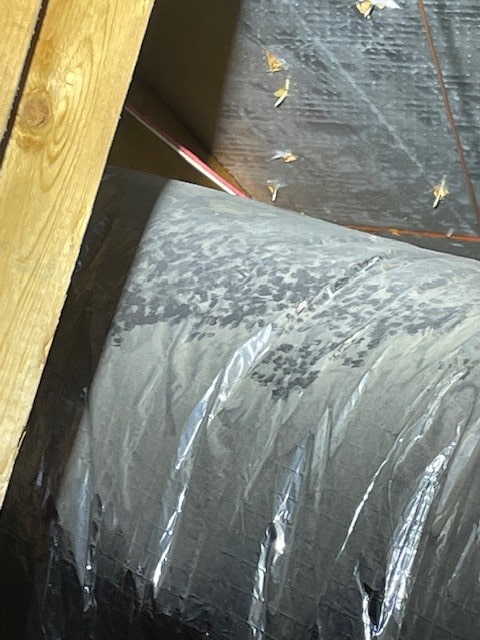
Finding squirrel tracks indoors, especially in the attic, is a common sign that these pests have made their way inside. Their footprints may show up in insulation as small, four-toed front prints alongside larger hind prints with five toes.
In addition to tracks, you might notice shredded insulation or paper used for nesting, gnaw marks on wood beams, or even small tunnels and piles of wood shavings. While squirrel tracks in snow are a familiar outdoor sight in winter, spotting their prints inside your attic is a clear signal that squirrels are nesting where they don’t belong
Common Areas to Spot Rodent Tracks Indoors
These pests leave tracks outdoors in soil and snow, as well as indoors on tile or other flooring.
Kitchens & Pantries
Rodents are drawn to food, so it’s no surprise that their tracks often appear in cabinets, behind appliances, and along pantry floors. You may spot mouse tracks near crumbs or droppings, or larger rat tracks close to food containers.
Basements & Crawlspaces
These quiet, dark spaces are a favorite for rodents. Footprints may show up in dusty corners, around storage boxes, or along foundation walls. If you’re noticing repeated rodent footprints, it likely means the pests are using these areas as regular travel routes.
Attics
Attics provide warmth and nesting materials, making them a common hotspot. You may find squirrel tracks in insulation or along wooden beams, often alongside shredded materials and gnaw marks.
Ductwork, Vents, & Pipes
Rodents often squeeze through gaps around pipes and ductwork, leaving behind smudges and prints. Tracks in these areas may suggest the animals are using your home’s infrastructure as a pathway to move between rooms.
Problems With Rodents
Spotting rodent tracks is often just the beginning. Once rodents are inside, they can gnaw on walls, wires, and furniture, leaving behind expensive structural damage. They’re also quick to contaminate kitchens and pantries, spreading droppings, urine, and hair across food and surfaces.
The risks don’t stop at property damage. Rodents are carriers of serious rodent diseases that can spread through contaminated air and surfaces. Hidden rodent nests in attics, crawl spaces, or wall voids become long-term sources of filth and parasites. Indoors, even the sounds of scratching and movement—often described as persistent rodent noises—can signal an infestation that is already well established.
Why DIY Rodent Removal Methods Don’t Work
Many homeowners try to handle infestations on their own, often by scrubbing away tracks, setting out traps, or sprinkling rodent tracking powder. Others turn to store-bought rodent repellents or makeshift rodent deterrents in hopes of keeping the pests away.
While these efforts may temporarily reduce signs like mouse tracks or smudges, they rarely solve the problem. Rodents reproduce quickly, hide in hard-to-reach places, and use small entry points that most people never find.
Even if a few are caught, nests tucked behind walls or insulation continue to support the population. Without addressing hidden rodent footprints, droppings, and contaminated areas, the infestation simply grows back. That’s why long-term control requires more than DIY—it requires a systematic approach to removal, sanitation, and prevention.
Call Professional Rodent Control Service at Critter Control
Not only can Critter Control experts identify rodent tracks, but we also offer professional prevention and exclusion services.
Inspection
We begin by examining high-activity areas like kitchens, basements, and attics for tracks, droppings, rodent nests, and other signs. This helps confirm whether you’re dealing with rats, mice, or even squirrels.
Trapping and Removal
We rely on fast, effective trapping and removal methods to exterminate rodents without risking your family. Our approach focuses on controlling the immediate population quickly while minimizing disruption to your home and daily routine.
Rodent Exclusion
Next, we seal entry points, ensuring rodents can’t re-enter. This is especially important for problems like rodents in the attic or rodents in walls, where unseen access points allow infestations to grow.
Sanitation
Droppings and contaminated materials aren’t just unsightly—they can spread serious rodent diseases. That’s why we sanitize affected areas thoroughly to restore a safe environment.
Remediation
When insulation is damaged or contaminated, we can remove and replace it. This step prevents future nesting and restores your home’s protection.
Control & Prevention
Finally, we provide long-term prevention strategies, such as regular inspections and bait stations. This way, your home stays rodent-free well after the initial removal.
Call Critter Control Today
If you’ve noticed rodent tracks inside your home, don’t wait for the problem to get worse. Rodents reproduce quickly, spread disease, and cause costly damage when left unchecked. At Critter Control, we know how to spot the subtle signs, remove infestations safely, and keep them from coming back.
Reach out to our team today to schedule an inspection. With decades of expertise, proven methods, and a commitment to protecting families, we’re here to provide the long-term solutions you need.
Get them out.
Keep them out.®
Experiencing a wildlife or pest issue? We can help! Complete this form and your local Critter Control® office will contact you to assist.


- Difference between Mice and Rats
- Rodent Caused House Fires
- Do Rodents Hibernate?
- Rodent Deterrents
- Rodent Diseases
- Rodent Droppings
- Rodent Nests
- Rodent Noises
- Rodent Repellents
- Rodents under the House, Deck, or Floor
- Rodents in the Attic
- Rodents in Walls
- Types of Rodents
- Rat Noises
- Mouse Noises
- Squirrel Noises