

What Does a Rat Sound Like?
Rat Audio
Thought you heard a rat? Listen to an audio recording (mp3 file) of rat noises and sounds.
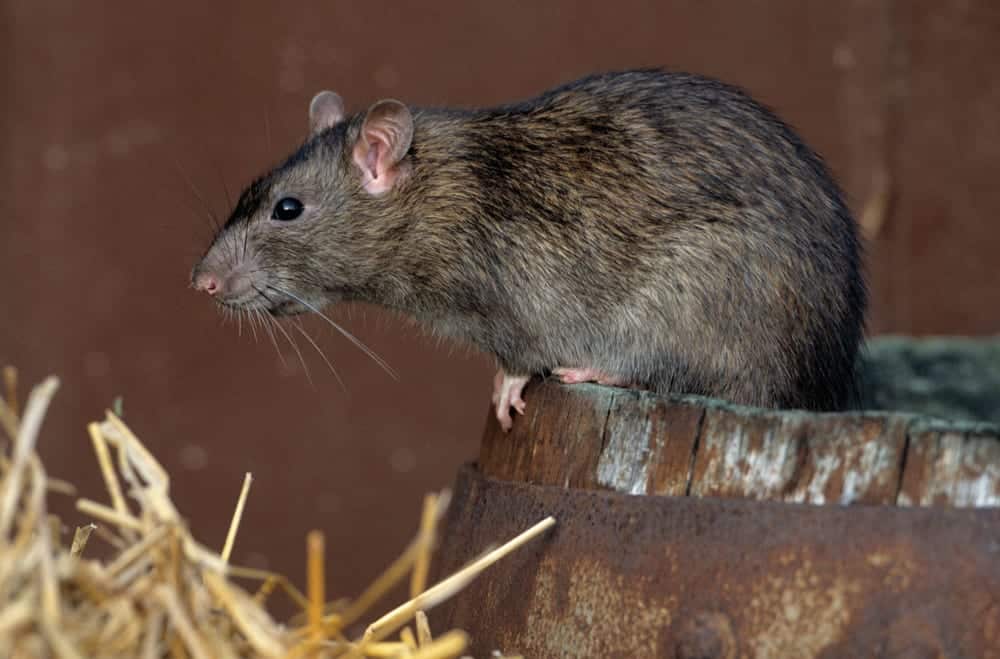
Home-invading rats are typically brown to black in color. They have long tails and poor eyesight, but excellent hearing, smell, taste, and touch. They are skilled jumpers, climbers, and swimmers, which helps them sneak inside buildings. Infestations tend to gather in attics, basements, and the spaces between walls.
Rat Noises
You are most likely to hear rats moving rather than vocalizations.
- Scratching: Light but rapid claw sounds as they climb wood, drywall, or insulation
- Scurrying: Quick footsteps that may sound like someone lightly tapping their fingers.
- Gnawing: A distinct crunching noise as rats gnaw wood, plastic, drywall, or electrical wires.
- Rustling: Crinkling or shuffling noises from nesting material, insulation, paper, or stored items.
- Bruxing: The sound rats make when they rapidly grind or chatter their upper and lower incisors together. It can sound like soft clicking, chattering, or grinding.
Mice typically squeak, but almost all of the rat sounds are ultrasonic. Rats make noises like squeaks, chirps, and hisses. They can communicate different emotions depending on the frequency of the noise. Often, squeaks or hisses signify that a rat is afraid or in pain. Almost all rat vocalizations are undetectable by the human ear because they are ultrasonic.
Where Do You Hear These Noises?
- Between wall studs
- Above ceilings
- Along attic rafters
- Around pipes, vents, and electrical penetrations
When Do You Hear It?
Rats are nocturnal. So rat noises are most noticeable shortly after sunset, late at night, or just before dawn.
How to Tell the Different Animal Noises Apart
- Mice: Lighter, softer scratching and tiny footsteps.
- Squirrels: Louder running and rolling sounds, usually during the day.
- Birds: Fluttering, pecking, or chirping noises, often around dawn.
- Raccoons: Heavy thuds, dragging sounds, and distinct footsteps.
If the scratching is occurring mainly at night and seems to move through walls or across the attic, rats are a strong possibility. The presence of gnawing sounds, droppings, grease marks, or a musky odor can further support that identification.
Other Signs of Rats in Your Attic
Because a rat makes noises at high frequencies, you’re more likely to find other signs of rats.
- Droppings: Rat feces are typically dark, pellet-shaped, and about 1/2 to 3/4 inch long, resembling a large grain of rice. They are commonly found near food sources, in cupboards, under sinks, and along walls. Fresh droppings will appear moist and shiny, while older ones will be dry and crumbly.
- Gnaw Marks: Rats constantly gnaw to keep their ever-growing teeth in check and to create access points. Look for gnaw marks on wood (like baseboards, door frames, and furniture), plastic containers, food packaging, wires, and pipes. Rat gnaw marks are usually larger and rougher than those left by mice, often appearing as paired grooves.
- Nests: a messy, ball-shaped structure or loose pile of materials hidden in a protected location. Rats build nests using whatever soft materials are available, including shredded paper, fabric, insulation, leaves, twigs, and other debris. These nests are usually found in dark, secluded areas such as attics, crawlspaces, wall voids, basements, under porches, or around plumbing
- Burrows: Pathways created when rats repeatedly travel through attic or wall insulation while nesting and searching for food, water, or shelter. Over time, these pathways compress and displace the insulation, leaving behind visible trails, runways, and hollowed-out areas.
- Rub marks: Rats travel along structural lines and leave smudge marks or grease stains along baseboards, appliances, and walls.
Risks & Dangers of Rats in Your House
Not only do rats infest homes and cause costly damage, but they also lead to health problems. Rodent diseases are spread through bites, by inhaling dust from rat droppings, or by ingesting contaminated food or water. The diseases they can spread include leptospirosis, rat-bite fever, and salmonellosis. They can also damage wiring, walls, and insulation where they nest and feed.
Rat Removal
Removing the rats addresses the animals currently in the home. To reduce the likelihood of another infestation, the property should also be inspected for openings around pipes, utility lines, foundations, vents, roofs, and other vulnerable areas. Recommended gaps can then be sealed or reinforced.
Learn more about how to seal the openings rats use to get inside.
Get them out.
Keep them out.®
Experiencing a wildlife or pest issue? We can help! Complete this form and your local Critter Control® office will contact you to assist.


- Baby Rats
- Do Rat Repellents Work?
- Do Rats Hibernate in Winter?
- Dead Rat
- Rat Droppings
- Diseases from Rats
- Rat Bites
- Rat Life Cycle
- Rat Tracks
- Rat Traps & Baits
- Rat Tunnels in Attic
- Rats in Cars
- Rats in Crawl Space
- Rats in Homes
- Rats in Walls
- Types of Rats
- What Can Rats Chew Through
- What Do Rats Eat?
- What Does a Rat Look Like?
- Where Do Rats Nest?