

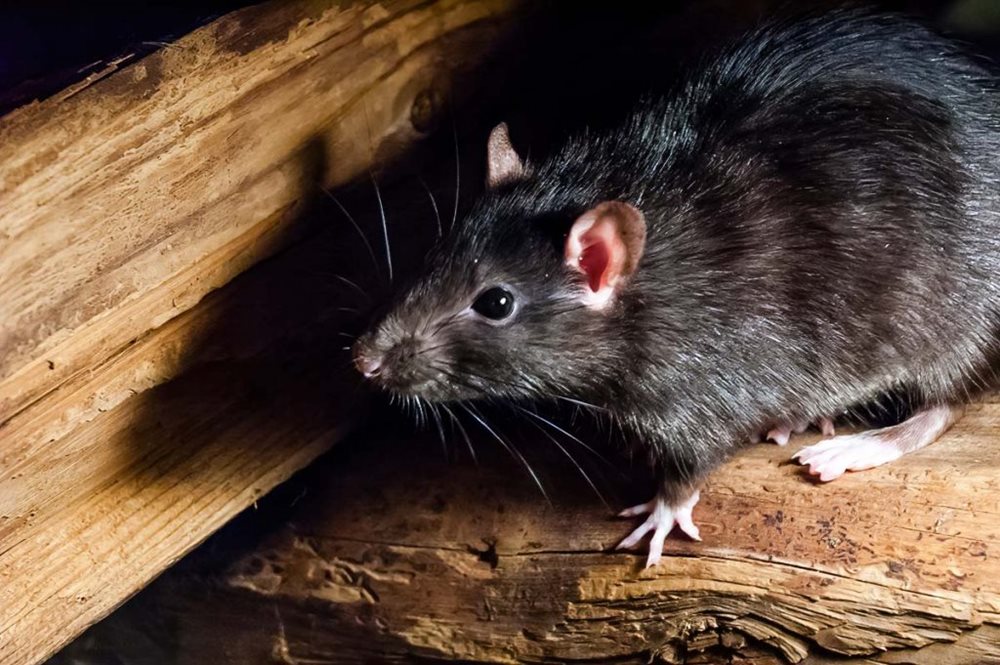
Rats multiply at a startling pace. What starts with just a pair can turn into dozens within months, leaving homeowners with chewed wires, droppings, and sleepless nights. Infestations multiply, putting your family and property at risk if they’re not dealt with right away.
At Critter Control, we know how unsettling it is to hear scratching in the walls or discover signs of rats in your kitchen. Our team focuses on more than simply removing what you see—we address the source of the problem and help prevent these rodents from returning. Understanding the rat life cycle is the first step to understanding why infestations explode so quickly, and why expert help matters.

Did you know?
Under ideal conditions, one female rat can give birth to over 50 offspring in one year.
How Fast Do Rats Reproduce?
Rats are prolific breeders and do so year-round when they’re indoors. On average, a female rat can give birth to seven pups per litter, though larger litters can include up to 14. With a gestation period of about three weeks, each female can produce five or more litters yearly. That means a handful of rats can multiply into dozens in a shockingly short time.
With the rapid rat life cycle frequently producing baby rats, it’s easy to see why infestations seem explosive. What starts as an occasional scratching noise in the attic or the sight of a single rat quickly escalates into a widespread problem. This is why early detection and prevention are so important. The sooner nests are found and removed, the easier it is to stop the cycle before it gets out of hand.
Female Rat Reproduction Breakdown
Factors for population calculation
- Initial Population: Begin with a mated pair of two rats.
- Sexual Maturity: A female rat can begin breeding around 9 weeks.
- Gestation Period: Pregnancy lasts about 21 to 23 days.
- Litters per Year: A female rat can produce up to six litters annually.
- Litter Size: The typical litter size is 5–10 pups. For this table, an average litter size of eight will be used.
- Breeding Post-Birth: A female rat can mate again within 24 hours of giving birth
How Long Do Rats Live?
Knowing just how quickly rats reproduce, you’re probably wondering, “What is the life expectancy of a rat?” In ideal conditions, the life expectancy for a rat is about two to three years. While many don’t survive that long in the wild, the ones that do can produce several generations of offspring during their lifetime. Rats reach sexual maturity in just five weeks, meaning that before long, one generation overlaps with the next.
For homeowners, this means infestations are not temporary. Baby rats grow up fast, becoming nesting rats without you ever spotting them. Without intervention, rats can establish ongoing population cycles in your home. Even if a few rats are removed, the survivors continue breeding, creating a revolving door of new infestations. Professional solutions are the only way to break this cycle.
Risks of Rat Infestations
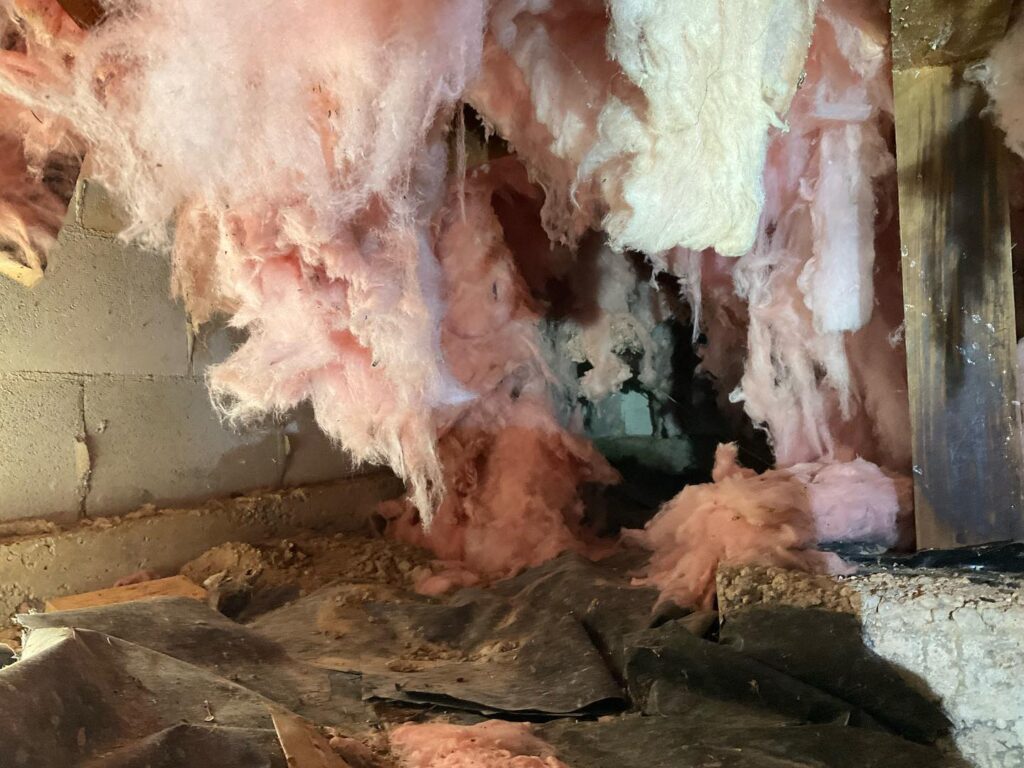
When rat populations grow, the risks to your home and family also multiply. The most common problems rats create include:
- Droppings and contamination: Rat droppings are one of the clearest signs of an infestation and can contaminate food, counters, and storage areas with dangerous bacteria. Homeowners often discover droppings in pantries, cabinets, or along baseboards, which creates serious health risks if left unaddressed.
- Fire hazards: Rats constantly need to gnaw, and electrical wiring is a common target. When protective coatings are chewed away, exposed wires can spark and cause fires, turning a hidden infestation into a life-threatening emergency.
- Structural damage: Over time, rats weaken homes by chewing through insulation, drywall, and even wood framing. These activities not only create costly repairs but can also compromise the building’s overall safety and energy efficiency.
- Diseases: Rats are notorious carriers of illnesses like Hantavirus, Leptospirosis, and Salmonella, which can spread through urine, droppings, and saliva. Even indirect contact, such as inhaling dust near a nest, can expose families to these serious diseases from rats.
The longer rats remain inside, the more they spread into kitchens, walls, and storage areas, making the problem harder to contain. So, it’s best to take care of the problem as soon as you notice the telltale signs of an infestation.
How to Prevent Rats from Reproducing in Your Home
Prevention is the most effective way to avoid the problems that come with the life cycle of a rat. Try these proactive steps:
- Eliminate food sources: Rats are resourceful foragers, and any accessible food can sustain an infestation. Store all items—pet food and bird seed—in sturdy, airtight containers that rodents cannot gnaw through. Clean up crumbs, spills, and outdoor attractants like fallen fruit promptly to reduce temptation.
- Seal entry points: A rat only needs a hole the size of a quarter to squeeze into a home. Walk the perimeter of your house and inspect for cracks, gaps, and holes in the foundation, walls, or around pipes and vents. Seal them with durable materials, such as steel wool or caulk, to block these common entry routes.
- Reduce clutter: Clutter provides rats with ideal nesting sites and hidden travel paths. By keeping basements, attics, and storage areas organized (and clearing piles of paper, cardboard, or unused fabrics), you remove the safe harbors that allow rats to settle and reproduce indoors.
These steps can slow down house rats’ ability to thrive, but they won’t entirely stop an infestation once it begins. That’s why professional intervention remains so essential.
How Critter Control Gets Rid of Rats in the House or Business

You might be tempted to reach for DIY tools like store-bought rat traps and baits. They seem like quick fixes, but unfortunately, they rarely eliminate the root of the problem. Worse, they can put your family and pets at risk if baits are misplaced or if poisoned rodents die in hidden areas of your home.
That’s where Critter Control comes in. Our experienced team takes a comprehensive approach that addresses infestations at every stage:
- Thorough home inspection: Our trained specialists walk through your property inside and out, looking for nesting sites, droppings, gnaw marks, and rat noises that signal activity. We also identify gaps, vents, and cracks that rats use to sneak indoors. This detailed inspection gives us a clear map of the infestation.
- Safe, humane removal: Once we understand the scope, we apply targeted methods designed to remove rats efficiently without unnecessary suffering. Our approach avoids dangerous poisons and protects your family, pets, and non-target animals.
- Sanitization of affected areas: Rat infestations often leave behind droppings, urine, and nesting material that can spread disease. Our technicians clean and disinfect these contaminated areas, restoring a healthier environment for you and your household.
- Exclusion methods: Finally, we take steps to prevent rats from returning. This can include sealing small openings, reinforcing vulnerable spots, and advising on sanitation or storage practices. By closing off entry points, we break the cycle of reinfestation.
Our process is designed to give you and your family lasting protection rather than a temporary fix, plus peace of mind that the problem has been handled the right way.
Rat Control & Rat Removal
Rats reproduce quickly; even a small number can overwhelm a home or building in just a few months. Building tenants and owners should act quickly at the first sign of rat infestation. Leaving the problem on the back burner only contributes to health hazards and property damage.
DIY methods may seem easy, but they rarely solve the underlying problem. Employing poison and rat traps without professional supervision can lead to unfavorable results. Call your local Critter Control office to receive expert advice on removing rats from your home or business.
Critter Control provides peace of mind and lasting protection through thorough inspections, humane removal methods, and long-term prevention. Acting today means a safer, healthier home tomorrow.
Get them out.
Keep them out.®
Experiencing a wildlife or pest issue? We can help! Complete this form and your local Critter Control® office will contact you to assist.


- Baby Rats
- Do Rat Repellents Work?
- Do Rats Hibernate in Winter?
- Dead Rat
- Rat Droppings
- Diseases from Rats
- Rat Bites
- Identify Rat Noises Inside Your Home
- Rat Tracks
- Rat Traps & Baits
- Rat Tunnels in Attic
- Rats in Cars
- Rats in Crawl Space
- Rats in Homes
- Rats in Walls
- Types of Rats
- What Can Rats Chew Through
- What Do Rats Eat?
- What Does a Rat Look Like?
- Where Do Rats Nest?