

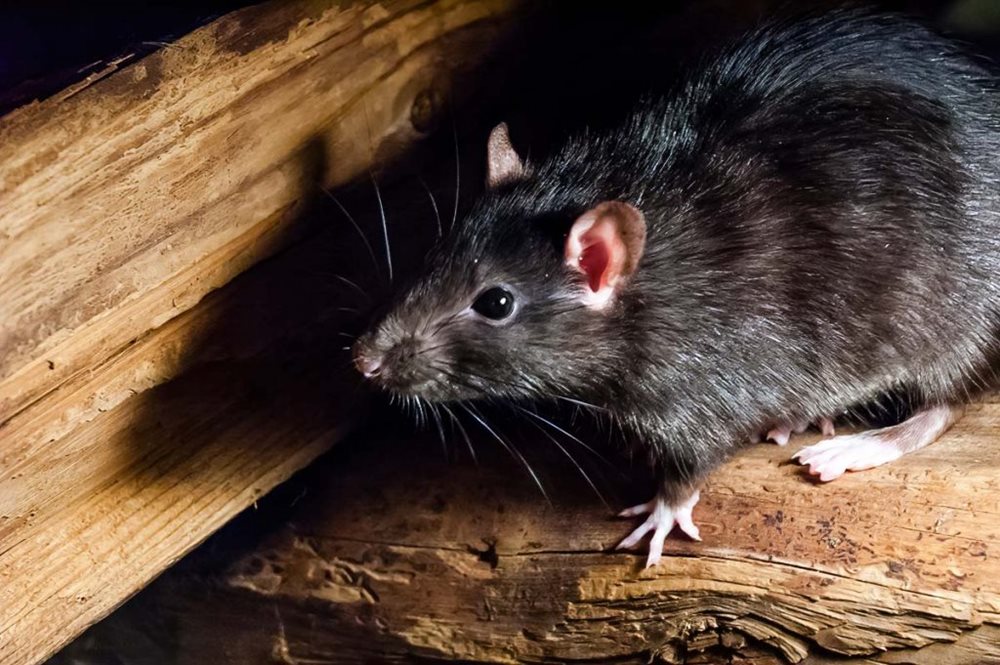
Rodent infestations are among the most prevalent pest problems homeowners and apartment dwellers report. About 1 in 9 households is affected each year — that’s roughly 39 million people. And, it doesn’t include office buildings, warehouses, and restaurants. Knowing you’re not alone and that professional help is nearby is reassuring.
If you have a rodent problem, locating their nests is key to protecting your family and property. House mice, Norway rats, and roof rats are the most common rodent species to enter a structure and build a nest. Each species has unique behaviors that provide clues about where its nests are most likely to be found and what those nests are like.
For your own safety and health, direct contact with rats in your home, or with mice and their nests, is not advised. And, because all rodents reproduce rapidly, you can expect to find a colony living on your property, not just one rodent. Critter Control has the proper tools and expertise to safely and humanely eliminate rodents from your home and property.
Norway Rat Nest
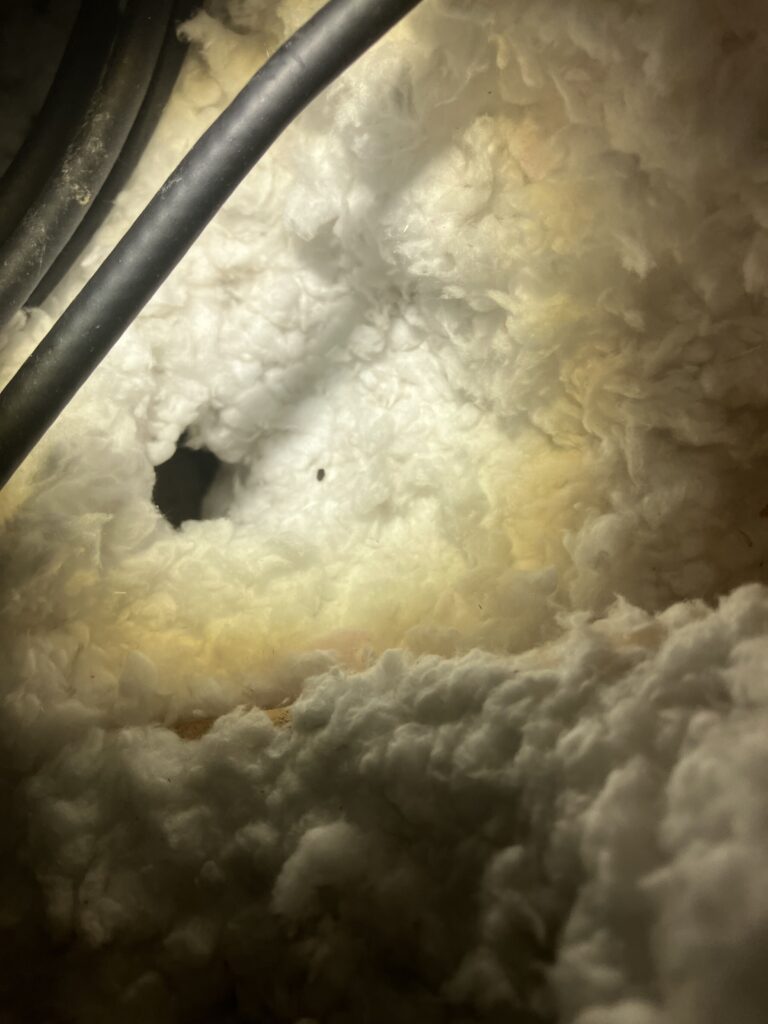
Norway rats adapt well to living around humans. Norway rats do not like to climb and will instead try to access your basement or crawlspace. Outside, their nests are commonly found beneath buildings, homes, and sheds as well as under rock piles, clutter, and garbage.
When looking around your home for a nest, check for small holes around the edges of the house, driveway, and concrete slab, as well as in your basement and crawlspace. Because Norway rats don’t travel far, their nests are usually close to a food and water source, such as trash cans and sump pumps.
A Norway rat’s nest looks like a round ball containing debris and materials tough enough to last and to house a litter of babies. The nest is built with everyday items such as shredded paper, cardboard, leaves, and plants.
Roof Rat Nest
Roof rats are smaller than Norway rats, so their nests may be smaller but will still look like woven balls. The materials used to build a nest are also similar, including soft paper shreds, cloth, plant leaves, insulation, and garbage.
Their nests will be found in the dark, seldom-accessed spaces in the highest spots of your home, such as your attic, ceilings, and walls. They are agile climbers and can also easily jump onto your roof from a nearby tree branch.
The roof rat’s nest can be mistaken for a bird’s nest, but there are simple ways to differentiate the two. A bird’s nest is usually only made from twigs and leaves. A rat’s nest will be constructed from natural and manufactured soft materials, even plastic. Furthermore, you can check for droppings near the nest. Bird and rat droppings are very different. Rats also tend to damage items near their nests, like chewing on electrical wires, breaking shingles, and gnawing on wood.
Roof rats travel farther away from their nests than the Norway rats, but still within a smallish radius. Roof rats also live in colonies due to their high reproductive rate.
House Mouse Nest
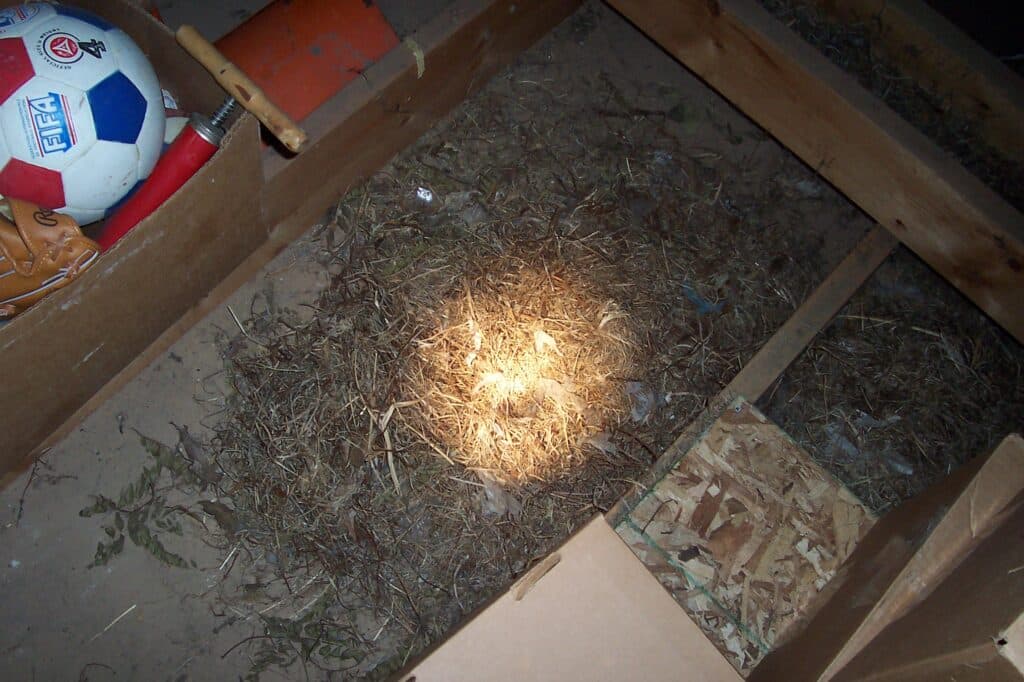
House mice use a wider variety of materials for their nests, creating a round ball measuring between 4 and 6 inches in diameter. The nest may not be as tightly woven as a rat’s and may contain:
- Wood chips
- Pellets
- Vinyl
- Plastic
- Papers
- Carpet
- Drywall
- Insulation.
Mouse nests serve multiple purposes, including storing food and housing newborn pups. Many homeowners find mouse nests in attics, walls, ceilings, cabinets, under appliances, in closets, in garages, and sometimes under vehicle hoods.
How to Safely Remove a Rodent Nest
The only safe way to remove a rodent nest is to call Critter Control.
Health
Rodent nests are filled with feces, urine, and parasites that are a health risk to you, your family, and your pets. Rodent diseases transmissible to humans include hantavirus, tularemia, and Salmonella. Parasites such as ticks, fleas, and lice can also be transmitted to humans and pets through direct and indirect contact.
Home Damage
Rodents create costly damage to your home in the form of gnawed beams, chewed electrical wires, and contaminated and torn insulation.
Partial Removal
You can get rid of the nest without leaving rodents behind. DIY methods are not comprehensive enough. Without eliminating all the rodents, the infestation will likely start growing again.
The most innovative way to ensure the entire infestation is gone and your peace of mind restored is to hire a professional.
Call Critter Control for Professional Rodent Nest Removal
Getting rid of rat and mouse nests requires a custom plan tailored to the rodent species, the size of the infestation, and the location of the nests. Critter Control steps include:
- Inspection: Your inspection will reveal the rodent species, the locations of their nests, and the extent of the infestation.
- Trapping: The type of trap, bait, and placement of traps are determined by the inspection results.
- Sanitation: Once the infestation is removed, Critter Control will sanitize to eliminate parasites, urine, and feces, ensuring no remaining health risk.
- Exclusion and Prevention: Critter Control focuses on long-term solutions that include stopping wildlife from future access to your home by sealing entry points and making your home less attractive to rodents.
Contact Critter Control for help resolving your rodent problem. Our technicians have the experience and expertise to safely and humanely eliminate any infestation problem.
Get them out.
Keep them out.®
Experiencing a wildlife or pest issue? We can help! Complete this form and your local Critter Control® office will contact you to assist.
- Difference between Mice and Rats
- Rodent Caused House Fires
- Do Rodents Hibernate?
- Rodent Deterrents
- Rodent Diseases
- Rodent Droppings
- Rodent Noises
- Rodent Repellents
- Rodent Tracks
- Rodents under the House, Deck, or Floor
- Rodents in the Attic
- Rodents in Walls
- Types of Rodents
- Rat Noises
- Mouse Noises
- Squirrel Noises