

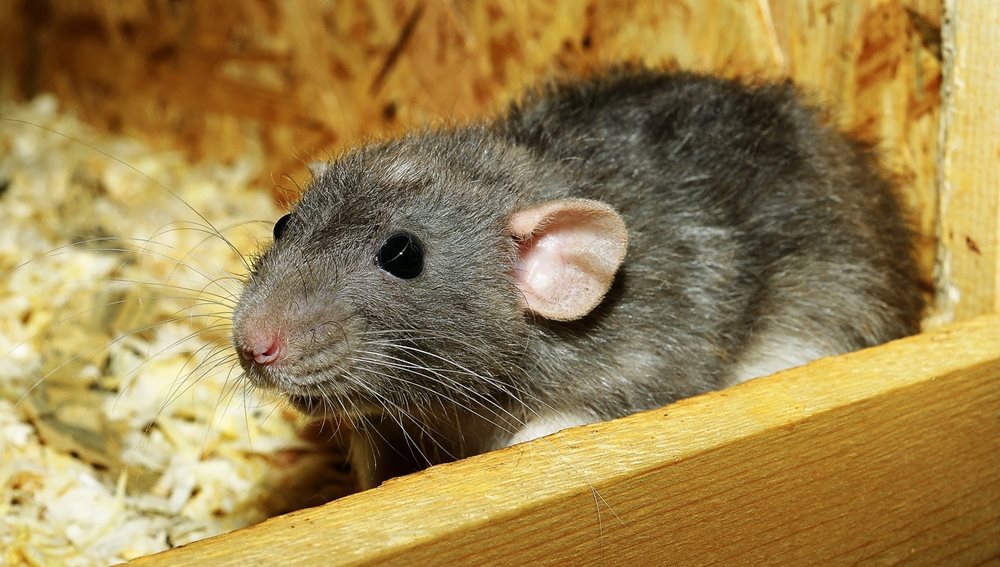
What do rats eat? Well, they will eat just about any food they encounter during their daily scavenges. While they may prefer nuts, seeds, fruits, and grains, they are omnivorous. This means they will take any opportunity to eat a wide range of foods, including human and pet foods. Opportunities may be crumbs on your floor or counters, or leftovers sitting on the counter.
Rats will enter your home if they think it will lead them to a food source. You may find them in your pantry or see evidence of their presence, like holes in bags or boxes of food. They may even leave a trail of food that leads back to their nest.
There are simple ways to prevent rats from entering your home, starting with understanding and eliminating their food sources. You don’t have to do this alone, however. Critter Control can help you safely and effectively deal with rats in your home.
What Do Rats Like to Eat in the Home?
Rat diets differ from human diets because rats will eat just about anything, even if it is uncooked and still in its packaging. They will chew through bags and boxes to get to cereals, chips, crackers, pasta, sugar, and grains. They will devour crumbs left on counters or floors. Rats even enjoy human trash. What we see as garbage, they see as an opportunity for a meal.
Rats in homes tend to feed on pantry items and dry goods like:
- cereals
- grains
- pet food
- other stored food
They don’t have any favorite foods. However, some rats, like the Norway rats, are known to particularly enjoy eggs, mac and cheese, and cooked corn kernels.
Knowing how to protect your groceries and cooked foods from rat contamination will help keep your family safe from any diseases rats may carry.
How Do Rats Access Food in the Home?
Rats have many characteristics that make it easy for them to get into your home and access your food sources. For example, rats have some of the strongest teeth among rodents. They can gnaw through plastic, thin wood, and even thin aluminium packaging. In addition, rats have claws on their feet that allow them to climb, jump, and crawl easily on shelves.
Rats can smell and follow scents from the outdoors into your garage, kitchen, storage pantry, or anywhere they can find food. Unfortunately, rats can squeeze through a hole the size of a golf ball, making it even easier for them to get into your home. A hole barely noticeable to humans can serve as an entry point for rodents.
How to Keep Rats Out of Household Food
Although rats are clever when it comes to finding ways into your home, you can outsmart them. There are simple rat removal steps you can take to keep them out of your household food, protect your family from infestation, and not harm the rats. For example,
- Keep regular cleaning schedules so there are no crumbs or liquid spills to attract a hungry rat. This prevents rats from easily accessing food.
- Pantry foods with packaging that rats chew through should be stored in rat-resistant containers and sealed. If they can’t sniff or chew the product, you can avoid contamination.
- Store trash in bins with fitted lids until it is correctly disposed of, reducing scent trails for rats to follow.
Sometimes, you can do everything right to keep rats out of your household food, and you still may find one. It is not your fault. The good news is that with the help of pest control professionals, you can achieve complete prevention and elimination of unwelcome rat populations.
When to Call a Professional
Knowing when to call a professional for help means knowing the signs of a rat infestation. Some signs may be more evident than others. Look for chewed food packaging and trails of spilled food. Rats are known for leaving rat droppings wherever they go, along with urine trails. Rats can enter various areas through small holes. They may even chew holes if a food scent is strong. Finally, you may hear chirping, squeaking, scratching, or chewing noises.
Rather than using DIY methods to trap and eliminate rats in your home, contact a professional. Not only can some DIY methods be ineffective, but you must also know the type of rat you have and match it with the right-sized trap and the most effective bait, which will vary. Placing a trap in the wrong place can increase your rat problems.
Critter Control has a step-by-step process that is highly effective in getting rid of rats for good:
- Inspection
- Identifying rat species to create a tailored plan
- Humane removal
- Sanitation
- Long-term exclusion and prevention
Call Critter Control for Safe Rat Removal
If you see signs of a rat, whether it is in your home or outside in your garden, there are likely other rats nearby. To avoid a rat infestation from becoming a bigger problem or putting your family at risk, contact Critter Control today to get help eliminating sources of a rat diet. We can answer your questions—like “What do rats eat?”—and implement rat removal techniques to ensure rats stay out of your home and away from the groceries you need for you and your family.
Learn more about rat removal.
Get them out.
Keep them out.®
Experiencing a wildlife or pest issue? We can help! Complete this form and your local Critter Control® office will contact you to assist.


- Baby Rats
- Do Rat Repellents Work?
- Do Rats Hibernate in Winter?
- Dead Rat
- Rat Droppings
- Diseases from Rats
- Rat Bites
- Rat Life Cycle
- Identify Rat Noises Inside Your Home
- Rat Tracks
- Rat Traps & Baits
- Rat Tunnels in Attic
- Rats in Cars
- Rats in Crawl Space
- Rats in Homes
- Rats in Walls
- Types of Rats
- What Can Rats Chew Through
- What Does a Rat Look Like?
- Where Do Rats Nest?