Are you hearing strange sounds above your ceilings or inside the walls? Notice musky odors around the house? Find damage in your attic or on your roof?
If you live in Renton, WA, or its surrounding communities, like Newcastle, Tukwila, and Kent, you’re probably experiencing a nuisance wildlife issue. King County is home to a variety of wildlife that can become a nuisance for homeowners. Raccoons, squirrels, bats, and birds find safe places to nest or den in your attic, walls, or under your roof. From raccoons and squirrels to bats, opossums, and skunks, our local team uses proven, ethical methods to remove unwanted animals, repair damage, and prevent future invasions.
Critter Control Wildlife Removal Process
Wildlife removal in Renton must comply with Washington state and local regulations, which protect both residents and native species. Critter Control is fully licensed and insured, and our technicians are trained to use humane, legal methods for every removal. We follow all guidelines for protected species, such as bats, and ensure that all trapping, relocation, and exclusion practices prioritize safety for your family, pets, and the animals themselves.
STEP 1
Comprehensive Pest Inspection
Our Renton-based team conducts a thorough inspection of your property, identifying the species involved, entry points, and nesting sites. The region’s wet climate means animals often seek dry, warm spaces in homes, so we pay special attention to attics, crawlspaces, and rooflines.
We use safe, species-specific methods to humanely exclude or trap nuisance wildlife common to King County, such as raccoons, squirrels, and bats, minimizing stress to the animals and risk to your family.
After removal, we seal all entry points with chew-resistant materials, preventing future infestations. Our repairs are designed to withstand Washington’s rainy weather and deter persistent wildlife.
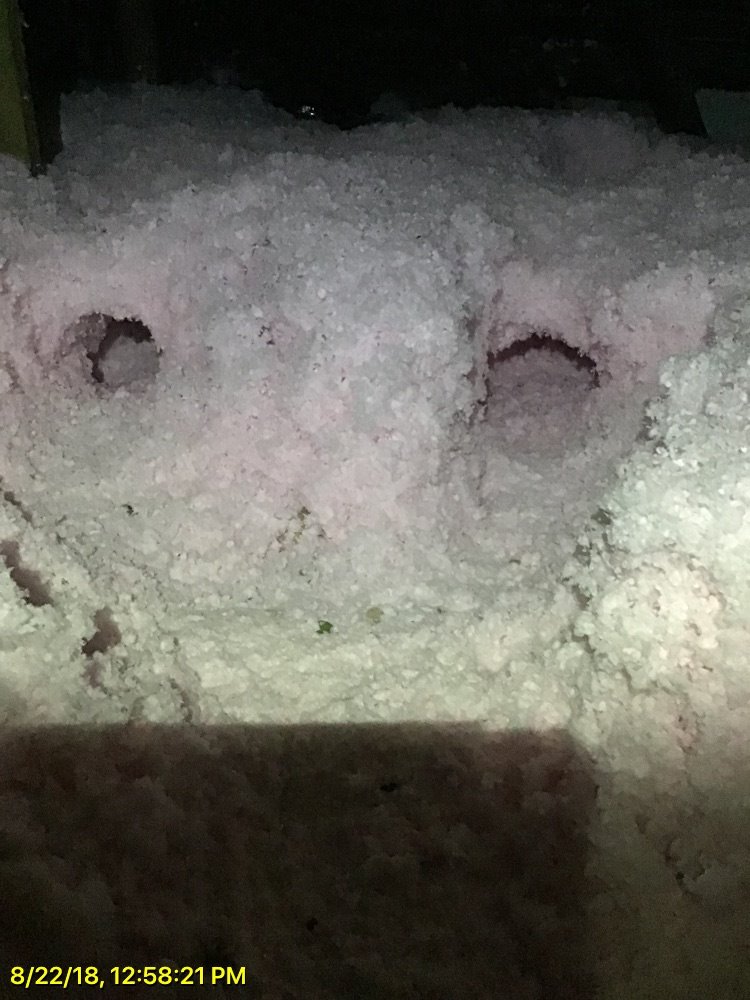
Animals can contaminate your home. We apply sanitation agents to clean up feces and urine. Mammals can host pests like fleas, ticks, and mites. Ectoparasite treatments exterminate those pests so you don’t become their next host. We can replace your soil insulation and install energy efficient insulation.
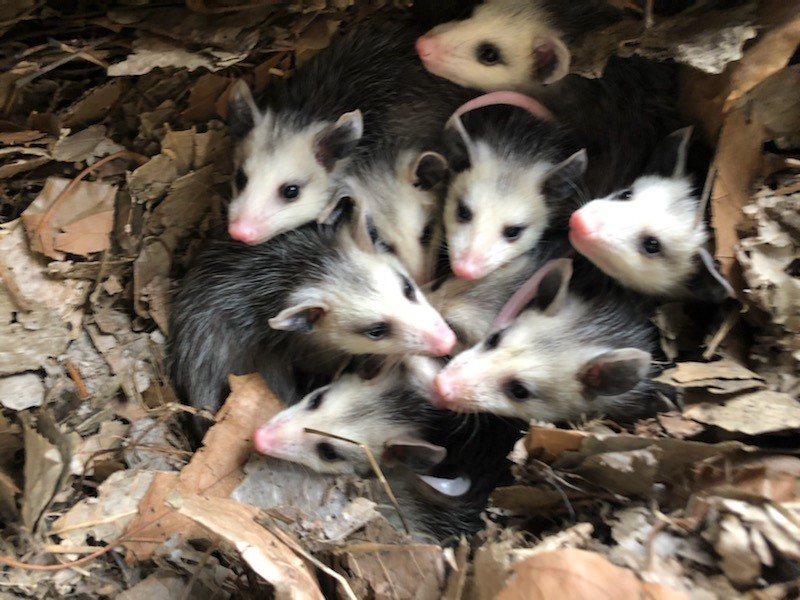
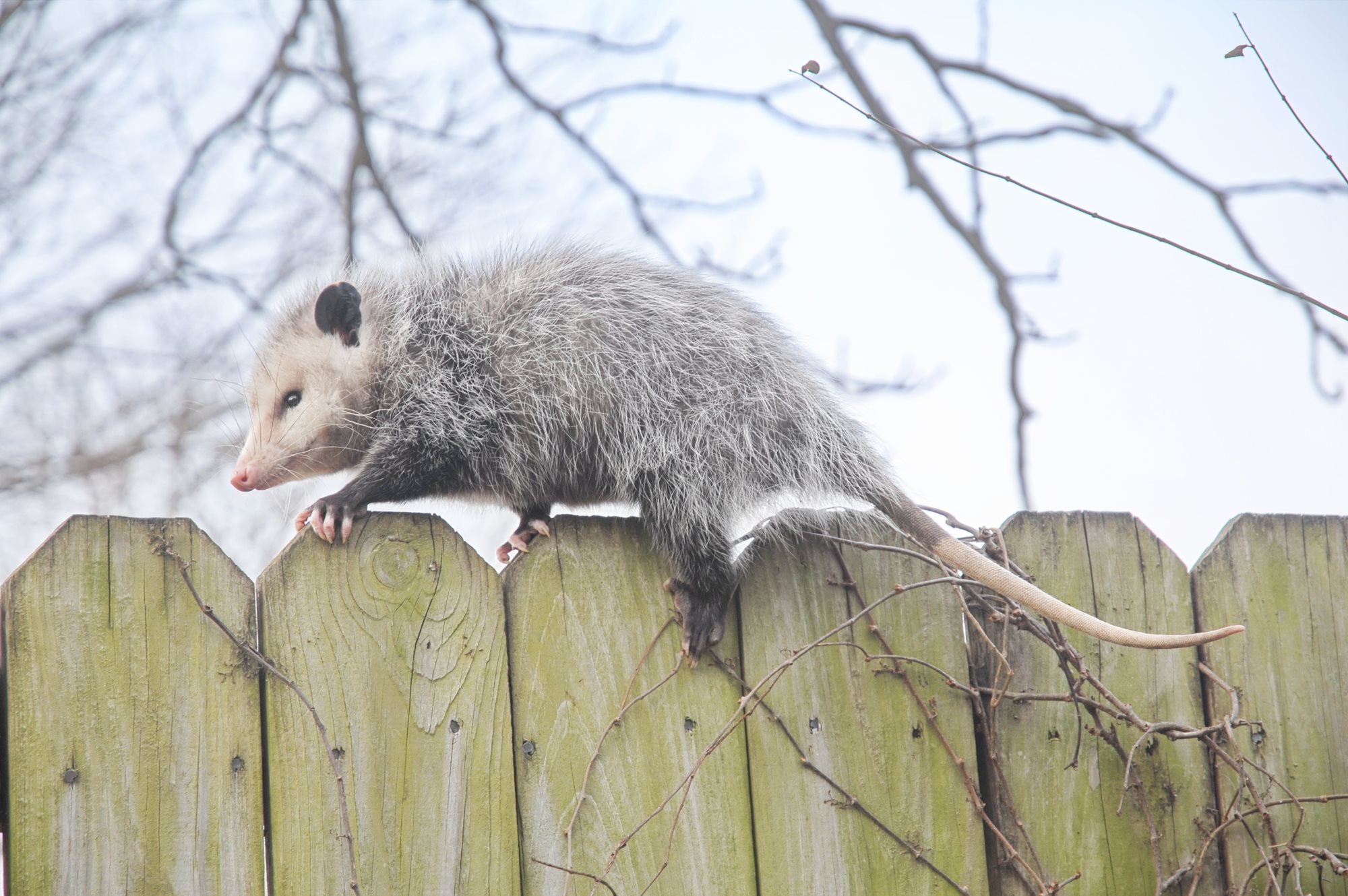
Renton’s lush parks, proximity to Lake Washington, and mild, rainy climate create the perfect environment for a range of wildlife. Residents often encounter issues with raccoons, squirrels, opossums, bats, and skunks, especially when these animals seek shelter in attics, crawl spaces, and under decks.
Racoon Removal
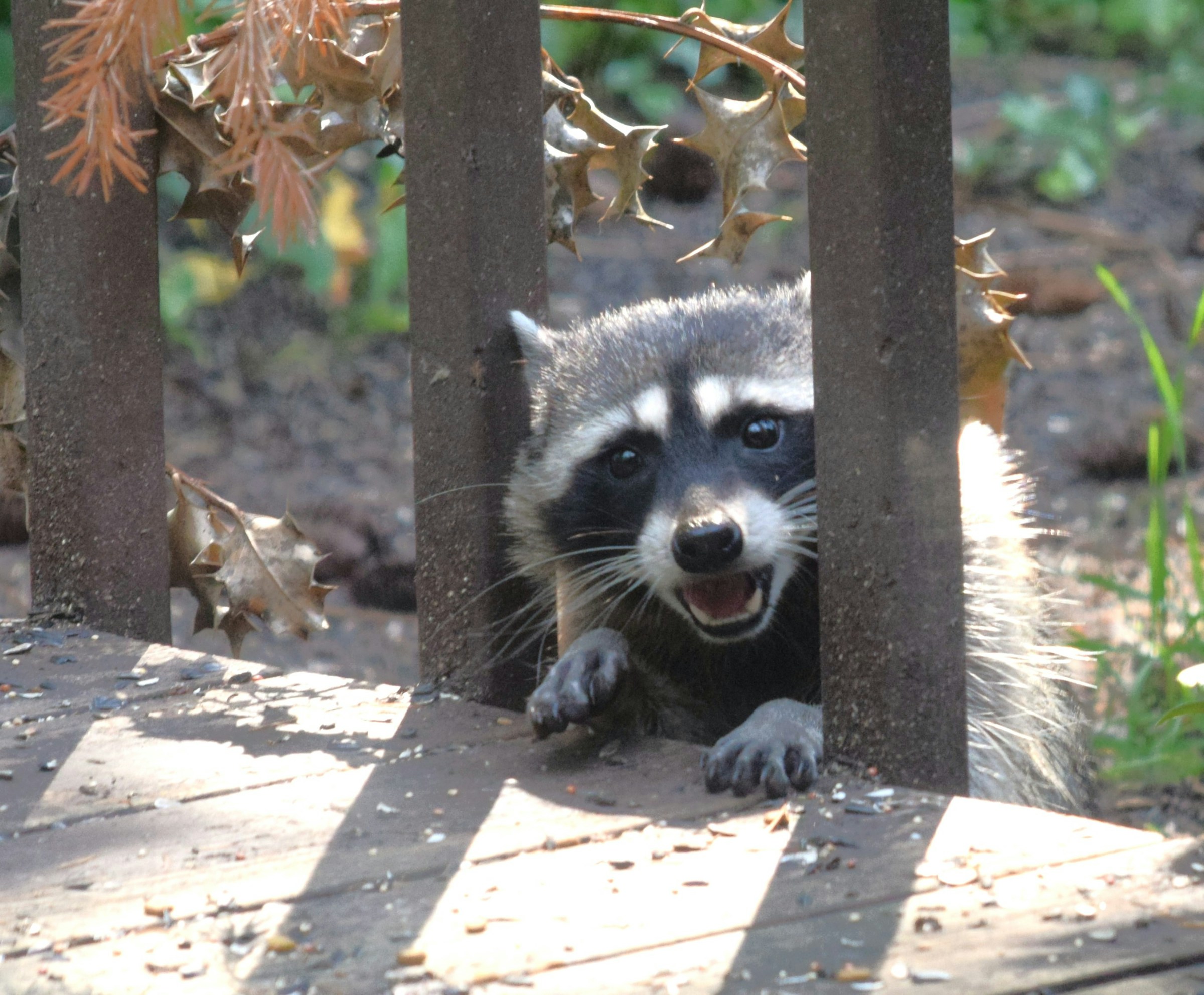
Raccoons like to den near a water source, so frequent rainfall in King County provides a variety of comfortable habitats. Raccoons are well adapted to urban and suburban environments and attracted to unsealed trash cans and outdoor pet food. In colder months, raccoons will attempt to access a home through the chimney or den under a deck. These pests come with the risk of disease and property damage and should be removed immediately.
Before trying to remove a raccoon from your home by yourself, remember they can carry diseases, and if threatened, they may bite.
Inspection
Our thorough inspection identifies raccoon activity, damage, and entry points.
Raccoon Trapping
A cage trap is the safest and most effective way to get a raccoon out of your house.
Raccoon Exclusions
Our whole home exclusions guarantee to keep the raccoons out. After identify all current and potential raccoon entry points, we seal them.
Squirrel Removal Near You
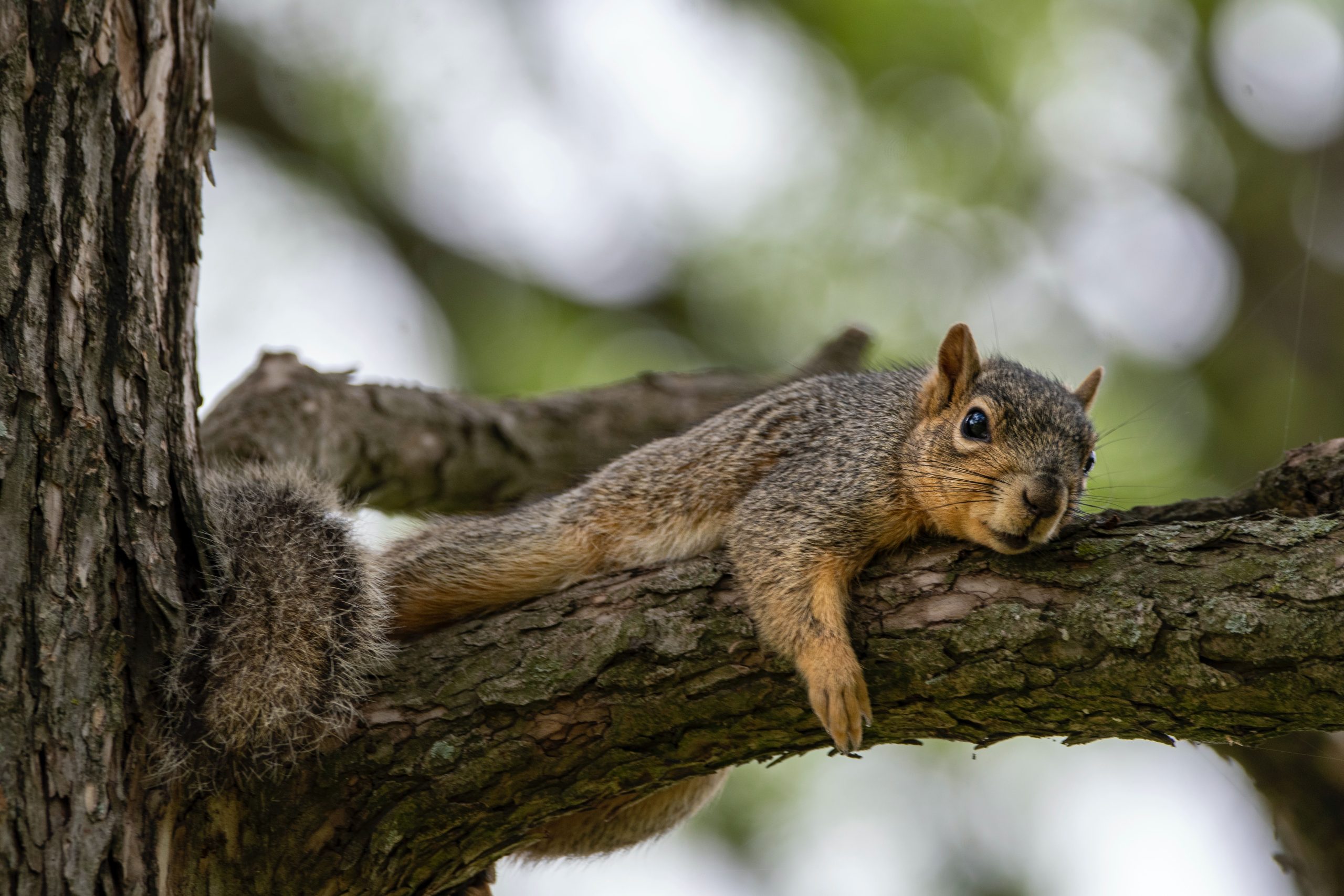
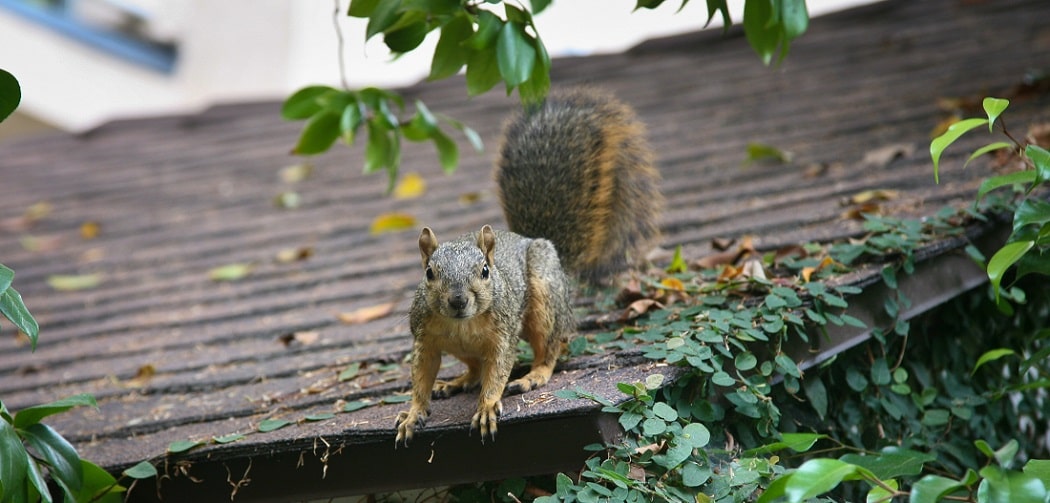
Squirrels are so fun to watch. They fill up their cheeks with acorns and race up and down trees. It’s all fun and games until your bird feeders are destroyed, the siding on your home has been chewed through, and nests are built in your chimney. The Eastern Gray squirrel is a particular nuisance since it is the one to most likely enter your home. They are most active in the early mornings and evenings.
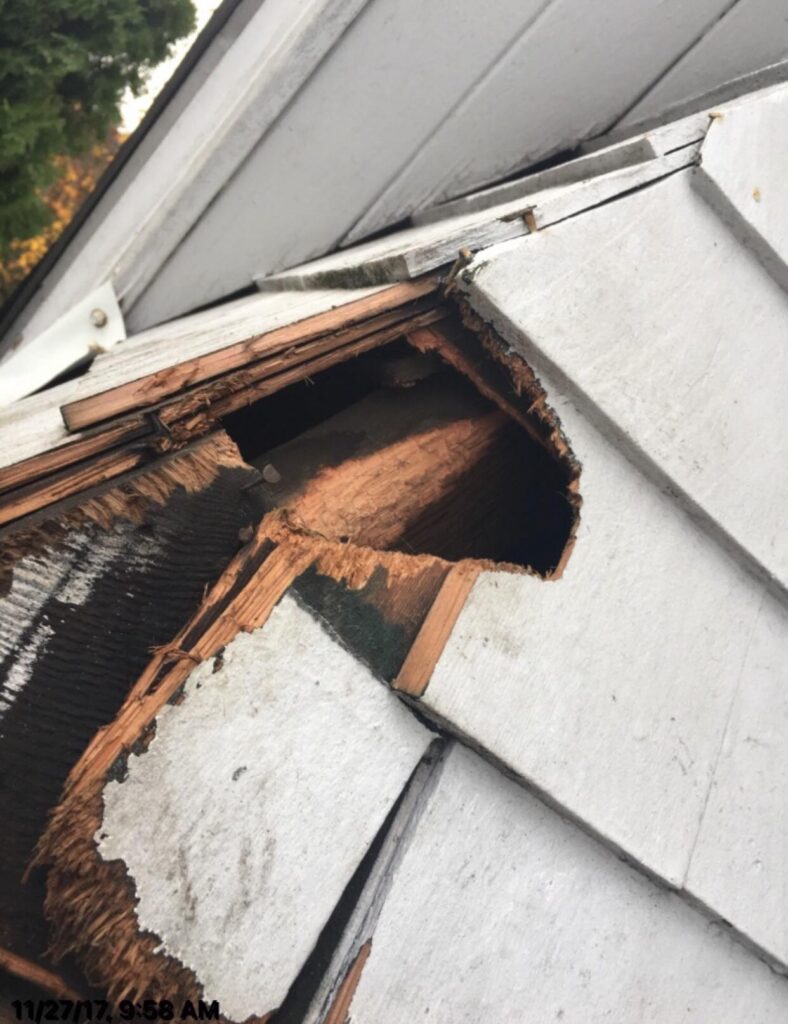
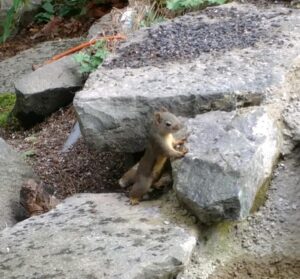
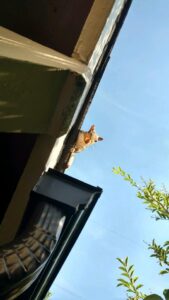
Native squirrels in our area include the Western Gray Squirrel, Douglas Squirrel, Red Squirrel, Northern Flying Squirrel. Non-native squirrels are the Eastern Gray Squirrel and the Eastern Fox Squirrel. Squirrels in King County have also been known to gnaw on wires lying on the roof of homes, causing power lines to droop, digging holes in your garden, and chewing holes in your attic where they may build a nest.
Squirrels mate from late winter to early spring, with litters arriving from March to June. All squirrels except flying squirrels and the western gray squirrel can produce a second litter in the Fall.
Wildlife specialists look for signs such as chewing on, in, or around your home, small openings leading to the attic or the crawl space, droppings, and debris like nuts or nesting material. Beams, wires, pipes, and insulation may all show signs of damage from squirrels.
Squirrel Trapping
Live trapping or one-way doors are the most effective and humane ways to get rid of squirrels. One-way doors should never be used during birthing seasons (Spring & Fall), so our specialists will decide which is the best tool for the job. If we have to trap, we place traps strategically to safely catch the squirrels and check those according to state laws.
Squirrel Exclusions
We can restore your home or office by squirrel proofing all entry points after we have removed the offenders. We can also clean-up the nesting sites and remove any debris, food, feces and soiled insulation.
Rodent Control in Seattle
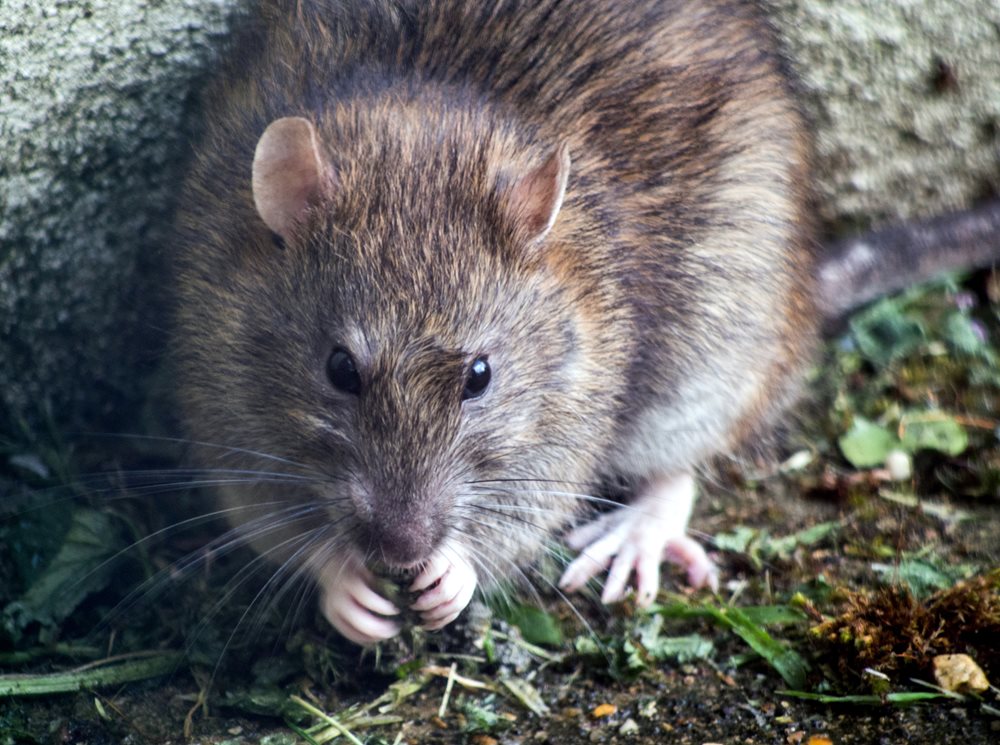
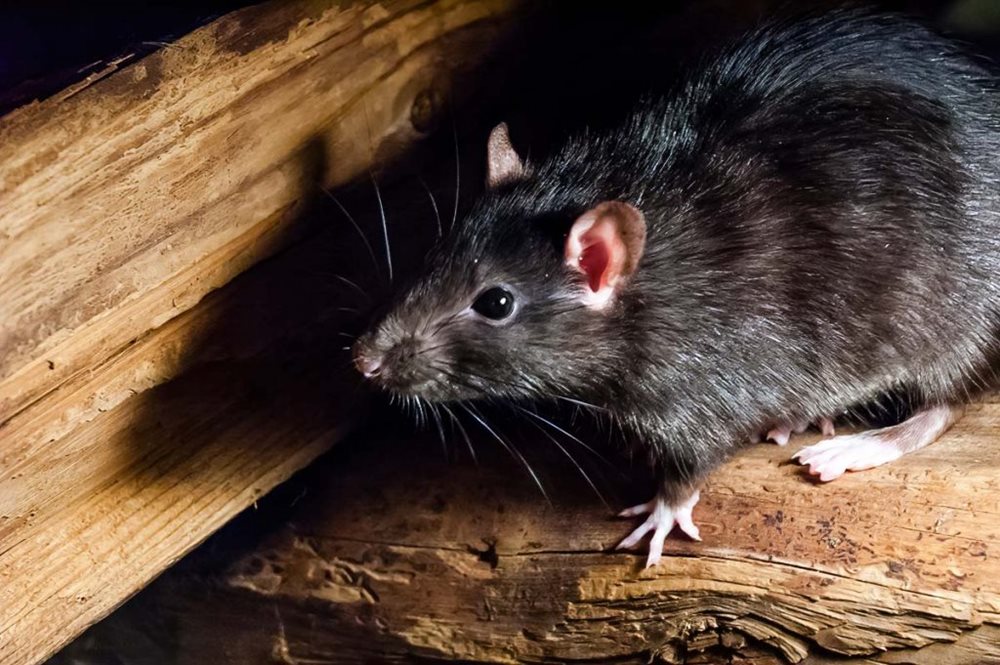
One of the most common and destructive pests to have in your home are rats and mice. Each one scavenges at night to find food and water. During the day, they hunker down in the nest they created, likely in your attic or walls. To make a nest, they will use any materials nearby, including insulation and clothing.
You will rarely see them, but rodents can travel anywhere, which means they can cause damage anywhere. Often found are sagging electrical wires, gnawed boards, and a trail of droppings and smelly urine. They also scurry across your countertops and into your pantry, where they chew through food boxes and ruin groceries.
Inspection
During a rodent inspection, we thoroughly inspect your attic and provide a complete exterior home inspection. The most common signs of rodent activity are gnaw marks, feces, rub marks, nesting material, runs in insulation material, and small entry points.
Rodent Trapping
The first step in a rat or mouse free home is trapping. It typically takes five to fourteen days depending on the severity of the infestation.
Rodent Control
Rodent exclusions and bait stations are the best methods for control. Exclusions block e-entry for the rats and mice. Bait stations control the population outside so they can’t get back inside.
Bat Removal
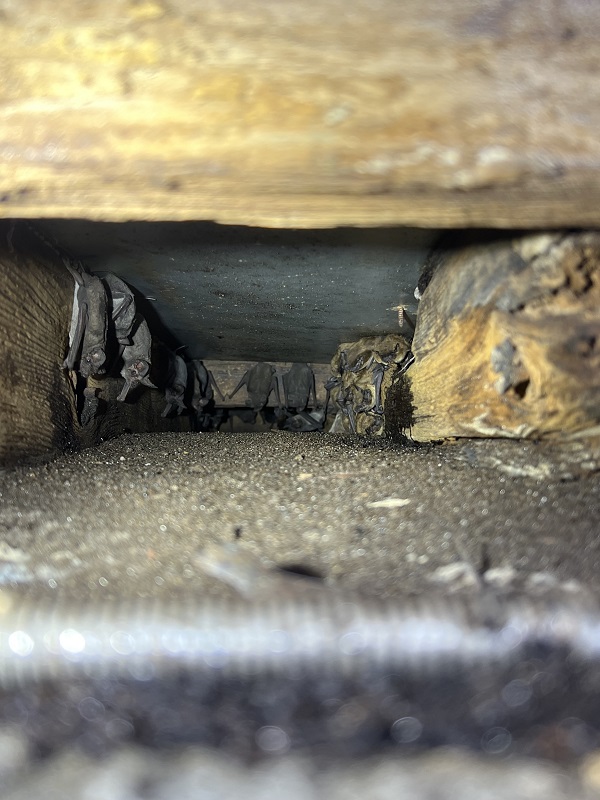
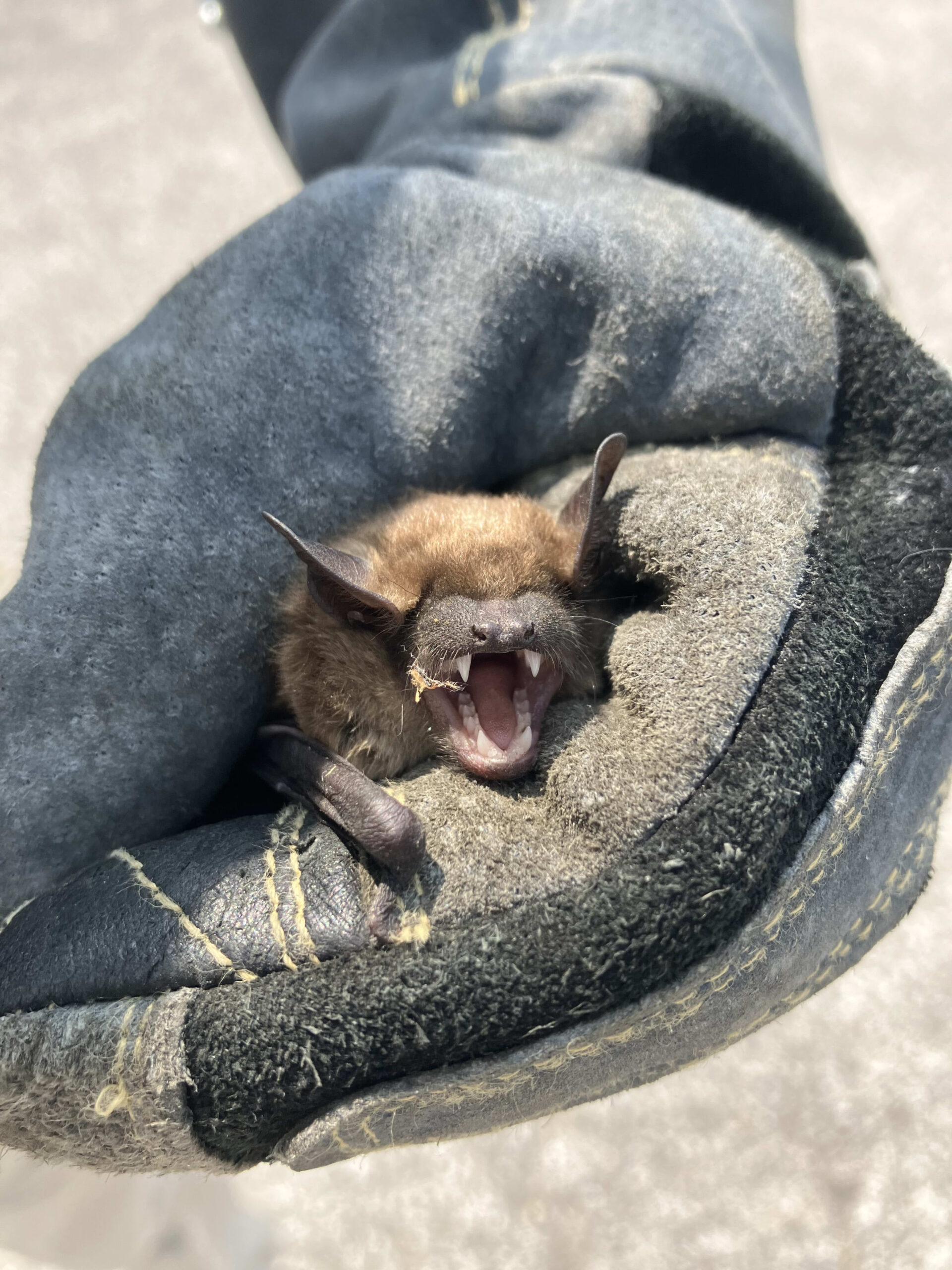
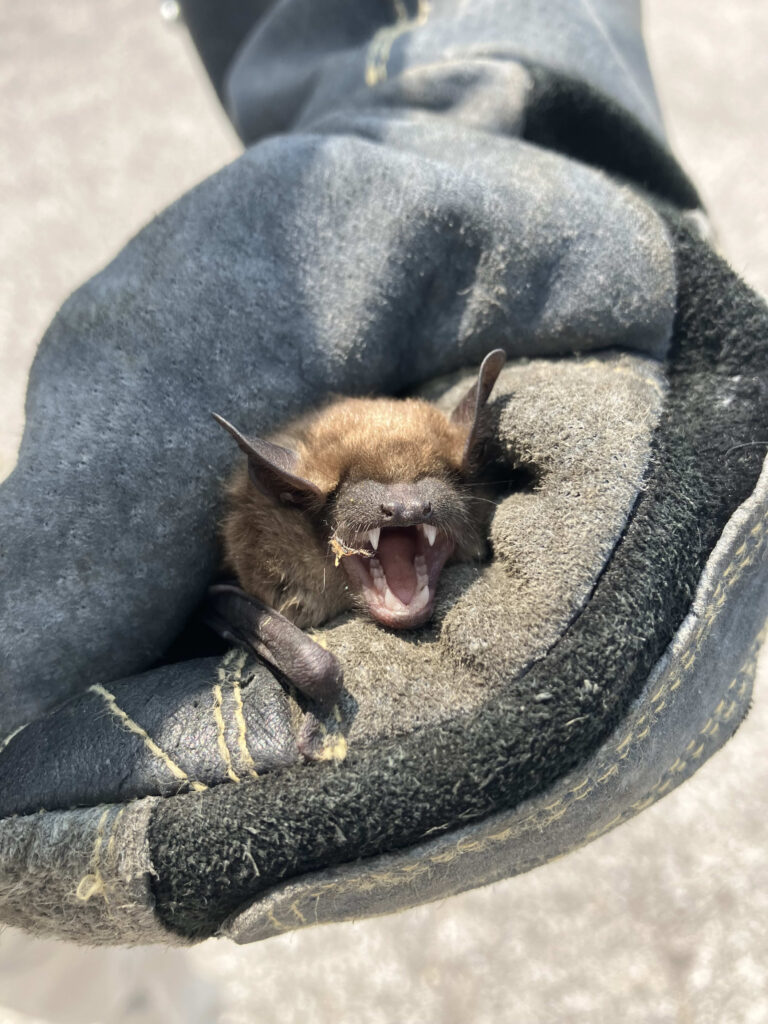
In Washington, bats are a year-round nuisance for homeowners. These critters look for places to hibernate during cold weather and roosts to rest during warmer months. Though some colonies choose trees or caves, others will enter homes.
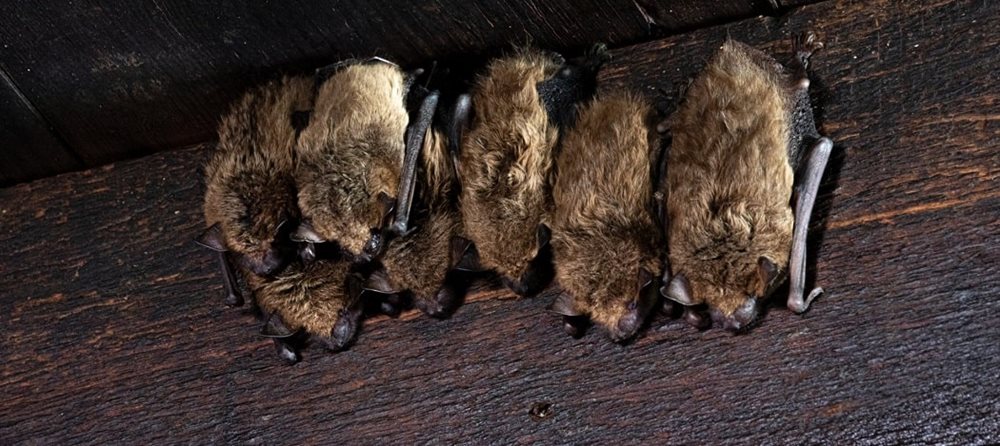
Bats are a common sight in King County because they live in homes. The most common bats in King County are the little brown bat and the big brown bat. These bats roost in attics and wall voids, especially in older homes with small gaps near the roofline.
We must wait to block holes over a period of days early in the evening after the bats have left the structure to feed. We do this from mid-August to mid-October to give baby bats time to learn to fly. We also want to give them time to leave before colder weather arrives. Another window of opportunity occurs in early spring, before the birthing period in May.
If you have bats in your home or yard, call a professional at Critter Control for help.
Inspection
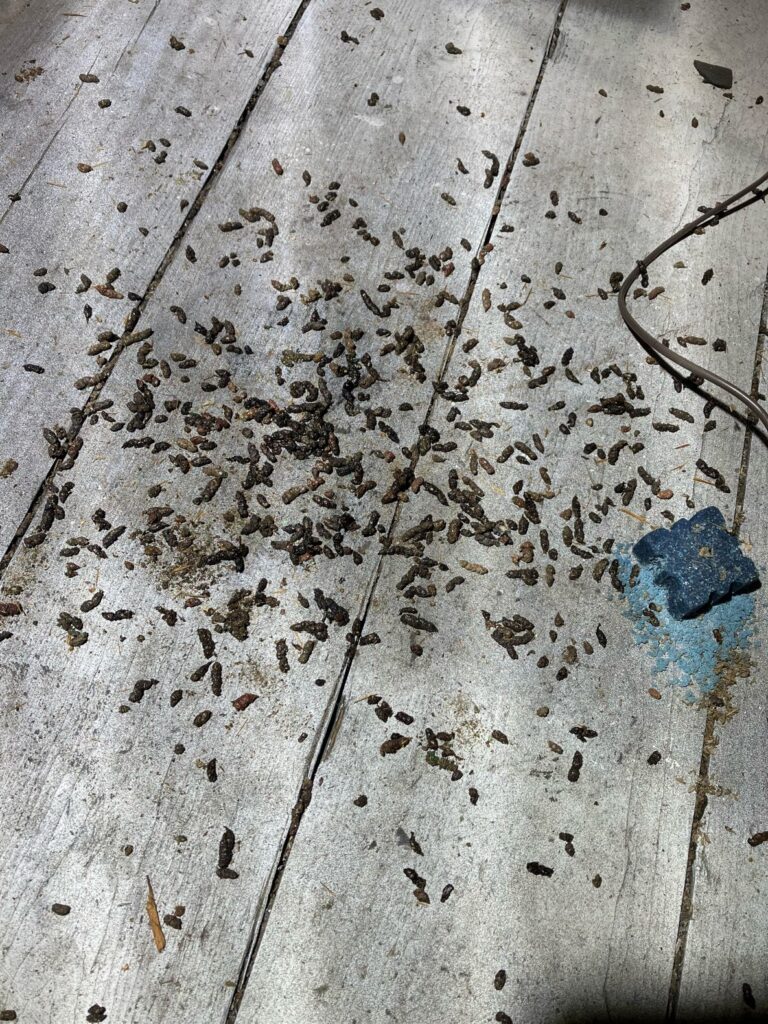
We perform a full interior and exterior inspection and search for signs such as rub marks, guano, a strong scent of ammonia, and small openings. The most common sign is the accumulation of guano (feces).
Bat Removal
The most effective and humane way to remove bats is by utilizing a bat valve in conjunction with a full home exclusion. A bat valve allows for bats to exit your home but not re-enter. We follow all local ordinances for humane bat removal. We will never abandon flightless pups in your attic.
Bat Exclusion
After removing the bat valves, we seal the entrance hole(s) so bats can no longer enter your home. If there is substantial guano in your attic, you should consider taking advantage of our attic remediation services to remove the soiled insulation and replace it.
Skunk Removal in King County
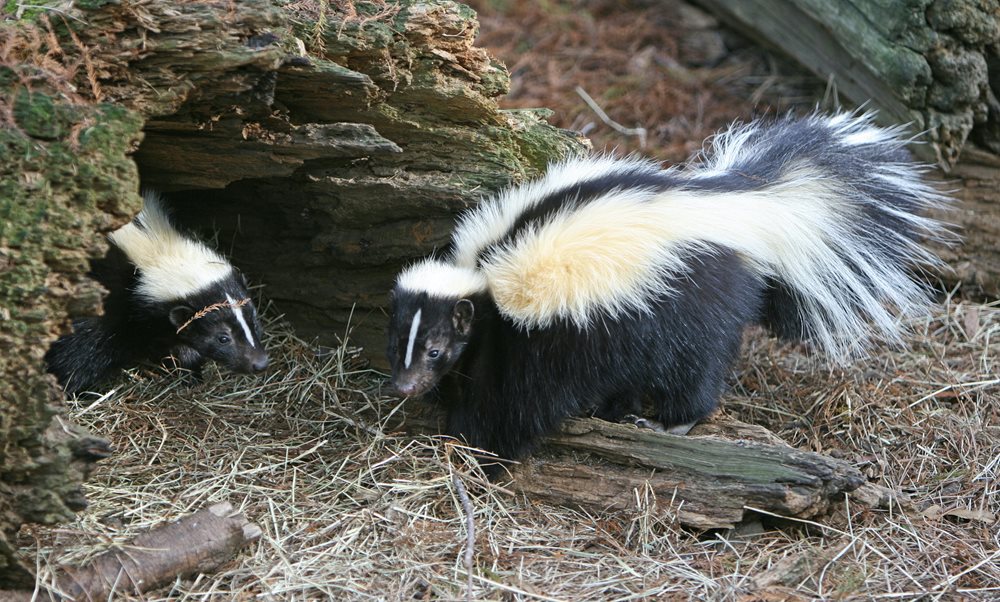
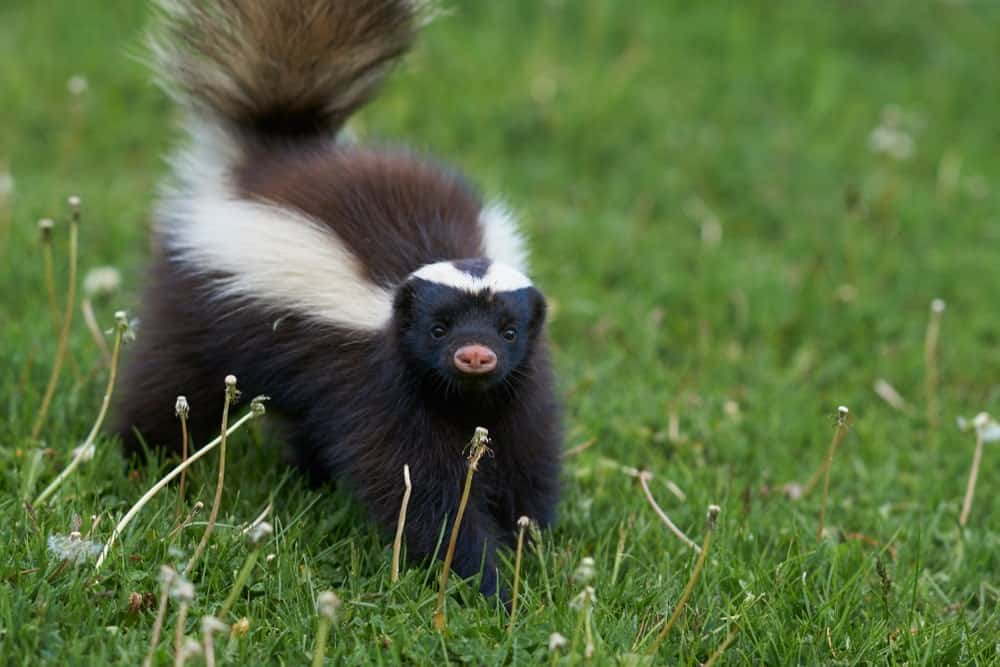
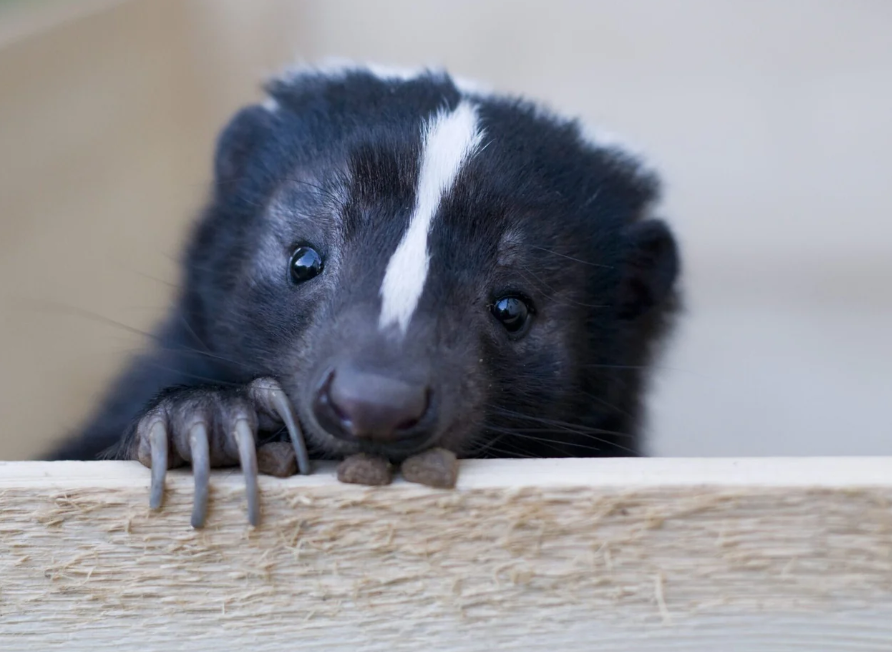
Skunks carry rabies and other diseases, making them dangerous to humans and pets. Female skunks seek a quiet, safe place to have baby skunks. Many find places underneath your home, porch, or decks. If the mama skunk feels threatened at any time, it will release an odor that repels any living creature.
Suppose they spray while living underneath your home; those odors can rise and enter your home, taking weeks for the odors to fade.
Skunks like to chew wood, tear screens, or burrow to find the right spot under your home. Don’t risk being sprayed by a skunk in trying to remove it by yourself. Call us instead.
Inspection
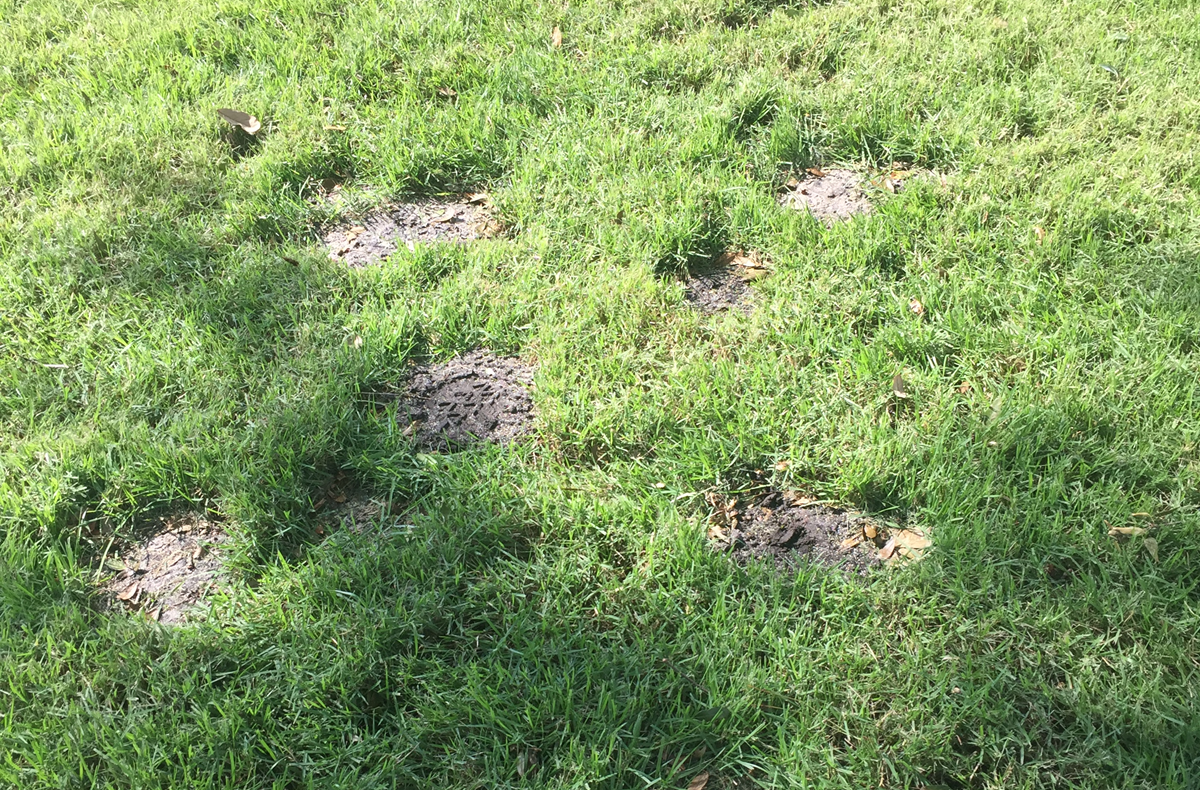
In addition to noting any pungent odors that signal the presence of a skunk, we will inspect the condition of your landscaping, as skunks are known for tearing-up lawns and shredding grass while hunting for grubs and insects. We will also inspect the perimeter of your building’s foundations and under decks, to locate burrows.
Trapping and Removal
Never try to remove a skunk from your property yourself. Getting sprayed is a very unpleasant experience. Furthermore, these animals may carry diseases that can spread to humans and pets, such as rabies. Our specialists will use live traps to capture and remove skunks for you, or they’ll use a one-way exclusion device to evict skunks from their harborage areas. The most effective ways to control a skunk problem is exclusion and habitat modification.
Skunk Control
The most effective ways to control a skunk problem is exclusion and habitat modification. Methods like sealing foundation gaps, replacing and screening broken foundation vents and installing hardware cloth (rat walls) around unprotected sheds and decks are the most effective and permanent ways to keep skunks out.
We recommend keeping pet food inside and securing any trash bins.
Beaver Removal
The ponds, rivers, lakes, and marshes in King County are home to a variety of semiaquatic mammals like beavers, river otters, and nutria. Each animal can presents unique problems that require specific animal control solutions.
Nutria burrow into dikes and irrigation systems. Individuals should never try to trap and remove nutria on their own. As the animal may be carrying a variety of pathogens and parasites, mishandling can lead to serious health risks. Contact a trained wildlife specialist to remove and humanely relocate nutria populations.
River otters can disrupt a pond or lakes ecosystem by eating fish. Wire fences can keep otters out of private ponds and fisheries. Building walls along the shore may make it difficult for otters to exit bodies of water, which effectively traps the animal until removal is possible.
Beaver dams can flood your property, and beavers can destroy trees building their dams. There are several solutions for beaver control. There are engineering solutions to prevent beaver dams from flooding your property. Covering the base of trees and landscaping can protect them from beaver damage. Beaver trapping and removal should be used as a last resort.
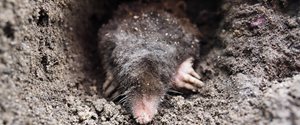
Moles and Mountain Beaver Control in King County
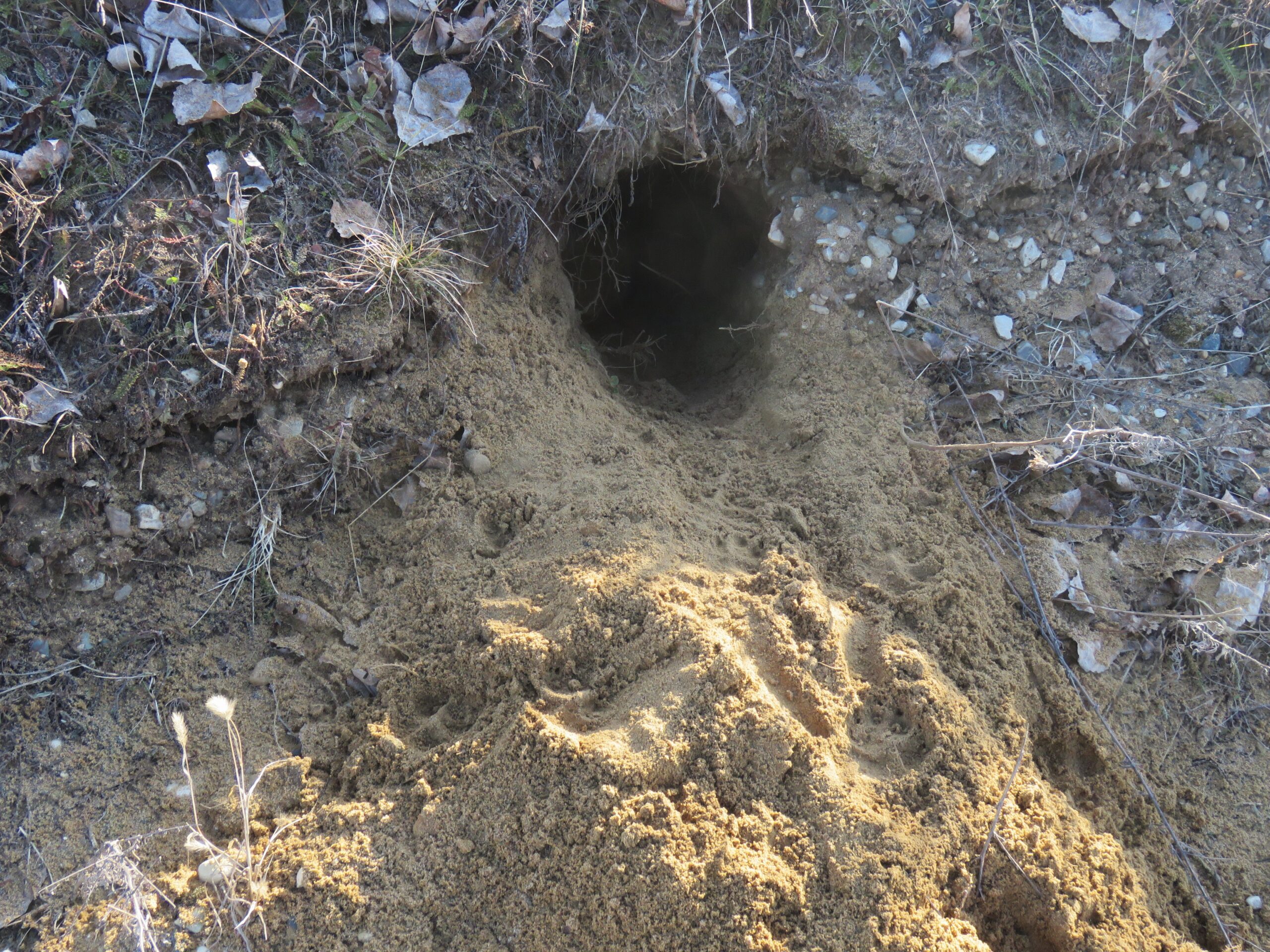
Trapping and removing burrowing animals from your yard can be challenging. Animals like moles, voles and mountain beavers can create extensive burrow systems with multiple entrances. In some cases, the animal has abandoned entrances and tunnels. It can be time and resouce intensive targeting a burrow the animal is no longer using.
Well-maintained landscaping, while pleasing to the eye, may provide the perfect living conditions for moles. They often build unsightly dirt mounds and raised surface tunnels, which can disrupt gardens, pavers, and plant root systems.
Mountain beavers create extensive burrows in their preferred habitat of damp forests, ferny slopes, and damp ravines in urban areas of King and Pierce counties. They have an herbivorous diet and will eat a wide variety of plants, both above ground, and underground.
Northern Flicker Woodpecker Control
The Northern flicker is the most common woodpecker in Washington. Homeowners often deal with these pests in wooded areas. Woodpecker issues are especially frequent after storms or landscaping efforts displace trees. Birds that lose their habitats seek alternate shelter. Residents may hear them drumming on siding or gutters.
Bird netting is frequently used to stop woodpecker populations from damaging surrounding trees and buildings. Frightening devices also provide some protection. Such methods involve the use of shiny, bright, and mobile objects near potential drilling sites. Exclusion can be difficult if the birds are well established in the area, at which point pest control professionals may be the only solution.
What types of animals do you remove in King County?
At Critter Control, we handle any type of pests that might be in your home or business. Some of the most common animals are raccoons, squirrels, bats, opossums, skunks, moles, and birds. We also offer pest control services for spiders, flies, roaches, ants, stinging insects, and mosquitoes.
Are your wildlife removal methods humane?
Yes, we use safe, species-specific, and humane techniques for all animals.
How quickly can you respond to a wildlife problem?
We offer prompt service and can often schedule same-day or next-day appointments.
Are you licensed and insured?
Absolutely. Our team is fully licensed to provide nuisance wildlife removal and exclusion. We carry liability insurance to cover our work.
Do you offer attic cleanup and repairs?
Yes, we clean, sanitize, and repair areas affected by wildlife.
Can you help prevent animals from coming back?
We provide exclusion services to seal entry points and prevent future infestations.
Do you serve areas outside Renton?
We provide wildlife removal throughout King County, Snohomish County, and Pierce County.
Is financing available for wildlife removal services?
Yes, we offer in-house financing options for your convenience.
What are the signs I might have a wildlife problem?
Look for noises, droppings, damage to siding or insulation, and unusual odors.
Do you guarantee your work?
All our services come with a 100% money-back guarantee for your peace of mind.
Financing AvailableNobody plans for a nuisance wildlife infestation, and to help you, we offer in-house financing options. By using RAC, you can address wildlife issues promptly, prevent further damage, and ensure a safe, pest-free environment at an affordable rate.
Wildlife WarrantyAfter removing nuisance wildlife, you want to ensure they stay out. Keep animals out for good with our whole-home exclusion warranty.
If the animal returns to the repaired area, we will remove it and provide you with the necessary exclusion repairs at no charge. For rats and mice, Trutech offers ongoing monthly exclusion and prevention services.
100% Money-Back GuarnateedYour satisfaction is always guaranteed. Critter Control® takes great pride in providing quality workmanship resulting in customer satisfaction.
Local Experience, Nationwide Expertise Our teammates live and work in the the Greater Seattle area. They’re know how local animal behavior interacts in the different habitats and communities.
Residential and CommercialInvading nuisance wildlife can wreak havoc on property. If left unattended wildlife and pests can cause costly property damage. Whether a residential property, apartment buildings, retail stores, office buildings, industrial plants, medical facilities, or warehouses, our trained professionals can handle any wildlife removal problem.
Are you hearing strange sounds above your ceilings or inside the walls? Notice musky odors around the house? Find damage in your attic or on your roof?
Federal Way, WA, and its surrounding communities, like Auburn, Des Moines, and Kent, are home to a variety of wildlife that can become a nuisance for homeowners. Raccoons, squirrels, bats, and birds find safe places to nest or den in your attic, walls, or under your roof. From raccoons and squirrels to bats, opossums, and skunks, our local team uses proven, ethical methods to remove unwanted animals, repair damage, and prevent future invasions.
Common Wildlife Problems in Federal Way, WA
Federal Way’s lush forests, proximity to Puget Sound, and mild, rainy climate create the perfect environment for a wide range of wildlife. Residents often encounter issues with raccoons, squirrels, opossums, bats, and skunks, especially as these animals seek shelter in attics, crawlspaces, and under decks. The area’s abundant greenbelts and parks, like Dash Point State Park and West Hylebos Wetlands, mean that wildlife is never far from residential neighborhoods.
Critter Control Wildlife Removal Process
When it comes to wildlife removal in Federal Way, WA, legal and safety considerations are paramount. Critter Control is fully licensed and insured, and our technicians are trained to follow all Washington Department of Fish and Wildlife regulations. We use humane, species-appropriate removal techniques and ensure that all work is performed safely, protecting both your family and the animals involved.
STEP 1
Comprehensive Pest Inspection
Our inspection process identifies the critters in your home. Our thorough process finds all the entry points both current and potential and cataloguing the damage done to your home.
You can trust to know we’ll safely remove the animal from your house, protecting both the wildlife and your property. We have an integrated approach which includes traps, habitat modifications, exclusions, and repellents.
Exclusions are the most effective means for wildlife control. We stop the animal from entering your home by installing barriers. It is non-toxic wildlife control that works immediately.
Animals can contaminate your home. We apply sanitation agents to clean up feces and urine. Mammals can host pests like fleas, ticks, and mites. Ectoparasite treatments exterminate those pests so you don’t become their next host. We can replace your soil insulation and install energy efficient insulation.
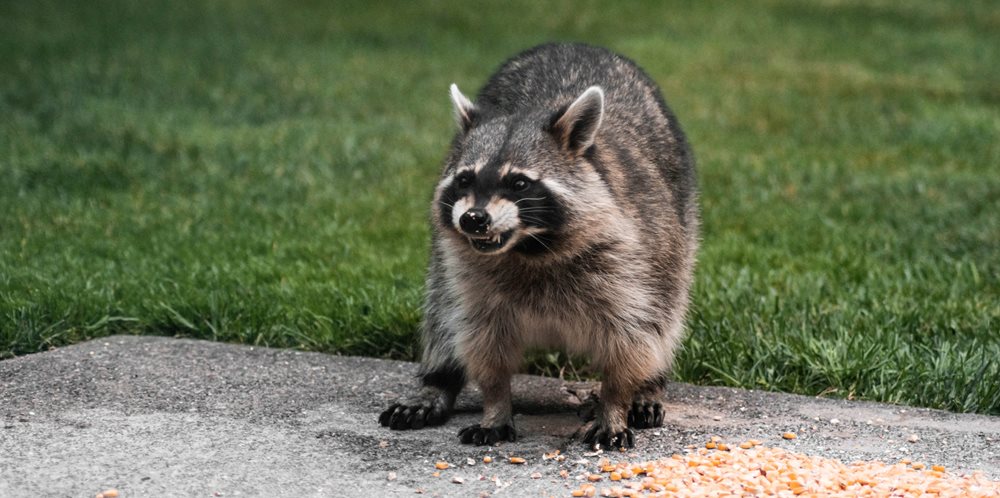
Raccoons like to den near a water source, so frequent rainfall in King County provides a variety of comfortable habitats. Raccoons are well adapted to urban and suburban environments and attracted to unsealed trash cans and outdoor pet food. In colder months, raccoons will attempt to access a home through the chimney or den under a deck. These pests come with the risk of disease and property damage and should be removed immediately.
Before trying to remove a raccoon from your home by yourself, remember they can carry diseases, and if threatened, they may bite.
Inspection
Our thorough inspection identifies raccoon activity, damage, and entry points.
Raccoon Trapping
A cage trap is the safest and most effective way to get a raccoon out of your house.
Raccoon Exclusions
Our whole home exclusions guarantee to keep the raccoons out. After identify all current and potential raccoon entry points, we seal them.
Squirrel Removal Near You
Squirrels are so fun to watch. They fill up their cheeks with acorns and race up and down trees. It’s all fun and games until your bird feeders are destroyed, the siding on your home has been chewed through, and nests are built in your chimney. The Eastern Gray squirrel is a particular nuisance since it is the one to most likely enter your home. They are most active in the early mornings and evenings.
Native squirrels in our area include the Western Gray Squirrel, Douglas Squirrel, Red Squirrel, Northern Flying Squirrel. Non-native squirrels are the Eastern Gray Squirrel and the Eastern Fox Squirrel. Squirrels in King County have also been known to gnaw on wires lying on the roof of homes, causing power lines to droop, digging holes in your garden, and chewing holes in your attic where they may build a nest.
Squirrels mate from late winter to early spring, with litters arriving from March to June. All squirrels except flying squirrels and the western gray squirrel can produce a second litter in the Fall.
Wildlife specialists look for signs such as chewing on, in, or around your home, small openings leading to the attic or the crawl space, droppings, and debris like nuts or nesting material. Beams, wires, pipes, and insulation may all show signs of damage from squirrels.
Squirrel Trapping
Live trapping or one-way doors are the most effective and humane ways to get rid of squirrels. One-way doors should never be used during birthing seasons (Spring & Fall), so our specialists will decide which is the best tool for the job. If we have to trap, we place traps strategically to safely catch the squirrels and check those according to state laws.
Squirrel Exclusions
We can restore your home or office by squirrel proofing all entry points after we have removed the offenders. We can also clean-up the nesting sites and remove any debris, food, feces and soiled insulation.
Rodent Control in Seattle
One of the most common and destructive pests to have in your home are rats and mice. Each one scavenges at night to find food and water. During the day, they hunker down in the nest they created, likely in your attic or walls. To make a nest, they will use any materials nearby, including insulation and clothing.
You will rarely see them, but rodents can travel anywhere, which means they can cause damage anywhere. Often found are sagging electrical wires, gnawed boards, and a trail of droppings and smelly urine. They also scurry across your countertops and into your pantry, where they chew through food boxes and ruin groceries.
Inspection
During a rodent inspection, we thoroughly inspect your attic and provide a complete exterior home inspection. The most common signs of rodent activity are gnaw marks, feces, rub marks, nesting material, runs in insulation material, and small entry points.
Rodent Trapping
The first step in a rat or mouse free home is trapping. It typically takes five to fourteen days depending on the severity of the infestation.
Rodent Control
Rodent exclusions and bait stations are the best methods for control. Exclusions block e-entry for the rats and mice. Bait stations control the population outside so they can’t get back inside.
Bat Removal
In Washington, bats are a year-round nuisance for homeowners. These critters look for places to hibernate during cold weather and roosts to rest during warmer months. Though some colonies choose trees or caves, others will enter homes.
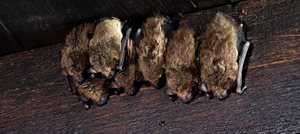
Bats are a common sight in King County because they live in homes. The most common bats in King County are the little brown bat and the big brown bat. These bats roost in attics and wall voids, especially in older homes with small gaps near the roofline.
We must wait to block holes over a period of days early in the evening after the bats have left the structure to feed. We do this from mid-August to mid-October to give baby bats time to learn to fly. We also want to give them time to leave before colder weather arrives. Another window of opportunity occurs in early spring, before the birthing period in May.
If you have bats in your home or yard, call a professional at Critter Control for help.
Inspection
We perform a full interior and exterior inspection and search for signs such as rub marks, guano, a strong scent of ammonia, and small openings. The most common sign is the accumulation of guano (feces).
Bat Removal
The most effective and humane way to remove bats is by utilizing a bat valve in conjunction with a full home exclusion. A bat valve allows for bats to exit your home but not re-enter. We follow all local ordinances for humane bat removal. We will never abandon flightless pups in your attic.
Bat Exclusion
After removing the bat valves, we seal the entrance hole(s) so bats can no longer enter your home. If there is substantial guano in your attic, you should consider taking advantage of our attic remediation services to remove the soiled insulation and replace it.
Skunk Removal in King County
Skunks carry rabies and other diseases, making them dangerous to humans and pets. Female skunks seek a quiet, safe place to have baby skunks. Many find places underneath your home, porch, or decks. If the mama skunk feels threatened at any time, it will release an odor that repels any living creature.
Suppose they spray while living underneath your home; those odors can rise and enter your home, taking weeks for the odors to fade.
Skunks like to chew wood, tear screens, or burrow to find the right spot under your home. Don’t risk being sprayed by a skunk in trying to remove it by yourself. Call us instead.
Inspection
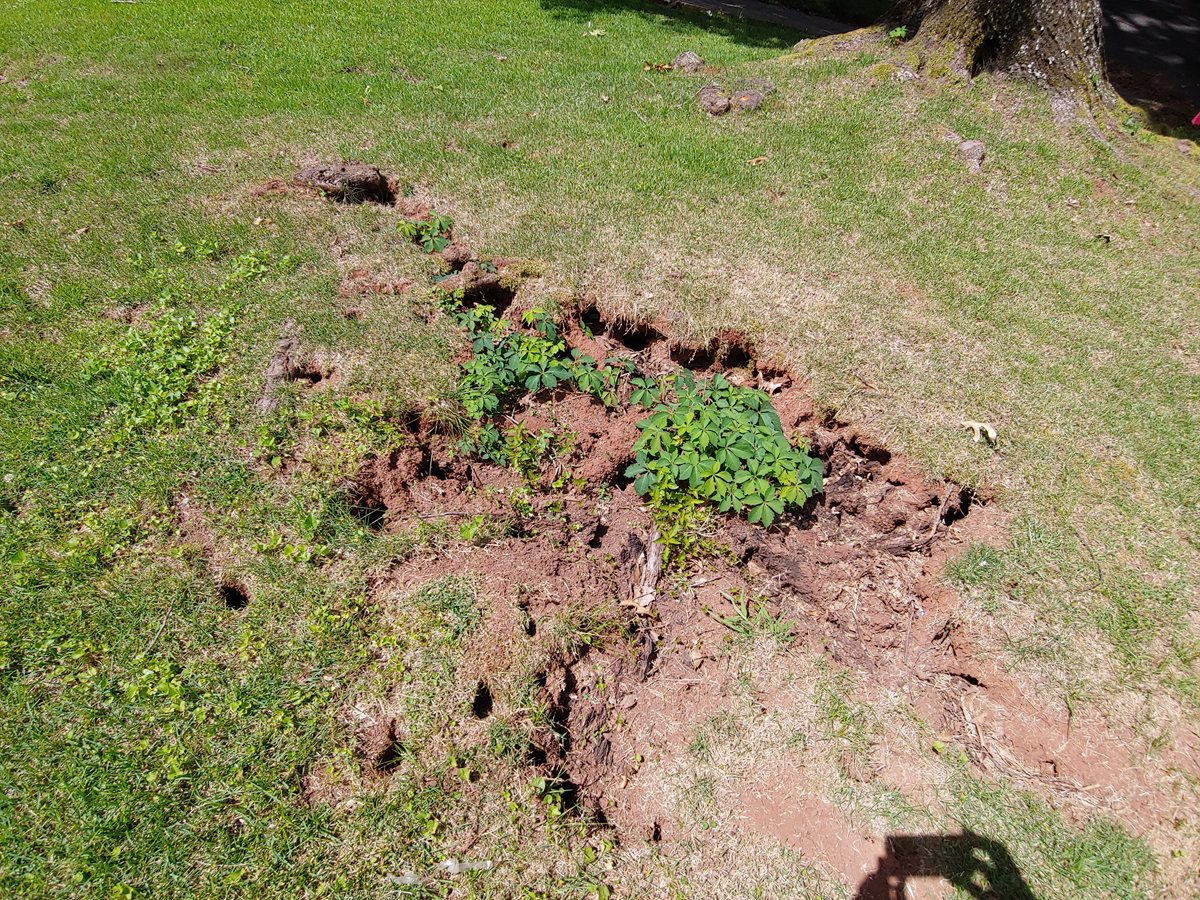
In addition to noting any pungent odors that signal the presence of a skunk, we will inspect the condition of your landscaping, as skunks are known for tearing-up lawns and shredding grass while hunting for grubs and insects. We will also inspect the perimeter of your building’s foundations and under decks, to locate burrows.
Trapping and Removal
Never try to remove a skunk from your property yourself. Getting sprayed is a very unpleasant experience. Furthermore, these animals may carry diseases that can spread to humans and pets, such as rabies. Our specialists will use live traps to capture and remove skunks for you, or they’ll use a one-way exclusion device to evict skunks from their harborage areas. The most effective ways to control a skunk problem is exclusion and habitat modification.
Skunk Control
The most effective ways to control a skunk problem is exclusion and habitat modification. Methods like sealing foundation gaps, replacing and screening broken foundation vents and installing hardware cloth (rat walls) around unprotected sheds and decks are the most effective and permanent ways to keep skunks out.
We recommend keeping pet food inside and securing any trash bins.
Beaver Removal
The ponds, rivers, lakes, and marshes in King County are home to a variety of semiaquatic mammals like beavers, river otters, and nutria. Each animal can presents unique problems that require specific animal control solutions.
Nutria burrow into dikes and irrigation systems. Individuals should never try to trap and remove nutria on their own. As the animal may be carrying a variety of pathogens and parasites, mishandling can lead to serious health risks. Contact a trained wildlife specialist to remove and humanely relocate nutria populations.
River otters can disrupt a pond or lakes ecosystem by eating fish. Wire fences can keep otters out of private ponds and fisheries. Building walls along the shore may make it difficult for otters to exit bodies of water, which effectively traps the animal until removal is possible.
Beaver dams can flood your property, and beavers can destroy trees building their dams. There are several solutions for beaver control. There are engineering solutions to prevent beaver dams from flooding your property. Covering the base of trees and landscaping can protect them from beaver damage. Beaver trapping and removal should be used as a last resort.
Moles and Mountain Beaver Control in King County
Trapping and removing burrowing animals from your yard can be challenging. Animals like moles, voles and mountain beavers can create extensive burrow systems with multiple entrances. In some cases, the animal has abandoned entrances and tunnels. It can be time and resouce intensive targeting a burrow the animal is no longer using.
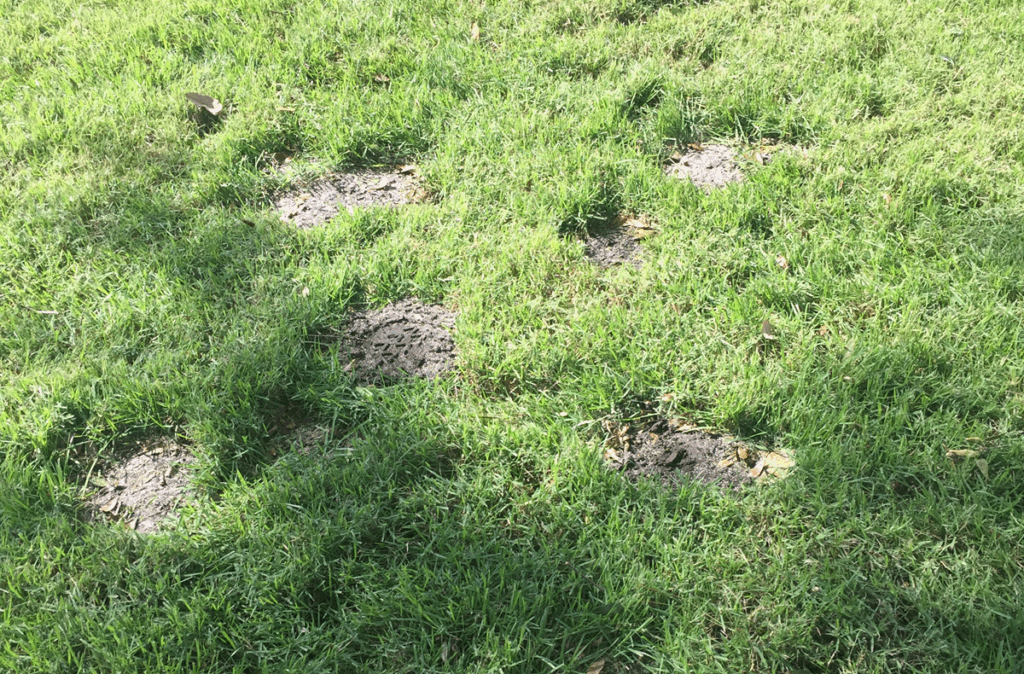
Well-maintained landscaping, while pleasing to the eye, may provide the perfect living conditions for moles. They often build unsightly dirt mounds and raised surface tunnels, which can disrupt gardens, pavers, and plant root systems.
Mountain beavers create extensive burrows in their preferred habitat of damp forests, ferny slopes, and damp ravines in urban areas of King and Pierce counties. They have an herbivorous diet and will eat a wide variety of plants, both above ground, and underground.
Northern Flicker Woodpecker Control
The Northern flicker is the most common woodpecker in Washington. Homeowners often deal with these pests in wooded areas. Woodpecker issues are especially frequent after storms or landscaping efforts displace trees. Birds that lose their habitats seek alternate shelter. Residents may hear them drumming on siding or gutters.
Bird netting is frequently used to stop woodpecker populations from damaging surrounding trees and buildings. Frightening devices also provide some protection. Such methods involve the use of shiny, bright, and mobile objects near potential drilling sites. Exclusion can be difficult if the birds are well established in the area, at which point pest control professionals may be the only solution.
What types of animals do you remove in King County?
At Critter Control, we handle any type of pests that might be in your home or business. Some of the most common animals are raccoons, squirrels, bats, opossums, skunks, moles, and birds. We also offer pest control services for spiders, flies, roaches, ants, stinging insects, and mosquitoes.
Are your wildlife removal methods humane?
Yes, we use safe, species-specific, and humane techniques for all animals.
How quickly can you respond to a wildlife problem?
We offer prompt service and can often schedule same-day or next-day appointments.
Are you licensed and insured?
Absolutely. Our team is fully licensed to provide nuisance wildlife removal and exclusion. We carry liability insurance to cover our work.
Do you offer attic cleanup and repairs?
Yes, we clean, sanitize, and repair areas affected by wildlife.
Can you help prevent animals from coming back?
We provide exclusion services to seal entry points and prevent future infestations.
Do you serve areas outside Federal Way?
Yes, we also serve Auburn, Des Moines, Kent, and surrounding communities.
Is financing available for wildlife removal services?
Yes, we offer in-house financing options for your convenience.
What are the signs I might have a wildlife problem?
Look for noises, droppings, damage to siding or insulation, and unusual odors.
Do you guarantee your work?
All our services come with a 100% money-back guarantee for your peace of mind.
Financing AvailableNobody plans for a nuisance wildlife infestation, and to help you, we offer in-house financing options. By using RAC, you can address wildlife issues promptly, prevent further damage, and ensure a safe, pest-free environment at an affordable rate.
Wildlife WarrantyAfter removing nuisance wildlife, you want to ensure they stay out. Keep animals out for good with our whole-home exclusion warranty.
If the animal returns to the repaired area, we will remove it and provide you with the necessary exclusion repairs at no charge. For rats and mice, Trutech offers ongoing monthly exclusion and prevention services.
100% Money-Back GuarnateedYour satisfaction is always guaranteed. Critter Control® takes great pride in providing quality workmanship resulting in customer satisfaction.
Local Experience, Nationwide Expertise Our teammates live and work in the the Greater Seattle area. They’re know how local animal behavior interacts in the different habitats and communities.
Residential and CommercialInvading nuisance wildlife can wreak havoc on property. If left unattended wildlife and pests can cause costly property damage. Whether a residential property, apartment buildings, retail stores, office buildings, industrial plants, medical facilities, or warehouses, our trained professionals can handle any wildlife removal problem.
If you’re hearing scratching in your attic, noticing strange odors, or spotting damage around your home in Brighton, MI, you’re not alone.
Brighton’s proximity to forests, wetlands, and open fields makes it a hotspot for nuisance wildlife. Residents often encounter animals seeking shelter from Michigan’s cold winters or looking for food during the warmer months. Squirrels, raccoons, and bats are especially prevalent, taking advantage of attics, chimneys, and crawlspaces. Opossums, skunks, and digging animals like groundhogs and moles also pose challenges, damaging lawns and gardens or creating unpleasant odors. Critter Control addresses these issues with targeted, humane solutions tailored to the unique wildlife pressures of the Brighton area.
Common Wildlife Problems in Brighton, MI
Legal and safety considerations are crucial when dealing with wildlife in Ypsilanti. Michigan law protects certain species and regulates removal practices to ensure humane treatment and public safety. Critter Control’s licensed professionals follow all state and local regulations, using safe, legal, and humane methods to remove animals and repair damage, so you can rest assured your home and family are protected.
Squirrels are among the most common nuisance animals in the area, especially in neighborhoods near Riverside Park and Depot Town. They often enter attics through small roof gaps, chewing on wiring and insulation, which can lead to fire hazards and costly repairs. Critter Control uses humane exclusion devices and repairs entry points to keep squirrels out for good.
Raccoons are strong, clever, and often nest in chimneys, attics, or under decks. They can cause significant property damage and pose health risks through droppings and parasites. Our team safely traps and relocates raccoons, then repairs and secures your home to prevent future invasions.
Like most major cities with harsh winters, Ypsilanti has its share of rodent problems. Both rats and mice find shelter and food in residential areas and will build nests in homes to prepare for the long Michigan winters.
Bats commonly roost in attics and wall voids, especially in older homes near wooded areas. Because bats are protected, Critter Control uses exclusion devices that allow bats to exit but not return, followed by sealing all entry points and cleaning up hazardous guano.
Although bats can be a nuisance for home and business owners throughout the Michigan, they are protected by law and may not be harmed.
Opossums frequently take shelter under porches, decks, or in crawlspaces. While generally non-aggressive, they can create messes and attract other pests. We humanely trap and relocate opossums, then block off access points to prevent re-entry.
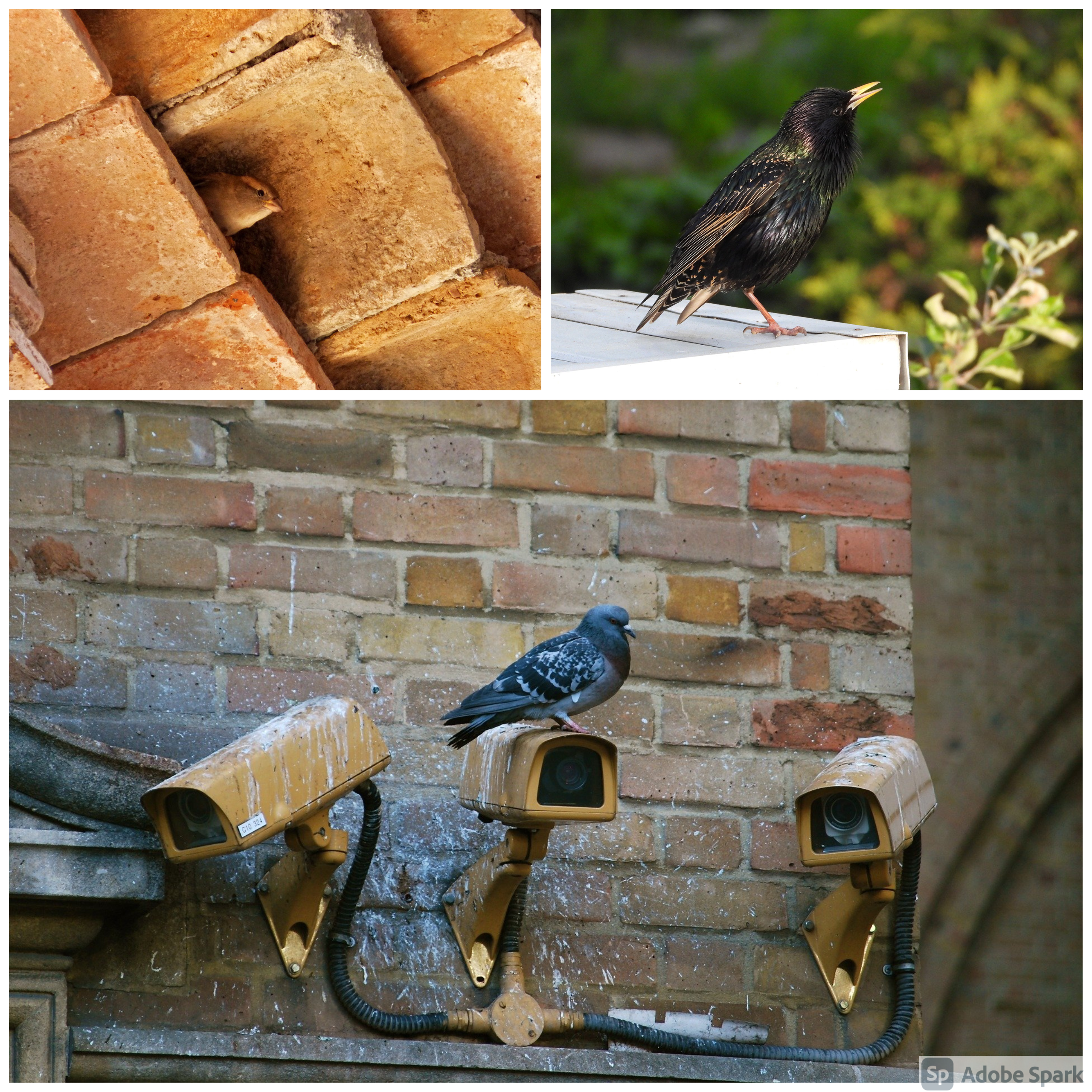
Nuisance birds like pigeons, starlings, and seagulls pose serious challenges for homeowners and business owners alike. Their droppings can damage roofs, gutters, and vehicles, while nests and debris often clog drains and vents, leading to costly repairs. Birds can spread bacteria and parasites that threaten health, and their constant noise and presence disrupt daily life.
For businesses, especially restaurants and warehouses, birds can contaminate food and products, creating both safety and regulatory concerns, while the unsightly accumulation of droppings and nesting materials can hurt property appearance and curb appeal.
Skunks are most active in early spring and late fall, often digging under sheds, decks, or foundations. Their digging damages lawns, and their spray is a persistent nuisance. We use humane traps and exclusion techniques to remove skunks and prevent future problems.
These animals dig extensive burrows in yards and gardens, undermining foundations and damaging landscaping. Critter Control identifies burrow systems, uses targeted trapping, and installs barriers to keep your yard critter-free.
Our Wildlife Removal Process
Whether you need us to remove a raccoon from your chimney, eliminate a rodent infestation or eliminate skunks from your backyard, all our Ann Arbor-based wildlife technicians are ready to help you protect your home or business.
STEP 1
Inspection & Identification
We inspect your property thoroughly to identify species, entry points, and nesting sites, ensuring accurate and humane removal plans.
Using safe, species-specific methods, our wildlife removal team humanely excludes or traps unwanted critters like squirrels, raccoons, rats, or opossums.
After animal removal, our wildlife exclusion services seal entry points using gnaw-resistant materials, preventing future infestations.
STEP 4
Sanitation and Restoration
The final step is to make your house safe. We clean up attic nesting sites, remove feces, apply sanitization agents, and treat for ectoparasites. In certain situations, we provide a full attic restoration. Replacing old, contaminated insulation with pest-resistant insulation provides a more efficient home and ongoing pest control.
Every wildlife problem in Brighton is unique, from squirrels nesting in historic attics to raccoons raiding trash bins near Prospect Park. Our proven 4-step wildlife removal process ensures that each situation is handled with care, expertise, and respect for both people and animals. By focusing on humane practices and permanent solutions, we help protect your home, your health, and the local ecosystem.
Squirrels are clever and persistent. Our squirrel removal methods focus on humane exclusion and prevention, ensuring minimal stress for the animals and long-term protection for your property.
Inspect attics, rooflines, chimneys, and walls.
Install one-way doors or cage traps
Seal all entry points
Attic remediation after squirrel infestation includes cleaning up nests and feces and applying sanitization and ecto-parasite agents
Raccoons are strong and crafty. Our raccoon removal process is designed to handle the challenges posed by these animals, using humane techniques for effective removal and prevention.
Bats like to roost in dark, undisturbed places like attics and wall spaces. Our bat removal process is humane and compliant with Michigan’s wildlife protection laws.
Inspect attics, chimneys, siding, walls for signs of bats
Install one way valve so bats can fly out, but not in
Seal all potential entry points and remove bat valve
Skunks are most active in Michigan during early spring and fall, often digging under porches or sheds. Our skunk trapping and removal methods are humane and effective, keeping your yard safe and odor-free.
Whether for your business or your home, the same techniques apply to get rid of nuisance birds. For pigeons, starlings, or swifts, we block where the birds roost. It’s safe, humane control for birds.
Locate and assess roosting areas on building.
Ethical and humane tactics to block birds.
Install exclusions and preventions.
Apply sanitization agents and cleanup bird droppings.
100% Money-Back GuaranteeYour satisfaction is always guaranteed. We provide reliable prevention from future intrusions. If you’re not satisified with the results of our work, we will issue a full refund, no questions asked.
In House Financing AvailableCritter Control offers in-house financing. Both standard and 90-day same as cash financing options have 12-,18-,24-, or 36-month options. Some projects might qualify for a budgeted plan up to 60 months.
Transparent PricingAt Critter Control, we offer up-front and transparent pricing. After the inspection, we provide a detailed proposal with price. There are never any hidden fees or surprise costs.
What types of animals does Critter Control remove in Brighton, MI?
We handle squirrels, raccoons, bats, opossums, skunks, groundhogs, moles, voles, and more.
Are your wildlife removal methods humane?
Yes, we use safe, species-specific, and humane techniques for all removals.
How quickly can you respond to a wildlife problem?
We offer prompt, local service and can often schedule same-day or next-day appointments.
Is Critter Control licensed and insured in Michigan?
Absolutely. Our team is fully licensed and insured for your protection.
Do you offer attic cleanup and repairs after animal removal?
Yes, we provide full cleanup, sanitation, and repair services to restore your home.
Can you help prevent wildlife from coming back?
We offer exclusion and prevention services to keep animals out for good.
What areas around Ann Arbor do you serve?
We serve Washtenaw County, including Ann Arbor, Ypsilanti, Brighton, Chelsea, Howell, Dexter, Milford, and Jackson.
Do you offer financing options for wildlife removal?
Yes, in-house financing is available to make our services accessible.
When wildlife seeks shelter, it looks for safe, warm, and protected areas. The opportunity to reside in your home may arise and when it does, the animal will take full advantage! We have found squirrels in homes, mice in walls, and bats in chimneys throughout Ypsilanti.
If you hear animal noises in your home, or smell something musky that could be a dead animal odor, call Critter Control. Our team will remove any wildlife problem and ensure protection from wildlife for seasons to come!
Common Wildlife Problems in Ypsilanti, MI
The 23,000+ acres of public parks and recreation areas bring beautiful opportunities for all. Hike, canoe, golf, bike, or simply relax in the natural scenery. Try any of the wide variety of restaurants available to you within Ypsilanti.
Legal and safety considerations are crucial when dealing with wildlife in Ypsilanti. Michigan law protects certain species and regulates removal practices to ensure humane treatment and public safety. Critter Control’s licensed professionals follow all state and local regulations, using safe, legal, and humane methods to remove animals and repair damage, so you can rest assured your home and family are protected.
Squirrels are among the most common nuisance animals in the area, especially in neighborhoods near Riverside Park and Depot Town. They often enter attics through small roof gaps, chewing on wiring and insulation, which can lead to fire hazards and costly repairs. Critter Control uses humane exclusion devices and repairs entry points to keep squirrels out for good.
Raccoons are notorious for overturning trash cans, nesting in chimneys, and causing significant damage to insulation and ductwork. Our team safely traps and relocates raccoons, then repairs and seals entry points to prevent future invasions.
Like most major cities with harsh winters, Ypsilanti has its share of rodent problems. Both rats and mice find shelter and food in residential areas and will build nests in homes to prepare for the long Michigan winters.
Bats are common in Ypsilanti, especially in homes near the Huron River and wooded parks. They roost in attics and wall spaces, entering through tiny gaps. Critter Control uses one-way exclusion devices to remove bats safely and legally, then seals entry points and cleans up hazardous guano.
Although bats can be a nuisance for home and business owners throughout the Michigan, they are protected by law and may not be harmed.
Opossums frequently take shelter under decks, porches, and crawlspaces, especially in older homes near wooded areas. We humanely trap and release opossums and block off access points to keep them from returning.
Nuisance birds like pigeons, starlings, and seagulls pose serious challenges for homeowners and business owners alike. Their droppings can damage roofs, gutters, and vehicles, while nests and debris often clog drains and vents, leading to costly repairs. Birds can spread bacteria and parasites that threaten health, and their constant noise and presence disrupt daily life.
For businesses, especially restaurants and warehouses, birds can contaminate food and products, creating both safety and regulatory concerns, while the unsightly accumulation of droppings and nesting materials can hurt property appearance and curb appeal.
Nocturnal by nature, skunks can cause plenty of damage when burrowing for food and shelter. Although it is legal to kill a nuisance skunk on your property, please leave removal to a trained specialist. Not only is their spray foul-smelling and hard to remove, but skunks in the Detroit area also have been known to carry rabies.
These burrowing animals can destroy lawns and gardens throughout Ypsilanti and the surrounding countryside. Critter Control identifies burrow entrances, uses targeted trapping, and installs barriers to protect your yard.
Our Wildlife Removal Process
Whether you need us to remove a raccoon from your chimney, eliminate a rodent infestation or eliminate skunks from your backyard, all our Ann Arbor-based wildlife technicians are ready to help you protect your home or business.
STEP 1
Inspection & Identification
We inspect your property thoroughly to identify species, entry points, and nesting sites, ensuring accurate and humane removal plans.
Using safe, species-specific methods, our wildlife removal team humanely excludes or traps unwanted critters like squirrels, raccoons, rats, or opossums.
After animal removal, our wildlife exclusion services seal entry points using gnaw-resistant materials, preventing future infestations.
STEP 4
Sanitation and Restoration
The final step is to make your house safe. We clean up attic nesting sites, remove feces, apply sanitization agents, and treat for ectoparasites. In certain situations, we provide a full attic restoration. Replacing old, contaminated insulation with pest-resistant insulation provides a more efficient home and ongoing pest control.
Every wildlife problem in Ypsilanti is unique, from squirrels nesting in historic attics to raccoons raiding trash bins near Prospect Park. Our proven 4-step wildlife removal process—inspection, humane removal, exclusion, repair, and sanitation—ensures that each situation is handled with care, expertise, and respect for both people and animals. By focusing on humane practices and permanent solutions, we help protect your home, your health, and the local ecosystem.
Squirrels are clever and persistent. Our squirrel removal methods focus on humane exclusion and prevention, ensuring minimal stress for the animals and long-term protection for your property.
Inspect attics, rooflines, chimneys, and walls.
Install one-way doors or cage traps
Seal all entry points
Attic remediation after squirrel infestation includes cleaning up nests and feces and applying sanitization and ecto-parasite agents
Raccoons are strong and crafty. Our raccoon removal process is designed to handle the challenges posed by these animals, using humane techniques for effective removal and prevention.
Bats like to roost in dark, undisturbed places like attics and wall spaces. Our bat removal process is humane and compliant with Michigan’s wildlife protection laws.
Inspect attics, chimneys, siding, walls for signs of bats
Install one way valve so bats can fly out, but not in
Seal all potential entry points and remove bat valve
Skunks are most active in Michigan during early spring and fall, often digging under porches or sheds. Our skunk trapping and removal methods are humane and effective, keeping your yard safe and odor-free.
Whether for your business or your home, the same techniques apply to get rid of nuisance birds. For pigeons, starlings, or swifts, we block where the birds roost. It’s safe, humane control for birds.
Locate and assess roosting areas on building.
Ethical and humane tactics to block birds.
Install exclusions and preventions.
Apply sanitization agents and cleanup bird droppings.
100% Money-Back GuaranteeYour satisfaction is always guaranteed. We provide reliable prevention from future intrusions. If you’re not satisified with the results of our work, we will issue a full refund, no questions asked.
In House Financing AvailableCritter Control offers in-house financing. Both standard and 90-day same as cash financing options have 12-,18-,24-, or 36-month options. Some projects might qualify for a budgeted plan up to 60 months.
Transparent PricingAt Critter Control, we offer up-front and transparent pricing. After the inspection, we provide a detailed proposal with price. There are never any hidden fees or surprise costs.
What types of animals does Critter Control remove in Ypsilanti, MI?
We handle squirrels, raccoons, bats, opossums, skunks, groundhogs, moles, voles, and more.
Are your wildlife removal methods humane?
Yes, we use safe, species-specific, and humane techniques for all removals.
How quickly can you respond to a wildlife problem?
We offer prompt, local service and can often schedule same-day or next-day appointments.
Is Critter Control licensed and insured in Michigan?
Absolutely. Our team is fully licensed and insured for your protection.
Do you offer attic cleanup and repairs after animal removal?
Yes, we provide full cleanup, sanitation, and repair services to restore your home.
Can you help prevent wildlife from coming back?
We offer exclusion and prevention services to keep animals out for good.
What areas around Ann Arbor do you serve?
We serve Washtenaw County, including Ann Arbor, Ypsilanti, Brighton, Chelsea, Howell, Dexter, Milford, and Jackson.
Do you offer financing options for wildlife removal?
Yes, in-house financing is available to make our services accessible.
By County:Livingston County, Oakland County, Washtenaw County
Ann Arbor
Barton Hills
Brighton
Chelsea
City of Ann Arbor
City of Howell
Dexter
Fowlerville
Highland
Howell
Manchester
Milan
Milford
New Hudson
Northville
Pinckney
Saline
South Lyon
Whitmore Lake
Ypsilanti
Best Bird Control in Ann Arbor
Rodent infestations can be quite serious for Ann Arbor homeowners.
Unfortunately, rodents are such pests that their populations can increase quite dramatically and quickly (they can have up to 140 mice per year!). Homeowners in the Livingston, Washtenaw, Jackson, and Southwest Oakland areas—call our office today for effective rodent control, including rodent trapping and prevention.
Rodents can spread salmonellosis, leptospirosis, rat-bite fever, and tapeworms! Humans can contract diseases from mice by coming into contact with or accidentally consuming their urine and feces.
Rats and mice can destroy wall insulation and stored items such as books and paintings, and damage support beams and walls, which will worsen over time! House mice also chew on electrical wires, which can lead to electrical shorts and even fires.
As soon as rodents get into food storage containers, they render the food inedible to humans.
Mice like to dig up freshly-planted grains, chew up crops before harvest, gnaw through containers and walls, and even contaminate packages with their urine and droppings!
How to Identify a Rodent Problem
Droppings:Rats and mice both leave behind small, dark pellets. They are commonly found near food sources, in cupboards, under sinks, and along walls. Fresh droppings will appear moist and shiny, while older ones will be dry and crumbly.
Gnaw Marks: Rodents constantly gnaw to keep their ever-growing teeth in check. Look for gnaw marks on wood (like baseboards, door frames, and furniture), plastic containers, food packaging, wires, and pipes. Rat gnaw marks are usually larger and rougher than those left by mice, often appearing as paired grooves.
Odd Pet Behavior: Cats and dogs will stare at a wall, paw under a refrigerator, or even bark when they sense mice are present.
Smudge Marks: When mice travel along baseboards or walls, they often leave dark smudge marks of dirt and oil along their path.
Foul Odor: When the urine of mice begins to accumulate, you might be aware of an ammonia smell.
Scratching Noises and Other Sounds: Rodents are primarily nocturnal, so you’ll most likely hear them at night. Listen for scratching, scurrying, or squeaking sounds from walls, ceilings, attics, basements, or crawl spaces. These noises indicate active movement and can strongly indicate a hidden infestation.
How Do Rodents Get Into Your Home?
Rodents can enter your home through small cracks, crevices, and holes. Did you know a rodent can fit through a hole the size of a quarter? It’s important to thoroughly check your home for potential rodent entry points.
Rodents are most attracted to food and water sources. To prevent a rodent infestation, ensure that you properly store all food and garbage, and fix any leaky faucets. One of the most common places rodents infest is the attic. Read about how to remove rodents from your attic here.
Once rodents get into your home, it can be hard to get rid of them. Rodents are also notorious for multiplying quickly, causing many rodent problems to get out of hand. Our experts are experienced in rodent removal, control, and rodent-proofing.
Norway rats: Typically gray or brown, Norway rats can reach nearly 15 inches long, including their tail, which is about half that. Norway rats are the most common type of rodent worldwide, and the most common home invaders. They’re strong chewers and have even been known to chew through metal!
At Critter Control in Ann Arbor, our process ensures we get rid of the rodents.
Rodent removal (mice, rats, and more)
Rodent extermination
Rodent damage control
Rodent management
Rodent-proofing
Trust the Rodent Removal Experts
Regardless of the size of your rodent control issue, our expert rodent control services will help resolve your rodent problem! Critter Control in Ann Arbor can install rodent traps and repair any entry points to make sure any rodent problems at your home or office are solved.
Please contact Critter Control in Ann Arbor today if you have a rodent problem—we can provide professional rodent control services for your home. Reach us for an estimate using the link below.
By County:Livingston County, Oakland County, Washtenaw County
Ann Arbor
Barton Hills
Brighton
Chelsea
City of Ann Arbor
City of Howell
Dexter
Fowlerville
Highland
Howell
Manchester
Milan
Milford
New Hudson
Northville
Pinckney
Saline
South Lyon
Whitmore Lake
Ypsilanti
Best Bird Control in Ann Arbor
We don’t usually think of birds as pests, but if you have birds that have flown into your home or are nesting or roosting on your property, they can become a serious problem that requires bird control. Flocks of birds create a hazard with their droppings, damage your roof and siding, and can rob your trees of fruit.
There are three common nuisance birds in Michigan: pigeons, starlings, and house sparrows. Blackbirds, crows, gulls, swallows, and woodpeckers are also known to cause trouble. All these bird species can damage your home and property, whether through destructive nesting habits or social activities (such as woodpeckers drilling).
Signs of a Bird Problem
Birds roosting on the roof, signs, or in the trees does not mean you have a bird problem. When birds start coming into conflict with people, you need a bird control solution. Those conflicts look like:
Bird Dropping Accumulation
Nesting Materials in Gutters, Vents, Signs, or Rooftops
Birds Nesting Inside or along Rooflines, Signs, Gutters.
Loud, Persistent Noises
Property Damage
Foul Odors
Damage from Birds
While birds may seem harmless at first glance, a bird infestation can lead to serious structural, health, and financial problems. Here’s how:
While birds may seem harmless at first glance, a bird infestation can lead to serious structural, health, and financial problems. Here’s how:
Structural Damage
Acidic Droppings: Bird droppings contain uric acid, which corrodes metal, concrete, stone, paint, and roofing materials. Over time, this can weaken building structures and lead to expensive repairs.
Nesting in Vents and Gutters: Birds often nest in gutters, vents, and chimneys, blocking airflow, causing water backup, and creating fire hazards.
Roof Damage: Birds can dislodge roofing tiles or shingles while nesting or roosting, allowing moisture to penetrate the structure.
Solar Panel Interference: Pigeons and other birds nesting under solar panels can cause overheating, reduced efficiency, and costly maintenance.
Health Hazards
Disease Transmission: Birds can carry more than 60 diseases that are transmissible to humans, including histoplasmosis, salmonella, and cryptococcosis.
Parasites: Bird nests often harbor mites, lice, fleas, and ticks, which can spread to people and pets.
Contaminated Air: Dried bird droppings can become airborne dust, especially near HVAC intakes, creating respiratory risks.
Equipment and Utility Damage
HVAC Systems: Birds nesting in or near air conditioning units or exhaust fans can clog filters and vents, reduce efficiency, and cause equipment failure.
Electrical Hazards: Birds pecking at wires or nesting near transformers can cause shorts, fires, or power outages.
Property Aesthetics and Value
Foul Odors and Unsightly Messes: Large amounts of droppings and debris smell bad and leave a poor impression on visitors or customers.
Stained Siding and Windows: Droppings and nesting materials can stain or damage exterior finishes, diminishing curb appeal.
Noise Pollution: Persistent chirping, squawking, or fluttering can disturb occupants and affect quality of life.
Bird Control Services in Ann Arbor
Trying to control Ann Arbor bird populations can be hard. Their ability to fly and create high nesting areas can make it hard for you to access or catch them. The best way to keep birds away is to make their landing places uncomfortable—a combination of bird deterrents, bird spikes, and bird repellents can be effective.
Both bird-deterrent methods and bird-proofing can make for a proven bird-control plan. Critter Control in Ann Arbor will work closely with you to complete successful and humane bird control and take back your property and business from birds. Call our office today or request an estimate below!
By County:Livingston County, Oakland County, Washtenaw County
Ann Arbor
Barton Hills
Brighton
Chelsea
City of Ann Arbor
City of Howell
Dexter
Fowlerville
Highland
Howell
Manchester
Milan
Milford
New Hudson
Northville
Pinckney
Saline
South Lyon
Whitmore Lake
Ypsilanti
Best Mole Control in Ann Arbor
Noticing mounds in your yard or tunnels through your grass? You might have moles digging through your yard.
Moles dig through yards and lawns, destroying plants, digging holes, and weakening structures on your property.
Moles are almost exclusively found outside and very rarely get into homes. Critter Control in Ann Arbor offers complete mole control services, mole trapping services, mole extermination, and mole removal services to get these pests off your property and keep them out for good. If you are facing mole damage on your property, please call Critter Control in Ann Arbor today!
Damage from Moles in the Yard
Moles can be a huge headache for homeowners and business owners who spend a lot of money keeping their landscapes looking nice.
Mole damage in the yard is not only aesthetically displeasing but can also be dangerous if someone steps in it and twists an ankle.
Because the tops of mole surface tunnels are so close to the surface of your yard, the hills of dirt are unpleasant to look at and can damage the plants and grass.
Moles’ underground systems offer protection from predators, a safe place to raise young, and a place to overwinter in cold regions.
Getting Rid of Ground Moles
The average homeowner and/or property owner usually does not have the expertise or time to monitor mole traps, so specialized services should be enlisted to address and resolve mole infestations and repair mole damage in the yard.
Flooding molehills is a mole removal method that is sometimes effective in the springtime. However, adult moles are usually able to flee and later re-inhabit the area.
Mole Trapping & Mole Extermination
Moles can be tricky to trap, and mole populations can be difficult to control on your own. Ann Arbor residents who suspect they have moles in their yard should call Critter Control in Ann Arbor! Our mole removal technicians specialize in fast, effective mole removal from yards.
We can help you get rid of mole problems and repair mole damage to your lawn. Call our Ann Arbor office today or request an estimate below!
If you’re hearing scratching in your attic, noticing droppings in your garage, or seeing damage to your home’s exterior, you’re not alone
Bucks County, PA, is home to a wide variety of wildlife that can become a nuisance for homeowners. Our experienced team handles everything from squirrels and raccoons to bats, skunks, and groundhogs, using proven, ethical methods to protect your home, your family, and local wildlife. Whether you live near Valley Forge National Historical Park or along the Schuylkill River, Critter Control is your trusted partner for safe, comprehensive wildlife management.
Common Wildlife Problems in Bucks County
Residents often encounter animals seeking shelter from harsh winters or looking for food during the warmer months. From historic towns like New Hope to the scenic Delaware River corridor, wildlife can find their way into attics, basements, crawlspaces, and even yards, causing property damage and health concerns.
When it comes to wildlife removal in Bucks County, PA, legal and safety considerations are paramount. Many species, such as bats, are protected by state and federal laws, and improper handling can result in fines or health risks. Critter Control is fully licensed and insured, and our technicians are trained to comply with all Pennsylvania regulations governing humane trapping, relocation, and exclusion. We prioritize the safety of your family and pets, using only approved, species-specific methods and ensuring that all removal and repairs are done to the highest standards.
Squirrels are the most common nuisance animal in the area, especially gray squirrels. They often enter attics through small roof gaps, chew on wiring and insulation, and create nests that can lead to fire hazards and costly repairs. Critter Control uses humane exclusion devices and repairs entry points to prevent re-entry.
Raccoons are notorious for breaking into attics, chimneys, and crawlspaces, especially near wooded areas and water sources like the Delaware River. They can cause significant damage by tearing insulation, contaminating spaces with droppings, and even spreading diseases. Our team uses humane trapping and exclusion to safely remove raccoons and restore your property.
Rats and mice are common in both urban and suburban settings, squeezing through tiny gaps to nest in walls and basements. They contaminate food, chew wires, and multiply rapidly. Critter Control provides comprehensive rodent removal and exclusion services to protect your home.
Bats are protected in Pennsylvania and often roost in attics, wall voids, and chimneys. They can squeeze through tiny openings and leave behind hazardous guano. Critter Control uses exclusion devices to allow bats to exit safely and then seals entry points, always following state guidelines.
Opossums frequently nest under decks, sheds, and crawlspaces. While generally not aggressive, they can create messes and carry parasites. Critter Control safely traps and relocates opossums, then seals off access points to prevent future issues.
Skunks are common in Bucks County, especially in spring and fall. They dig under porches and sheds, leave behind strong odors, and can carry rabies. Our team uses humane trapping and exclusion to remove skunks and prevent future problems.
Animals like moles, groundhogs, and voles can destroy lawns and gardens throughout the Delaware Valley. Critter Control identifies burrow entrances, uses targeted trapping, and installs barriers to protect your yard from ongoing damage.
Our Wildlife Removal Process
Wildlife problem is unique. Our proven wildlife removal process ensures humane and permanent solutions.
STEP 1
Inspection & Identification
Our team conducts a thorough inspection of your property, identifying the species involved, entry points, and nesting sites. We pay special attention to common entryways like rooflines, soffits, and crawlspaces, and consider seasonal factors such as winter denning or spring breeding.
Using safe, pest-specific methods, we humanely exclude or trap unwanted critters such as squirrels, raccoons, and opossums. Our approach minimizes stress for the animals and ensures compliance with Pennsylvania wildlife regulations.
We clean and sanitize contaminated areas, removing animal waste and damaged materials to protect your family’s health and restore your property to its original condition.
STEP 4
Remediation & Repairs
We clean and sanitize contaminated areas, removing animal waste and damaged materials to protect your family’s health and restore your home to its original condition.
Critter Control’s proven 4-step process is tailored to address the specific habits and risks associated with each species, ensuring humane, effective, and permanent solutions. Whether it’s squirrels in the attic, raccoons in the chimney, or bats in the eaves, our team adapts its approach to your property’s needs and the local ecosystem.
Squirrel Removal Process
Squirrel Removal Process
Squirrels are among the most common and persistent nuisance animals in Bucks County, PA. Our squirrel removal methods focus on humane exclusion and prevention, ensuring minimal stress for the animals and long-term protection for your home.
Inspect attics, rooflines, chimneys, and walls.
Install one-way doors or cage traps and remove babies safely when present
Squirrel exclusions seal all current and potential entry points for immediate squirrel control
Attic remediation after squirrel infestation includes cleaning up nests and feces and applying sanitization and ecto-parasite agents
Raccoon Removal Process
Raccoon Removal Process
Our raccoon removal process is designed to handle the challenges posed by these crafty animals. We use humane trapping and relocation, followed by thorough repairs and sanitation to ensure your home is safe and secure.
Full property inspection to determine raccoon damage, entry spots, and dens.
Live trapping is the most humane raccoon removal tactic
Raccoon exclusions repair any raccoon entry holes and strengthen all potential areas
Attic remediation after raccoon infestation includes latrine clean-up, ecto-parasite treatments, and insulation replacement
</>Rats and mice squeeze through quarter-size gaps to nest in walls, attics, and crawlspaces. Our rat and mouse control process is safe, compliant, and effective:
Our bat removal process is fully compliant with state regulations and prioritizes humane exclusion. We never harm bats or abandon flightless pups, and we provide thorough cleanup of hazardous guano.
</>
Inspect attics, chimneys, siding, walls for signs of bats.
Install humane bat valves
Seal entry holes and gaps
Sanitation and ecto-parasite treatments
Opossum Removal Process
Opossum Removal Process
Our opossum removal methods are safe and humane, focusing on effective removal and prevention. We ensure opossums are relocated without harm and take steps to prevent future infestations.
</>
Pinpoint and assess activity areas
Humane trapping and removal
Seal entry holes and gaps
Sanitation and ecto-parasite treatments
Skunk Control Process
Skunk Control Process
You are most likely to experience a skunk problem early in the year and again in the autumn. Our skunk trapping and removal methods are designed to handle the challenges posed by these animals, ensuring safe and humane solutions.
Locate skunk activity, damage and dens.
Humane live-trapping and removal.
Secure areas under porches, decks, and sheds to block denning areas
Moles and Groundhogs in the Yard
Moles and Groundhogs in the Yard
Groundhogs, moles, and voles can wreak havoc on lawns and gardens throughout the Delaware Valley. Critter Control uses proven methods to identify, trap, and prevent these burrowing pests, protecting your landscaping and property value.
Identify primary tunnels and burrow entrances.
Animal trapping.
Exclusion and prevention.
Ongoing maintenance program.
The Critter Control Difference
Trained SpecialistsLocal PA teams backed by 40+ years of humane wildlife removal experience.
Whole Home WarrantyOur whole-home exclusions come with a lifetime renewal warranty. If the animal returns inside after our repairs, we will take care of it at no additional cost.
In-House FinancingCritter Control offers in-house financing through Rollins Acceptance Company (RAC). Both standard and 90-day same as cash financing options have 12-,18-,24-, or 36-month options. Some projects might qualify for a budgeted plan up to 60 months.
Critter Control’s Money Back GuaranteeYour satisfaction is always guaranteed. We provide reliable prevention from future intrusions. Resolving a nuisance wildlife issue calls for more than trapping and removing the critter. If you’re not completely satisified, we’ll provide you a full refund. No questions asked.
Free, no obligation quotesOur process always starts with a free inspection. Our wildlife home inspector will then provide a comprehensive, no-obligation quote specific to your wildlife and pest problem.
What are some of the most common wildlife issues that homeowners face in Bucks County, PA?
We handle squirrels, raccoons, bats, skunks, groundhogs, moles, opossums, and more.
How do the seasons affect wildlife activity in Eastern Pennsylvania?
Summer is a season of building nests and preparing for fall, winter, and the next spring season. Fall, winter, and spring are seasons of elevated animal activity in homes.
What are some common signs of nuisance wildlife activity?
Pathways in insulation, as well as tunnels, nests, feces, and urine stains.
Are your wildlife removal methods humane?
Yes, we use safe, humane, and state-approved techniques for all wildlife removal.
When should homeowners call you?
Homeowners should call Critter Control when animal issues are suspected or for simple peace of mind, as inspections are free.
How quickly can you respond to a wildlife problem?
We offer prompt, local service and can often provide same-day or next-day appointments.
Do you offer attic cleanup and insulation replacement?
Our attic restoration service includes removing soiled insulation, applying sanitization agents, and replacing it with fresh, energy-efficient material. This leaves behind a space that’s cleaner, healthier, and protected against future wildlife intrusions.
Can you prevent critters from coming back?
Prevention is at the heart of what we do. After removal, we install exclusion repairs to keep animals out. We strengthen vulnerable entry points, seal gaps, and install barriers—ending the cycle of unwanted visits and letting you enjoy your home with confidence and relief.
Who can I call for dead animal removal?
If a non-domesticated animal dies in your house, we can safely remove it, apply sanitizing agents, and install exclusion measures. If there is a carcass from a domesticated animal, livestock, or large animal dead on your property, refer to the state regulations on carcass removal.
Is Critter Control licensed and insured in Pennsylvania?
Absolutely. Our technicians are fully licensed, insured, and trained in all state regulations.
What areas of Bucks County do you serve?
We serve Bensalem Township, Bristol Township, Levittown, Doylesville and the entire Delaware Valley.
Do you offer financing options for wildlife removal?
Yes, in-house financing is available to make our services can fit into any budget.
Is bat removal legal in Pennsylvania?
Yes, but it must be done humanely and in compliance with state laws—our team is fully trained for this.
By County:Livingston County, Oakland County, Washtenaw County
Ann Arbor
Barton Hills
Brighton
Chelsea
City of Ann Arbor
City of Howell
Dexter
Fowlerville
Highland
Howell
Manchester
Milan
Milford
New Hudson
Northville
Pinckney
Saline
South Lyon
Whitmore Lake
Ypsilanti
Best Mole Control in Ann Arbor
Did you find piles of droppings? Are bats flying out of your attic nightly?
Bats often find shelter in Ann Arbor homes during winter to escape the cold weather or to give birth to their young. Bats can easily enter attics through small openings or narrow gaps high on your house. They may also enter under loose-fitting doors, around windows, and through gaps around conduits and utility vents. Bats only need an entry hole the size of a dime. Bats prefer attics over closets or living rooms because it is similar to their native shelter (trees, caves, and crevices).
Signs of a Bat Problem in Ann Arbor
Guano. Otherwise known as bat droppings, guano will collect on your deck, windowsills, or attic floor.
Bat noises: You’ll hear bats chirping, squeaking, and scratching or rustling sounds at night or in the early morning
Stains. Bat fur is greasy, and any small areas they’re using to enter your home will become stained, appearing black and shiny.
Strange odors. Like many wildlife pests, bats stink, and the larger the infestation, the worse the smell. You’ll smell an ammonia-like odor from their urine.
It is not uncommon to hear about bats living in an Ann Arbor home. There are several reasons these mammals choose to make their nests in your home or attic.
Comfort: Bats look for warm and dry places to roost. A wall or attic’s warm insulation offers the perfect blanket during colder months. A roof over their heads keeps them dry and out of the rain during warmer months. With all these comforts easily accessible, bats may choose to wander into your living space during spring, summer, fall or winter.
Space for the whole family: Your home can seem like the perfect place to raise a family to a mother bat. A mother bat will give birth to one pup each year, however sometimes twins are born, and a few rare species may give birth to more than one a year. This can result in large bat colonies forming in your home. It is not uncommon that by the time most people see a bat inside their home, the bats have been roosting there for a few years. A bat colony can have anywhere from 20 to a few hundred bats.
Safety: Besides homes being dark and temperature-controlled, they are also safe from predators. Bats are able to rest in the dark, safe from predators. This is something they can’t always find outside in trees or caves — other common bat living spaces.
When is Bat Removal in Michigan?
All nine species of bats in Michigan are protected.
It is illegal to harm, kill, or capture bats without proper permits in Michigan during any time of the year. Each season there are specific time frames when bats can be safely and legally removed from areas, due to roosting and maternity seasons. The experts at Critter Control in Ann Arbor are educated on the laws and regulations surrounding bat removal. Our experts can safely, humanely, and legally remove bats and bat nests from your Ann Arbor home or attic.
Pup rearing season is from May 16 to July 31. It can be very difficult to humanely remove bats with a one-way door. Bat removal in Michigan requires a permit, either provided by the property owner or a nuisance wildlife control operator like Critter Control.
Bat Entry Points into Attics
Depending on the time of year and the species of bat, they enter attics either to hibernate or give birth. Attics offer the warmth, humidity, and shelter necessary for rearing young pups.
Bats gain access to attics through gaps in roof shingles, mortar, windows, doors, and home ventilation systems. Gable vents are a common bat entry point into the attic.
Conflicts that arise from bat infestations in the attic range from unsightly messes to health risks, and some of the less significant issues associated with bat presence include their persistent squeaking and the strong, musky odor emitted by their scent glands.
Bat Problems in Your Attic
One of the biggest bat problems is the collection of bat droppings, also called guano. Bat guano can introduce health risks to you and your family and damage your attic.
Guano provides a hospitable environment for the fungal spores that cause Histoplasmosis, a respiratory ailment, to grow. When droppings accumulate, the spores become airborne and can be inhaled by residents. During bat removal, the Critter Control experts wear respirators to protect themselves.
Bat guano collects under the roost location. The longer an infestation, the larger the pile of bat droppings. They can contaminate your insulation and weaken your ceiling.
In rare cases, a bat can find itself in the living space of your home. It is exceedingly rare for bats to bite you, but it can be difficult to find a bat bite spot. Additionally, bats are known carriers of rabies. If someone has been in the same room with a bat, it is prudent to seek medical attention or contact the local health department.
How to Get Rid of Bats in Your Attic
Not only do bats provide environmental and economic benefits, but bat populations are also threatened. Human behavior like wind turbines and pesticides hurt bat populations. White-nose syndrome is a fungal disease that spreads through bat colonies and has almost eliminated the Northern long-eared, little brown, and tri-colored bats.
Before you attempt a DIY bat removal, there are state and federal protections for bats. It is illegal to kill or trap bats in the attic. If flightless pups are present, you cannot install bat exclusions. Finally, without proper protection, amateur bat control can put your health at risk.
Problems with Bats in Walls
Bats like to be up high, which is why attics and chimneys tend to be the most popular bat nesting areas in homes. However, large bat colonies may outgrow these small spaces and find ways inside wall cavities and get access to lower areas of your home. A bat may lose direction and accidentally end up in weird places, like the first floor of a two-story house or in the basement. If you find bats in these strange places, it could be an indication that the colony infesting your home is quite large.
Baby Bats in Wall Voids
When homeowners seal off access points to exclude a colony of bats in the walls, newborn bat pups may remain in the roost. These juveniles are flightless and depend on their mothers for roughly the first three months of their lives. For this reason, residents should avoid bat-proofing homes from May to July.
Getting Rid of Bats in Walls
Attempting to seal entrances without removing all bats first can also push the pests into other areas of the home. Bats without an exit route are more likely to find their way into living spaces, looking for a way out. Residents who discover bats in house walls or elsewhere should contact the wildlife experts at Critter Control.
Why Do Bats Roost in Chimneys?
Chimneys provide easy access entry points for bats. These animals enter chimneys to hibernate and reproduce. Homeowners with a maternity colony of bats inside their chimneys may have a long-lasting problem on their hands. The animals have strong homing instincts and usually return to the same roosts. A bat can live for over six years, and females give birth to a litter of pups every season.
Issues with Bats in Chimneys
Wherever they roost, Bat droppings (or guano) and urine accumulate. The build-up of guano on bricks and shingles leads to a musty odor and contaminated runoff during rainstorms. Bats in chimneys also create dark, oily stains similar to those left by rodents.
Any time bats live near humans, there is a definite risk of contracting rabies from a bite. Even a dead bat can spread the disease. In addition, airborne spores produced in the pests’ droppings may transmit histoplasmosis to humans.
How to Get Bats Out of a Chimney
If you do have bats in the chimney, keep the flue shut! Not only is exclusion the most effective way to deter bats from roosting in your chimney, but it is also the most humane and ethical bat control strategy.
Exclusion tubes – This device is a one-way exit, allowing bats in the chimney to leave but not to return.
Mesh screens – Placing wire mesh over the top of the chimney keeps bats out, though it is important to avoid trapping any animals inside.
Chimney caps – Similar to a mesh screen, a cap stops pest wildlife from entering.
Important caveat- you cannot install bat exclusion if baby bats are present. During summer months, colonies of bats roost in chimneys.
Professional Bat Removal Services
Our specialist will use or create a bat valve specifically for your home. Once the bat valve is installed, all other entry points will be sealed, allowing bats to exit only through the valve. The removal process typically takes 3–7 days. Our specialist will perform a final attic inspection before removing the valve. After removing the valve, the final entry point will be sealed, leaving your home bat-free.
Remember that many states have regulations preventing bat control during maternity season. Call a Critter Control professional for details in your state. They know the rules regarding each bat species, ensuring you remain compliant with the laws.
Bat Exclusion
Some bats return to the same roost year after year. Preventive exclusion is the best way to keep bats from entering your home. Because bats are not gnawers like rodents, they only utilize existing entry points to enter your home. We practice bat exclusions not bat extermination!
While you may not want them inside your home, bats are important to the ecosystem. Bats help reduce insect populations and pollinate many flowers and crops we use daily. An estimated $1 billion annually can be saved from crop damage caused by bats. They disperse seeds, which help replant trees and plants.
Humans aren’t the only ones who enjoy warm Florida weather. The bees are here, too. Florida has several types of native bees—about 315 species! While bees provide benefits, such as making honey, they can also be considered pests and even a danger if you are allergic to bee stings.
Critter Control of Sarasota is here to help you whenever you run into an infestation. Our insect and animal experts know how to humanely and effectively get rid of any pest problem you have. The professionals at Critter Control can safely and humanely remove the squirrels and install solutions to prevent future squirrel problems.
How to Spot a Bee Problem
Have you noticed an increasing number of bees flying around the exterior of your home? Are you and your children getting stung? Did you find a beehive on your property, perhaps underneath a deck or near the corner of your garage door? Congratulations, you spotted a bee problem.
Only some bee species will cause harm by swarming; however, it is advantageous to hire a professional to remove the hive from the property. This is the only way to completely get rid of the bees.
Stings
If you’ve been stung on your property, you may have an active bee infestation, especially if it’s happened more than once or twice. Bee stings are painful and, in some cases, can be life-threatening due to allergic reactions. If you suspect you have an infestation, call a professional for bee removal rather than attempting it yourself.
Hives
Bee hives can vary in appearance based on species. Honey bee hives are large, waxy, and often hidden from plain view in a tree hollow, wall void, or similar cavity. Bumblebee nests tend to be smaller, less structured, and located underground or in a hidden area.
If you find one on your property, don’t attempt bee hive removal yourself. Bees sting when they feel threatened, which can be dangerous—especially if you’re allergic—so it’s best to hire a professional to handle the process.
Buzzing Sounds
Persistent, concentrated buzzing, especially near walls, trees, or sheds, is a clear sign of bee activity. While a few bees flitting about and buzzing around your home and garden throughout the day don’t automatically mean an infestation, loud, concentrated buzzing often does.
How Critter Control of Sarasota Gets Rid of Bees
Armadillo trap in the yard
As mentioned before, the only way you can get rid of the bees on your property is to remove the hive. You should know that you run a risk of getting injured if you attempt to remove an active hive (one that has bees traveling to and from it on a daily basis) on your own.
When bees feel threatened, they sting. Critter Control experts have the right tools and equipment to remove a hive without harming the property, the insects, or their home. We know how to transplant the bees to a new location if necessary.
Contact us today for a bee removal consultation. Meet with a knowledgeable professional in the Sarasota area who can help you with your bee problem.
Critter Control® is the leading company in the pest removal industry and is fully certified to take care of all your animal control needs.
Testimonials
Get them out. Keep them out.®
Experience wildlife or pest issues? We can help! Complete this form, and your local Critter Control® office will contact you to assist.
Opossums are particularly bothersome pests because they are so opportunistic. They can cause a variety of problems around your home and can be difficult to drive away.
Though they aren’t particularly aggressive or dangerous animals due to their size, they will still attack when threatened.
Why Are Opossums Around My House?
As opportunists, opossums will stick around any consistent source of food and shelter that they can find. Outdoor trash cans provide a plentiful buffet for opossums, and they notoriously love to knock them over and root through them for food. This often results in trash being strewn about the area, creating a huge mess and giving homeowners a headache over and over again.
Since they do not like to make their own burrows or nests, opossums love to shack up in attics or crawlspaces. They will go wherever they can find a dark, safe space, whether it is on the outside or inside of your home. You don’t want to share your home with these critters, since they can carry many diseases, can cause damage to your home, and smell terrible. If they aren’t removed, opossums are perfectly happy to live under your roof and eat your trash.
Signs of an Opossum Problem in Sarasota
Opossums, like many of the creatures we encounter, are nocturnal. Unless you see an opossum, it may be difficult to discern whether the critters in your attic or yard are opossums, raccoons, squirrels, or rodents. But something is causing damage or keeping you awake at night with its scampering and vocalizations.
Strange Noises: Opossums are quite vocal and communicate using a wide range of sounds, including hissing, growling, clicking, and screeching.
Musky Smell: Opossums secrete a musky smell to mark their territory.
Gnaw Marks: If in your attic, under a porch, or in a shed, you might see gnawed wood and wires.
Feces:Opossum feces are about one to two inches long, smooth on the sides, and curled on the ends. Older feces can be covered in a white or yellowish mold.
Exterior Home Damage: Opossums will get into an attic by climbing up the side of a house or jumping onto a roof from a tree limb or power line. Their sharp claws can damage the roof and siding shingles.
Disappearing Pet Food and Toppled Garbage Cans: Opossums will eagerly feast on trash and pet food that is easily accessible.
Tracks: Opossum tracks look similar to human handprints because they have five toes on each foot.
Why Are Opossums Dangerous?
Opossums are shy critters and won’t attack people, but they still can spread diseases and damage your property.
Health Issues
Carry parasites like fleas and ticks.
Spread diseases including leptospirosis, tuberculosis, and toxoplasmosis
Property Damage
Gnawed wood and electrical wiring
Damaged gardens from digging and foraging
Scratch marks on siding or walls from climbing
How Critter Control of Sarasota Gets Rid of Opossums
Armadillo trap in the yard
The most effective way to expel opossums from your property is by trapping them. To do this, you will need either a one-door or two-door animal trap and bait. A one-door trap is preferred by trapping experts because it can capture larger critters like opossums, and the bait is more secure. Two-door traps perhaps encourage reticence in animals by suggesting it is safe to take the bait, since they can see a clear exit once in the trap. Either of these traps will yield satisfactory results if positioned strategically. For bait, use sweet-smelling fruit or wet pet food to attract scent.
Opossum Trapping
Trap placement is the most important aspect of capturing opossums. It needs to be located in a highly trafficked area like near a food source or the animal’s living area. Because they are nocturnal, set traps at night for better results. This will also prevent other critters like squirrels from getting caught in the trap by accident. Once you have caught the opossum, make sure you abide by state regulations on what you can do with captured wildlife.
Professional Opossum Control
Opossums are crafty animals that operate under the cover of night, so an inexperienced trapper often can get frustrated with a lack of results. At Critter Control® of Sarasota, we are industry leaders in wildlife management and can draw on more than two decades of trapping expertise to your aid. Our experienced wildlife experts use the most humane and efficient methods to tackle your opossum problem.
Testimonials
Get them out. Keep them out.®
Experience wildlife or pest issues? We can help! Complete this form, and your local Critter Control® office will contact you to assist.
One of the most common and destructive pests, mice can slip through small openings and quickly become a health and safety concern. Discovering you have mice in your home can be an unnerving experience, but it’s important that you act fast. If the problem is ignored, it will worsen as the mice begin breeding and their numbers increase.
There are two factors which make mice one of the critters most effective at infesting homes:
The gestation period of mice is only about 20 days
Mice reach sexual maturity anywhere from 40 to 60 days
These two factors combine to make mice prolific at reproducing. They can have litters of pups early and often. Theoretically, just one female mouse could have over 150 babies a year! If you don’t take care of your mouse infestation as soon as possible, it can quickly get out of control.
Signs of a Mouse Infestation
The most obvious signs of a mice infestation include:
Droppings and urine pools
Gnawing marks on wood, food containers, electric wires, and more
Odors originating from the attic or walls
Scratching, squeaking, or thumping noises in the walls or ceiling
Strange or unusual pet behavior
Seeing mice
Professional Advice: How to Keep Mice Out
How to make your home less desirable for mice:
Ensure all food containers are sealed
Don’t leave out pet food throughout the day
Keep trash cans closed inside and outside of your home
Clean up spilt food and regularly sweep or mop your floor
Mice damage your home and spread diseases. As they reproduce, these risks multiply.
Mice diseases
Hantavirus Pulmonary Syndrome
Lymphocytic Choriomeningitis
Leptospirosis
Salmonellosis
Damage from mice
Mice infestations subject home dwellers to scratching sounds as they burrow through walls and other structures.
They have a high rate of reproduction, which means more mice and more damage (with an average of 2000 offspring per year)
They leave their droppings and urine in the unreachable corners, leaving a foul smell
They cause continuous alarm tripping when they chew on alarm wiring
Mice infestation increases utility bills and potential fire outbreak from gnawed electronic appliances, insulation, and air duct pipes
Gnawing of walls and other structures to create tunnels
4-Step Process for Mice Control
Step 1: Inspect – The first thing we must do to assess a critter problem is to inspect your home. We need to verify the type of pest, its location, and the damage it’s caused. At this point, we can offer a free estimate and set a plan of action for removal. To learn more about our inspection process, visit our webpage.
Step 2: Remove – We use various techniques to remove mice from your home. The method that we use will be determined in the inspection process. Implementation of the chosen method will happen at this step. Because our technicians are skilled and knowledgeable about mouse behavior patterns, rest assured that this process will be very efficient.
Step 3: Repair – Any damage we find in your home caused by mice in your attic, we will repair. Keep in mind that critters leave behind damage and excrement in almost every situation, so it’s imperative a professional take care of the clean-up and removal of contaminated items, such as insulation.
Step 4: Exclude – Once we remove and repair the pests and their damage, we put in place preventive measures to keep the mice from coming back and invading your home again.
The Critter Control® Difference
A homeowner may be able to handle a mouse or two, but an infestation is a different matter. These must be dealt with quickly to avoid further population growth and potential problems. Fortunately, Critter Control® of Sarasota technicians can bring their vast experience with mice infestations to your unique situation, so that they can quickly and effectively eliminate the problem.
At Critter Control® of Sarasota, our technicians are passionate about keeping your home safe and pest-free. With decades of experience and a strong understanding of animal behavior, we can get rid of the mice in your attic and keep them out for good.
Testimonials
Get them out. Keep them out.®
Experience wildlife or pest issues? We can help! Complete this form, and your local Critter Control® office will contact you to assist.
If rats are in your home, finding out exactly where they are is crucial. It is important to remember that rats are nocturnal and are therefore typically found in dark places. Attics are popular places for them to be found, as are your walls, since they can seclude themselves in the dark and nest within your insulation. They will also try to stay near a food source. Droppings in your pantry are a good indicator that there are rats nearby.
Rats in Attics
Why do these little critters love your attic so much? Rats enjoy calm, warm places where they have easy access to food, which makes your attic the ideal home for them. There is plenty for them to chew on plus they have access to your attic insulation which makes great nesting material. Rats can fit through holes the size of a nickel, so it may be hard to tell when they have entered. However, if not dealt with promptly, they can inflict a lot of harm on your home and your family’s health.
Dangers from Rat Infestation
When rats get into your home, the results are disastrous. Rats are known to be major carriers of infectious diseases.
Hantavirus Pulmonary Syndrome
Rat-Bite Fever
Leptospirosis
Lassa Fever
They are also destructive to the structural integrity of your home, as they shred your insulation and gnaw on wiring, creating a dangerous fire hazard.
Damage to your personal belongings or stored goods
Damage to your insulation can increase your electric bills
Frayed wiring from their gnawing, creating a fire hazard
Ruined ceiling below your attic and walls due to their urine and feces soaking
Exposure to harmful diseases like leptospirosis and rat-bite fever
Gnawing marks on wood, food containers, electric wires, and more
Odors originating from the attic or walls
Scratching, squeaking, or thumping noises in the walls or ceiling
Strange or unusual pet behavior
Seeing rats
Professional Advice: How to Keep Rats Out
How to make your home less desirable for rats:
Ensure all food containers are sealed
Don’t leave out pet food throughout the day
Keep trash cans closed inside and outside of your home
Clean up spilt food and regularly sweep or mop your floor
4-Step Process for Rat Control
Here at Critter Control® Sarasota, we’ve come up with a proven 4 step process to locate and remove rats from your attic and keep them out for good.
Step 1: Inspect – The first thing we must do to assess a critter problem is to inspect your home. We need to verify the type of pest, its location, and the damage it’s caused. At this point, we can offer a free estimate and set a plan of action for removal. To learn more about our inspection process, visit our webpage.
Step 2: Remove – We use various techniques to trap and remove rats from your home. The method that we use will be determined in the inspection process. Implementation of the chosen method will happen at this step. Because our technicians are skilled and knowledgeable about mouse behavior patterns, rest assured that this process will be very efficient.
Step 3: Repair – Any damage we find in your home caused by rats in your attic, we will repair. Keep in mind that critters leave behind damage and excrement in almost every situation, so it’s imperative a professional take care of the clean-up and removal of contaminated items, such as insulation.
Step 4: Exclude – Once we remove and repair the pests and their damage, we put in place preventive measures to keep the rats from coming back and invading your home again.
The Critter Control® Difference
A homeowner may be able to handle a mouse or two, but an infestation is a different matter. These must be dealt with quickly to avoid further population growth and potential problems. Fortunately, Critter Control® of Sarasota technicians can bring their vast experience with rat infestations to your unique situation, so that they can quickly and effectively eliminate the problem.
At Critter Control® of Sarasota, our technicians are passionate about keeping your home safe and pest-free. With decades of experience and a strong understanding of animal behavior, we can get rid of the rat in your attic and keep them out for good.
Testimonials
Get them out. Keep them out.®
Experience wildlife or pest issues? We can help! Complete this form, and your local Critter Control® office will contact you to assist.
Florida is home to a variety snakes due to its warm, humid climate. As a result, it’s not uncommon to find one on your property. Fortunately, snakes are often more afraid of you than you are of them.
Snakes will stay away from you when they can, but if you approach them and they see you as a threat, they may get defensive. Unfortunately, most people cannot identify a venomous snake from a non-venomous one, which can leave you in terrible danger if you attempt to confront a snake yourself.
Signs of a Snake Problem
Snakes themselves rarely pose a safety risk to humans because they will not bite unless cornered or handled. Generally, a snake will simply frighten you with their simple presence.
On the whole, snakes are actually a positive feature in the ecosystem surrounding your home. After all, they eat pests like rodents, which are a harbinger of diseases that you definitely don’t want in your home.
In fact, the presence of a snake in your home often indicates a rodent infestation that can cause significantly more damage to your home than a simple snake. Since snakes often point to a bigger underlying issue, it’s a smart move to keep an eye out for these critters.
Signs of a snake in your house include shed skins and snake droppings. Due to the relatively secret nature of snakes, you might come across these signs and never see the snake itself. If you do come across a snake, don’t attempt to capture it. That’s a recipe for a snake bite.
How Critter Control of Sarasota Gets Rid of Snakes
Snake Repellant – If you have noticed snakes in your yard, or even just finding their shed skin, repellant can be a great option to discourage them from coming close to your property.
Snake Fences – A highly efficient way to prevent snakes from getting on your land is by installing a snake fence. They provide a simple barrier that cannot be passed or climbed by snakes. Snake fences are easy to put up and flexible, so any terrain can accommodate one.
Traps – Snake traps are safe and effective ways to remove snakes from your yard. Humane versions lure in the snake and trap it with a light adhesive which can be dissolved later for relocation.
Removal – Hiring a professional to remove the snakes from your property not only ensure the problem is resolved, but it keeps you and your family from harm.
Deterring Snakes
While there is no guaranteed solution to eliminate snakes from your lawn, you can easily make your yard less attractive to them. Snakes love places where they can hide. If you landscape your property and remove debris, you eliminate hiding places for the critters and make your yard less appealing to them. Fallen branches, shrubbery, and rocks are all perfect for snakes so by tidying up your yard; you remove what brought them there in the first place.
Testimonials
Get them out. Keep them out.®
Experience wildlife or pest issue? We can help! Complete this form and your local Critter Control® office will contact you to assist.
A cockroach skitters across the kitchen floor, a mouse makes a nest in the attic, a swarm of bees build a hive outside the front door… when Mother Nature begins to invade your home, it can create a world of problems for you. Fortunately, Critter Control of Sarasota can stop the problem in its tracks before the risk escalates and becomes more dangerous.
Natural and Effective
At Critter Control, we believe natural pest control is the best approach. With this in mind, we developed a treatment that has two effective factors: eco-friendly treatment and preventive measures.
Why You Shouldn’t DIY
With so many resources available, homeowners sometimes feel they can take care of the problem themselves. While it’s always a good idea to take preventive measures on your own to protect your house, pest removal and treatment is a different situation. Because of the high risks that come with pest infestations, it’s important to contact us once your property has been infiltrated by unwelcome guests. As leading experts in the pest control field, we know exactly how to handle each case with the right treatments, methods, and caution. It’s always better to be safe than sorry, and pest control is no exception.
The Critter Control Treatment
Once you call, one of our specialists will inspect your home and assess the infestation level. To avoid missing anything, each specialist will thoroughly look in every entrance, storage area, and nook and cranny for infestation. Once the assessment is completed, they’ll sit down with you and discuss the different treatment options with you and develop one best suited for your situation.
Our innovative treatments have been specifically designed to achieve two things:
Effectively eliminate the pest threat
Keep your home safe from harmful chemicals with an Eco-Wise product
Keeping our products green and environmentally friendly is a high priority at Critter Control. The last thing we want is to use anything that would damage your property or harm anyone living in the home.
Keep Them Out for Good!
A big part of pest control is learning how to prevent future infestations. Our specialist will teach you how to assess problem areas and offer preventative treatment options to keep your home safe and secure. To help lower your infestation risk in the meantime, remember to seal any cracks or entry holes, not leave food out, and keep the area clean.
Contact Critter Control of Sarasota today and take advantage of our effective, natural pest control and excellent customer service.
Testimonials
Get them out. Keep them out.®
Experience wildlife or pest issues? We can help! Complete this form, and your local Critter Control® office will contact you to assist.
Known for their round bodies and hard exterior, armadillos are easy to identify. Their armored bodies are like nature’s tank, providing reinforced plates along their back and sides as a natural shielding to potential threats. Armadillos are simple creatures who enjoy digging and burrowing, and while it might be enjoyable for them, it may cause problems with your foundation and other areas of your property. The professionals at Critter Control can safely and humanely remove the squirrels and install solutions to prevent future squirrel problems.
Where Do Armadillos Live in Sarasota?
they can often be found in fertile, suburban areas in search of grubs and insects in rich loose soil. However, armadillos can destroy your property in their hunt for food and shelter, and need to be captured and taken to a different location.
Signs of an Armadillo Problem in Sarasota
Armadillos seek areas with soil good for digging because it allows them to build their burrow shelters and find food easily. This is bad for homeowners for several reasons:
Burrows can compromise structural integrity of sidewalks or foundations of home
Other dangerous animals, like rattlesnakes, often move into abandoned burrows
Why Are Armadillos Dangerous?
Armadillos are traditionally harmless to humans, but they can still cause unintended damage to your home and property. They love to dig in search of bugs and vegetation, as well as to build their home. If an armadillo is living on your property, you’ll notice holes in your yard as well as feces, which they use to mark their territory.
Unfortunately, as they dig, they can harm your grass and kill your garden. Any power lines that you have underground are at risk as well. When Armadillos burrow, they can weaken the ground below the surface and create sinkholes.
Health Risks from Armadillos
Armadillos are one of the few animals known to carry leprosy. If you come into contact with one of these critters, or their feces or urine, you may be at risk for developing this disease. Leprosy can cause permanent damage to the victim’s eyes, skin, nerves, and limbs. Although leprosy is the most common disease among armadillos, they are also known to carry:
Rabies
Tapeworms
Salmonella
How Critter Control of Sarasota Gets Rid of Armadillos
Armadillo trap in the yard
These creatures are naturally timid and elusive, and like to scurry away and hide from humans. This makes them difficult to catch and remove. In addition, they are not attracted by baits like other animals. So, the most popular method of getting rid of them is trapping and relocation. Because trapping the critters can be complicated, homeowners are often frustrated when they attempt it on their own. But, the professionals at Critter Control® of Sarasota are here to ensure the capture and removal of all those pesky armadillos digging up your yard.
Critter Control® is the leading company in the pest removal industry and is fully certified to take care of all your animal control needs.
Testimonials
Get them out. Keep them out.®
Experience wildlife or pest issues? We can help! Complete this form, and your local Critter Control® office will contact you to assist.
At first glance, raccoons simply come off as hungry little rascals just looking for a bite to eat out of your trash cans. Unfortunately, there is a much greater threat hidden beneath the surface. Raccoons can find their way into your home undetected, and when that happens, the damage and dangers are substantial. Raccoons can cause physical damage to your home as they seek food and shelter, but they also run the risk of infecting you with diseases.
Where Do Raccoons Live in Sarasota?
The natural habitat for raccoons is usually heavily wooded areas, but due to rampant urbanization, they tend to show up wherever food and water are plentiful. Regrettably, this is typically where humans reside as well. Raccoons breed in the fall, which is when you have a higher likelihood of running into them as they seek a safe place to birth their young. One of the more fascinating aspects of these creatures is their hands, which have phenomenal dexterity. They have such impressive control in their hands that they can easily open doors and latches.
Signs of Raccoons
If the following signs are turning up around your house, you probably have a raccoon infestation.
Holes dug around your property
Uprooted or eaten plants in your garden
Droppings or a strong urine smell in or around your home
Trash strewn all over your property
Changes in the demeanor of your pets
Damage to the structure of your house, especially your garage, as the scavenge for food
Why Do Raccoons Enter Homes & Businesses?
Raccoons are looking for food, warmth, and shelter. Common reasons they invade properties include:
Unsecured trash & pet food Easy food sources attract raccoons.
Attic & chimney shelter Raccoons prefer warm, safe nesting sites, especially in winter.
Gaps & weak entry points Raccoons squeeze through vents, crawl spaces, softs, and roofing gaps.
Nearby water sources Birdbaths, pet bowls, and leaky pipes invite raccoons.
Why Are Raccoons Dangerous?
Most homeowners complain about raccoons getting into garbage bins and tearing up their trash. Like many other household pests, raccoons are foragers and will seek out human food, whether other items are available or not.
Raccoons also like to eat fish, so protect your property if you have a pond, lake, or similar water source. If you have a chicken coop or henhouse, ask a hardware expert about raccoon-resistant latches or knobs, and consider fencing the area as well.
If a raccoon gains access to your home and builds a nest for their young, their rummaging for food and searching for materials to build their nest may damage wiring, attic insulation, and other structural items. Moreover, as they make your house their home, their feces and urine can damage your attic insulation.
How Critter Control of Sarasota Gets Rid of Raccoons
Raccoon trap attached to roof
Critter Control specializes in squirrel removal. In order to remove a squirrel or family of squirrels on your property, our wildlife specialist will perform a thorough inspection to determine the severity of the problem. After the inspection, they will build a custom solution to trap, remove, and seal all entry points. They will also provide warranty options and an estimate for preventive services.
Sarasota Raccoon Removal Services
Trapping any animal may seem like an easy task – just put out the trap with some bait and the pest will go in, right? If only trapping nuisance animals were this easy! And in the case of raccoons, capturing these sly critters is a special challenge.
When our wildlife removal experts work to trap these unwanted critters, we evaluate:
Location – Is the raccoon outside messing up your yard and property, or has it made its way into your attic? This will help determine the trapping strategy.
Number of Raccoons – A mother raccoon who birthed young inside your home calls for much more attention to detail and care than would a solitary raccoon.
Trap Size – Since raccoons are the largest common nuisance mammal, they require large traps. Generally, the trap will need to be at least 32”x 12” for a raccoon to fit inside and engage the trap door.
Bait – Outdoor traps baited with meat can attract a variety of other animals, including a curious cat or small dog. Since raccoons are so crafty, a less careful animal is far more likely to be trapped. Each situation must be judged carefully to determine if bait should be used, and what kind.
Health of the animal – Traps must be checked often so that any animal inside does not suffer or die. As you can imagine, being stuck in the cage will put stress on an animal. So, it must not remain trapped for too long, especially if it is exposed to the elements.
Legal Regulations – Raccoon control must abide by Florida Fish and Wildlife regulations, which entail that the animal must be treated humanely. It is not legal to inflict harm on the trapped raccoon, nor is it legal to drive the animal to a nearby forest to release it.
Raccoon Exclusion & Prevention
Home exclusion is the most effective method for preventing raccoons and other nuisance wildlife from entering your home. It is essential to seal all current and potential entry points to prevent future squirrel infestations. After the squirrels have been removed, it is essential to prevent future squirrel problems. Whole home exclusions identify any potential entry point such as gaps around siding, vents, chimneys, and windows, to keep squirrels out of homes. We close the holes with materials squirrels cannot gnaw through.
Raccoon Exterminator and Florida Wildlife Regulations
The Florida Fish and Wildlife Conservation Commission is the governing body which oversees the treatment of all wildlife, including nuisance animals like raccoons. According to Florida Rule 68A-0.010, any raccoons which are considered a nuisance must be dealt with humanely. Because raccoon extermination is highly regulated, effective raccoon control is more complicated than it is for some other critters.
Professional Services for Raccoon Control in Sarasota
Raccoon trapping is best left to professionals, for all the reasons listed above. There are so many variables that affect the success of raccoon trapping, and the inexperienced will only be frustrated by either catching the wrong animal or not catching anything at all. In addition, improperly handling the animal after it is caught can lead to legal consequences.
As a fully licensed and certified animal control service, Critter Control® of Sarasota has years of experience with trapping and handling raccoons. We always use the most humane methods possible while still getting the job done. Contact us today to learn more about our services.
Testimonials
Get them out. Keep them out.®
Experience wildlife or pest issue? We can help! Complete this form and your local Critter Control® office will contact you to assist.
Squirrels can be a nuisance. They can eat all the seeds in birdfeeders and scatter the seeds they do not want. Squirrels will strip bark off trees and eat from your vegetable garden. More than a nuisance, squirrels nesting inside your house interrupt your day, damage your home, and increase health risks to you and your family.
The professionals at Critter Control can safely and humanely remove the squirrels and install solutions to prevent future squirrel problems.
Where Do Squirrels Live in Sarasota?
Squirrels may sneak into your home for safety from the outside. Poor weather conditions or dangerous predators can lead them to seek refuge in your home. If a female squirrel is pregnant, they will enter a dire search for a safe place to give birth to her young, and your attic can be just that.
Signs of Squirrels
Sounds. There’s a good chance you’ll hear a squirrel before you see any visual evidence. The sounds squirrels make are often described as scurrying, scampering noises. You might also hear chewing or gnawing sounds. Squirrels like building their nests in attics, so sounds will often emanate from there. Squirrel sounds are often mistaken for rat sounds, but there’s one key difference: squirrels are diurnal, so you’ll hear them during the day, whereas rats are nocturnal and will make more sounds at night.
Nests in Your Attic. Squirrels are well known for nesting in attics, as they provide a safe hideaway for squirrels to raise their young. The inside of an attic is also full of things for them to nibble and sharpen their ever-growing teeth on, like wood and insulation. When a squirrel chews the insulation on electrical wiring, the possibility of a house fire arises. Squirrels enter attics through crevices, gaps, and cracks in soffits, fascia boards, and eaves, or open vents or broken shingles in the roof. Once squirrels reach the attic, they have free reign of the house.
Damaged Roofing Materials. Another popular nesting site for squirrels is in the roof. Typically, they build these nests with roofing insulation. Take some time to carefully analyze your home’s exterior. Squirrels commonly damage roofs by:
Damaged Gardens. If you walk out to your garden to find it full of bite marks, a squirrel is one of the more likely culprits. Squirrels eat a variety of popular garden vegetables, including spinach, kale, corn, fruit, and nuts. Squirrels are equally drawn to fruiting trees like citrus, fig, apple, plum, and peach trees. Protecting your garden from squirrels can be as simple as installing a wire mesh cage around your garden and installing a metal collar around 6-8 feet up the trunks of vulnerable trees.
Squirrel Droppings Inside Your Home. Squirrel droppings are often confused for rat droppings, and vice versa. While rat and squirrel droppings do look similar—dark brown to black in color with blunted ends, around 3/8 of an inch long—they are found in different places around the home. Squirrel droppings are often found in attics or around tree trunks, while rat droppings are more common along baseboards, in cupboards, and behind large appliances like washing machines.
How Critter Control of Sarasota Gets Rid of Squirrels
Squirrel trap attached to roof
Critter Control specializes in squirrel removal. In order to remove a squirrel or family of squirrels on your property, our wildlife specialist will perform a thorough inspection to determine the severity of the problem. After the inspection, they will build a custom solution to trap, remove, and seal all entry points. They will also provide warranty options and an estimate for preventive services.
Sarasota Squirrel Removal Services
Depending on the severity of your squirrel problem, different types of traps may be used. These traps include:
One-way Door Traps – A humane way of encouraging the squirrel or other animal to leave on its own, without allowing them to re-enter your home.
Single Animal Live Cage – This trap is a simple yet effective, small box-shaped cage with a pressure plate. Once the squirrel walks in and activates it, the door closes and locks behind them.
Repeating Live Traps – Especially good for a large squirrel infestation, they can be placed over an entrance or exit that the squirrels frequently use. When trying to get through the opening, they find themselves in the trap as the door opens inward only, preventing them from escaping. These can be used for multiple squirrels at a time.
Squirrel Exclusion & Prevention
Home exclusion is the most effective method for preventing squirrels and other nuisance wildlife from entering your home. It is essential to seal all current and potential entry points to prevent future squirrel infestations. After the squirrels have been removed, it is essential to prevent future squirrel problems. Whole home exclusions identify any potential entry point such as gaps around siding, vents, chimneys, and windows, to keep squirrels out of homes. We close the holes with materials squirrels cannot gnaw through.
In addition, we strongly recommend a maintenance service. Like other rodents, squirrels have front teeth that continuously grow, which means they can gnaw a new way back into your home.
Precautions such as removing trees or tree branches on or near your roof can help prevent squirrel problems in your home. We also urge you to refrain from using bird feeders, as they are a huge attractant for squirrels and additional wildlife. After squirrel removal, we advise all our customers to remove food sources, such as accessible birdseed and acorns, if present, to maintain a squirrel-free home.
Testimonials
Get them out. Keep them out.®
Experience wildlife or pest issues? We can help! Complete this form, and your local Critter Control® office will contact you to assist.
If you’re hearing scratching in your attic, noticing droppings in your garage, or seeing damage to your home’s exterior, you’re not alone
Montgomery County, PA’s mix of suburban neighborhoods, wooded parks, and waterways makes it a hotspot for nuisance wildlife. Our experienced team handles everything from squirrels and raccoons to bats, skunks, and groundhogs, using proven, ethical methods to protect your home, your family, and local wildlife. Whether you live near Valley Forge National Historical Park or along the Schuylkill River, Critter Control is your trusted partner for safe, comprehensive wildlife management.
Common Wildlife Problems in Montgomery County
Residents frequently encounter issues with squirrels nesting in attics, raccoons raiding trash cans, bats roosting in eaves, and groundhogs burrowing under decks.
In Pennsylvania, wildlife removal is regulated to ensure the safety of both residents and animals. Critter Control is fully licensed and insured, adhering to all state and local laws regarding humane trapping, relocation, and exclusion. Our technicians are trained to handle protected species, comply with seasonal restrictions (such as the bat maternity season), and use only approved, humane removal methods. We prioritize your family’s safety and the well-being of local wildlife, ensuring every job is done legally and responsibly.
Squirrels are the most common attic invaders, especially in areas with mature trees like Lower Merion and Abington. They chew through soffits and wiring, risking fire hazards and costly repairs. Critter Control uses humane exclusion doors and repairs entry points to keep squirrels out for good.
Raccoons are notorious for overturning trash cans, nesting in chimneys, and causing structural damage. Our team safely traps and relocates raccoons, repairs damage, and installs exclusion barriers to prevent re-entry.
Rats and mice are common in both urban and suburban settings, squeezing through tiny gaps to nest in walls and basements. They contaminate food, chew wires, and multiply rapidly. Critter Control provides comprehensive rodent removal and exclusion services to protect your home.
Bats frequently roost in attics and wall voids, especially in older homes near wooded areas. Critter Control uses one-way bat valves and follows all state regulations to ensure safe, humane removal and thorough cleanup of guano.
Opossums often nest under decks and crawlspaces, creating messes and potential health risks. We humanely trap and release opossums, then seal off access points and remove attractants.
Skunks dig under porches and sheds, leaving behind strong odors and risking encounters with pets. We use live traps and exclusion techniques to remove skunks and prevent future problems.
Animals like moles, groundhogs, and voles can destroy lawns and gardens throughout Montgomery. Critter Control identifies burrow entrances, uses targeted trapping, and installs barriers to protect your yard from ongoing damage.
Our Wildlife Removal Process
Wildlife problem is unique. Our proven wildlife removal process ensures humane and permanent solutions.
STEP 1
Inspection & Identification
Our team conducts a thorough inspection of your property, identifying the species involved, entry points, and nesting sites. We pay special attention to common Montgomery County entryways like rooflines, soffits, and crawlspaces, and consider seasonal factors such as winter denning or spring breeding.
Using safe, pest-specific methods, we humanely exclude or trap unwanted critters such as squirrels, raccoons, and opossums. Our approach minimizes stress for the animals and ensures compliance with Pennsylvania wildlife regulations.
We clean and sanitize contaminated areas, removing animal waste and damaged materials to protect your family’s health and restore your property to its original condition.
STEP 4
Remediation & Repairs
We clean and sanitize contaminated areas, removing animal waste and damaged materials to protect your family’s health and restore your home to its original condition.
Critter Control’s proven 4-step process is tailored to address the specific habits and risks associated with each species, ensuring humane, effective, and permanent solutions. Whether it’s squirrels in the attic, raccoons in the chimney, or bats in the eaves, our team adapts its approach to your property’s needs and the local ecosystem.
Squirrel Removal Process
Squirrel Removal Process
Squirrels are among the most common and persistent nuisance animals in Montgomery, PA. Our squirrel removal methods focus on humane exclusion and prevention, ensuring minimal stress for the animals and long-term protection for your home.
Inspect attics, rooflines, chimneys, and walls.
Install one-way doors or cage traps and remove babies safely when present
Squirrel exclusions seal all current and potential entry points for immediate squirrel control
Attic remediation after squirrel infestation includes cleaning up nests and feces and applying sanitization and ecto-parasite agents
Raccoon Removal Process
Raccoon Removal Process
Our raccoon removal process is designed to handle the challenges posed by these crafty animals. We use humane trapping and relocation, followed by thorough repairs and sanitation to ensure your home is safe and secure.
Full property inspection to determine raccoon damage, entry spots, and dens.
Live trapping is the most humane raccoon removal tactic
Raccoon exclusions repair any raccoon entry holes and strengthen all potential areas
Attic remediation after raccoon infestation includes latrine clean-up, ecto-parasite treatments, and insulation replacement
Rats and mice squeeze through quarter-size gaps to nest in walls, attics, and crawlspaces. Our rat and mouse control process is safe, compliant, and effective:
Our bat removal process is fully compliant with state regulations and prioritizes humane exclusion. We never harm bats or abandon flightless pups, and we provide thorough cleanup of hazardous guano.
Inspect attics, chimneys, siding, walls for signs of bats.
Install humane bat valves
Seal entry holes and gaps
Sanitation and ecto-parasite treatments
Opossum Removal Process
Opossum Removal Process
Our opossum removal methods are safe and humane, focusing on effective removal and prevention. We ensure opossums are relocated without harm and take steps to prevent future infestations.
Pinpoint and assess activity areas
Humane trapping and removal
Seal entry holes and gaps
Sanitation and ecto-parasite treatments
Skunk Control Process
Skunk Control Process
You are most likely to experience a skunk problem early in the year and again in the autumn. Our skunk trapping and removal methods are designed to handle the challenges posed by these animals, ensuring safe and humane solutions.
Locate skunk activity, damage and dens.
Humane live-trapping and removal.
Secure areas under porches, decks, and sheds to block denning areas
Moles and Groundhogs in the Yard
Moles and Groundhogs in the Yard
Groundhogs, moles, and voles can wreak havoc on lawns and gardens throughout the Lehigh Valley. Critter Control uses proven methods to identify, trap, and prevent these burrowing pests, protecting your landscaping and property value.
Identify primary tunnels and burrow entrances.
Animal trapping.
Exclusion and prevention.
Ongoing maintenance program.
The Critter Control Difference
Trained SpecialistsLocal PA teams backed by 40+ years of humane wildlife removal experience.
Whole Home WarrantyOur whole-home exclusions come with a lifetime renewal warranty. If the animal returns inside after our repairs, we will take care of it at no additional cost.
In-House FinancingCritter Control offers in-house financing through Rollins Acceptance Company (RAC). Both standard and 90-day same as cash financing options have 12-,18-,24-, or 36-month options. Some projects might qualify for a budgeted plan up to 60 months.
Critter Control’s Money Back GuaranteeYour satisfaction is always guaranteed. We provide reliable prevention from future intrusions. Resolving a nuisance wildlife issue calls for more than trapping and removing the critter. If you’re not completely satisified, we’ll provide you a full refund. No questions asked.
Free, no obligation quotesOur process always starts with a free inspection. Our wildlife home inspector will then provide a comprehensive, no-obligation quote specific to your wildlife and pest problem.
What are some of the most common wildlife issues that homeowners face in Montgomery County, PA?
We handle squirrels, raccoons, bats, skunks, groundhogs, moles, opossums, and more.
How do the seasons affect wildlife activity in Eastern Pennsylvania?
Summer is a season of building nests and preparing for fall, winter, and the next spring season. Fall, winter, and spring are seasons of elevated animal activity in homes.
What are some common signs of nuisance wildlife activity?
Pathways in insulation, as well as tunnels, nests, feces, and urine stains.
Are your wildlife removal methods humane?
Yes, we use safe, humane, and state-approved techniques for all wildlife removal.
When should homeowners call you?
Homeowners should call Critter Control when animal issues are suspected or for simple peace of mind, as inspections are free.
How quickly can you respond to a wildlife problem?
We offer prompt, local service and can often provide same-day or next-day appointments.
Do you offer attic cleanup and insulation replacement?
Our attic restoration service includes removing soiled insulation, applying sanitization agents, and replacing it with fresh, energy-efficient material. This leaves behind a space that’s cleaner, healthier, and protected against future wildlife intrusions.
Can you prevent critters from coming back?
Prevention is at the heart of what we do. After removal, we install exclusion repairs to keep animals out. We strengthen vulnerable entry points, seal gaps, and install barriers—ending the cycle of unwanted visits and letting you enjoy your home with confidence and relief.
Who can I call for dead animal removal?
If a non-domesticated animal dies in your house, we can safely remove it, apply sanitizing agents, and install exclusion measures. If there is a carcass from a domesticated animal, livestock, or large animal dead on your property, refer to the state regulations on carcass removal.
Is Critter Control licensed and insured in Pennsylvania?
Absolutely. Our technicians are fully licensed, insured, and trained in all state regulations.
What areas of Lehigh County do you serve?
We provide wildlife removal in Norristown, Ambler, Collegeville, and all of Montgomery County.
Do you offer financing options for wildlife removal?
Yes, in-house financing is available to make our services can fit into any budget.
Is bat removal legal in Pennsylvania?
Yes, but it must be done humanely and in compliance with state laws—our team is fully trained for this.
Critter Control of Santa Barbara
Trusted Wildlife Removal in Santa Barbara County
Call for a Free Inspection Today. We proudly offer 10% discounts to seniors and active military. We are veteran-owned.
Finding evidence of pests or nuisance wildlife is alarming. Pests and animals disrupt your life, damage your home, and introduce health risks to you and your family.
Nuisance wildlife like raccoons, squirrels, rats, mice, opossums, bats, and birds are some of the most common household pests. Typical signs of pests and nuisance wildlife include unusual noises, strange odors, damage to the exterior of buildings, and paw prints or tracks.
For over forty years, we have been trusted to solve nuisance wildlife infestations, restore and repair their property, and protect their home from future infestations.
Critter Control Wildlife Removal Process
Critter Control is here for you every step of the way in the wildlife removal process. We were instrumental in defining the humane process to get rid of pests and wildlife. Over four decades, we have refined the process to safely and humanely remove wildlife from people’s property. We have the services you need to get rid of raccoons, squirrels, bats, rodents, and other pests effectively and efficiently.
STEP 1
Wildlife Inspection
Our inspections cover the entire house. Based on what you have seen, heard and smelled, we start the inspection where you have noticed signs of animal activity. The inspection process identifies the target pests, the size of the infestation, and animal entry points.
We develop a custom animal trapping and removal plan based on our whole home inspection. Humane wildlife strategies include animal traps, one-way doors, harassments techniques, pest repellents, and habitat modifications. Once we guarantee the animal is gone, we install exclusions for long-lasting pest control.
Exclusion techniques repair animal entry holes and strengthen potential ones. Exclusions provide immediate animal and pest control to your home.
Pests and nuisance wildlife damage your home. Inside your home, animals build nests and dens. They will create runs through the insulation and gnaw on electrical wires and pipes. Animals can also spread diseases. We apply sanitation agents to clean up feces and urine. Mammals can host pests like fleas, ticks, and mites. Ectoparasite treatments exterminate those pests so you don’t become their next host.
Raccoons are prevalent in Santa Barbara County. They are nocturnal masked bandits. They can cause significant damage to homes, offices, retail shops, restaurants, and other buildings. Their goal is to enter your home or building and create a safe place to sleep and have baby raccoons.
Raccoon maternity season is February to March so residents are most likely to notice raccoons in their attic from March to October.
They break vents, fencing, and screens that lead to the interior of your home. Once inside, they can destroy ductwork, rip insulation, scratch, and shred drywall and wood. They also leave large amounts of feces and urine that can stain the floors and walls.
Raccoons dig up your yard looking for insects, raid your garden, tip over trash cans and root through your garbage, and steal pet food that is not stored correctly. Here’s how we can help.
Inspection
During the inspection, we determine the severity of the raccoon infestation. We look for physical evidence like footprints in or around the home, stains from raccoon feces and urine. On the exterior of the house, we look for damage like scratches on boards, broken vents and screens, ripped apart shingles, destroyed soffits, and every possible entry point.
Raccoon Trapping
Live trapping is one of the most efficient ways to get rid of a raccoon. Depending on the situation, a one-way door or excluder valve can be installed. An excluder valve works by allowing the raccoon to leave but blocks its reentry. The choice of device is largely dependent on the season and location of the raccoons on your property. Direct capture is not commonly used because raccoons are a rabies vector species. If we must trap, we place traps strategically to safely catch the raccoons and we check traps frequently, based on state laws.
Repairs
We provide a wide range of repair and restoration services. We can repair raccoon damage like broken screens on vents and chimneys and broken boards on decks and porches. It is essential to apply cleaning agents and ectoparasite treatments on areas inhabited by raccoons.
Pest Control for Rats and Mice
Santa Barbara County home and business owners owners are susceptible to rat and mouse infestations. Attics, basements, restaurants, and sheds are sought out spaces for these nuisance animals to make their home. Rodents’ teeth grow throughout their lives, and they are notorious for chewing through electric wires, walls, and floors to create pathways to pantries, horse stalls, and restaurant storage areas. Rats and mice will contaminate food in pantries, and they also carry diseases including hantavirus, salmonella, and leptospirosis. They reproduce quickly and often, making it imperative to get rid of rats and mice quickly.
Inspection
During a rodent inspection, we thoroughly inspect your attic and provide a complete exterior home inspection. The most common signs of rodent activity are gnaw marks, feces, rub marks, nesting material, runs in insulation material, and small entry points.
Rodent Trapping
A Critter Control wildlife specialist will create a strategic trapping plan to remove the rodents found in your home. Critter Control specialists may use snap traps and live traps to capture and remove mice and rats. Rodent trapping can usually takes between five to fourteen days.
Repairs
The best way to reduce the possibility of letting unwanted rodents into homes is to seal possible entrances. Exclusion methods include caulking cracks in foundations, capping chimneys, and installing mesh covers over vents and crawl space entrances. We also strongly recommend a maintenance service. Rodents have front teeth that continuously grow, which means they can gnaw a new way back into your home.
Squirrel Removal
Various species of squirrel can be seen daily in our area: the Eastern gray squirrel, Eastern fox squirrel, Douglas squirrel, and the Western gray squirrel, which are the only native squirrels. Even squirrels like the west coast better.
Squirrels can do a lot of damage to your yard and home. Squirrels stay busy collecting items to build their nest or to store for the winter months. The problem is that too often, they are using your home as a nesting and storage site.
In their hoarding activities, squirrels break vents and screens climbing in and out of your chimney or attic. They tear shingles, dent gutters and spouting, raid your garden, gnaw on cables, strip bark from trees, and dig holes. Inside your home, they gnaw on wood, wires and use insulation for nests. They also leave feces and urine wherever they travel. We can get rid of your squirrel problem.
Inspection
Wildlife specialists look for signs such as chewing on, in, or around your home, small openings leading to the attic or the crawl space, droppings, and debris like nuts or nesting material. Beams, wires, pipes, and insulation may all show signs of damage from squirrels.
Squirrel Trapping
Live trapping or one-way doors are the most effective and humane ways to get rid of squirrels. One-way doors should never be used during birthing seasons (Spring & Fall), so our specialists will decide which is the best tool for the job. If we have to trap, we place traps strategically to safely catch the squirrels and check those according to state laws.
Exclusions for Control
We can restore your home or office by squirrel proofing all entry points after we have removed the offenders. We can also clean-up the nesting sites and remove any debris, food, feces and soiled insulation.
Bat Removal
With 25 species of bats in California, there are plenty of places you can go to watch them. Sometimes you can walk outside at night, and there they are, flying around pole lights, consuming insects. They eat thousands of insects every night, which is why they are an essential factor in our ecosystem.
You might not notice bats living in your attic, barn or outbuildings if it weren’t for two major flaws: their loud noises and their guano. One bat is not that noisy, but it will become a nuisance if you have a colony on your property. Bat guano, or feces, is heavy and smells awful. Bats allow guano to run down their bodies as they roost upside down. Because guano can grow mold spores, it can be harmful to humans if inhaled.
Touching a bat puts you in direct contact with guano since their fur is covered in it. Instead of trying to remove a bat yourself and putting yourself at risk, call our experts.
Inspection
We perform a full interior and exterior inspection and search for signs such as rub marks, guano, a strong scent of ammonia, and small openings. The most common sign is the accumulation of guano (feces).
Bat Removal
The most effective and humane way to remove bats is by utilizing a bat valve in conjunction with a full home exclusion. A bat valve allows for bats to exit your home but not re-enter. We follow all local ordinances for humane bat removal. We will never abandon flightless pups in your attic.
Bat Exclusion
After removing the bat valves, we seal the entrance hole(s) so bats can no longer enter your home. If there is substantial guano in your attic, you should consider taking advantage of our attic remediation services to remove the soiled insulation and replace it with a new layer of fresh insulation, which also can increase the R-value of your attic insulation.
Snake Control
Many different species of snake make their home in Santa Barbara County. Snakes tend to lurk in the tall grasses of yards and public spaces. Most native snakes are harmless, but southern pacific rattlesnakes can kill and are found in the area.
Additionally, since snakes set up their nests where food is present, and rodents are some of their favorite meals, finding multiple snakes on private properties may indicate secondary pest issues.
Inspection
Snakes are excellent at avoiding detection. We inspect your home for potential entry points and look for signs like snake skin and feces. Because a snake typically enters a home hunting for food, our wildlife inspector also looks for signs of a rodent infestation.
Removal & Control
We have a humane and safe way to trap and handle snakes. We relocate the snakes back into the wild.
Repairs
In addition to dealing with any possible rodent problem drawing snakes to your property, a specialist will assist with sealing possible entry points and also encourage you to remove any debris where snakes can easily take up residence.
Trained SpecialistsAnimal removal is a highly sophisticated job. As such, we vet and train our team members to ensure they have the knowledge and skill to remove any pest from your building. Our wildlife experts utilize advanced removal and exclusion techniques and damage repair.
Licensed and InsuredAt Critter Control, we are licensed and insured to handle a variety of pests and nuisance wildlife. You can have the confidence to know that Critter Control is qualified and accountable for wildlife control.
Guaranteed ServicesYour satisfaction is always guaranteed. We provide reliable prevention from future intrusions. Resolving a nuisance wildlife issue calls for more than trapping and removing the critter. Our whole home exclusions come with a one-year warrant.
Financing Available Critter Control offers in-house financing. Both standard and 90-day same as cash financing options have 12-,18-,24-, or 36-month options. Some projects might qualify for a budgeted plan up to 60 months.
SafetyGuaranteeing the safety of both humans and animals is our number one priority. Our wildlife specialists are trained to protect our human customers and keep everyone safe while ensuring the animals we are removing for you are handled using the most humane tools and techniques.
Residential and Commercial Invading nuisance wildlife can wreak havoc on property. If left unattended, wildlife and pests can cause costly property damage. Whether a residential property, apartment building, retail store, office building, industrial plant, medical facility, or warehouse, our trained professionals can handle any wildlife removal problem.
Locally Owned and OperatedEach Critter Control franchise location is locally owned and operated. Our experts are trained in your local animal and pest populations to identify your infestation, spot existing and potential issues and deliver the most comprehensive solutions that start working immediately.
What are some of the most common wildlife issues that homeowners face in your area?
We commonly see issues caused by raccoons, rodents, squirrels, opossums and skunks.
How do the seasons affect wildlife activity in your area?
In the spring/summer: we see breeding activity, which includes attic nesting. In the fall/winter: we find rodents and raccoons seeking shelter in and around homes and businesses. We really have year-round activity due to our mild coastal climate.
What are some common signs of nuisance wildlife activity?
Any prevention or exclusion tips for residents in your area?
Seal entry points, install chimney caps, trim trees away from roofs, secure your trash, remove attractants and repair any vents on your home or business.
When should homeowners call you?
At the first sign of any noise, droppings, damage, or if animals are seen entering/exiting the home.
This franchise is independently licensed and operated by Sonni Ventures LLC, dba Critter Control of Santa Barbara, CA.
Your critter is gone, but what about the droppings left in your attic or crawlspace? Damage to your insulation can lead to foul odors and mold. Not only is this unpleasant, but it can also become a health hazard if it is not properly taken care of.
Soiled insulation can sit against support beams or drywall and cause rot and degradation to the structural integrity of your home. Soiled insulation can also be a health hazard as it holds dangerous materials left over from animals. Animal droppings leave behind chemicals that are dangerous when breathed or touched.
Benefits of Replacing Insulation
Replacing your insulation can keep your home safe, improve your air quality, and improve your home’s energy efficiency. Replacing the insulation will also rid the space of any odors or mold trapped in the insulation.
We have the proper equipment necessary for attic insulation removal.
Our specialists can prepare a quote for most major insurance companies to get your attic back into shape in no time. A properly insulated attic or crawlspace will pay for itself in energy savings.
Restoration Services after Wildlife Removal
Odor Control/Remediation in Seattle
Unpleasant odors in your home can come from many sources, but if you can’t quite find the culprit, there could be an animal in your home. The smell could be caused by a wild animal directly (dead or alive) or indirectly (urine, feces, nesting material, etc.). Animals can leave odors long after they are gone.
When we come to your home, we will identify the source of the odor and proceed to eliminate it. We will clean the surfaces and eliminate the odor for good with our special deodorizers, disinfectants, neutralizers, and air purifiers.
The easiest way to find the cause of wildlife animals in your Seattle home is to follow your nose. Common places for deceased animals include your walls, vents, and attic.
It is important to act quickly with animal odors because animal waste can seep into the surrounding structure and stay for long periods of time. Insulation and drywall are the most commonly affected materials, and they even have to be replaced in some cases.
Animal Latrine Removal
Animals such as raccoons and opossums will continuously come back and defecate and urinate in the same area or areas. Over time this waste builds up and can be a host to many dangerous toxins and diseases.
Results of Latrines
In addition to the disease transmission, droppings and urine can harbor moisture which can cause structural damage. Mold can also start to grow in the area which is a health hazard.
Location of Latrines
Latrines can be established anywhere the animals are, whether it is in the crawlspace, attic, or outside by a tree. Racoons prefer flat areas that are raised off the ground.
Cleaning Latrines
Cleaning latrines can be dangerous. They may contain roundworm which can cause roundworm disease. To protect yourself while cleaning latrines, wear gloves, disposable booties, and an N-95 mask. Be sure to wash your clothes when you’re complete. Never use a vacuum or leaf blower to clean latrines.
Dead Animal Carcass Removal and Remediation
If an animal dies in your attic or vents, they are usually easy to remove. However, if an animal dies in your walls, you may not know where to begin to get it out. The experts at Critter Control in Seattle know how to cut open your drywall to remove the deceased animal while making as little damage as possible. We will then repair any holes we had to make to remove the animal and disinfect the space with our commercial-grade disinfectants and odor removers.
Dead animals leave a horrendous smell in your Seattle home, property, or business. The carcass of the dead animal can lead to health hazards, insect infestation, stains, and lingering odors. In addition, the secretions from the dead animal as it decomposes can cause damage to the surrounding material in the structure if inside. This can cause rot and degradation to drywall, support beams, and insulation. The animal’s size also affects how long it takes to decompose. After removing the animal(s), we have special deodorizers, disinfectants, neutralizers, and air purifiers to make that horrible smell go away.
Rats can access entry points much smaller than their bodies. The scratching noises in the attic, gnawing and chewing sounds, and scurrying noises may be a Roof Rat, Norway Rat, or Pack Rat.
Our technicians are experts at rodent extermination and remediation. We have the experience to identify your rat control problem and create an effective plan of rat trapping and removal, damage repairs, and rat-proofing. Call Critter Control in Seattle and schedule your appointment today!
Identify Your Rat Problem
Do you need help identifying what type of rat is nesting in your home?
Did You Know?
Rats prefer to be within 150 feet of food, water, and shelter to find a suitable place to nest.
Roof Rats In The Seattle Area
Roof rats are more slender in build with a tail that is as long as, or longer than, the rat’s body. They are dark brown or black, with a lighter underbelly and large ears. As their name suggests, they are most often found in the areas under a roof. Attics, vaulted ceilings, and upper crawlspaces are preferred places for these critters to live and hide. They prefer to travel high on fences and power lines when possible and are often mistaken for squirrels during diagnosis.
Norway Rats In The Seattle Area
Norway rats are light to dark brown in color with a slightly lighter underbelly. They are a stockier, heavier-bodied rat with smaller ears. Their tail is long, but not as long as that of a Roof rat. These rats prefer to inhabit lower spaces such as crawlspaces and basements but can also occupy higher spaces such as attics and vaulted ceilings.
Pack Rats (Wood Rats) In The Seattle Area
On rare occasions, we see Pack rats. These are very large rats with a habit of stealing shiny or interesting items, which they put into a nest. They act much more territorial than Norway or Roof rats and have been known to “mark” their territory like a dog would. They also tend to have a higher tolerance to rodenticide and can be quite aggressive. They are gray in color and have large ears and a hairless tail. These rats do not often enter homes and usually choose to build nests in crevices or natural areas.
Problems with Rats
Rats are nocturnal, meaning they are active and awake at night. They are often discovered by hearing scratching, gnawing, chewing, and scurrying noises inside walls, floors, and crawlspaces, and above ceilings.
Because their front incisors are always growing, rats constantly have to chew on things, like wood, to keep their teeth trimmed. This habit can cause them to even chew on or through electrical wires.
How Rats Get Inside the Home
Rats can fit through gaps much smaller than their bodies; they have been known to get into holes as small as a quarter! They are much less likely to chew their way in than a squirrel would be. They are more likely to act as creatures of opportunity. They will find a small gap in between two pieces of lumber, concrete, brick, wire, and more, and make themselves at home.
Professional Rat Control in Seattle
Critter Control in Seattle not only handles larger wildlife such as raccoons, but we are also experts at rodent extermination and remediation. We deal with two primary species of rat: the Norway rat and the Roof rat.
Do you suspect a squirrel problem in your home or business? Squirrels are known to nest in the attic, crawl space, eaves, and more! The scurrying noises you are hearing may be a Douglas Squirrel, Eastern Gray Squirrel or Northern Flying Squirrel.
Tree squirrels normally grow up to about one foot long. Their coarse and grizzled coats are often different shades of gray, brown, or black. Tree squirrels usually have light-colored bellies.
Ground squirrels usually have shorter tails and fur than tree squirrels do, and are smaller in size. The fur of ground squirrels is usually red-gray or smoky brown, with patterns of black spots or stripes.
Flying squirrels are the smallest of the three types of squirrels. They have webbed skin between their front and back limbs, used for gliding. Flying squirrels’ fur is usually light brown or gray, and their big eyes help them see better at night.
Our technicians have the experience to identify your specific squirrel control problem and create an effective plan for trapping and removing squirrels, repairing damage, and preventing future squirrel issues.
How to Identify Squirrel Problems in Greater Seattle
Squirrels in Seattle do have the ability to create significant structural damage to homes, like all other squirrels. Grawing wires, pulling insulation, and creating holes in siding can be dangerous and cause unsightly damage to your Seattle area home and property. Squirrel nests in the attic or walls can create terrible odors and difficult stains that will require professional attention.
Squirrel gnaw hole in the attic ventSquirrel in the atticSquirrel hole through siding
Squirrel Noises in the Attic
The time of day you are hearing the noises is the first step in figuring out what kind of squirrel(s) have become a problem. Eastern gray squirrels and Douglas squirrels are diurnal, meaning they are active during the day. They are heard primarily in the mornings and evenings, especially when they are leaving or returning, and occasionally at different times throughout the day. Northern flying squirrels are nocturnal, meaning they are awake and active at night.
Squirrels tend to like to stay higher up, like they would if they were in a tree. Attics and vaulted ceilings are the most common area to find squirrels living in one’s home. They are a member of the rodent family and their large front incisors allow them to chew an entry point if they are not removed from the property. They are often discovered by hearing noises such as scratching, scurrying, gnawing, chewing, and “barking” (calling) above the ceiling or in upper walls.
Douglas squirrels are small and dark brown in color with a slightly lighter brown underbelly and a slightly bushy tail that tends to curl out at the point.
This species of squirrel tends to be found in more tree-dense areas, and its population is seen between Redmond/Sammamish and Gig Harbor, east of the Seattle-Tacoma metro areas.
Douglas squirrels are a protected native species and are relocated when removed from someone’s home or property.
Eastern Gray Squirrels In The Seattle Area
Squirrel on top of the roof
Eastern gray squirrels are much more common in urban areas, but are found throughout the areas we service, especially in Seattle.
These squirrels are light gray/tan in color with a large bushy tail that is as long as, or longer than, the body itself, and are active and awake during the day.
They are an invasive species, meaning they were introduced from elsewhere and are not native to the Pacific Northwest. These squirrels are much more aggressive than others and have pushed out many native squirrels, causing their populations to become endangered. Because of this, they cannot be relocated.
Northern Flying Squirrel Information In The Seattle Area
The Northern flying squirrels are small and light brown or tan/tan with a yellow-brown underbelly. They also have large skin flaps that connect the front and back feet, allowing them to “fly” (glide) through the air. Northern flying squirrels are nocturnal, meaning they are awake and active at night.
They are more often seen in areas with a higher density of forests and trees. Places like Redmond, Sammamish, Issaquah, Maple Valley, Black Diamond, North Bend, Ravensdale, and similar areas are where you might find Northern flying squirrels.
They are a protected native species and are relocated when removed from someone’s home or property.
Squirrel Trapping and Removal
Critter Control in Seattle will use professional trapping methods to effectively get rid of the squirrels in your home or business.
Squirrel Damage Repair and Prevention
Squirrels are destructive animals that are capable of many damages within your home or business. Our team will identify the squirrel damage and create a plan of repair and prevention. Our prevention services will keep squirrels out for good!
Birds often become a nuisance for Seattle residential and commercial properties alike.
When Do Birds Become a Nuisance?
Seeing a few birds fly through your yard or land on your roof, that’s probably nothing to be concerned about. Birds are an essential part of the ecosystem, and most species are protected by the Migratory Bird Treaty.
If you have birds that have flown into your home or are nesting or roosting on your property, they can become a serious problem that requires bird control. Flocks of birds create a hazard with their droppings, damage your roof and siding, and can rob your trees of fruit.
Starlings
The most common bird pest that causes issues for our residential customers is starlings. Starlings have bright yellow bills in the summer with a black, iridescent spot coloring and like to nest in attics through soffit holes (bird block holes).
The birds set up nests in ornamental lawn tree cavities, holes in buildings, and any other available nook or cranny that provides suitable protection. They tend to build their nests on the outside of buildings rather than in attics, unlike many other bird species. The nests they build and use year after year, if allowed, are big, smelly, toxic, and mite-ridden.
Many products designed to prevent various bird species from nesting in residential areas are available for purchase. Mesh netting and bird spikes can be used to keep starlings from accessing favored nesting areas, while scare tactics, such as flashing lights and loud noises, frighten the birds away from the area.
Starlings become aggressive when they feel threatened, and approaching them is unnecessarily dangerous
Northern Flicker Woodpeckers
Woodpecker Control Installation
Northern Flicker Woodpeckers, indigenous to the Pacific Northwest and protected, cause the most structural damage to homes if measures are not taken early to deter them. In addition to making frequent loud, obnoxious noises, woodpeckers cause structural damage to the sides of buildings, eaves, and trim boards. The size of holes will vary depending on whether the birds are looking for food or constructing nests. Additionally, woodpecker activity leaves trees susceptible to pest insects, infection and disease, and even death.
Bird netting is frequently used to prevent woodpeckers from damaging surrounding trees and buildings. Frightening devices also provide some protection. Such methods involve the use of shiny, bright, and mobile objects near potential drilling sites. Exclusion can be difficult if the birds are well established in the area, at which point pest control professionals may be the only solution.
Swallows
Species of swallows normally live near water and are notorious for using buildings as nests. Some species nest in chimneys, while others, like the barn swallow, enjoy utilizing more roof space. Swallows create mud-saliva cup nests at higher areas along the soffit and do acrobatic dive bomb flights around their nests to protect their eggs or hatchlings.
Problems typically stem from the swallow’s proclivity to form large groups called colonies. Cars and farm equipment are often damaged by swallow droppings, and farmers also report significant livestock feed losses when the birds form large colonies nearby. The birds do not typically physically threaten humans, though mothers will swoop to stave off predators that get too close to their offspring.
Chimney Swifts
Chimney (Vaux) Swifts like to nest inside a chimney because they do not need any horizontal lift in order to achieve flight. Their nest is cup-shaped, and they can be seen swooping over the tall chimney at dusk. They migrate to South America during the fall months where they stay until the spring migration back to the Pacific Northwest.
Crows
Crow nest on a house
Crows are mostly found outdoors rather than in homes. Crows are common in suburban and urban areas, so they are regularly seen in Seattle neighborhoods. Crows, like many birds, thrive in human-inhabited areas because their preferred food sources can often be found in gardens, trash cans, public garbage dumps, and, in the case of carrion, along roadsides. Crows will also invade yards and parks to roost in trees.
The majority of damage caused by crows takes the form of property damage. The main reason they are considered pests to Seattle homeowners is their persistence. So what do crows eat? Foraging activity is harmful to seedlings and ripening crops. Big crow flocks can also cause damage to trees and other sites when they look for a place to roost. In addition, their loud noises create upsetting noise pollution, and their droppings produce unpleasant odors and can even facilitate the spread of diseases like histoplasmosis.
Pigeons
Pigeons are abundant and look for roosting and nesting spots that resemble the rocks and cliff ledges. Pigeons are active all day, but even more so in the early mornings when they search for bugs, insects, flowers, grains, animal waste, and human food.
Their droppings are abundant wherever infestations are present and stain building facades, park benches, statues, and cars. In addition to being aesthetically displeasing, pigeon droppings accelerate the deterioration of building materials and are malodorous. Furthermore, their excrement contains pathogens of numerous diseases, including ornithosis, encephalitis, toxoplasmosis, and food poisoning. The birds can also harbor fleas, lice, mites, and ticks in their feathers and consume and contaminate food intended for human and livestock consumption.
As pigeons spread a number of diseases, individuals are safer not approaching them. In areas where pigeon infestations threaten the general public’s health and well-being, pest control professionals should be called in to handle the problem. The trained technicians at Critter Control have the tools and knowledge of pigeon behavior to effectively and safely remove the birds.
Did You Know?
How to Keep Pigeons Away
Restrict outdoor feedings
Seal garbage cans at home
Trim trees & shrubs
Gulls
Unlike smaller bird relatives, gulls usually stick to causing trouble outdoors. They will not hesitate to land in yards or other public areas in which they find food. Gulls that are comfortable with humans can even be so confident as to steal food from people eating outside, a behavior for which seagulls are infamous.
Gulls occasionally nest on chimneys or rooftops, and when this happens, they can clog drains, damage air filters, and cause corrosion of metal equipment and paint with their hazardous feces and urine. Nesting gulls are also notorious for dive-bombing pets and humans. Some hazards posed by the birds include diseases such as Campylobacter, Cryptosporidium, Giardia, E. coli, and Salmonella.
Sparrows
Sparrows are extremely common around homes and yards. House sparrows in particular share a strong bond with humans and rely on them for everything from nesting sites to food. They like to nest in secluded places, such as roof eaves or unoccupied outbuildings, while song sparrows tend to remain inconspicuous, living in gardens or bushes.
House sparrows are aggressive birds that harass and attack other native species, destroying their eggs and driving them away from food sources like bird feeders. Flocks of sparrows wreak havoc on home gardens and grain crops, as well as livestock feed and grass seeds. Their nesting habits cause further damage by blocking drains and ventilation ducts. House sparrow nests located in streetlights, on store signs, or under roof overhangs can become fire hazards.
The most effective way to discourage house sparrows and song sparrows from taking up residence in unwanted areas is to remove potential nesting sites and food sources. Property owners should do things like eliminate birdfeeders, take care not to lay down unprotected grass seeds, seal or block crevices, holes in signs, unsecured lamp posts, and overhangs with wire mesh or cloth, cut back overgrown shrubbery, and mow thickets of grass.
Though they are known to coexist peacefully with humans, sparrows are wild animals. As such, people should not attempt to approach or trap the birds. Critter Control wildlife experts are prepared to help manage unwanted sparrow problems in effective and humane manners.
What’s the Best Way to Keep Birds Away?
Several options are available to mitigate bird issues. For residential structures, the focus is more on exclusion and prevention. The most popular items are to seal off the entry and roosting points while installing intimidation and deterrent products. Just like with people, birds have their own personalities and tolerances. Some are more persistent than others and some scare easily. Deterrents include scare devices such as balloons, spikes, flashers, or mylar strips, and exclusion work has proven to be a great way to resolve the issue cost-effectively.
For commercial locations where buildings can be large, we may suggest different options due to the higher concentration of birds. In these cases, we may resort to installing netting, bird spikes, or optical gel. In particular, with pigeons, we can provide trapping services to remove the current population on the property and then install devices to prevent future incursion. Devices emit a non-toxic irritant into the air periodically so that, when birds fly around the area and inhale the solution, it discourages them from staying there.
Here are a few product descriptions of things that are commonly used for bird control:
Bird Netting
Birds have the ability to get into gaps that are as small as 3/4 of an inch (depending on the bird species), so specialized netting material is needed to provide adequate protection from bird entry. Nets come at various gap sizes, lengths and heights. They range from 10ft x 10ft, 25ft x 25ft, 50ft x 100ft and possibly some custom sizes; however, usually, the netting may have to attached together if it is not the adequate size. Bird netting can be used alongside buildings and to enclose areas off completely. They can be ordered in different colors. Manufacturer provides a 5-year warranty on the product.
Bird Repellent
The most common repellent is a taste or visual deterrent. Woodpeckers, for example, lick the surface of the area they are drilling (pecking) into to create holes or claim their territory. Repellents can be sprayed onto the surface of the area that they are drilling to make the surface taste bad, thus creating an undesirable location to be in. Other birds, such as pigeons or doves, congregate in large numbers. They can be a nuisance in high traffic areas such as department and grocery stores as these areas provide a high place to roost and (usually) ample food access. An avian repellent, used in our Bird Buffer machine, is a natural irritant that attacks the lungs and eyes of the birds flying into the mist the machine creates using the fluid. This repsonse is temporary but, if used consistently and correctly, can cause long-term bird problems to disappear.
Bird Slide
Bird Slide is a permanent deterrent system for birds such as pigeons that like to nest or loaf on ledges of buildings. They are installed via screws or glue and are paintable to match the structure. They are highly effective in creating a ledge that discourages them from landing.
Bird Spikes
Bird spikes are the most common form of eliminating roosting access for birds. They work for birds as small as finches to as large as seagulls. They come in sizes of 1 inch, 3 inch, 5 inch and 8 inch spread to provide the best coverage. They can be easily cut and installed onto almost any surface. They can be glued or screwed down. The spikes are made out of stainless steel, which provides longer lifespan and a plastic base. It is best to have the application area cleaned off for the best installation.
Daddi Long Legs
The daddi long legs is a bird deterrent product. It is best for covering a larger surface area that is not a ledge situation, such as a roof or ventilation system. The daddi long legs comes in different circumference sizes (4ft, 6ft to 8ft) for the best coverage. The legs are not in a fixed position. Thin, stainless steel rods rotate in the breeze and wave menacingly, interfering with birds’ wings as they attempt to land. It is flexible, so that if a bird tries to land on it, it makes it an undesirable landing area. Birds tend to land on sturdy surfaces, thus the legs take that away. It is best to have the application area cleaned off prior to installation.
Decomesh
Decomesh is a permanent exclusion material to repair or replace soffit screening that is aesthetically pleasing. It comes in both white and brown with varying widths. It is a great alternative besides hardware cloth to exclude birds and squirrels.
Van Vent Covers
A fan vent cover is made of sturdy plastic material that helps prevent access for birds and rodents from an exterior vent hole. The product can be painted to match the house color. The customer is responsible for their own maintenance with their ducts. The cover is able to be removed and put back in place to allow the customer to clean out the vents.
Flex Track
Flex Track is a shock track system that can be used in multiple situations. The product can be used against birds, raccoons, and otters just to name a few. The shock track runs on a power supply that sends intermittent power surges throughout the track. If an animal is on the track, it will feel a shock and deter landing or usage of the area(s) being protected by the track. Birds get shocked by landing on the track. Raccoons can get shocked on their paws when trying to access a roof from a tree or fence. An otter can encounter a shock when it lifts itself out of the water and onto a dock. It is a humane method of eliminating access for animals, such as an electric fence works for livestock. It comes in grey, black or tan color to try to match the area it would be installed. It is best to have the application area cleaned off for the best installation.
Mylar/Flashes
Mylar tape strips are a visual deterrent against woodpeckers and other birds. It is hung on a structure to intimidate a woodpecker and other birds from landing or flying around a certain area of a structure. This can also be hung on scare eye balloons for increased intimidation. Flashers are objects that have any reflexivity to it that would intimidate a bird, in particular, woodpeckers.
Optical Gel
Bird Barrier optical gel may be used to deter feral pigeons, gulls, and many other unwanted birds from roosting on buildings and other structures. It does so by altering their behavior, not by acting as a physical barrier. Once applied, birds will completely desert a habitat, even one they have been using for years. Multi-sensory bird repellent that has birds seeing fire or smoke, although there is not any and smelling peppermint oil, which they dislike. It also is sticky to the touch, which birds to not like to land on. Bird Barrier optical gel is supplied in ready-to-use plastic-dish containers. These should be affixed to surfaces with commercially available silicone adhesive or other suitable and removable adhesive.
Scare Eye Balloons
Scare-eye balloons are highly effective against woodpeckers. They are visual deterrents that mimic a predator’s eye to intimidate a woodpecker from the area. The balloons also come with flasher attachments to add additional intimidation effects. They usually come as mylar streamers and reflective stickers to attach to the balloon. When attached to a pulley system, the balloon will have the ability to move up and down with a slight breeze to add additional intimidation because it is not always in a stationary position. It would be the home owner’s responsibility to provide maintenance to the balloon or remove it if they did not want it up any more. We could provide that service at an additional cost to remove, reinstall or adjust the position of the balloon.