

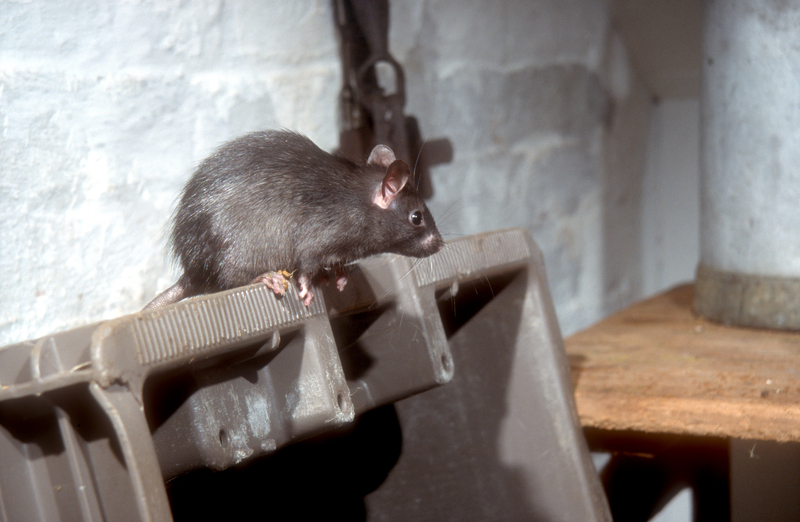
Roof rats are rarely seen out in the open. They tend to stay hidden in attics, walls, and other quiet areas of a home, so the first clue that they’re around is often the evidence they leave behind.
Evidence of Rat Activity:
- Droppings
- Scratching sounds at night
- Gnaw marks
- Nesting materials
- Unusual odors
Knowing what to look for can help you catch a problem early before it turns into a larger infestation.
Where Do Roof Rats Typically Nest in a House?
- Attics
- Wall Voids
- Garages
- Crawlspaces
- Above the ceiling
When roof rats enter a home, they rarely choose locations that are easy to spot. These rodents are skilled climbers that prefer elevated nesting sites where they can remain hidden and undisturbed.
During our inspections, we often find roof rats nesting in attics, wall voids, garages, crawl spaces, and areas above ceilings. They may enter through gaps along the roofline, damaged vents, utility penetrations, or tree branches that provide easy access to the structure.
Because roof rats spend much of their time out of sight, infestations can grow before homeowners realize there’s a problem. Therefore, recognizing the signs of roof rats early is important.
Why Roof Rats Are Usually Found in the Attic
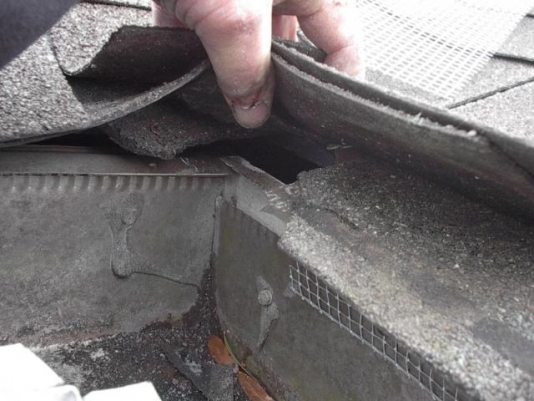
Attics provide many of the conditions that roof rats need to thrive. They’re warm, sheltered, and typically see very little human activity. They also contain insulation, cardboard, stored belongings, and other materials that rats can use to build nests.
Just as importantly, attics allow roof rats to move throughout the home while remaining largely hidden. From there, they can travel through wall voids, ceilings, and utility pathways in search of food and water.
In many cases, the first signs of roof rats appear overhead, whether it’s scratching noises at night, droppings in the attic, or damaged insulation near a nesting site.
Most Common Signs of Roof Rats
Roof rats are primarily nocturnal, so homeowners often discover an infestation through the evidence they leave behind rather than seeing the rodents themselves.
Rat droppings are one of the most common signs of roof rats. They are typically dark, spindle-shaped, and about one-half inch long.
We frequently find droppings in attics, near nesting sites, along travel routes, and around stored food. Fresh droppings are usually darker and softer, while older droppings become dry and brittle. Rat droppings can contaminate food, surfaces, and stored belongings, creating sanitation concerns and signaling active rodent activity within the home.
Because roof rats are most active at night, homeowners often hear scratching, scurrying, or squeaking sounds coming from attics, ceilings, or wall voids.
Recurring nighttime noises in the same area can be an early indication of roof rat activity and may suggest that rats are nesting nearby.
Roof rats constantly gnaw to keep their teeth trimmed. Look for chew marks on wood, plastic, drywall, cardboard, food packaging, and wiring.
Chewed electrical wires can create safety hazards, while ongoing gnawing may damage insulation and other building materials.
As roof rats travel the same routes over and over, oils from their fur can leave dark grease marks along beams, pipes, walls, and rafters.
In dusty areas, you may also notice footprints, tail marks, or tracks that help identify active travel routes. These signs can help reveal how roof rats are moving through the home and where they’re most active.
Roof rats build nests from shredded paper, cardboard, insulation, fabric, and other soft materials.
We often find nests or nesting debris in attics, wall voids, storage boxes, and other protected spaces. The presence of nesting materials often indicates that roof rats have established themselves inside the structure.
Accumulated urine and droppings can create a strong, musky odor, particularly in attics, wall voids, and near nesting sites.
Persistent odors may indicate active roof rat activity, contaminated insulation, or a hidden rodent carcass. In larger infestations, odors may spread beyond the attic or nesting area and become noticeable throughout the home.
Why Early Detection Matters
Roof rats can cause a surprising amount of damage once they get inside a home. They may contaminate food, tear up insulation for nesting material, chew on wiring, and leave behind droppings and urine that create sanitation concerns. The longer an infestation goes unnoticed, the more opportunity rats have to spread throughout the structure and cause additional damage.
That’s why recognizing the signs of roof rats early is so important. Catching an infestation early can help limit property damage, reduce contamination risks, prevent rodents from becoming established in other areas of the home, and make the problem easier and less expensive to address.
Professional Roof Rat Removal and Prevention
Because roof rats often remain hidden in attics, walls, and other hard-to-reach areas, identifying the full extent of an infestation can be challenging.
At Critter Control, our services go beyond removing roof rats. We identify nesting areas, locate entry points, implement exclusion measures, and address conditions that may be attracting rodents to the property. These measures help reduce the likelihood of future infestations.
If you’ve noticed droppings, scratching noises, gnaw marks, grease marks, nesting materials, or other signs of roof rats, a professional inspection can help identify the source of the problem and provide long-term solutions.
Get them out.
Keep them out.®
Experiencing a wildlife or pest issue? We can help! Complete this form and your local Critter Control® office will contact you to assist.