

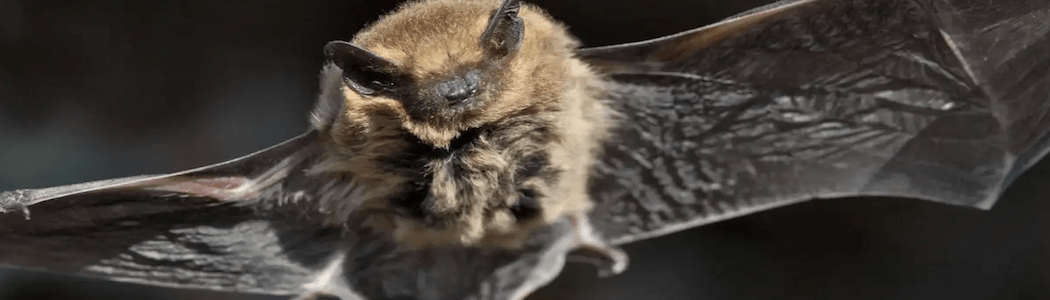
Due to their inclination for eating insects, bats are mainly beneficial to humans. However, encounters with dead bats in the house are dangerous, as contact can lead to debilitating diseases.Since the animals can squeeze through cracks a quarter of an inch in diameter, homeowners may also encounter a dead bat in the attic, walls, or woodshed.
How Can I Tell if a Bat is Hibernating or Dead?
Bats significantly reduce their activities during cool weather due to low body temperature. This means a motionless bat can appear dead, yet bite when humans approach. Bats are one of the most prevalent rabies vectors in the United States.
If temperatures are cold in late fall through early spring, many species enter hibernation (or long torpor). If it’s warm and a bat is immobile, it may be sick, injured, or dead.
Stand back and watch quietly for several minutes. Use binoculars or zoom on your phone camera so you can see chest/shoulder movement without getting close. Hibernating bats may show only tiny chest rises or ear twitches and may breathe extremely slowly (for some species as little as one breath every 47 minutes to one every couple of hours).
- Typical hibernation positions: hanging upside down with wings wrapped around the body, tucked into crevices with only nose/ears visible, or clustered with other bats in a hibernaculum (cave, mine, building void).
- Signals more consistent with death or serious injury: lying on the ground on its side or back, limp body that’s not gripping a surface, visible bloating, insects/maggots, or dried/decayed tissues.
How to Get Rid of Dead Bats Safely
Due to their inclination to eat insects, bats are mainly beneficial to humans. However, encounters with dead bats in the house are dangerous, as contact can lead to debilitating diseases. Bats significantly reduce their activities during cool weather due to low body temperature. This means a motionless bat on the ground can appear dead, yet bite when humans approach. Since the pests can squeeze through cracks a quarter of an inch in diameter, homeowners may also encounter a dead bat in the attic, walls, or woodshed.
Report Dead or Dying Bats
According to the U.S. Department of the Interior, report any dead or dying bats to your state wildlife agency. File an electronic report in those states that offer this service, e-mail U.S. Fish and Wildlife Service biologists in your area or contact your nearest Fish and Wildlife Service field office to report your potential White-nose Syndrome (WNS) observations.
Dangers of Dead Bats
There are many reasons to remove a dead bat as soon as possible. Pests like maggots, flies, and fleas flock to animal remains. Although getting rid of carcasses can be difficult, the rancid dead bat smell provides plenty of motivation. Still, homeowners should proceed with caution. The rabies virus usually dies shortly after its host, but those who handle dead bats should take all possible safety measures. Carcasses are often discovered near guano, which can carry a life-threatening fungal disease called histoplasmosis.
I Found a Dead Bat in the Yard. Now What?
Disposing of a dead bat you found in your yard is possible. Each state has its own regulations on animal carcass disposal. Confirm with your local agencies how to properly dispose of a bat carcass.
Wear gloves! Never touch a dead animal with your bare hands.
Burying a Dead Bat
If burial is allowed, it must be done properly.
- Dig a hole at least 2-3 feet deep to prevent other animals from digging it up.
- Choose a location away from water sources (wells, streams, ponds) and utility lines.
- You can also sprinkle a layer of lime over the carcass before covering it with soil to aid decomposition and deter scavengers.
Disposing of Bat in Garbage Can
Some cities or counties allow for dead animal removal in the garbage cans or landfills.
If you need to dispose of a dead bat found on your property, pick it up with a plastic bag over your hand while wearing disposable gloves. Place both the bat and the bag into another plastic bag, spray with disinfectant, close the bag securely, and dispose of it with your garbage. Thoroughly wash your hands and any clothing that comes into contact with the bat.
Dead Bat in the House: Cleanup and Disposal
If you find a dead bat, taking proper safety precautions is essential.
- Wear thick, puncture-resistant gloves to avoid direct contact with the carcass.
- Carefully place the dead bat in a sealed, leak-proof plastic bag.
- Contact your local animal control or health department for guidance on proper disposal procedures.
- Thoroughly wash your hands with soap and water after handling the dead bat.
- Disinfect any surfaces that may have come into contact with the carcass.
Dead Animal Removal Services
At Critter Control, we will safely remove a dead bat from inside the house. We can eliminate the bats and keep you and your family safe. After dead animal removal, we apply disinfecting agents to clean up the area and use ecto-parasite treatments to exterminate ticks, fleas, or mites.
Bat Exclusion & Removal
To avoid having to deal with dead bat removal in the first place, seal all entry points around windows, doors, vents, and pipes. However, at the risk of inadvertently trapping any baby bats already living inside, this should never be during the birthing season for bats in your area, and never in June or July. Those that become trapped inside or die of disease in an attic can wreak havoc. Not only is being bitten by a rabid bad a realistic concern, but living and dead bats in the walls cause unsanitary conditions with their guano, urine, and decomposition. Contact Critter Control immediately upon discovery of a dead bat, as removal should only be performed by trained professionals.
Get them out.
Keep them out.®
Experiencing a wildlife or pest issue? We can help! Complete this form and your local Critter Control® office will contact you to assist.


- Baby Bats
- Bat Bites
- Bat Facts & Myths
- Bat Guano – Identification & Removal
- Bat Maternity Season
- Bat Noises and Sounds
- Bats & Rabies
- Watch How Bat Removal Works
- What to Do if Bats in Homes
- Bats in Chimneys
- Bats in Roofs
- Bats in the Attic
- Bats in Trees
- Bats in Walls
- Bat Diet & Feeding Schedule
- Do Bat Deterrents Work?
- How to Get Rid of Bats in Attic
- Is bat exterminating legal?
- Do Bats Hibernate?
- Types of Bats
- What Does a Bat Look Like?
- Bat Habitats and Infestations
- Bat Blindness & Echolocation