

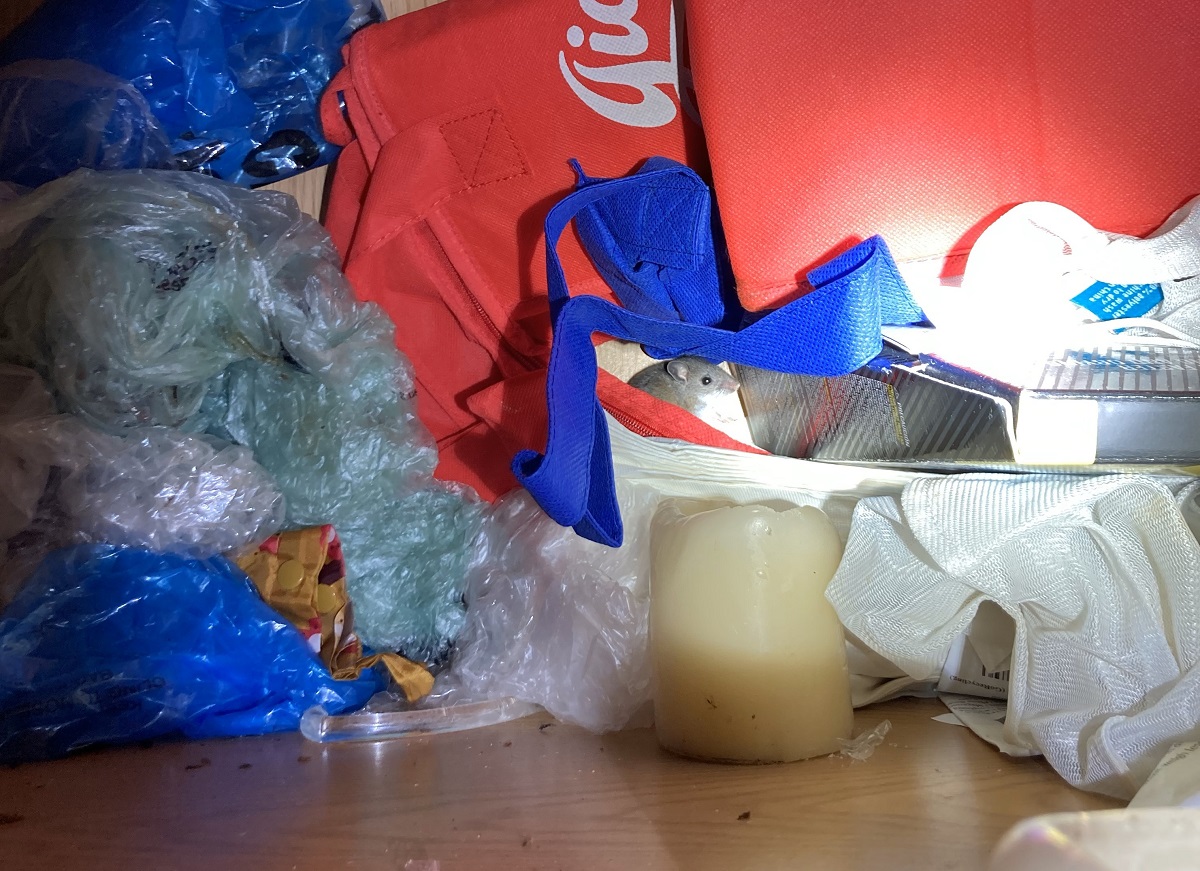
Finding signs of mice in your pantry can be unsettling and upsetting. Even though you keep your home clean, you’re still finding tiny droppings and gnawed packages in your pantry. Finding mice in a pantry is common, as homes provide mice with a warm, safe shelter and easy access to the food and water they need to thrive. Since they are nocturnal, they are snacking away while you’re asleep, so you may not know how fast their population is growing.
Recognizing the signs of a mouse in your pantry or a mouse infestation is an important first step toward protecting your home from costly repairs and you and your family from tainted food and health risks. Contact Critter Control for dependable and safe solutions for effective mouse control.
Common Signs of Mice in the Pantry
Mice are skilled at squeezing under your pantry door to get at the bounty inside. The sooner you recognize the following signs, the sooner you can stop the infestation. The most common signs of mice activity to watch out for in your pantry include:
Gnaw Marks
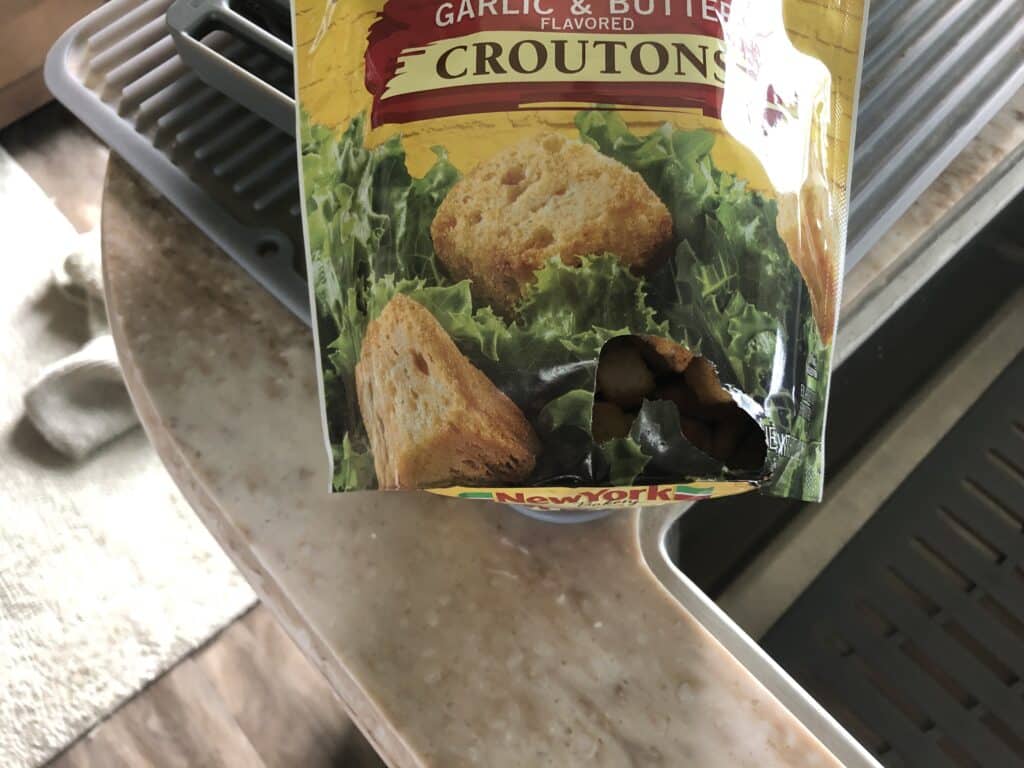


The teeth of rodents grow throughout their lives, so mice gnaw constantly to keep their teeth at a manageable length. You will find gnaw marks on food packaging, the shelves themselves, and along moldings. With a significant infestation, mice living in wall voids or the attic can gnaw through rafters and even chew on electrical wires, creating a fire hazard.
Odor
Mice produce a distinct odor created by their urine, combined with a scent produced by their glands. They use this scent to mark their territory and communicate with other mice. It’s a stale and musty smell that will linger in a small, enclosed area like a pantry. Unfortunately, the scent attracts other mice, making it essential to act fast.
Droppings
Seeing mouse droppings is one of the most common and sure signs that mice are in your pantry. These droppings look like dark brown or black grains of rice that will be scattered along your shelves. You might also see droppings along an often-used path from their nest to the pantry. Mice produce droppings quite frequently, so even the droppings from a few mice can accumulate quickly.
Nesting Materials
While mice usually don’t nest right where their food is, they like to nest nearby so they can access food with minimal risk. Common-sense places to look for a house mouse nest include behind appliances, in a wall void, or beneath cabinets. Mice will use a variety of soft nesting materials, including newspaper, fabric, napkins, or insulation.
Why Finding Mice in Your Pantry Is a Serious Problem
Finding the signs of mice in your pantry is more than an inconvenience. It’s a serious problem because they contaminate everything they touch. Diseases from mice feces, urine, and saliva spread harmful bacteria that cause disease:
- Leptospirosis is spread through mouse urine. Symptoms include fever, vomiting, muscle pain, and, in some cases, kidney and liver damage.
- Salmonella can be contracted through a mouse’s urine, droppings, or saliva. Salmonella causes diarrhea, fever, and abdominal cramps.
- Hantavirus spreads through dust from dried urine or droppings and can cause severe respiratory illness.
- Lymphocytic Choriomeningitis (LCMV)is transmitted through fresh droppings, urine, saliva, or nesting materials. Symptoms are usually mild, with flu-like symptoms or, in rare cases, neurological complications.
These tiny terrors also cause considerable and costly damage to the structure of homes. Mice will chew on drywall and wood beams, weakening the structure of a home. They also tear and contaminate insulation, which will need to be replaced. If nesting in your attic or basement, mice can also damage stored belongings such as books, documents, furniture, and holiday decorations.
Tips for Preventing Mouse Infestations
There are many practical steps you can take to minimize the risk of mouse infestations:
- Cleanliness: Make sure counters and floors are cleaned of crumbs. Vacuum frequently. Clean up spills as they occur.
- Storage: Store food in glass jars, plastic containers, and metal tins to block access to food. In your attic or basement, store belongings in heavy-duty plastic containers instead of cardboard boxes. Try to keep clutter to a minimum, as mice like to hide amongst clutter.
- Fix Outside Entry Points: Seal cracks and gaps around doors, windows, and foundations. Mice can squeeze through an opening the size of a dime.
- Limit Access to Water: Mice need water as well as food. Fix leaks and use a dehumidifier in damp or humid spots of your home.
- Yard Cleanup: Keep the outdoor area around your house from attracting mice by eliminating water sources, keeping pet food indoors, cleaning up around bird feeders, keeping yard clutter to a minimum, keeping shrubs and other plantings near your house from being overgrown, and sealing garbage bins.
How to Get Mice Out of Your Pantry
When you have a mouse in the house, it may seem appropriate to try to tackle this problem on your own, but the quickest and most effective way to rid your pantry and home of a mouse infestation is by calling a professional pest control service. It is the only way to ensure that the entire mouse population has been removed.
Critter Control not only rids your home of mice but also sanitizes the areas where mice lived and traveled, eliminating the risk of disease from cleanup.
Trust Critter Control for Fast, Effective Mouse Control
Whether you’re noticing signs of mice or just want to stop a problem before it starts, how to get rid of mice in the pantry begins with a Critter Control inspection. Critter Control has over 40 years of experience and provides humane wildlife control that keeps you, your family, and your pets safe. Trusted by homeowners nationwide, they also provide you with exclusion strategies and long-term prevention. Call today to let Critter Control restore your house to the happy home it was before mice.
Get them out.
Keep them out.®
Experiencing a wildlife or pest issue? We can help! Complete this form and your local Critter Control® office will contact you to assist.


- Baby Mice
- Dead Mice
- House Mouse Nest
- How to Get Rid of Mice
- Mice Behavior in the Winter
- Fear of Mice
- How to Catch a Mouse
- Life Cycle of a Mouse
- Mice in Attic Removal
- Mice in Crawl Space
- Mice in the House
- Mice in the Walls
- Mice in Yard
- Mice Problems
- Mouse Poop & Droppings
- Mouse Noises
- Mouse Repellent
- Mouse Tracks
- Mouse Traps & Bait
- Mice vs. Rats
- Types of Mice
- Diseases That Mice Carry
- Mouse Appearance
- Where Do Mice Hide?
- White Footed Mouse Habitat