


Hearing an unexpected scratch or soft rustle behind a wall can stop you in your tracks. It’s a small sound, but it often sparks big questions: Could there be mice in the walls?
Many homeowners experience this, especially during cooler seasons when mice look for warmth, shelter, and a safe place to build their nests. Walls offer quiet, hidden spaces that protect them from predators and temperature changes, which is why these areas become such common mouse hiding spots.
Handling a mouse issue early helps protect your home, your food storage, and your sense of comfort. That’s why our team at Critter Control focuses on dependable, safe, and humane solutions. We help you identify what’s happening behind your walls, take the correct next steps, and restore peace to your home.
Signs of Mice in the Walls
Not all homeowners see mice directly, especially since most activity happens at night and behind solid surfaces (which is why you might hear mice in the attic or walls). Instead, the earliest clues usually show up through sounds, smells, and subtle changes around the home. Common signs include:
- Scratching or Scuffling Sounds: At night, you may hear light scratching, tapping, or scurrying as mice move along wall voids or between floors. Their nails create these noises as they climb, follow wiring, or travel across insulation.
- Squeaking or Chatter-Like Noises: Mice use high-pitched squeaks to communicate with one another. These sounds can vary depending on whether they’ve found food, are nesting, or are alerting other mice.
- Unusual or Musty Odors: A strong or sour smell can come from mouse urine, droppings from mice, or even a deceased mouse trapped in a wall space. These odors may be more noticeable in quiet corners, closets, or utility rooms.
- Small Holes or Entry Points: Openings as small as a quarter-inch wide—around vents, siding gaps, or damaged trim—can serve as entryways. These spots often let you know just how mice got inside the walls in the first place.
- Shredded Materials or Nesting Signs: If you notice torn paper, insulation, or soft debris near baseboards or storage areas, it may indicate a house mouse nest developing somewhere inside the walls.
Recognizing these signs early helps prevent larger problems, including contamination in food areas, the spread of diseases from mice, growing property damage, and recurring infestations.
Why Mice in the Walls Are a Serious Problem
Most mouse activity starts quietly, which is why many homeowners don’t realize there’s an issue right away. Even so, mice living inside the walls can create problems that grow over time if the situation isn’t addressed. Understanding the risks of mice in the house helps you protect your home and prevent recurring issues.
Property Damage
Mice gnaw to wear down their teeth, and that constant chewing can damage walls, insulation, wiring, and stored belongings. They may widen small gaps, create new routes inside wall voids, or damage materials as they travel. Over time, this can lead to drafts, higher energy costs, and weakened areas that invite even more activity. Since mice reproduce quickly once they’re established, this type of damage can spread faster than expected, making professional help one of the best ways to stop the problem before it grows.
Fire Hazards
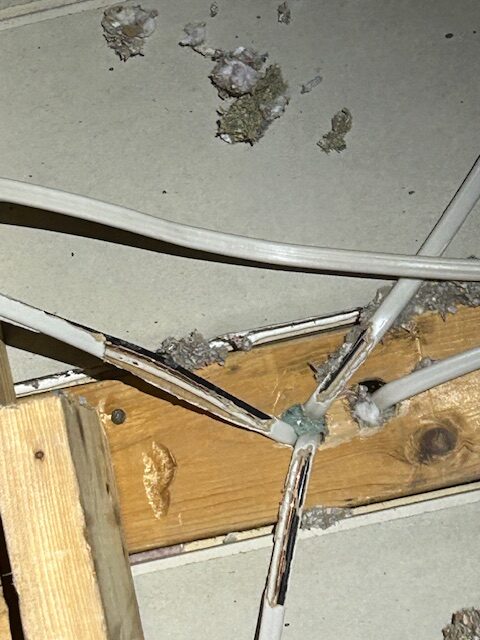
Electrical wiring is especially vulnerable inside walls. As mice move through tight spaces, they may chew the protective coating around wires. Damaged wiring can create dangerous sparks, and because this activity happens out of sight, issues can escalate before anyone notices something is wrong. Since nesting activity often increases as a mouse population grows, addressing the issue with trained professionals helps keep your home and family safe from hidden electrical risks.
Diseases and Contamination
Mice leave waste, oils from their fur, and bacteria along their travel paths. When that activity continues inside walls, contaminants can reach kitchens, closets, and storage areas. Certain mouse diseases linked to droppings or urine may also spread when contaminated materials are disturbed. As a colony expands, the amount of waste and contamination increases. Working with Critter Control early helps prevent these conditions from reaching living spaces and keeps your home environment protected.
How We Get Mice Out of Walls
When homeowners first notice activity in the walls, it’s natural to look for quick fixes. Your first thought might be to look up “how to get rid of mice in the walls,” and pick the first DIY option you see.
However, do-it-yourself methods often fall short. Setting traps without understanding how mice travel can leave entire pockets of activity untouched. Improper cleanup can spread contamination, and sealing openings too soon may trap mice inside the walls, leading to strong odors and new problems. Because mice can carry bacteria and parasites, handling nests or removing mice without proper safety measures can also put your household at risk. These challenges are why professional help is the safest way to get results that last.
Our team at Critter Control uses dependable, proven methods to safely remove mice and prevent them from returning. When you contact us about mice in the walls, we take a thorough, step-by-step approach to getting rid of mice:

Inspection
We begin with a detailed inspection of your home to locate entry points, identify mouse travel routes, and determine how mice got into the walls. Understanding the full picture helps us create a targeted plan instead of relying on guesswork.
Trapping and Removal
Our technicians use safe and humane trapping strategies tailored to your home’s layout and the level of activity. This ensures that removal is effective while minimizing risks to your family and pets. Strategic placement helps clear the population rather than just reducing it temporarily.
Sealing and Cleanup
Once mice are removed, we seal openings to prevent new entry and address contaminated areas, including droppings, nesting materials, and damaged insulation. Proper cleanup reduces odors, limits exposure to diseases from mice, and helps restore the health of your living spaces.
Ongoing Prevention Methods
We also look at conditions that may attract mice, such as access to food, cluttered storage, or openings around utility lines. Our team provides guidance on how to address mice in the walls long-term, helping you reduce future risks and keep your home protected.
Every step we take is focused on safe removal methods and dependable service. Our goal is to address the issue thoroughly, protect your home’s environment, and help you feel confident that the problem is resolved.
Trust Critter Control for Safe Mouse Removal
When you’re dealing with mice in the walls, having a team you can rely on brings real peace of mind. At Critter Control, we understand how unsettling hidden activity can feel, and we’re committed to resolving the issue safely. Our specialists use humane removal methods, protect your home from contamination, and focus on long-term solutions rather than quick fixes.
Learn more about mouse removal.
Get them out.
Keep them out.®
Experiencing a wildlife or pest issue? We can help! Complete this form and your local Critter Control® office will contact you to assist.


- Baby Mice
- Dead Mice
- House Mouse Nest
- How to Get Rid of Mice
- Mice Behavior in the Winter
- Fear of Mice
- How to Catch a Mouse
- Life Cycle of a Mouse
- Mice in Attic Removal
- Mice in Crawl Space
- Mice in the House
- Mice in Yard
- Mice Problems
- Mouse Poop & Droppings
- Mice in Pantry
- Mouse Noises
- Mouse Repellent
- Mouse Tracks
- Mouse Traps & Bait
- Mice vs. Rats
- Types of Mice
- Diseases That Mice Carry
- Mouse Appearance
- Where Do Mice Hide?
- White Footed Mouse Habitat