

Key Takeaways
- Mice are common pests that often ignore repellents because they can adapt and still need food and shelter.
- Ultrasonic and electronic repellents can deter rodents, but their real-world effectiveness may be limited and temporary.
- Natural mouse repellents, such as soap and peppermint oil, often yield inconsistent results and diminish over time as rodents adapt.
- Sealing entry points, keeping food in airtight containers, and maintaining cleanliness are key strategies for long-term mouse control.
- For persistent mouse problems, consider contacting a professional for effective rodent management solutions.
In This Article
Natural Mouse Repellent & Other Methods
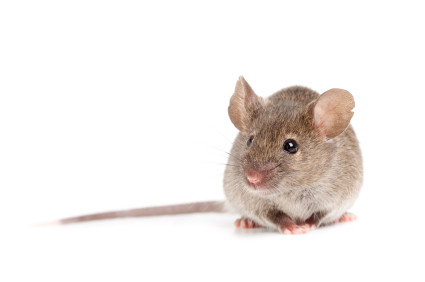
Mice are common pests that damage and contaminate property. They live in garages, attics, and wall voids but can also nest indoors behind furniture or appliances. When these rodents invade homes, people often try mouse repellents.
Mice are intelligent and often get used to repellents. Usually, the need for food and shelter overrides the mild harassment from mouse repellents.
Ultrasonic Mouse Repellent
Ultrasonic rodent repellents work like electronic repellents by emitting high-frequency sounds that make the environment unpleasant for rodents. Like electronic devices, the sounds they produce go unnoticed by humans, so they don’t disrupt your day.
However, they also have limited efficacy. Although a handful of studies show efficacy in controlled laboratory settings, real-world scenarios are far more complex. These variables often limit effectiveness, and homeowners may notice only a brief respite before the unwelcome guests return.
Natural Mouse Repellents
Some homeowners prefer natural mouse deterrents before trying chemical control. Ultrasonic noise generators produce sounds that disturb and repel mice. While this method may work at first, pests usually return once they realize there is no real threat.
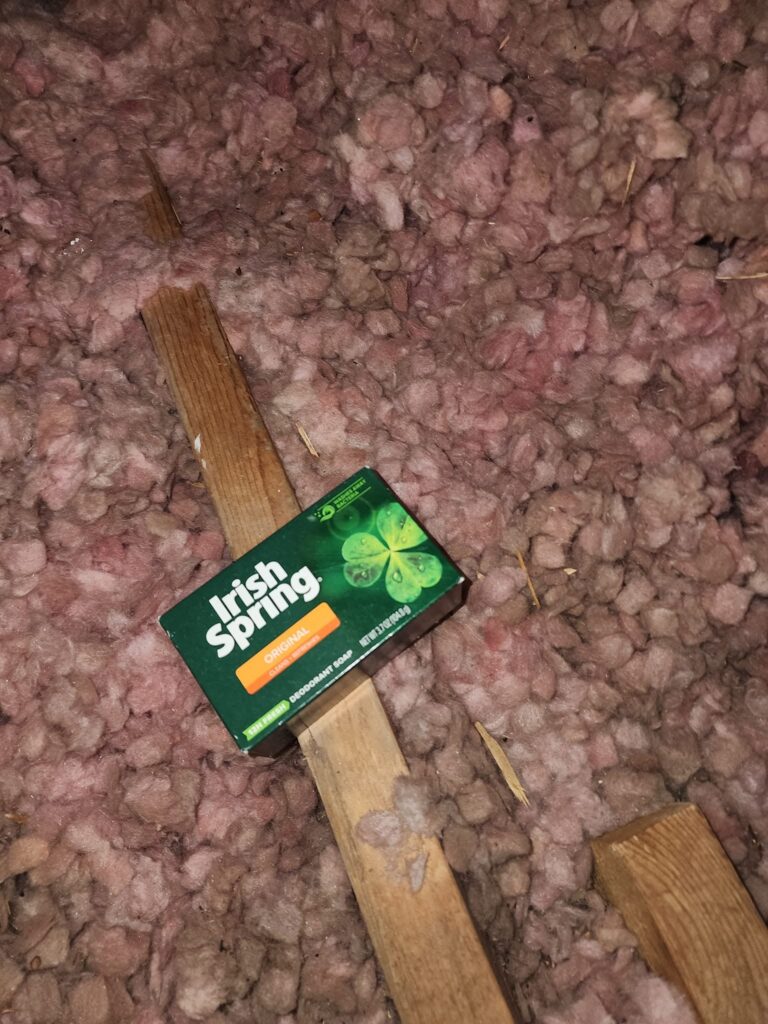
We found a bar of soap a homeowner used in a DIY mouse control.
How Effective is Soap for Mouse Control?
Soap, a common household item, is frequently used to repel rodents. Irish Spring soap, in particular, is rumored to be remarkably effective at keeping rodents at bay. The idea is that the strong scent will repel rodents.
However, like many other scent-based repellents, soap has spotty results at deterring rodents. While some homeowners report success, even briefly, others say the soap does not affect rodent activity.
Effectiveness often declines as the soap’s scent fades or mice get used to it. Furthermore, the soap may lose its scent when exposed to the elements, potentially rendering it useless against rodents.
Does Peppermint Oil Keep Mice Away?
The pervasive, minty scent of peppermint oil is another tool homeowners can use to combat mice. The idea is similar to other strong-scented methods: deter mice by adding peppermint oil to areas they may enter.
Like other methods, peppermint oil is often effective only for a short period, if at all.
Using Dryer Sheets to Repel Rodents
As another common household item thought to repel rodents, you might reach for a few dryer sheets to keep these little creatures out. Some dryer sheets contain chemicals or a strong scent thought to deter rodents, but results are inconsistent at best.
Most homeowners report early success that quickly fades, or none at all, because dryer sheets tend to lose their scent quickly, especially outdoors.
DIY Mouse Repellent Methods
Most DIY rodent repellent methods use one or more of the items above, such as peppermint oil or dryer sheets. Some home remedies that repel rodents add rubbing alcohol or vinegar to the mix, mixing one with water to spritz areas where the pests enter.
Although these methods, like many others, may work quickly, the results are often short-lived for various reasons, from rodents becoming accustomed to the deterrent to fading scents that require frequent reapplication.
Why Common Mouse Repellents Don’t Really Work
When it comes to mouse repellents, options abound, from DIY methods to store-bought tools. Unfortunately, these common rodent repellents don’t work as well as homeowners would like.
For example, mothballs and dryer sheets are thought to repel mice due to their pungent scent, but they are largely ineffective. Some solutions, however, like electronic and ultrasonic devices, show promise, but they are spotty and inconsistent.
The problem? Mice are adaptable creatures. Over time, their need for food, water, and shelter outweighs their aversion to whatever repellent you use. Repellents do not close the openings rodents use to enter. Long-lasting rodent control requires controlling the population, reducing food and shelter, and sealing gaps around the structure.
How Do I Keep Mice Away Permanently?
To keep mice away permanently, use a varied rodent-deterrent strategy. Here are a few tips and tricks to keep your home free of unwanted rodent guests:
- Seal all entry points: Mice can squeeze through even tiny gaps, so seal all entry points around your home, including gaps in walls, doors, and windows.
- Keep food in sealed containers: Mice are attracted to food, so keep all your food, including pet food, birdseed, and compost, in airtight containers.
- Keep your home clean: Mice are attracted to clutter, as it provides plenty of shelter, so keep your home tidy and free of debris. This includes sweeping and vacuuming regularly.
Who Should I Call for a Mouse Problem?
Various rodent repellent methods and products, both DIY and store-bought, can offer short-term success in combating a rodent population in and around your home. Sometimes, a multifaceted approach with more than one repellent can extend the success, allowing you to live rodent-free for longer.
Ultimately, the best approach to rodent control is vigilance, cleanliness, and preventative methods. However, if the rodent problem persists or you want to avoid one in the future, contact a professional. Our team at Critter Control is here to help keep rodents away and your home critter-free! Contact us today for help with your rodent problem.
Resources
Potential of Eucalyptus Oil as Repellent against House Rat, Rattus rattus