

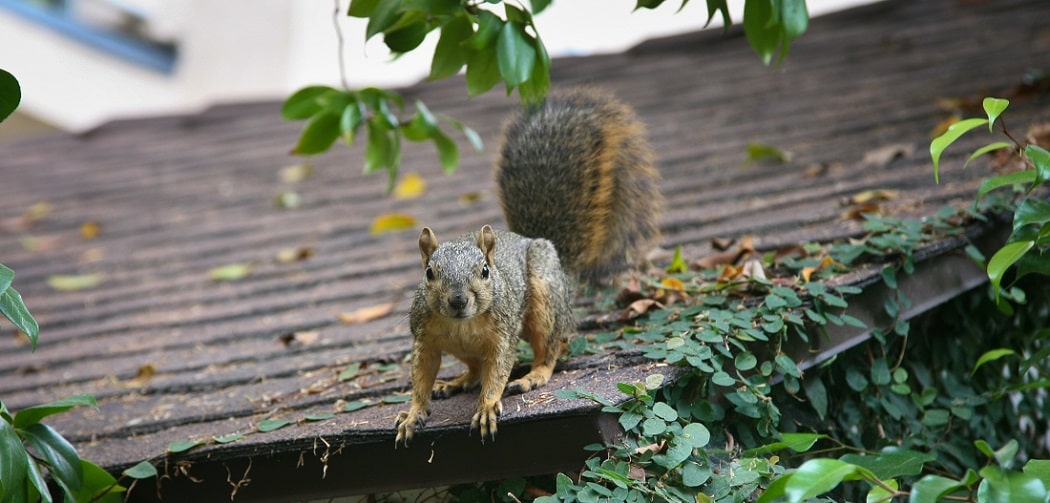
If you’ve discovered squirrels nesting in your home, it’s natural to feel concerned about the damage and disruption they can cause. Understanding squirrel nesting habits and the importance of removing squirrel nests helps protect you, your family, and your property.
Who to Call When You Find a Squirrel Nest in the Attic?
Squirrel nest removal isn’t just about taking out the nest. It involves identifying entry points, checking for hidden damage, and ensuring all animals are safely removed. This is most effectively and safely done by a professional, such as those at Critter Control.
The experts at Critter Control also know the local, state, and federal laws regarding squirrel removal and relocation. Laws can vary depending on the time of year, mating and birthing seasons, the gaming season, and whether permits are required.
What Do Squirrel Nests Look Like?
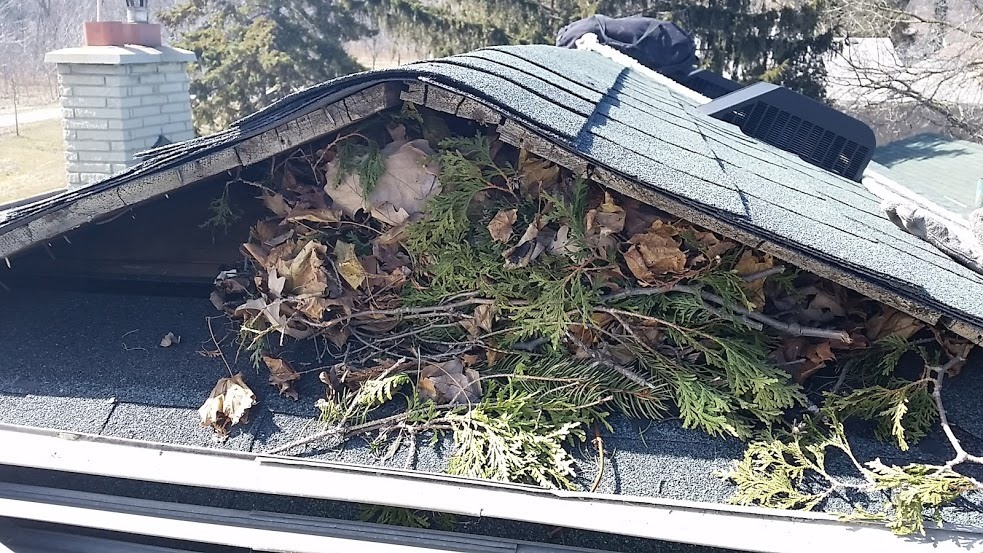
A squirrel nest looks like an oversized clump of twigs and leaves. The interior is hollow and measures eight inches in diameter on average. A nest is typically lined with leaves, grass, moss, and shreds of bark. The exterior shell of the nest is woven together with sticks and leaves for insulation. Squirrel nests are effective in keeping squirrels and their offspring warm and dry.
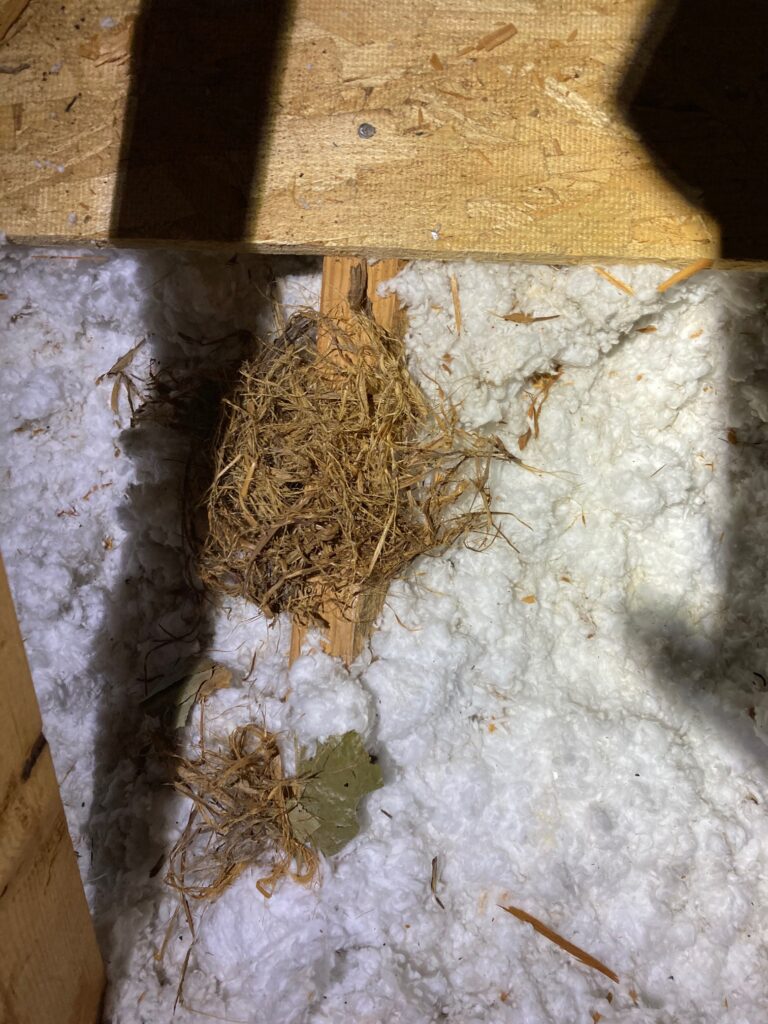
Inside your home, squirrel nests can be more concerning. They’re often hidden in attics, walls, or chimneys. The interior is hollow and averages 8 inches in diameter. A nest is typically lined with leaves, grass, moss, and shreds of bark. They may also be lined with shreds of paper, fabric, insulation, or other materials they find in your attic.
The exterior shell of the nest is woven together with sticks and leaves for insulation. Squirrel nests are effective in keeping squirrels and their offspring warm and dry.
Where Do Squirrels Build Nests?
Squirrels will build nests anywhere that feels safe, warm, and protected from predators, especially if it’s close to food resources, like birdfeeders, fruit, or nut trees.
Outdoors, they usually nest high in trees, placing their leaf-and-twig nests in the forks of branches or along sturdy limbs. Some squirrels also use natural tree cavities or abandoned woodpecker holes for extra shelter.
If they get access to your home, they often choose attics, wall cavities, soffits, or chimneys. These areas provide warmth, protection from the weather, and a quiet space to raise their young, which is why infestations can quickly become a concern for homeowners.
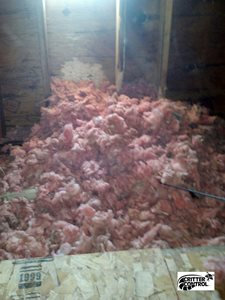
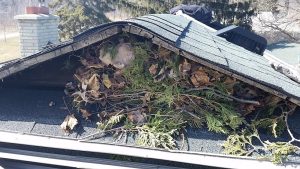
Pictures of Squirrel Nests in Attics

Dangers of a Squirrel Nest
Squirrel nests can cause more problems than many homeowners expect, especially when they’re inside or close to your house. One of the biggest concerns is property damage.
Squirrels constantly chew to keep their teeth trimmed, which can lead them to gnaw on wood, insulation, and even electrical wiring, creating a potential fire hazard. Their nesting materials can also block vents or create moisture issues over time.
Squirrel Droppings
There are also health risks to consider, like squirrel droppings. Homeowners usually find squirrel droppings in areas where squirrels nest or frequently travel inside the home. Common spots include attics, especially around insulation, near entry points such as roof vents or soffits, along wall cavities, and around stored boxes or belongings. You might also notice droppings on windowsills, in garages, or near crawl spaces if squirrels are moving in and out of those areas.
Outside, squirrel droppings are typically not a concern. They’re commonly found at the base of trees, along fences, on decks, or around areas where squirrels feed, like near bird feeders. In these outdoor locations, droppings are a normal part of the environment and usually don’t pose a problem unless they begin to accumulate in high-traffic areas.
Find a Critter Control for Professional Squirrel Nest Removal from Attics, Chimneys
Other Dangers
Nests also contain urine and parasites such as fleas and mites, which may affect indoor air quality and pose risks to people and pets. Plus, ectoparasites living on squirrels, such as fleas, ticks, and lice, can attack other hosts, including pets and people. Some of these ectoparasites are proven vectors for Rocky Mountain spotted fever, human monocytic ehrlichiosis, and typhus. The Centers for Disease Control and Prevention (CDC) specifically warns about hantavirus, a disease that humans can contract through exposure to rodent feces.
Squirrels store seeds, nuts, and berries as food caches in walls, ceilings, and attics. Food caches can attract other pests, such as Indian meal moths and dermestid beetles, and destroy the insulation.
Furthermore, squirrel nests can lead to ongoing infestations. Once a squirrel finds a safe nesting spot, especially in an attic, it may return season after season or attract others, making the problem harder to control if it’s not addressed early.
Professional Squirrel Nest Removal
Squirrel nest removal isn’t just about taking out the nest. It involves identifying entry points, checking for hidden damage, and ensuring all animals are safely removed. This is most effectively and safely done by a professional, such as those at Critter Control.
The experts at Critter Control also know the local, state, and federal laws regarding squirrel removal and relocation. Laws can vary depending on the time of year, mating and birthing seasons, the gaming season, and whether permits are required.
Professionals have the proper equipment and training to handle these hazards without putting you or your home at risk. Just as importantly, they help prevent the problem from coming back. Our experts will identify and seal entry points, recommend repairs, and guide you in making your home less attractive to squirrels in the future, helping you avoid recurring issues and costly damage.
Contact Critter Control today to talk with an expert regarding squirrel nest removal on your property. Our experts can help!
Get them out.
Keep them out.®
Experiencing a wildlife or pest issue? We can help! Complete this form and your local Critter Control® office will contact you to assist.


- How to Get Rid of Squirrels
- Squirrels Entering Homes
- Squirrels in Attics
- Squirrels in Chimneys
- Squirrels on Roofs & in Soffits
- Squirrels in Walls
- Squirrels in Ventilation
- Squirrels in Gutters
- Squirrels in Crawl Spaces
- Squirrels in Yards or Gardens
- Squirrels in Trees
- Squirrels Digging Holes in the Ground
- How to Identify Squirrel Sounds
- Squirrel Tracks
- Squirrel Droppings
- Squirrel Trapping
- Squirrel Repellents & Deterrents
- Squirrel Appearance & Identification
- Species & Types of Squirrels
- Squirrel Life Cycle
- Baby Squirrels
- Dead Squirrels
- Squirrel Diet
- Diseases That Squirrels Carry
- Rabid Squirrels
- Do Squirrels Hibernate?
- Gray Squirrels
- Do Squirrels Bite?
- Squirrel Damage to Your House
- Squirrels vs. Rats
- Squirrels vs. Chipmunks