

Key Takeaways
- Moles create extensive tunneling systems that can damage lawns and gardens, causing raised surface tunnels and mole hills.
- Common signs of a mole problem include damaged grass, disturbed garden beds, and irrigation damage due to their tunneling activities.
- Homeowners can identify active tunnels by checking for fresh surface ridges and monitoring flattened areas for rebuilding.
- If mole activity leads to widespread damage or increasing repair costs, it’s time to consider professional mole control.
- Critter Control offers expertise in mole identification and removal, helping to prevent future infestations and protecting your landscape.
Moles are small mammals that spend nearly their entire lives underground, tunneling and foraging for food. They create a network of both shallow and deep tunnels for different purposes. A single mole can dig one foot of shallow tunnel per minute and create an extensive tunnel system that covers hundreds of feet in only a few days.
Tunneling is the most common complaint associated with moles. Seeing their raised network of ridges in the lawn can frustrate homeowners who tend their landscape with care.
Types of Mole Tunnels
The shallow tunnels, visible as raised ridges across fields and lawns, are used to forage for worms, grubs, and other soil-dwelling insects, while the deeper tunnels contain their nesting chambers and provide warmth during colder months. These deep tunnels, where they will bear their young, could be anywhere from six inches to two feet deep and can be dug at a rate of 12 to 15 feet per hour.
Common Signs of a Mole Problem
Moles are solitary creatures and territorial. So while you might think your yard is filled with moles by looking at your lawn, you might only have one or two moles to deal with. Even though there may be fewer moles in your yard than you think, one or two are enough to cause serious damage. Even though you can’t see them, you can identify a mole problem by:
- Raised Surface Tunnels: These tunnels will traverse your lawn, going in whatever direction the mole felt had the most promise for abundant food.
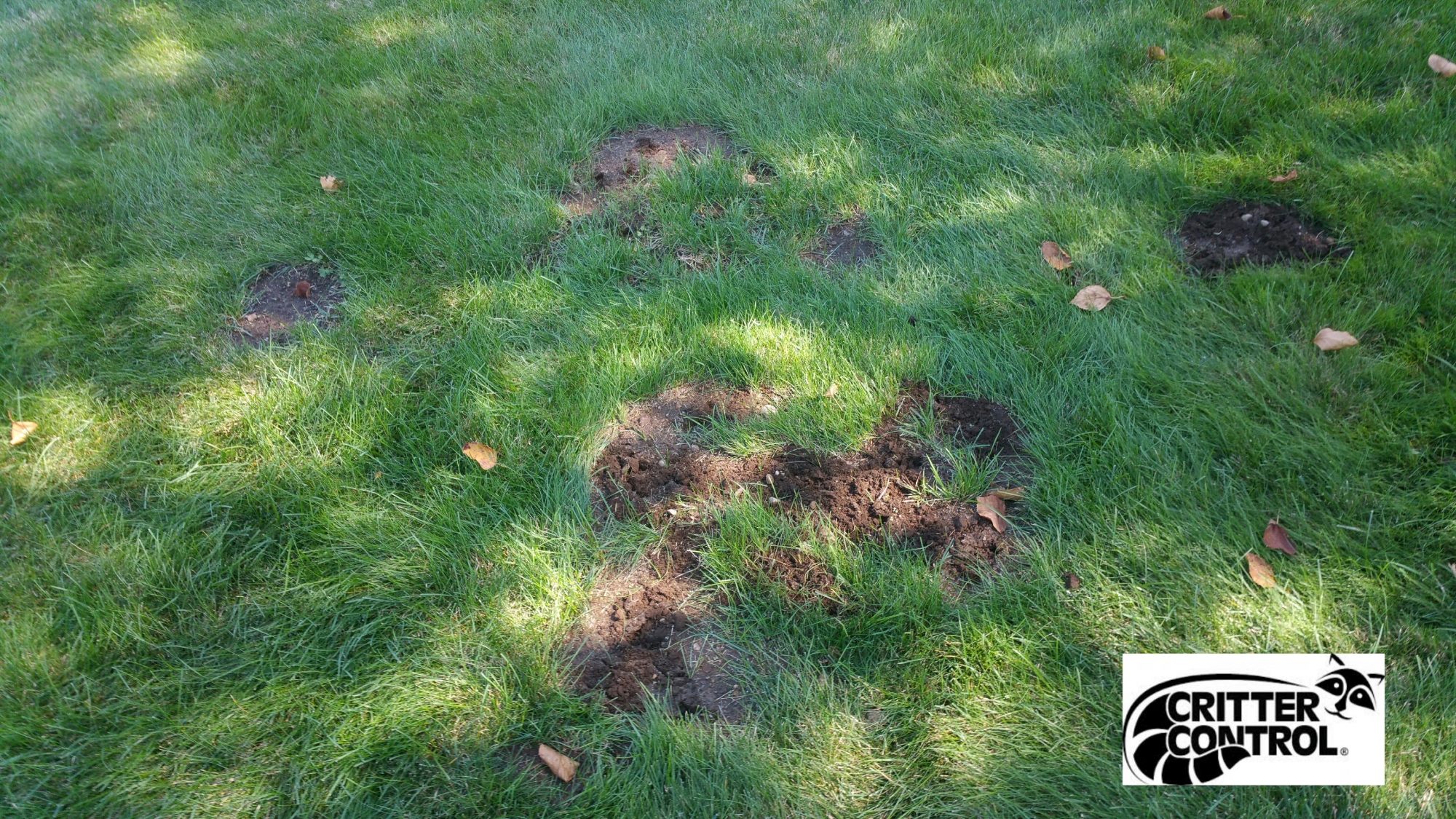
- Mole Hills: As moles dig up the soil, they create small mounds of dirt that they push out as they dig. Looking a lot like tiny volcanoes, mole hills are formed when moles dig their deep tunnels. The entry hole is completely covered over.
- Damaged Grass and Turf: As moles hunt for food, they damage the roots of your lawn as they dig. This causes the grass to die. Grass directly underneath their mole hills will suffocate and die.
- Disturbed Garden Beds: If their tunneling leads them through garden beds, the roots of flowers, shrubs, or vegetables will be damaged.
- Irrigation Damage: As moles dig, they can cause cracks in PVC pipes, cause joint separation, or slow leaks that can disrupt water flow.
Identifying Mole Damage
Moles are not the only burrowing or tunneling animals that can damage your lawn. Shrews, voles, pocket gophers, rats, and groundhogs are also vying for your soil and the delicacies they hold. Identifying which animal is causing yard problems requires professional inspection, as each critter leaves behind its own specific signs and damage.
How to Identify Active Tunnels
Identifying active vs. older tunnels allows homeowners to better understand where the mole is active.
- Look for fresher surface ridges.
- Flatten a section of the raised tunnel with your foot. If it feels soft and spongy, it is new. If it feels compacted, it’s old.
- Monitor where you flattened the tunnel and check if it has been rebuilt within 24–48 hours.
- Monitor for fresh molehills.
Signs of new mole activity include new ridges, mole hills, fresh soil, and an overall expansion of the tunnel system.
Watch James Rowzee, owner of Critter Control of Central Mississippi, identify moles in the yard.
When Mole Activity Becomes a Serious Problem
Mole activity should be closely monitored to minimize costly and aesthetic damage. If you are seeing or experiencing the following, it is time to tackle mole removal:
- Multiple active tunnel systems
- Widespread lawn damage
- Recurring molehills
- Damage to expensive landscaping
- Increasing repair costs
Benefits of Professional Mole Control
It’s hard to get rid of an animal you cannot see or exactly where it is. Calling in Critter Control will save you time, money, and frustration. Critter Control has the expertise and experience to first confirm that your pest is a mole, narrow down the mole’s location, and has the tools to get the job done fast.
Placing specialized humane traps in strategic locations means your mole will be gone before they can expand their network of tunnels. Your lawn, irrigation system, and garden beds will once again thrive.
And Critter Control will show you long-term prevention methods to keep moles from coming back. If you think you have moles tunneling in your yard, contact a Critter Control professional near you for effective mole control services.
Get them out.
Keep them out.®
Experiencing a wildlife or pest issue? We can help! Complete this form and your local Critter Control® office will contact you to assist.


- How to Get Rid of Moles in Your Yard
- Moles in the Garage
- Moles in the House
- Mole Trapping
- Moles in the Basement
- Moles in the Garden
- How to Identify Moles in Yard
- Moles vs. Voles
- Do Moles Bite?
- Do Moles Carry Disease?
- Eastern Moles
- Hairy-Tailed Moles
- Mole Hills
- Mole Repellent
- Mole Tracks
- Shrew Moles
- Star-Nosed Moles
- Types of Moles
- Mole Diet
- What Is a Mole?
- Mole Identification
- Mole Droppings
- Mole Appearance