

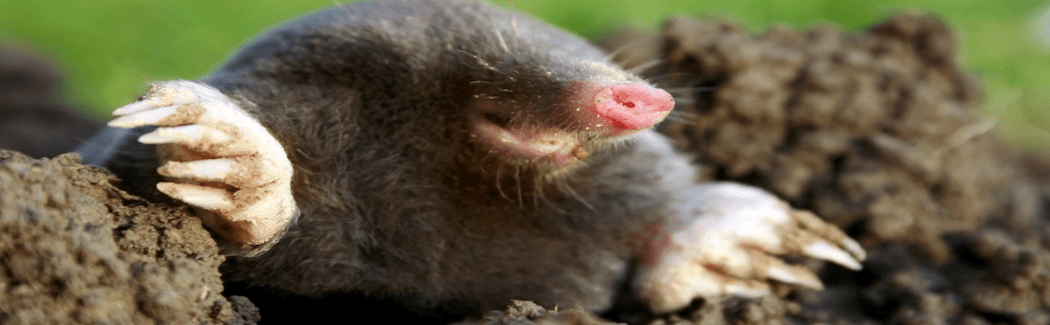
Key Takeaways
Moles in yards are big problems, tearing up the soil and leaving raised tunnels, dying plants, and piles of soil in their wake. Not only that, but their burrows may even attract other pests, compounding the problem! While they’re not a threat to humans, their presence can lead to all sorts of damage. If you suspect you have moles in your yard, here’s what you need to know.
- Moles create raised tunnels that create an unevenlawn and damage plant roots.
- Mole burrows can damage the soil, opening the door to long-term issues with your lawn.
- Mole activity can attract other pests, such as insects and rodents, to your yard.
- Effective mole removal methods include traps, repellents and deterrents handled by a professional.
- Exclusion techniques like fencing and soil modification can keep moles from coming back to your yard.
Moles in yards are big problems, tearing up the soil and leaving raised tunnels, dying plants, and piles of soil in their wake. Not only that, but their burrows may even attract other pests, compounding the problem! While they’re not a threat to humans, their presence can lead to all sorts of damage. Moles are rarely seen above ground. So, how can you be sure you have a mole problem in your yard?
The Two Most Common Signs of Moles in a Yard:
Raised Mole Tunnels
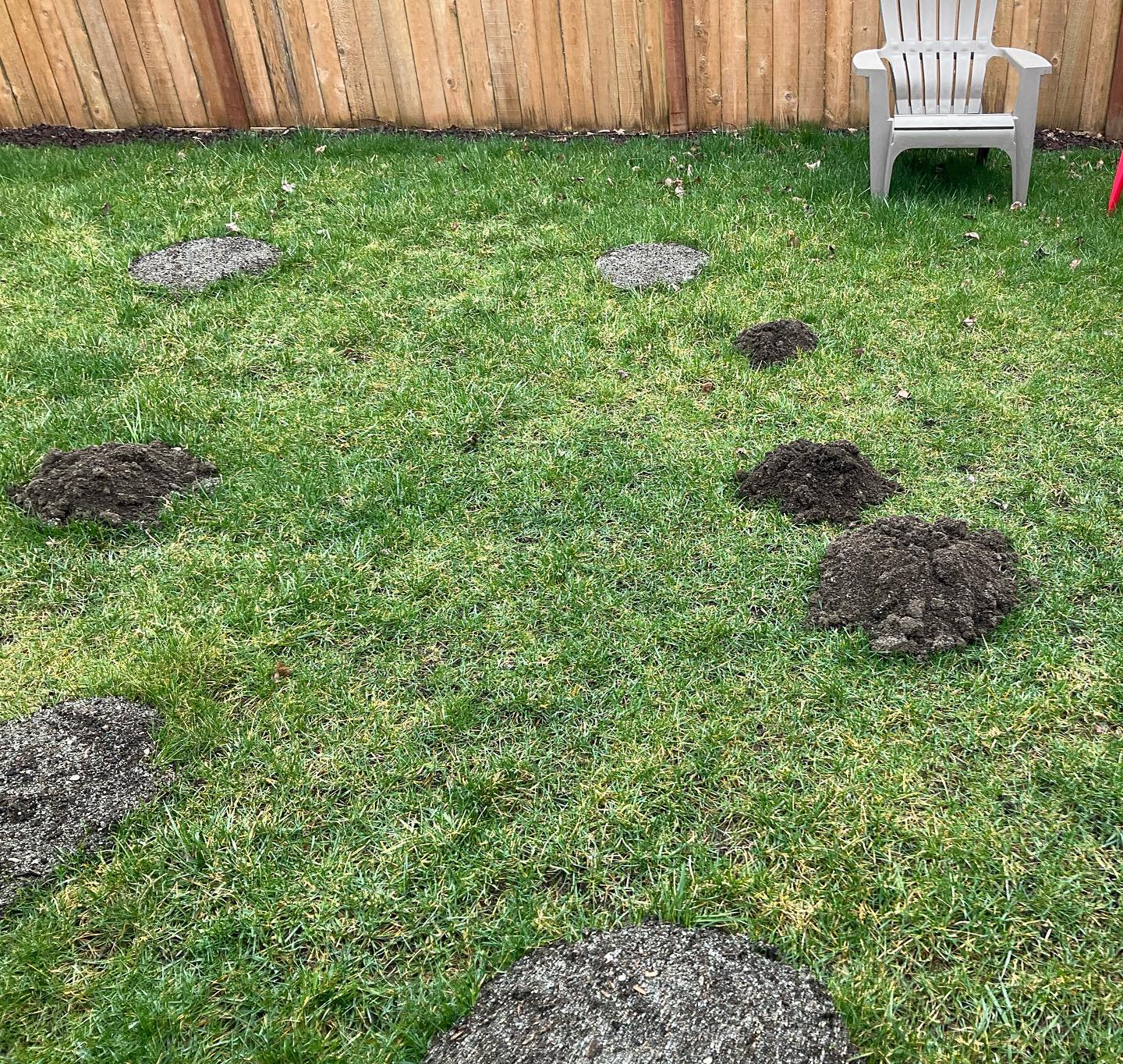
Moles are expert diggers. When you have moles in your yard, you may notice raised ridges or mounds on your lawn—called molehills—that disrupt its otherwise smooth surface. This happens when they dig, using their powerful front paws to burrow under the surface and search for food.
These tunnels can range from 6 to 12 inches deep for feeding tunnels and up to 2 feet deep for nesting tunnels. This extensive network of tunnels often leads to small mounds of dirt, raised ridges across your lawn, and ground that feels unstable beneath your feet.
Lawn Damage from Moles
Another sign of moles in your yard is damaged plants and uprooted grass, as moles love vegetated areas where the soil is looser. As they burrow, moles blaze through underground root systems, cutting off water and nutrient supplies and causing the plants to wither and die. Their soil-loosening efforts also make it tougher for grass and plants to establish strong root systems.
-scaled.jpg)
On top of that, mole tunnels can attract other pests, such as voles and insects, to move in and cause further damage.
How Are Mole Problems in the Yard Solved?
So, you’ve seen the signs of moles. So, how do you get rid of moles in your yard? In this situation, you have a few options. These methods range from mole removal and exclusion to lawn repair. It’s important to remember that while these methods may seem DIY-friendly, they’re best left to professionals experienced in effectively and humanely removing unwelcome pests.
Mole Removal Methods
The biggest issue with DIY solutions, even traps you set yourself, is that mole tunnels are too extensive for most homeowners to find. Real-world testing shows moles aren’t bothered by ultrasonic repellents. Homemade solutions like castor oil or coffee grounds just don’t work. Moles dig extensive tunnels and can dig up to 18 feet in an hour! Even if you spread a lot of repellent, the moles can simply dig aroundit.
The fastest and most effective way to remove moles from your yard is through mole trapping. Critter Control uses the most efficient and humane method to get rid of moles.
Exclusion Methods
Once the moles have been removed, it’s important to implement preventive measures to keep them from coming back. Exclusion methods may include:
- Sealing burrow entrances: Packing tunnels with compacted soil or gravel can make it harder for moles to return.
- Installing barriers: Subsurface fencing composed of a durable material like hardware cloth or mesh can bar moles from burrowing their way back into your yard.
- Soil modification: Earthworms and grubs are primary food sources for moles. Reducing excess moisture and improving soil drainage can make your lawn less attractive to them, which, in turn, can make it less attractive to moles. If moles suddenly appear in your yard, it’s likely due to an increase in food availability or soil moisture, although it may also stem from seasonal changes that drive them to new areas.
Repair Damage
At Critter Control, we don’t just remove moles—we also help restore your yard to its original condition. This is a must-do step in maintaining a healthy and attractive lawn. We can help by:
- Filling and leveling tunnels: We compact the soil to eliminate unsightly ridged edges and restore even ground.
- Reseeding grass: We apply grass seed in damaged areas to promote growth.
- Soil aeration and treatment: We implement methods to improve soil quality, such as soil aeration, to help plants recover from the disruption.
- Pest control measures: If any other pests have moved into the recently vacated mole tunnels, we will take care of those, too.
These repair strategies are designed not only to improve the aesthetics of your yard but also to help prevent future mole infestations by eliminating ideal burrowing conditions.
Contact Critter Control Today
Raised mole tunnels are not only unsightly, but they can also cause major damage to homes. Call Critter Control today at 1 (800) 274-8837 if you suspect you have moles in your yard.
Get them out.
Keep them out.®
Experiencing a wildlife or pest issue? We can help! Complete this form and your local Critter Control® office will contact you to assist.
Moles in yards are big problems, tearing up the soil and leaving raised tunnels, dying plants, and piles of soil in their wake. Not only that, but their burrows may even attract other pests, compounding the problem! While they’re not a threat to humans, their presence can lead to all sorts of damage. If you suspect you have moles in your yard, here’s what you need to know.Moles in yards are big problems, tearing up the soil and leaving raised tunnels, dying plants, and piles of soil in their wake. Not only that, but their burrows may even attract other pests, compounding the problem! While they’re not a threat to humans, their presence can lead to all sorts of damage. If you suspect you have moles in your yard, here’s what you need to know.The biggest issue with DIY solutions, even traps you set yourself, is that mole tunnels are too extensive for most homeowners to find.


- How to Get Rid of Moles in Your Yard
- Moles in the Garage
- Moles in the House
- Mole Trapping
- Moles in the Basement
- Moles in the Garden
- Moles vs. Voles
- Do Moles Bite?
- Do Moles Carry Disease?
- Eastern Moles
- Hairy-Tailed Moles
- Mole Hills
- Mole Repellent
- Mole Tracks
- Shrew Moles
- Star-Nosed Moles
- Types of Moles
- Mole Diet
- What Is a Mole?
- Damage Caused by Moles
- Mole Identification
- Mole Droppings
- Mole Appearance