
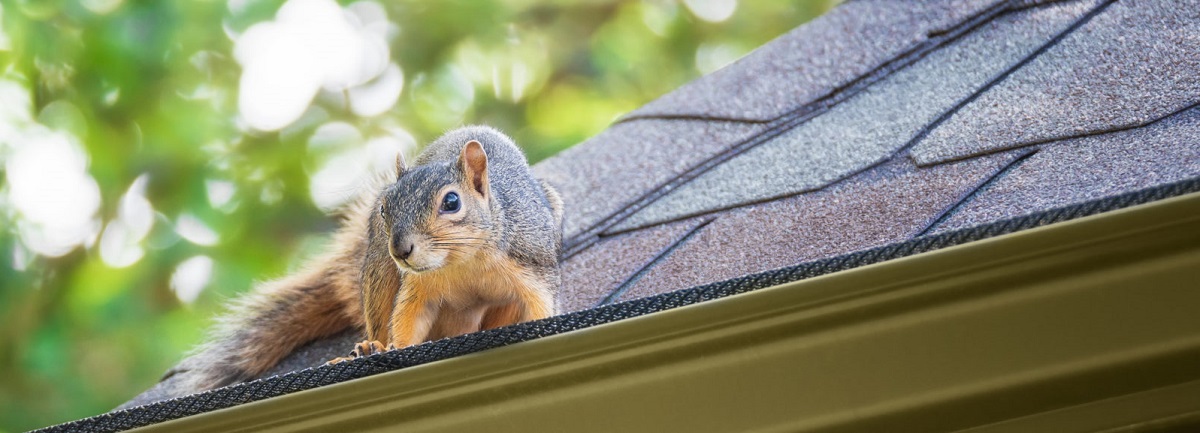
Hearing strange noises early in the morning?

You may be sharing your home with squirrels. Listen, compare, and learn what to do next.

What Do Squirrels Sound Like in the Morning?

  • Scurrying, tapping, and scratching in attics and walls.
  • High-pitched chirping or chattering.
  • Gnawing, rolling, or dragging.
  • Compare vs raccoons and rats

7 Common Squirrel Vocal Sounds

Squirrels can make a wide range of vocalizations. Depending on their activity, you may hear a squirrel producing a high-pitched chirp when they get excited. They also bark when they feel threatened and whistle when they feel happy. To communicate with other squirrels, they make chattering noises.

High-pitch chirping

Juvenile squirrel communicating with its mother.

Muk-muk

Made by juvenile squirrels or when mating.

Barking or Buzzing

Alarm call.

Kuk-kuk-kuk or Quaa

An alarm call warning a predator is near.

Seet or Seet-bark

A warning a predator is near.

Screeching

A high-pitched warning or alarm call.

Movement Noises

You will hear squirrels moving in your attic or walls.
CDC Warning

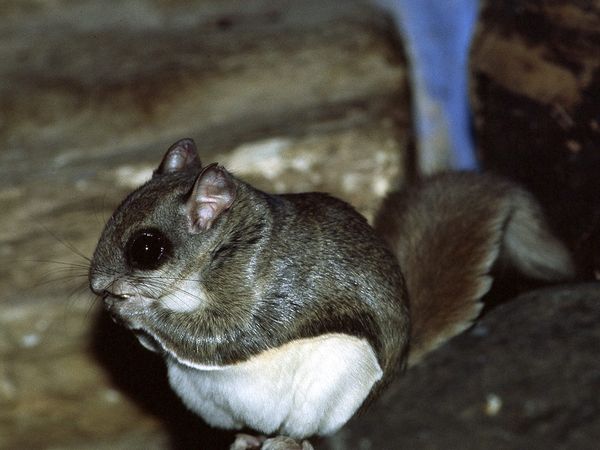
The CDC warns rodents like squirrels carry many diseases that can be transmitted to humans.

Squirrels harbor bacteria and diseases that they can transmit to humans, including the following:

  • Squirrel pox
  • Lyme disease
  • Salmonellosis
  • Parasites
  • Leptospirosis
  • Tularemia
  • Ringworm

Hearing these exact noises?

Find a Critter Control Near You

Squirrel in Attic Testimonial

After months of dealing with a red squirrel invasion that absolutely tormented our household, we finally called Critter Control — and I only wish we had done it sooner.
From the very first interaction, their team was professional, responsive, and incredibly knowledgeable. Communication was clear and consistent throughout the entire process, which immediately set them apart. When Ray Judd came out to assess the situation, his expertise was obvious. He took the time to explain exactly what was happening, how the squirrels were getting in, and what the remediation plan would involve. No guesswork. No shortcuts.
Yes, there was a bit of sticker shock initially. But in hindsight, it was worth every dollar for the thoroughness of the work and, most importantly, the peace of mind. The problem was handled properly, completely, and professionally.
If you are dealing with wildlife issues and want it done right the first time, Critter Control is absolutely the team to call.

Stella T., Baton Rogue
How do I know if squirrels are in my attic?

You will hear squirrels in the attic. Squirrels are very active in the morning and at dusk. They leave their nest every day to forage for food. You’ll hear scampering, running, and scratching as they move through your attic or climb up and down inside the walls.

Do squirrels make noises on the roof?

Yes, squirrels make noises on your roof. Typical squirrel sounds also occur when the pests walk across rooftops, construct their dens, or attempt to gain entry through holes or other small openings that lead to attractive nesting sites.

What does a squirrel sound like?

Squirrels are noisy! They make different vocalizations. If you have a squirrel in the attic, you will hear sounds like scratching, rustling, scampering, gnawing, or scurrying.

Do squirrels make noises at night?

Generally no. You’re most likely to hear squirrel noises in the morning and at dusk because the animals are diurnal.

What do baby squirrels sound like?

When stressed or hungry, baby squirrels sound like young birds due to their soft, high-pitched chirping.

Are squirrels dangerous?

If you find squirrels in your attic, they’re more likely to run away than attack. That doesn’t mean they aren’t dangerous. Squirrels can spread diseases, contaminate attic insulation, and damage the physical structure of your home.

Are squirrels nocturnal?

No, squirrels are diurnal, meaning they are active during the day. If you hear sounds at night, it’s probably rats, mice, or raccoons.

Where do squirrels live?

The U.S. is home to over 20 different squirrel species. Tree squirrels, like the Eastern Gray squirrel, will look for safe places to nest off the ground, and they will nest in chimney and attics.

What Vocal Noises Do Squirrels Make?

Squirrels can make a wide range of vocalizations. Depending on their activity, you may hear a squirrel producing a high-pitched chirp when they get excited. They also bark when they feel threatened and whistle when they feel happy. To communicate with other squirrels, they make chattering noises.

  • Eastern gray squirrels are specifically known for their chattering.
  • Red squirrels also chatter, but their chatter is high-pitched.
  • Fox squirrels are different in that their vocalizations are lower-pitched.

What Movement Noises Do Squirrels Make?

Squirrels chew and gnaw on electrical wires, wood beams, drywall, siding, shingles, and plastic. If you hear noises in your attic, walls, or ceiling, it could be due to a squirrel. Movement noises to listen for include the patter of feet, running, scurrying, shuffling, scratching, and tapping.

All the noises will be amplified if multiple squirrels live in your home. One squirrel running across the floor will be a light sound, but five squirrels running may sound more like galloping.

Squirrel Noises in the Attic

Depending on how many there are, you may hear multiple squirrel sounds in the attic, including the following:

  • Scratching on drywall, insulation, ducts, vents, and wood beams
  • Crumpling of paper or other materials being stored in the attic
  • Acorns and other nuts roll across the floor
  • Dragging of nesting materials
  • Digging in one spot, like insulation or drywall

Squirrel Noises in the Walls

Scurrying is the most common noise you will hear from squirrels. Other squirrel sounds in walls include tapping, chewing, gnawing, and scratching. You may also hear a squirrel build or add to its nest, including crumpling or breaking twigs, papers, and leaves.

Squirrel Noises on the Roof

Squirrel sounds on the roof vary depending on the task it is working on. They spend a lot of time on the roof, running back and forth, bringing their day’s findings to various hiding spots. They jump from trees to the roof, run up the side of your home, or jump from electrical lines hanging above your roof.

Comparing Sounds in the House

Knowing the various sounds a squirrel makes is essential to understanding its actions. Below are the most common noises a squirrel makes:

  • Chatter sounds like clicking and squeaking, signaling that squirrels are communicating.
  • Squirrels use high-pitched screams or screeches to alert other squirrels of danger.
  • Deep, guttural barks are a squirrel’s way of protecting their territory but may also be part of a mating ritual.
  • Mating calls are not just barks; they may also include trills and whistles and can sound musical.

Squirrel Signs vs. Rat Sounds

Squirrels and rats make similar noises. It can be difficult to distinguish them by sound alone.

Squirrels are most active in the early mornings and late evenings. Rats are most active at night or when the home is quiet.

They are rodents and like to gnaw, chew, scratch, and scurry. Rats and squirrels build nests in attics, walls, and ceilings, but rats will enter other parts of your home. For example, rats get into pantries, pet food bags, trash cans, and anywhere else they can find food. It is likely a rat if you hear noises coming from those areas.

Squirrel Sounds vs. Raccoon Sounds

Raccoons are much larger than squirrels, and their noises are louder. Raccoons move much more slowly than squirrels and often make a rustling sound when moving around in your attic. They have over 200 vocalizations, including purring, hissing, growling, snarling, and whimpering. They can even screech like owls.

Squirrel Sounds vs. Bat Sounds

Squirrels are much easier to hear than bats, which are only active at night and make little noise as they fly in and out of your attic. Occasionally, you may hear squeaking sounds, especially if a colony of bats is living in your home. If you are outside after dark, you may hear bats flying to capture insects, including flapping their wings.

Other Squirrel Nuisance Concerns

Sounds and noises are just one concern of having squirrels living in your home. They chew through vents, pipes, ducts, wood, drywall, and siding. They build nests in chimneys, open pipes, insulation, and ductwork, causing your HVAC systems to malfunction and utility bills to rise.

Squirrels drag materials onto your roof, cluttering gutters. They also chew through siding and shingles, causing leaks and drainage problems.

Anyone with citrus or other fruit trees, gardens, or crops can expect damage from squirrels.

Squirrels harbor bacteria and diseases that they can transmit to humans, including the following:

  • Lyme disease
  • Salmonellosis
  • Parasites
  • Leptospirosis
  • Tularemia
  • Ringworm
  • Squirrel pox

How To Stop Squirrel Noises in Your House

The most crucial way to stop squirrel noises in your house is to eliminate all access points. Squirrels can squeeze through a hole as small as three inches. If they can fit their head through the hole, they can get the rest of their body through.

Sealing entry points is one of many exclusion methods to help stop squirrel noises in your house. Contacting a wildlife control professional is recommended. They have the knowledge, experience, and equipment to keep you and the squirrel safe.

CDC Warning

The CDC warns rodents like squirrels carry many diseases that can transmit to humans.

Squirrels harbor bacteria and diseases that they can transmit to humans, including the following:

  • Squirrel pox
  • Lyme disease
  • Salmonellosis
  • Parasites
  • Leptospirosis
  • Tularemia
  • Ringworm

Hearing these exact noises?

Find a Critter Control Near You

Squirrel Noises in Attic Testimonial

After months of dealing with a red squirrel invasion that absolutely tormented our household, we finally called Critter Control — and I only wish we had done it sooner.
From the very first interaction, their team was professional, responsive, and incredibly knowledgeable. Communication was clear and consistent throughout the entire process, which immediately set them apart. When Ray Judd came out to assess the situation, his expertise was obvious. He took the time to explain exactly what was happening, how the squirrels were getting in, and what the remediation plan would involve. No guesswork. No shortcuts.
Yes, there was a bit of sticker shock initially. But in hindsight, it was worth every dollar for the thoroughness of the work and, most importantly, the peace of mind. The problem was handled properly, completely, and professionally.
If you are dealing with wildlife issues and want it done right the first time, Critter Control is absolutely the team to call.

Anthony S., Milwaukee

Contact Form

This field is hidden when viewing the form

It can be fun to watch squirrels on your property scurrying from tree to tree, collecting food, storing food, and preparing for the winter months. When sitting outdoors, the noises squirrels make remind you of how amazing nature can be. However, when squirrels invade your personal space, they become a nuisance.

When it gets cold outdoors, squirrels search for a warm living space. Some create lavish nests in trees, and others find a way into your attic, crawlspace, chimney, ceilings, or walls. If you have a squirrel living in your home, you will know it by its noises.

The most common complaint homeowners have about squirrels is their noise. Just about everything a squirrel does creates noise. Although squirrels are primarily active during the day, that doesn’t mean you won’t hear them at night, too, especially flying squirrels.

Did you hear squirrels in your attic?

Call for immediate help

When and Where Do Squirrels Make Noise?

Squirrels are busiest in the early morning and evening. They usually sleep all night but become active when the sun rises. If they live in your home, they go outdoors to search for food and nesting materials, which they then bring inside.

You may hear them scurrying around the home, leaving and reentering, possibly dragging twigs, leaves, or other items to store nearby. Expect squirrel sounds in your attic, roof, ceiling, and walls.

What Vocal Noises Do Squirrels Make?

Squirrels can make a wide range of vocalizations. Depending on their activity, you may hear a squirrel producing a high-pitched chirp when they get excited. They also bark when they feel threatened and whistle when they feel happy. To communicate with other squirrels, they make chattering noises.

Eastern gray squirrels are specifically known for their chattering. Red squirrels also chatter but have a high-pitched sound. Fox squirrels are different in that their vocalizations are lower pitched.

What Movement Noises Do Squirrels Make?

Squirrels chew and gnaw on electrical wires, wood beams, drywall, siding, shingles, and plastic. If you hear noises in your attic, walls, or ceiling, it could be due to a squirrel. Movement noises to listen for include the patter of feet, running, scurrying, shuffling, scratching, and tapping.

All the noises will be amplified if multiple squirrels live in your home. One squirrel running across the floor will be a light sound, but five squirrels running may sound more like galloping.

Squirrel Noises in the Attic

Depending on how many there are, you may hear multiple squirrel sounds in the attic, including the following:

  • Scratching on drywall, insulation, ducts, vents, and wood beams
  • Crumpling of paper or other materials being stored in the attic
  • Acorns and other nuts roll across the floor
  • Dragging of nesting materials
  • Digging in one spot, like insulation or drywall

Squirrel Noises in the Walls

Scurrying is the most common noise you will hear from squirrels. Other squirrel sounds in walls include tapping, chewing, gnawing, and scratching. You may also hear a squirrel build or add to its nest, including crumpling or breaking twigs, papers, and leaves.

Squirrel Noises on the Roof

Squirrel sounds on the roof vary depending on the task it is working on. They spend a lot of time on the roof, running back and forth, bringing their day’s findings to various hiding spots. They jump from trees to the roof, run up the side of your home, or jump from electrical lines hanging above your roof.

Comparing Sounds in the House

Knowing the various sounds a squirrel makes is essential to understanding its actions. Below are the most common noises a squirrel makes:

  • Chatter sounds like clicking and squeaking, signaling that squirrels are communicating.
  • Squirrels use high-pitched screams or screeches to alert other squirrels of danger.
  • Deep, guttural barks are a squirrel’s way of protecting their territory but may also be part of a mating ritual.
  • Mating calls are not just barks; they may also include trills and whistles and can sound musical.

Squirrel Signs vs. Rat Sounds

Squirrels are most active in the early mornings and late evenings. Rats are most active at night or when the home is quiet. The vocalization and movement sounds squirrels and rats make are very similar. They are rodents and like to gnaw, chew, scratch, and scurry. Rats and squirrels build nests in attics, walls, and ceilings, but rats will enter other parts of your home. For example, rats get into pantries, pet food bags, trash cans, and anywhere else they can find food. It is likely a rat if you hear noises coming from those areas.

Squirrel Sounds vs. Raccoon Sounds

Raccoons are much larger than squirrels, and their noises are louder. Raccoons move much slower than squirrels and often make a rustling sound when moving around in your attic. They have over 200 vocalizations, including purring, hissing, growling, snarling, and whimpering. They can even screech like owls.

Squirrel Sounds vs. Bat Sounds

Squirrels are much easier to hear than bats, which are only active at night and make little noise as they fly in and out of your attic. Occasionally, you may hear squeaking sounds, especially if a colony of bats is living in your home. If you are outside after dark, you may hear bats flying to capture insects, including flapping their wings.

Other Squirrel Nuisance Concerns

Sounds and noises are just one concern of having squirrels living in your home. They chew through vents, pipes, ducts, wood, drywall, and siding. They build nests in chimneys, open pipes, insulation, and ductwork, causing your HVAC systems to malfunction and utility bills to rise.

Squirrels drag materials onto your roof, cluttering gutters. They also chew through siding and shingles, causing leaks and drainage problems.

Anyone with citrus or other fruit trees, gardens, or crops can expect damage from squirrels.

Squirrels harbor bacteria and diseases they can transmit to humans, including the following:

  • Lyme disease
  • Salmonellosis
  • Parasites
  • Leptospirosis
  • Tularemia
  • Rabies
  • Ringworm
  • Squirrel pox

How To Stop Squirrel Noises in Your House

The most crucial way to stop squirrel noises in your house is to eliminate all access points. Squirrels can squeeze through a hole as small as three inches. If they can fit their head through the hole, they can get the rest of their body through.

Sealing entry points is one of many exclusion methods to help stop squirrel noises in your house. Contacting a wildlife control professional is recommended. They have the knowledge, experience, and equipment to keep you and the squirrel safe.

This field is hidden when viewing the form

Get them out.
Keep them out.®

Experiencing a wildlife or pest issue? We can help! Complete this form and your local Critter Control® office will contact you to assist.
Quicklinks