Found strange dark droppings in your attic, roof, or yard?
They may look harmless, but raccoon poop can carry roundworm eggs (Baylisascaris procyonis) that are dangerous to humans and pets.
Racoon Droppings
Raccoon feces pose serious health risks. Learn how to identify them safely, understand the dangers, and get professional cleanup and prevention from licensed professional wildlife experts.
Shape & Size
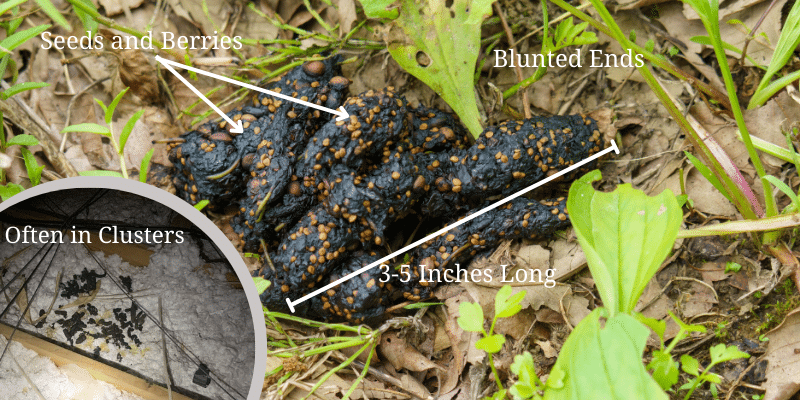
Tubular, 3-5 inces long, 3/4 inch thick, blunted ends.
Color:
Dark brown to black; varies by diet
Content:
Often includes visible berries, seeds, corn, nuts
Habitat Cues:
Found in communal latrine piles, attics, roofs, tree bases, logs, decks
Hazards:
Can contain Baylisascaris procyonis (raccoon roundworm) which is a health risk for humans & pets.
raccoon droppings
Why Poop There?
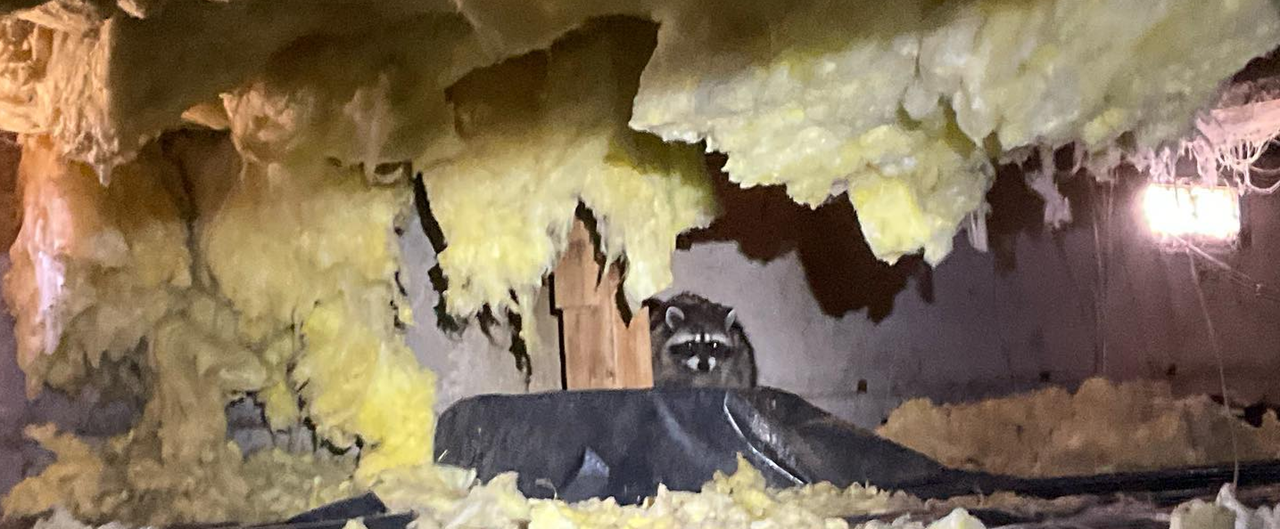
Raccoons establish communal “latrine sites.”
Typical locations:
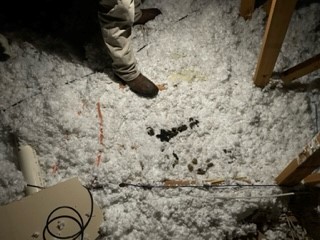
• Attic corners and insulation
• Roofs, decks, or under porches
• Base of trees, logs, or large rocks
Finding multiple droppings in one spot, especially overnight, signals an active infestation nearby.
Health Risks from Raccoon Poop
Raccoon feces can expose people and pets to serious pathogens:
• Roundworm (Baylisascaris procyonis): Eggs can remain infectious for years in soil or surfaces.
• Leptospirosis: Spread through raccoon urine; enters through skin or eyes.
• Fleas & Ticks: Droppings can harbor secondary parasites.
Never sweep or vacuum raccoon feces.
This can aerosolize eggs, leading to accidental inhalation or ingestion.
Safe Raccoon Poop Clean-Up
Follow a strict safety protocol:
Inspection & Identification – Confirm species and locate all latrine sites.
Containment & Removal – Use sealed disposal to prevent contamination.
Heat or Disinfection Treatment – Boiling water or approved biocides to neutralize eggs.
Sanitation & Odor Control – HEPA vacuuming, enzyme or fogger treatments.
Damage Repair & Prevention – Seal entry points, replace insulation, and exclude wildlife.
DIY Precautions (If You Must Handle Any Area)
If you need to temporarily isolate an area before professional service:
Wear disposable gloves, N95 mask, and rubber boots.
Lightly mist feces with water before handling (reduces dust).
Double-bag waste and dispose via municipal trash, not compost.
Wash hands and clothes with hot water + detergent.
Still, professional cleanup is the only entirely safe method.
When to Call Wildlife Control
You find droppings reappearing nightly
Pets show interest in a certain attic or yard area
• Odors, ceiling stains, or insulation damage are visible
Wildlife Control technicians are trained to handle wildlife contamination safely,
removing both the raccoons and the risks they leave behind.
CDC Warning
The CDC identifies two primary risk from raccoons:
Raccoon Roundworm (Baylisascaris) infection
Baylisascaris is a parasite in raccoon feces that cna cause severe illness, even death, if its eggs are ingested by humans, especially young children, leading to neurological and organ damage.
Rabies
Raccoons are a frequent source of rabies, a deadly viral disease transmitted through bites or scratches. The CDC advises against handling raccoons or their waste without proper protection due to these risks.
TESTIMONIALS
Why Customers Trust Critter Control
Best Wildlife Removal Company
Found strange dark droppings in your attic, roof, or yard?
They may look harmless, but raccoon poop can carry roundworm eggs (Baylisascaris procyonis) that are dangerous to humans and pets.
Racoon Droppings
Raccoon feces pose serious health risks. Learn how to identify them safely, understand the dangers, and get professional cleanup and prevention from licensed professional wildlife experts.
Shape & Size
Tubular, 3-5 inces long, 3/4 inch thick, blunted ends.
Color:
Dark brown to black; varies by diet
Content:
Often includes visible berries, seeds, corn, nuts
Habitat Cues:
Found in communal latrine piles, attics, roofs, tree bases, logs, decks
Hazards:
Can contain Baylisascaris procyonis (raccoon roundworm) which is a health risk for humans & pets.
Why Poop There?
Raccoons establish communal “latrine sites.”
Typical locations:
• Attic corners and insulation
• Roofs, decks, or under porches
• Base of trees, logs, or large rocks
Finding multiple droppings in one spot, especially overnight, signals an active infestation nearby.
Health Risks from Raccoon Poop
Raccoon feces can expose people and pets to serious pathogens:
• Roundworm (Baylisascaris procyonis): Eggs can remain infectious for years in soil or surfaces.
• Leptospirosis: Spread through raccoon urine; enters through skin or eyes.
• Fleas & Ticks: Droppings can harbor secondary parasites.
Safe Raccoon Poop Clean-Up
Follow a strict safety protocol:
Inspection & Identification – Confirm species and locate all latrine sites.
Containment & Removal – Use sealed disposal to prevent contamination.
Heat or Disinfection Treatment – Boiling water or approved biocides to neutralize eggs.
Sanitation & Odor Control – HEPA vacuuming, enzyme or fogger treatments.
Damage Repair & Prevention – Seal entry points, replace insulation, and exclude wildlife.
DIY Precautions (If You Must Handle Any Area)
If you need to temporarily isolate an area before professional service:
Wear disposable gloves, N95 mask, and rubber boots.
Lightly mist feces with water before handling (reduces dust).
Double-bag waste and dispose via municipal trash, not compost.
Wash hands and clothes with hot water + detergent.
Still, professional cleanup is the only entirely safe method.
When to Call Wildlife Control
You find droppings reappearing nightly
Pets show interest in a certain attic or yard area
• Odors, ceiling stains, or insulation damage are visible
Wildlife Control technicians are trained to handle wildlife contamination safely,
removing both the raccoons and the risks they leave behind.
CDC Warning
The CDC identifies two primary risk from raccoons:
Raccoon Roundwork (Baylisascaris) infection
Baylisascaris is a parasite in raccoon feces that cna cause severe illness, even death, if its eggs are ingested by humans, especially young children, leading to neurological and organ damage.
Rabies
Raccoons are a frequent source of rabies, a deadly viral disease transmitted through bites or scratches. The CDC advises against handling raccoons or their waste without proper protection due to these risks.
Find a Critter Control near you
TESTIMONIALS
Why Customers Trust Critter Control
Best Wildlife Removal Company
Never sweep or vacuum raccoon feces.
This can aerosolize eggs, leading to accidental inhalation or ingestion.
Raccoon Feces in Attic
Why Choose Critter Control
For over 40 years, homeowners and businesses have trusted Critter Control for safe, humane wildlife removal. Our certified technicians don’t just remove the mess — theysolve the problem for good.
Trusted Expertise: The nation’s leading wildlife control company, serving communities across the U.S. and Canada.
Humane & Compliant Methods: All services follow state and federal wildlife regulations — no shortcuts, no cruelty.
Comprehensive Solutions: From inspection and removal to cleanup and permanent exclusion, we handle it all.
Guaranteed Results: Our work is backed by a satisfaction guarantee for lasting peace of mind.
Proven Reputation: Highly rated by customers for reliability, professionalism, and ethical treatment of animals.
Get them out.
Keep them out.®
Experiencing a wildlife or pest issue? We can help! Complete this form and your local Critter Control® office will contact you to assist.