

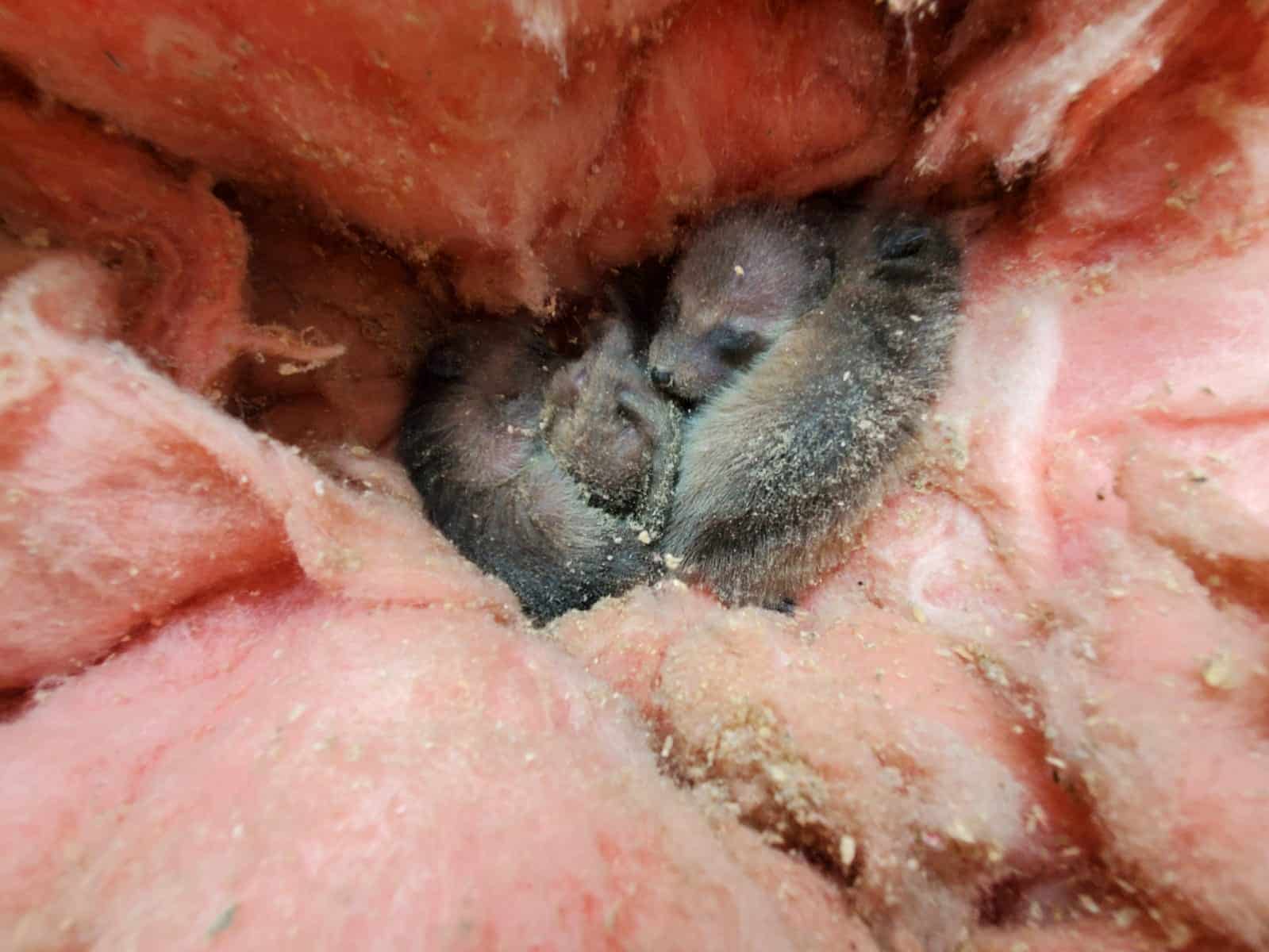
Raccoons typically give birth in late spring. You’re most likely to experience a raccoon problem at this time. Females will look for safe places to build a den early in the year, such as your attic or chimney.
After she gives birth, you’ll notice more signs of raccoons usually raccoon noises and sounds in the attic.
Raccoons are normally nocturnal. If you see one on your property during the day, you might assume it is ill with rabies. But a female raccoon will be active during the day when she has baby raccoons to feed.
Need Help with Raccoon Infestation?
Find a Critter Control near you.
When Do Raccoons Have Babies?
Generally born in late spring, when raccoons have babies, depending on the part of the country. Raccoons in Chicago and Detroit typically give birth as late as June. Homeowners in Houston will find baby raccoons in March and April.
Raccoons have only one litter per year of two to five kits. They are born deaf and blind, and so are completely dependent on their mother. Their eyes open at three to five weeks of age. By six weeks, they are becoming active, exploring the den, and beginning to vocalize. At about eight to ten weeks, they begin leaving the den with their mothers, learning to forage for food.
If you have a den with baby raccoons, you will be hearing noises, mostly at night, since raccoons are predominantly nocturnal. Raccoons are not delicate creatures. You will likely hear thumping as the mother lumbers about your attic. Once the babies become vocal at around six weeks, you might hear high-pitched chirping, chattering, or crying sounds. Sounds heard both during the day and night are a strong indication that kits are present.
Why Your Home Is an Attractive Den for Baby Raccoons?
It is during maternity season that female raccoons look for a safe den in which to raise their young. When in their natural habitat of woodlands and forests, raccoons typically live in tree cavities and hollow logs. Their needs are simple: food, access to water, and an enclosed shelter safe from weather and predators. Whether in the wild or in your neighborhood, if your property fits the bill, you could be at risk of having a raccoon choose your attic or chimney as their den.
Your Backyard
Raccoons first show up in your yard because your property fits their survival needs. They could be drawn to:
- Unsecured trash cans
- Outdoor pet food & water
- Bird feeders
- Garden vegetables and berry bushes
- Fallen fruit from trees
- A pond
- Areas with poor drainage
Your House
Raccoons are quite strong, persistent, and excellent climbers. Once they sense that your house is an easy target, they will search for vulnerabilities to get inside your home. To the raccoon, the inside of your home is warm, dry, and safe. They can rip a hole in your roof to get inside. Some of the most common ways include:
- Branches that hang over your roof
- Damaged soffits, fascia boards, or roof shingles
- Uncovered chimney or vent
- Gaps created by natural aging
Can I Remove a Raccoon Den on My Own?
We do not recommend removing a raccoon den on your own for several reasons:
- Raccoons are protected furbearers in most states. State regulations often prohibit relocating raccoons as it is considered inhumane. Raccoons are territorial, and moving them causes extreme stress unless done correctly. Catching and relocating an adult raccoon often leaves orphaned kits without a way to survive.
- You might find lots of DIY advice online, but mother raccoons will fiercely defend their young, and attempting to forcibly remove families of raccoons may lead to injury.
- Raccoons carry diseases and parasites that can be transmitted to you, your family, and your pets. Raccoons are carriers of rabies as well as parvovirus, leptospirosis, and salmonella, among others. Raccoon roundworm is the most common parasite. Raccoons will dedicate an area of your attic as their latrine, and raccoon roundworm is spread through their feces.
If you suspect that a raccoon family is nesting on your premises or in your home, you should contact professional wildlife removal services such as Critter Control.
The Critter Control Solution
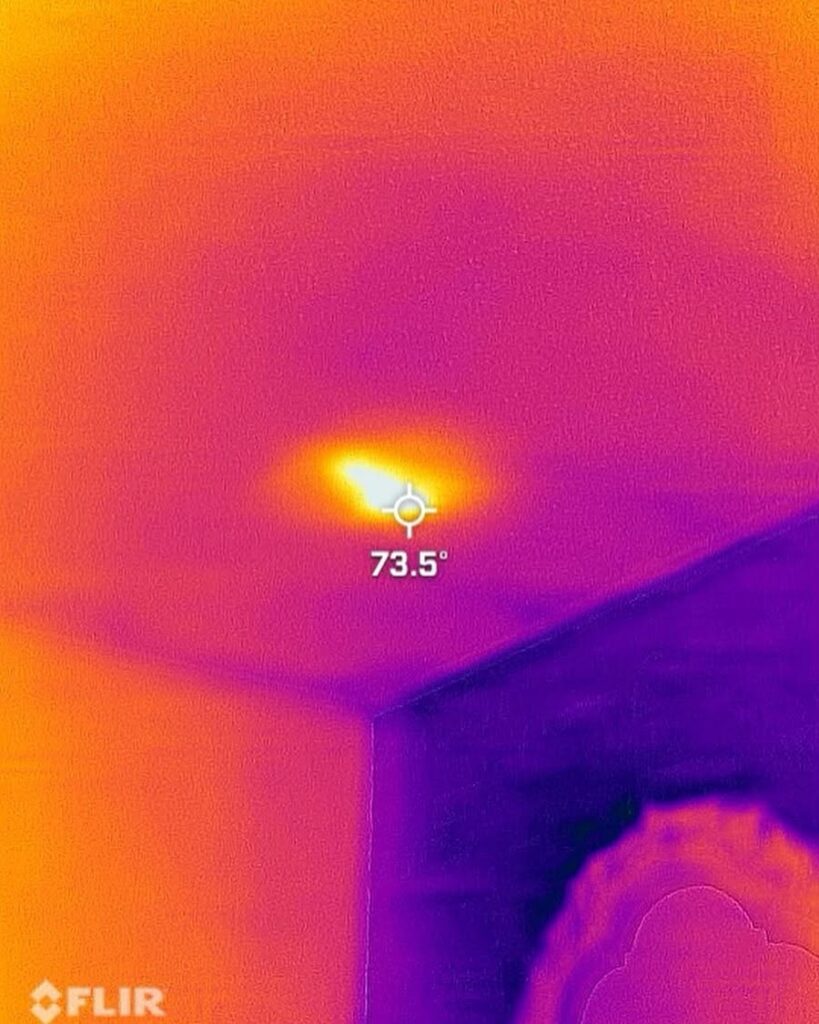
Critter Control has over 40 years of experience in the safe, legal, and humane removal of raccoons and kits:
Our process begins with an inspection to find their den, entry points, and vulnerabilities on your property and in your home. We will then remove the raccoons and kits, calling in a wildlife rehabilitation specialist if needed. Critter Control will seal all entry points to prevent further infestations and clean and sanitize the entire area to ensure your home is free from any health-related risks.
Contact Critter Control today. There’s always an office near you.
Frequently Asked Questions about Raccoon Maternity Season
Most litters of raccoons contain two to five offspring, known as kits.
Baby raccoons look very similar to adults, the only difference being their size. Newborns do not open their eyes until their third week of life, so they are dependent on their mothers. Even after baby raccoons have grown large enough to run, climb, and forage for food on their own, they stay with their mothers for about a year.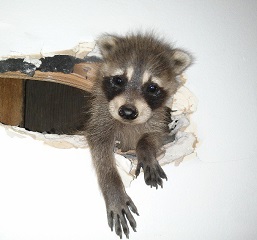
Like most mammals, baby raccoons cry when they’re hungry. If you hear cries from the attic during the day, it’s a good sign that there’s a raccoon family living in your house.
Even though baby raccoons look cute and cuddly, they will still bite and scratch. Raccoons are not born with rabies, but instead exposed to the disease at birth by the mother as she grooms the newborn.
If there is any indication that a raccoon family is nesting on the premises, property owners should contact professional wildlife removal services such as Critter Control. Attempting to forcibly remove raccoons from their families may cause injury or disease transmission. Mother raccoons will fiercly defend her young. Contacting technicians trained in the humane removal of problematic raccoons keeps all involved people and animals safe.
If you find a baby raccoon, avoid handling it. Keep the animal safe and secure as close to where you found it. If the mother hasn’t returned by nightfall, find a local wildlife rehabilitator. Do not feed the raccoon milk!
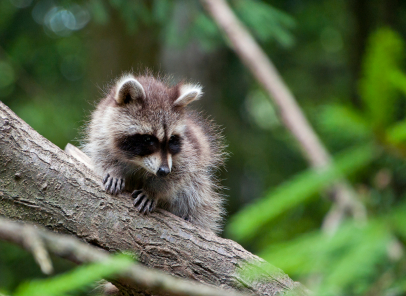
Raccoon Kit Pictures
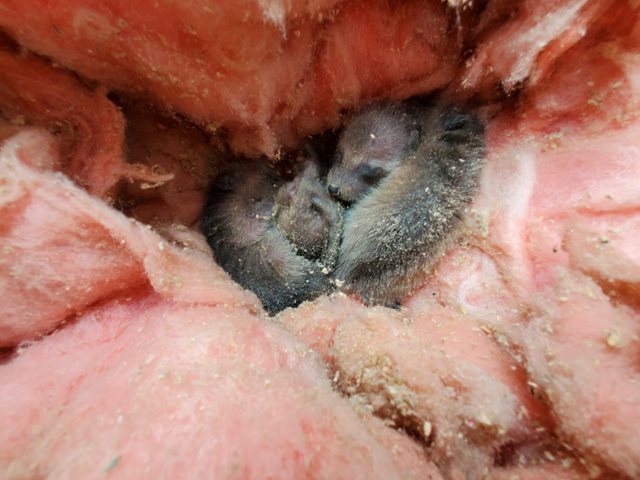
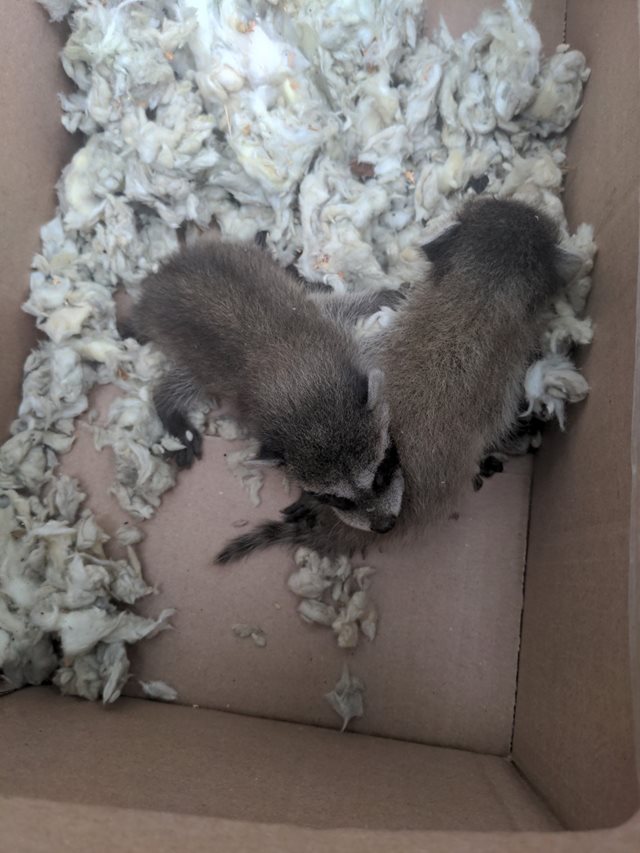
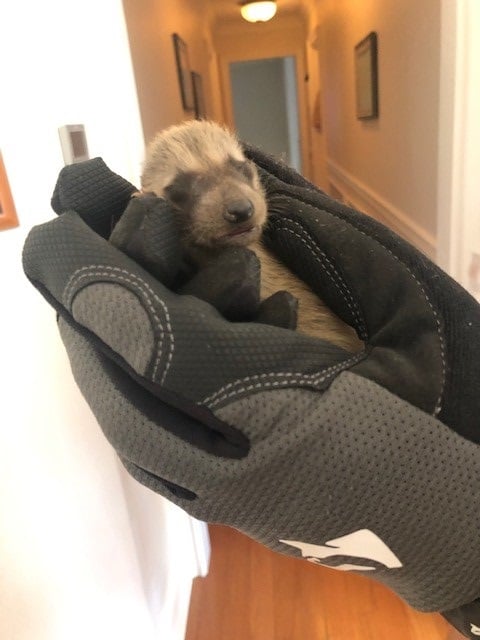
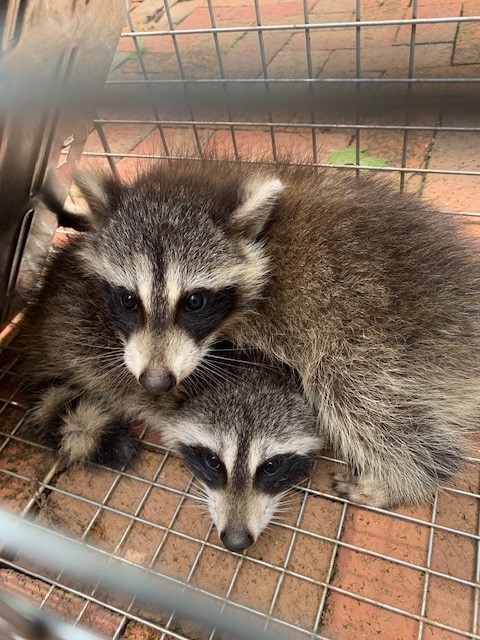
Get them out.
Keep them out.®
Experiencing a wildlife or pest issue? We can help! Complete this form and your local Critter Control® office will contact you to assist.
It is during maternity season that female raccoons look for a safe den in which to raise their young. When in their natural habitat of woodlands and forests, raccoons typically live in tree cavities and hollow logs. Their needs are simple: food, access to water, and an enclosed shelter safe from weather and predators. Whether in the wild or in your neighborhood, if your property fits the bill, you could be at risk of having a raccoon choose your attic or chimney as their den.
What Does a Raccoon Maternity Den Look Like
In your attic, an expecting raccoon will build its den from materials such as insulation, paper, cardboard, leaves, and debris it carries in. In your chimney, a raccoon creates a loose bedding area out of leaves, twigs, grass, and whatever else it finds acceptable. The bedding will usually sit on top of the smoke shelf or damper area.


- How to Get Rid of Raccoons
- Are Raccoons Dangerous?
- Raccoon Trapping Service
- Raccoon Control
- Dead Raccoon Removal
- Raccoon Diseases
- Do Raccoons Hibernate in Winter?
- Raccoon Damage
- Raccoon Diet
- Raccoon Poop
- Raccoons In Yards
- Raccoons in Basements
- Raccoons in Chimneys
- Raccoons in Crawl Spaces
- Raccoons in Houses
- Raccoons in Trash
- Raccoons in Trees
- Raccoons in Walls
- Raccoons on Roofs & in Soffits
- Raccoon Sounds
- Raccoon Tracks
- Raccoons in Attics & Ceilings
- What Does a Raccoon Look Like?