

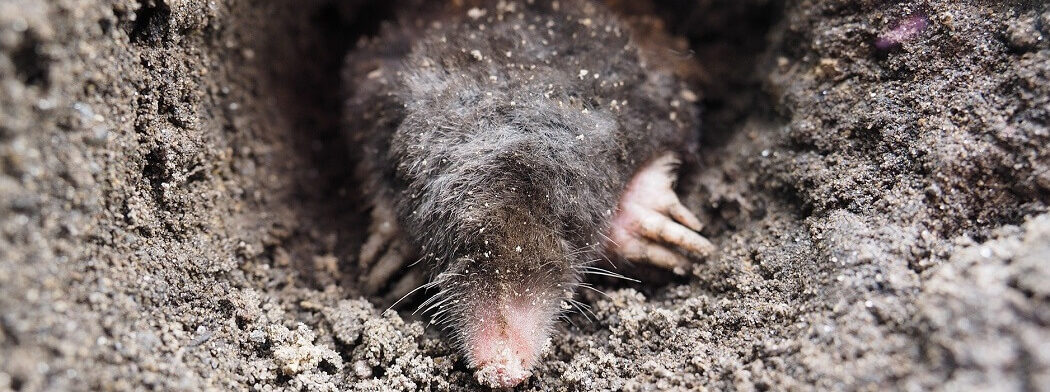
A garden with healthy soil, consistent moisture, and abundant insect activity makes your garden grow. Unfortunately, your garden can attract more than just plants. It can also attract moles.
Many homeowners assume moles feed on flowers, vegetables, or ornamental plants. In reality, moles are insectivores that spend most of their time underground searching for earthworms, grubs, and other soil-dwelling insects. While they can provide some benefits, their tunneling activity often creates problems for lawns, gardens, and landscaping.
What Attracts Moles to a Garden?
Moles are attracted to food, not plants.
Earthworms make up a large portion of a mole’s diet, along with grubs, beetle larvae, ants, and other insects found in the soil. Gardens and lawns with rich, moist soil often support healthy populations of these prey species, making them attractive habitats for moles.
Frequent irrigation can further increase mole activity because moist soil supports earthworms and other organisms that moles feed on. Although moles may disturb plant roots while tunneling, they don’t typically eat the plants themselves.
How to Identify Mole Damage in the Garden
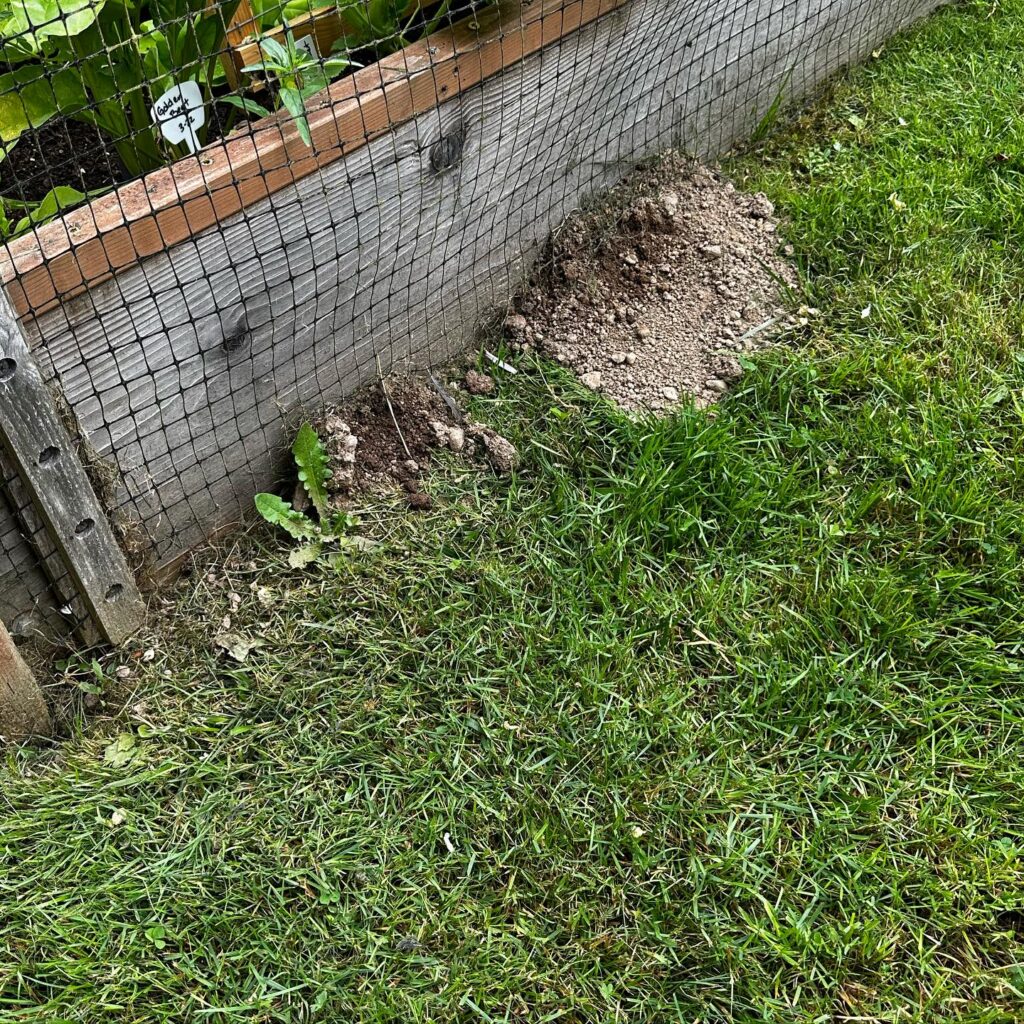
Because moles spend nearly all of their lives underground, homeowners usually notice signs of activity before seeing the animal.
Common signs include:
- Raised surface tunnels running through lawns or garden beds
- Small mounds of excavated soil, often called mole hills
- Soft or spongy areas of the ground
- Uneven turf that becomes difficult to mow
- Plants that appear stressed because their roots have been disturbed
As moles tunnel through the soil, they can sever roots, reducing a plant’s ability to absorb water and nutrients.
Because several burrowing animals can damage lawns and gardens, identifying the type of activity you’re seeing is an important first step.
Moles vs. Other Yard Pests
Moles are often mistaken for other burrowing animals, but the damage they leave behind is distinct.

Mole vs. Gopher Damage
Gophers create larger fan-shaped or crescent-shaped mounds and feed directly on roots, bulbs, and vegetation. Moles leave raised tunnels and primarily hunt insects.
Mole vs. Groundhog Damage
Groundhogs dig large burrows with obvious entrances and may feed on vegetables, flowers, and ornamental plants. Moles create shallow tunnel systems beneath the soil surface.
Mole vs. Vole Damage
Voles create narrow runways through grass and mulch and often leave gnaw marks on roots, bulbs, bark, and other plant parts. Moles don’t typically chew vegetation.
Other Types of Mole Damage in the Yard
In addition to damaging lawns and garden beds, moles can affect other areas of your landscape. Their tunneling activity may create problems for irrigation systems, hardscape features, and other underground components around the property.
Damage to Lawns and Landscaping
The most noticeable impact of moles is the network of tunnels they leave behind. These raised ridges can disrupt the appearance of a lawn, create uneven surfaces, and disturb plant root systems. Repeated tunneling can also weaken turf and make routine mowing and lawn maintenance more difficult.
Damage to Irrigation Systems and Utilities
Mole tunnels may also interfere with underground irrigation systems, landscape lighting, and other buried components. As soil shifts around tunnels, irrigation lines can become exposed or more vulnerable to damage. In some situations, extensive tunneling may contribute to soil settling around walkways, patios, driveways, or other hardscape features.
Benefits and Drawbacks of Moles in the Yard
Like many wildlife species, moles can provide some ecological benefits. Their tunneling helps aerate soil, mix organic matter, and reduce populations of grubs and other soil insects. In natural settings, these activities can contribute to healthy soil conditions.
However, most homeowners become concerned when tunneling begins affecting lawns, gardens, and landscaping.
Potential drawbacks include:
- Damage to lawns and garden beds
- Disturbance of plant root systems
- Uneven ground and landscape disruption
- Damage to irrigation systems
- Ongoing tunneling activity throughout the yard
The longer moles remain active, the more extensive their tunnel systems become.
How to Reduce Mole Activity
Reducing mole activity often involves making your property less attractive to their food sources. This includes:
- Avoid excessive irrigation and address drainage issues that keep the soil consistently wet.
- Monitor grub populations to help reduce a food source for moles.
- Inspect your yard regularly for new tunnels and soil mounds to identify activity early.
Why DIY Mole Control Can Be Difficult
Many homeowners attempt to control moles on their own; however, removing moles successfully can be challenging.
One of the biggest obstacles is determining which tunnels are active. Moles often maintain extensive tunnel systems, and traps placed in inactive runs aren’t likely to be effective. Proper trap placement requires identifying areas where moles are actively traveling and feeding.
Even if one mole is removed, another could move into the area if suitable habitat and food sources remain available.
Professional Mole Control
Professional mole control focuses on identifying active tunnels, removing problem animals, and reducing conditions that support future activity.
At Critter Control, we inspect properties to determine the extent of mole activity and develop targeted removal strategies. We can also recommend habitat modifications and other preventative measures to reduce the likelihood of recurring problems.
If mole activity is disrupting your lawn, garden, or landscape, professional assistance can help identify the source of the problem and reduce the risk of ongoing damage.
Get them out.
Keep them out.®
Experiencing a wildlife or pest issue? We can help! Complete this form and your local Critter Control® office will contact you to assist.


- How to Get Rid of Moles in Your Yard
- Moles in the Garage
- Moles in the House
- Mole Trapping
- Moles in the Basement
- How to Identify Moles in Yard
- Moles vs. Voles
- Do Moles Bite?
- Do Moles Carry Disease?
- Eastern Moles
- Hairy-Tailed Moles
- Mole Hills
- Mole Repellent
- Mole Tracks
- Shrew Moles
- Star-Nosed Moles
- Types of Moles
- Mole Diet
- What Is a Mole?
- Damage Caused by Moles
- Mole Identification
- Mole Droppings
- Mole Appearance