

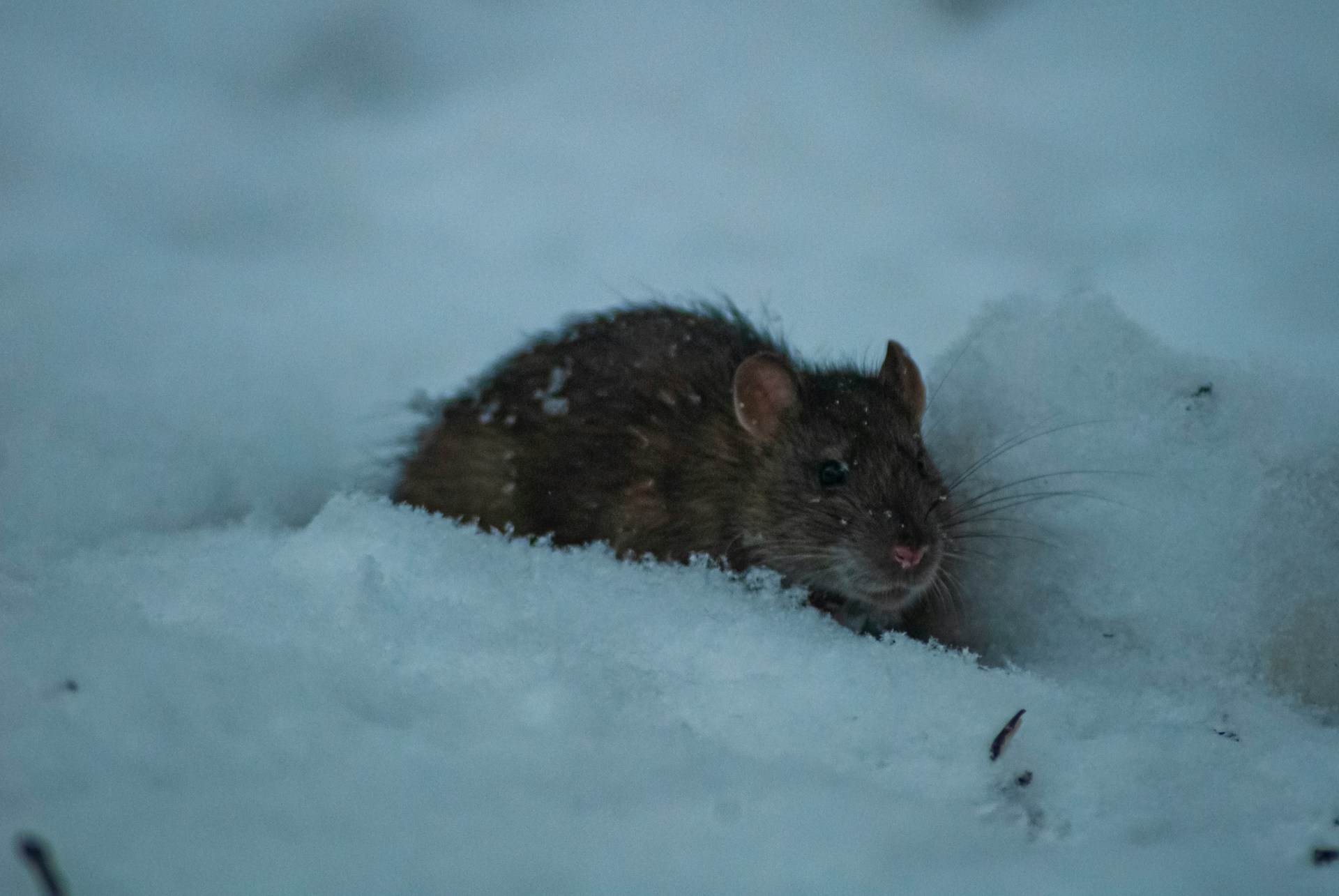
When the chill of winter hits, many animals enter a period of rest called hibernation. Hibernation is an animal’s way to conserve energy to survive winter’s cold weather and lack of food. During hibernation, body temperature drops, breathing and heartbeat slow down, and there is little to no eating. Some animals wake periodically to eat a bit, while some sleep for months. With that being said, do rodents hibernate in the winter?
The short answer: some, but not all. Understanding rodent behavior and which rodents hibernate during winter can help homeowners protect their homes, yards, and families from an infestation.
Critter Control has over 40 years of experience dealing with rodents and their seasonal behaviors. If you believe you have an infestation or want to protect against one, contact Critter Control for an inspection.
Some rodents that hibernate include:
- Prairie dogs
- Ground squirrels
- Chipmunks
- Meadow jumping mice
Even though you might see fewer rodents in winter due to hibernation, you might also see fewer rodents because they find warm places in attics and basements with easy access to food and water, where they can nest.
Unfortunately, some of the most damaging rodents that infest homes — deer and white-footed mice, rats, and many squirrels — do not hibernate. These rodents are amenable to living among people and often seek cozy homes.
When and How Long Do Rodents Hibernate?
When and how long hibernating rodents sleep in winter depends on their species and environment. Most enter hibernation in October or November and wake up in March or April. In colder regions, hibernation can begin earlier and end later. Chipmunks hibernate for three to five months and wake up sometimes to eat. Groundhogs and squirrels hibernate for about five to seven months.
When Do Rodents Hibernate?
Like other animals, rodents hibernate during winter. The specific length depends on the species, as dormancy can span from five to eight months.
Rodent hibernation usually starts in late September or October and ends between March and May.
Prairie Dogs
White-tailed prairie dogs are hibernating rodents that live mainly in the western United States in the high-elevation grasslands and shrubs of Montana, Utah, and Wyoming. Black-tailed prairie dogs live in the western and central areas of the country and are never fully dormant. They will emerge on warmer days to forage for the roots and bark available in winter. Black-tailed prairie dogs live in large colonies. If you have a burrow near your home, it can damage the roots and bark of garden trees and shrubs.
Ground Squirrels
Ground squirrels live in a variety of habitats across North America. They are hibernators, sleeping for months at a time in deep burrows that protect them from extreme cold, and sometimes wake to eat food they’ve stored there. These pests dig extensive burrows under lawns that can damage walkways, driveways, sheds, and patios, and can ruin garden beds.
Chipmunks
The hibernation period for chipmunks is more variable than that of other rodents. They rely on stored food to get them through the winter. Chipmunks tear up yards and gardens and may attempt to get into homes for shelter.
Meadow Jumping Mice
These hibernating rodents survive on stored fat during periods of inactivity. If their fat reserves are not sufficient, they will emerge from hibernation to eat. Mice problems include damaged and contaminated garden vegetables or stored grains.
Problems Caused by Hibernating Rodents
Hibernating rodents such as ground squirrels, groundhogs, and chipmunks dig elaborate burrows in lawns to wait out the winter. Unless that burrow gets damaged in winter from collapse or water, these burrows remain as their living quarters through the seasons. If you have hibernating rodents living near your home, the damage they do may become more evident in spring when they become more active and breed.
- Damage from Burrows: The tunneling many of these creatures undertake can be quite extensive, and soil shifts can unsettle shed and patio foundations, as well as walkways and driveways. In addition, their entry and exit points can pose a trip hazard for anyone walking through the yard.
- Garden Damage: When hibernating rodents wake in spring, their first order of business is eating to replenish the weight they lost over winter. Bulbs, young flowering plants, grasses, seeds, and vegetables are all susceptible to their voracious appetite.
- Mating: Mating season begins soon after rodents wake up from hibernation. Rodents will repair their burrows and build new entrances and exits as they prepare their nests for young.
- Health Risks: Rodents carry both parasites and diseases that can become a risk to you, your family, and your pets. Rodents can contaminate sheds and stored seed from their droppings and urine, and parasites such as fleas and ticks can be transferred to humans and pets. Rodents also carry diseases such as hantavirus and tularemia, which can spread to humans through contact. This is most risky when cleaning sheds and garages in spring or when disturbing their nests.
Prevention Tips for Homeowners
If you are noticing sudden activity as spring arrives, you can assume these hibernating creatures have woken up refreshed and raring to resume their active lives in your yard. These actions can help protect your property and health:
- Keep trash cans tightly sealed at all times.
- Don’t keep pet food and water outside, and clean up after bird feeders.
- Keep your property free of brush piles, trim shrubs, and keep grass short. This eliminates hiding places for rodents from predators.
- Use hardware cloth around garden beds to limit their access.
- Create raised garden beds with a bottom layer of mesh to protect plantings.
- Fill in old burrows to lessen the chance of tripping over a hole.
While prevention methods help, sometimes homeowners need extra assistance. Critter Control pest specialists have the expertise to address any concerns caused by hibernating rodents.
Call Critter Control for Professional Help
Rodents are some of the most damaging creatures to homes, landscapes, and human health, so it’s always best to bring in Critter Control as a partner in protecting your property from any animal infestation. Some of the most common calls to Critter Control involve removing mice, rats, and squirrels. We start with a free inspection, then present a plan for burrow control, exclusion, and prevention.
Rodents are prolific breeders, so early intervention with Critter Control is the smartest way to eliminate hibernating rodents. Contact Critter Control for humane, effective rodent control in your home and on your property today.
Get them out.
Keep them out.®
Experiencing a wildlife or pest issue? We can help! Complete this form and your local Critter Control® office will contact you to assist.
- Difference between Mice and Rats
- Rodent Caused House Fires
- Rodent Deterrents
- Rodent Diseases
- Rodent Droppings
- Rodent Nests
- Rodent Noises
- Rodent Repellents
- Rodent Tracks
- Rodents under the House, Deck, or Floor
- Rodents in the Attic
- Rodents in Walls
- Types of Rodents
- Rat Noises
- Mouse Noises
- Squirrel Noises