

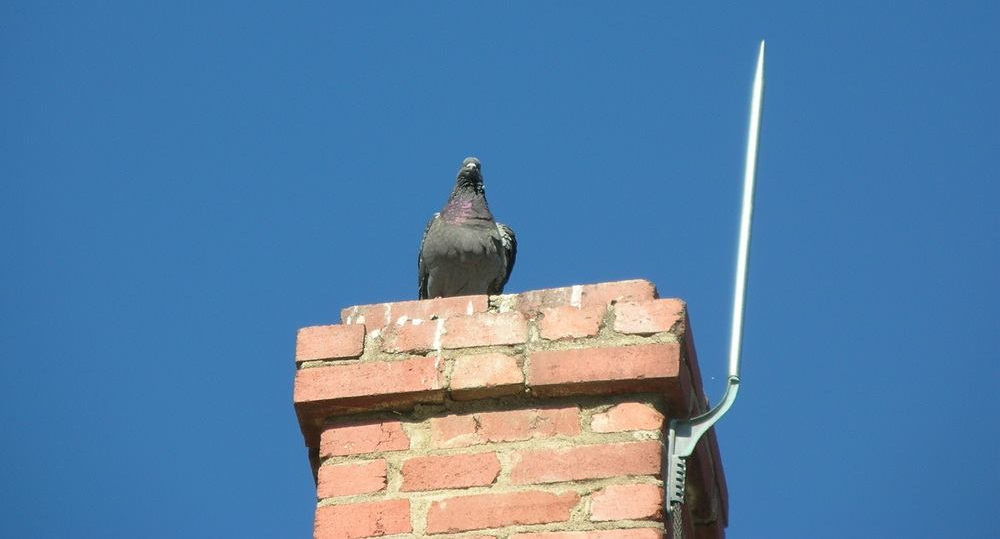
Seeing a pigeon on your roof isn’t usually a reason to worry. Pigeons are common in many neighborhoods and often perch on rooftops, chimneys, and other elevated structures. However, when pigeons return to the same area every day or begin nesting on the roof, a minor nuisance can become a larger problem.
Understanding why pigeons are drawn to roofs and identifying signs of recurring activity allow you to address issues promptly and safeguard your home from damage and persistent bird presence.
Why Are Pigeons on the Roof?
Pigeons are drawn to roofs because they provide safety, shelter, and a clear view of the surrounding area. Features such as ledges, chimneys, dormers, and solar panels create protected spaces where birds can rest, roost, or nest.
If food and water are available nearby, birds may be even more likely to stick around. Common attractants include bird feeders, outdoor pet food, unsecured trash, and standing water.
Like many wildlife species, pigeons often return to places where they’ve successfully roosted or nested before. Once they establish a routine on a property, they may continue coming back unless the conditions that attracted them are addressed.
When Do Pigeons on the Roof Become a Problem?
An occasional pigeon landing on the roof is usually harmless. However, the situation becomes more concerning when birds begin returning to the roof day after day.
Repeated activity is often one of the first signs that pigeons are becoming established on the property. You may notice birds gathering in the same area each morning or evening and repeatedly perching along rooflines or chimneys. Nesting materials such as twigs, grass, and debris may also start to appear on the roof or around the gutters.
Droppings are another sign that pigeons are spending significant time on the property. Over time, droppings can build up beneath favorite roosting spots and become increasingly difficult to clean.
It’s also worth noting how many birds are using the roof. What starts as a pair of pigeons can gradually grow into a much larger flock. As more birds begin roosting and nesting on the property, the likelihood of property damage and maintenance problems often increases.
What Problems Can Pigeons on the Roof Cause?
Pigeons may seem harmless at first, but when they return to the same roof day after day, they can pose a variety of challenges for homeowners. Common concerns include:
Droppings and Surface Damage
One of the most noticeable signs of pigeon activity is the buildup of droppings. Over time, droppings can stain roofing materials, siding, walkways, and other exterior surfaces. Heavy accumulations may also contribute to the deterioration of materials such as metal, concrete, stone, and painted surfaces.
Nesting and Drainage Problems
Pigeons often build nests in sheltered areas around rooflines, vents, and other structures. Twigs, feathers, and other nesting materials may collect in gutters and drainage systems, increasing the risk of clogs and moisture-related issues.
Interference with Roof Equipment
Pigeon nests may interfere with vents, exhaust outlets, and rooftop equipment. When twigs, feathers, and other nesting materials accumulate in these areas, airflow may be restricted, and routine maintenance can become more difficult. In some cases, additional repairs or cleaning may be necessary.
Noise Disturbances
While a few birds may go unnoticed, larger groups often create persistent cooing, flapping, and movement throughout the day. Over time, that constant activity can become an ongoing nuisance.
Health Concerns
Large accumulations of droppings are generally more concerning than occasional bird activity. When those materials build up over time, cleanup and maintenance can become more complicated.
Best Bird Control for Pigeons on the Roof
Effective pigeon control requires more than chasing birds away. Because pigeons often return to familiar roosting sites, long-term control focuses on preventing access to areas where they land and nest.
Some of the most effective strategies include:
- Reduce attractants: Securing garbage, cleaning up spilled birdseed, removing outdoor food sources, and eliminating standing water can help make a property less appealing.
- Install exclusion measures: Depending on the property, bird spikes, deterrent systems, and other exclusion methods can discourage pigeons from landing and nesting on the roof.
- Address existing nesting sites: Simply removing birds without correcting the conditions that attracted them often leads to recurring problems. If access remains available, pigeons are likely to return.
- Work with wildlife professionals: Our wildlife specialists evaluate the property to identify nesting areas, roosting sites, and attractants. We can develop a customized plan that may include bird removal, exclusion services, habitat modification, and repairs.
Professional Pigeon Control for a Solution That Lasts
Pigeons can quickly turn a roof into a regular roosting site if the problem isn’t addressed early. What starts as a few birds resting overhead can gradually lead to nesting activity, droppings accumulation, clogged gutters, and property damage.
If pigeons are regularly gathering on your roof, it’s a good idea to address the problem before it becomes more difficult to manage. Critter Control can help. We provide humane bird control solutions designed to address existing pigeon problems and help prevent future activity around your home.


