

Skunks are a common pest issue in Lancaster, PA. They are widely feared for their malodorous spray, which they use to defend against predators and people that get too close. The pests also dig conical holes throughout Lancaster lawns looking for food and nest under porches and houses.
Their denning and digging has an effect on the structural integrity of buildings and makes lawn care difficult.
Since skunks are known carriers of rabies, infestations should be taken care of as soon as possible. Rabid skunks tend to foam at the mouth, behave erratically and aggressively, and move as though off balance or confused.
When Are Skunks a Problem in Lancaster County?
You’re most likely to experience a skunk problem in your yard when their activity is the highest. That’s usually in the spring, during mating season, and in the fall, as they prepare for winter.
Pennsyvlania Skunk Breeding Season
The most likely time to experience a skunk problem on your property is during mating season. Skunk mating season starts in February. If you have skunks on your property, you will smell it.
Males wander in search for females in heat. If a female spurs his advances, she will spray. Males typically spray during fights over females. A minor skunk problem can quickly magnify during breeding season.To avoid a skunk’s spray, rely on professional handling and skunk trapping. Removing food supplies is one of the most effective ways to prevent a skunk from entering your property.
Skunks invade yards in search of food and a safe place to burrow. Female skunks will look for a safe place to give birth to their litter. A littler typically consists of four to seven pups. Gestation lasts a little over sixty days. After which point, juvenile skunks will accompany their mother out to look for food. The family stays together until fall.
Preparing for Winter
Fall in Pennsylvania brings rain, which saturates the soil and brings earthworms to the surface. Skunks utilize the “easy pickings” as a chance to fatten up before winter. When skunks forage in lawns, it can often look like someone ran a rototiller across your yard.
Skunk Control in Lancaster County
Sheds, porches, and crawlsapces make ideal burrowing locations which can lead to structural damage. During this inspection, we found evidence the skunk had clawed her way into the crawlspace.
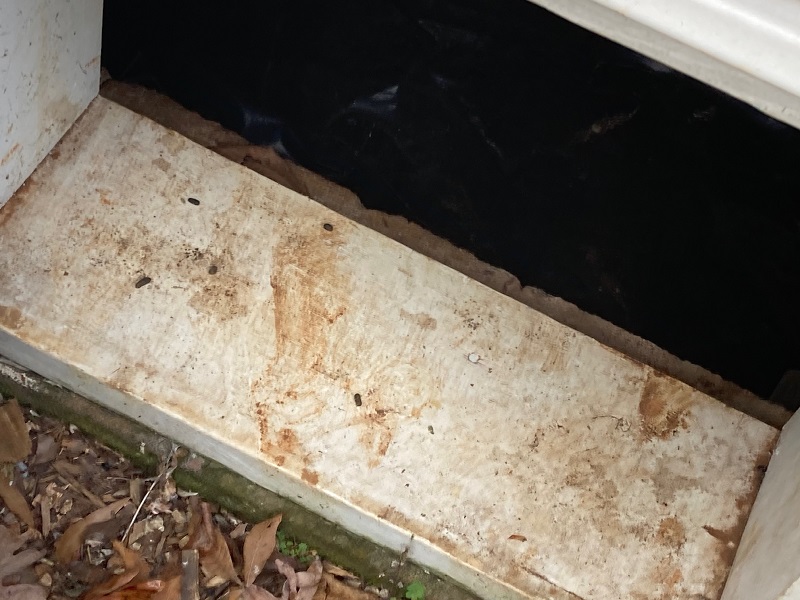
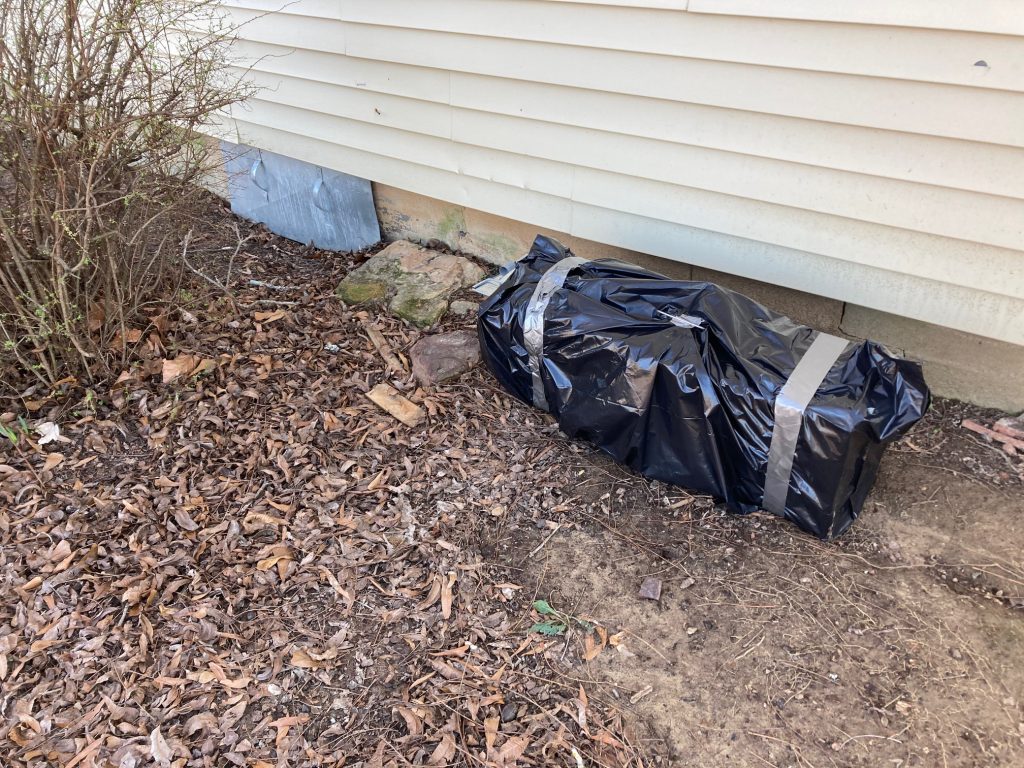
We set a skunk trap with peanut butter bait and blocked the entrace to the crawlspace. Before the skunk release, we reinforced the entrance to the crawl space and suggest hardware cloth around the porch.
Skunk Prevention
Skunks have poor eyesight. It is easy to stumble upon a skunk in your yard and startled it. A startled skunk is a spraying skunk. If you smell evidence of skunks on your property, call Critter Control to safely remove them. You don’t want yourself, your pet, or your home to get sprayed.
Get them out.
Keep them out.®
Experience wildlife or pest issue? We can help! Complete this form and your local Critter Control® office will contact you to assist.Contact Critter Control of Lancaster: 1.800.274.8837 (800.CRITTER)


