

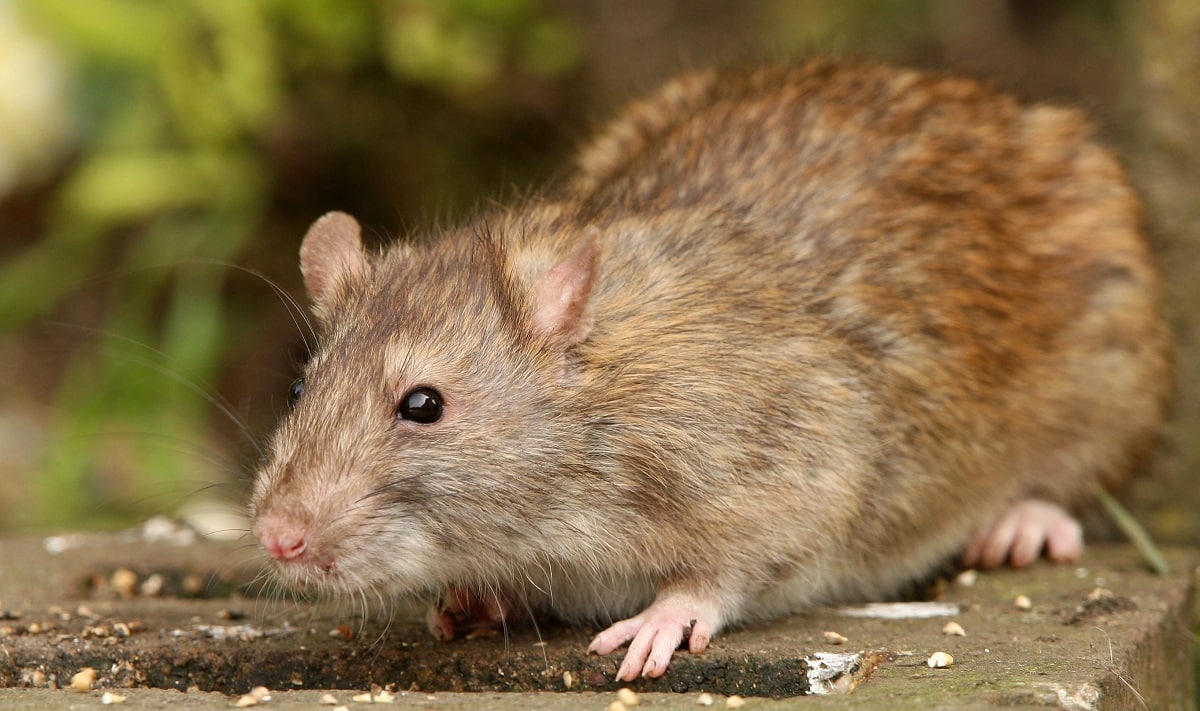
You might catch a quick movement along a wall, hear what sounds like rat noises, or spot something small scurrying along out of the corner of your eye. It’s natural to pause and wonder, “Could that be a rat?” And if so, what does a rat look like up close? Knowing what a rat looks like helps you to recognize early signs, ask the right questions, and keep your home a safe, comfortable place for your family.
We know how important peace of mind is to you and your family. Our team at Critter Control takes a calm, careful approach to identifying rat activity and removing wildlife humanely. We’re here to offer dependable guidance and safe solutions whenever you need support.
How to Identify a Rat
When you notice something moving around your home, it helps to understand what you’re seeing so you can protect your space. Most homeowners come across Norway rats, roof rats, or pack rats, and each has traits that make identification easier. In general, rats have rounded ears, long tails, and fuller bodies than mice.
Those differences matter, especially when you’re trying to figure out if you’re dealing with a single animal or signs of a larger issue. Clear identification supports your family’s safety, helps keep living areas clean, and provides a dependable starting point for addressing new activities.
Norway Rats
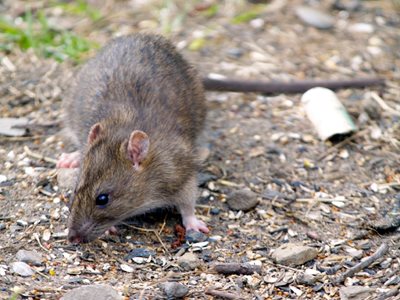
Norway rats have sturdy bodies, brown or brown-gray fur, and hairless tails that are typically shorter than their bodies. Their ears are small and set close to the head, giving them a compact, heavy appearance. These traits are part of the classic Norway rat’s characteristics, and they often help homeowners distinguish it from lighter, more agile species.
Roof Rats

Roof rats are slimmer and more agile than Norway rats, with darker fur that ranges from deep brown to black. Their tails are long and usually darker than their coats. If you’ve ever wondered, “What does a roof rat look like?” picture a sleek, quick-moving rodent built for climbing and navigating the upper parts of a home.
Pack Rats

Pack rats, also called woodrats, have softer brown or gray fur, large, rounded ears, and noticeably hairy tails, which set them apart from other species. They average around six inches in body length and often look more “wide-eyed” or expressive than Norway or roof rats. Their appearance can surprise homeowners who expect a typical city rat but instead find a more rustic, forest-adapted species.
Rats vs. Mice
Telling rats and mice apart helps you understand what kind of activity you’re dealing with and how quickly you may need to respond. Their size and features offer helpful clues:
- Rats: Rats have thick, scaly tails, larger heads, and a heavier overall build. Their eyes are smaller and beadier, giving them a more compact, sturdy appearance. These features make them stand out when compared with the lighter bodies and finer details of mice.
- Mice: Mice tend to look more delicate. They have thin, slightly translucent tails, triangular heads, pointy snouts, and noticeably large eyes and ears. Their bodies are small and streamlined, which often makes them faster and more agile than rats.
- Juvenile Rats: Juvenile rats are often mistaken for mice, but their proportions give them away. Their feet, heads, and ears look oversized for their bodies, indicating they’re young rats rather than small adult mice.
Where Do Rats Nest in Homes?
Rats usually nest in quiet, hidden spaces where they feel safe and can gather nesting materials without disturbance. However, different species of rats choose different nesting spots:
- Norway rats often stay low to the ground. They build burrows along foundations, settle in crawl spaces, or hide in basements where the environment is cooler.
- Roof rats prefer height. These rats nest in attics, rafters, upper cabinets, and other elevated areas that give them cover and easy access to food sources.
- Pack rats are more common around wooded properties. They move into barns, sheds, outbuildings, or cluttered storage areas, gathering twigs and other debris to build bulky nests.
If you’re pretty sure you have rats in your home, you might wonder, “What does a rat’s nest look like?” Generally, it’s a crumpled pile of shredded paper, insulation, and other materials readily available in your home.
Diseases & Hazards From Rats
Rats can carry illnesses such as rat-bite fever, Salmonella, and, in rare cases, Hantavirus. These diseases are uncommon in households, and the risk stays low when cleanup and removal are done correctly.
Structural issues are more common: rats may gnaw through wires, insulation, or stored materials, leading to avoidable repairs if the activity goes unchecked.
Professional support is the safest way to manage these concerns. Our team at Critter Control is trained to address health risks, repair damage, and prevent future problems with dependable, humane service.
Critter Control’s Safe Rat Removal Process
If you’ve noticed new activity around your home but aren’t sure what type of rat you’re dealing with, our team is here to help. We take a careful, humane approach that protects your family, your property, and the wildlife involved.
Our process includes:
- Thorough inspection to locate nesting areas and entry points
- Rat identification to confirm the species and guide the safest strategy
- Humane removal using methods, such as trapping the rats, that are designed to reduce stress on the animals
- Sanitation to clear contaminated materials and restore healthier conditions
- Exclusion and prevention to seal openings and help keep rats from returning
When you want clear answers and dependable protection, call Critter Control. We’ll help you move forward with confidence and learn more about rat removal whenever you’re ready.
Learn more about rat removal.
Get them out.
Keep them out.®
Experiencing a wildlife or pest issue? We can help! Complete this form and your local Critter Control® office will contact you to assist.


- Baby Rats
- Do Rat Repellents Work?
- Do Rats Hibernate in Winter?
- Dead Rat
- Rat Droppings
- Diseases from Rats
- Rat Bites
- Rat Life Cycle
- Identify Rat Noises Inside Your Home
- Rat Tracks
- Rat Traps & Baits
- Rat Tunnels in Attic
- Rats in Cars
- Rats in Crawl Space
- Rats in Homes
- Rats in Walls
- Types of Rats
- What Can Rats Chew Through
- What Do Rats Eat?
- Where Do Rats Nest?