

Find a Rat Control near you with a 5-digit zip code
Finding a baby rat inside your home or outside in your yard is a problem that should not be ignored. It’s a sign of a much larger (and damaging) rat infestation.
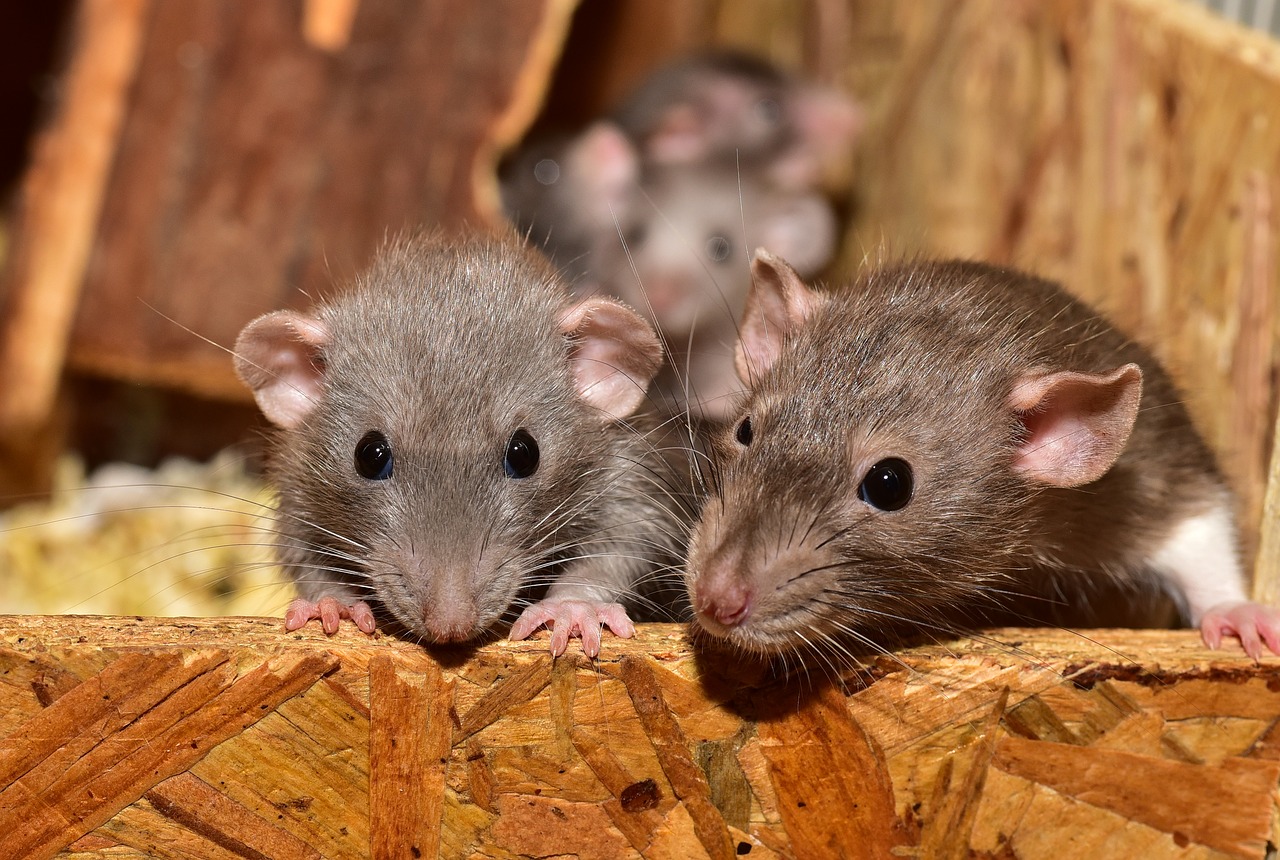
When born, baby rats, called pups, are the size of a jelly bean. They have no hair, are blind, and completely dependent on their mothers. Their fragility doesn’t last long. By three weeks old, they have fur, can see clearly, and are ready to join their more mature family members in your pantry or cabinets.
A baby rat indicates that a nest is nearby and an established infestation is present in your home. By six weeks old, that baby rat will be sexually mature and on its way to having a litter of its own. Many people don’t realize how many babies rats have. Rats can have a litter of 6 to 12 pups every 28 days, making them among the most reproductively successful creatures. What begins as just a couple of rats can explode into a thriving colony before you even realize they’re there. That’s why identifying the signs of a rat infestation early on is key.
The Differences Between Baby Rats and Mice
Though baby rats and mice look similar in many ways, size is the most reliable way for most homeowners to distinguish between the two. This is also true at the early stages of development. Even a relatively young rat is larger than an adult mouse, although if you’re not seeing them side-by-side, size may not be enough to make an identification.
A baby rat’s shape helps with identification. A baby rat’s head and feet are noticeably large for its body compared to those of mice, whose body parts are more proportional. However, it’s easy to distinguish a baby rat vs. a mouse by looking at their ears and tails. Mice have large ears compared to their heads, while rat ears are small. In addition, a mouse tail is thin and long with hair, while a rat’s tail is thicker, shorter, and hairless.
Rats and mice behave differently, too. Mice are more active and curious. They will explore their surroundings with more abandon than a baby rat that will stay close to the nest.
Even if you’ve correctly identified the infestation, a rodent infestation is a serious issue that requires immediate attention. Critter Control will not only confirm the identity of the rodent in your home, but also present you with a plan for rat or mouse removal and remediation.
Why Baby Rats Stay Near Homes
Baby rats stay near their nest not only because they are entirely dependent creatures but also because they are, by nature, cautious of their surroundings. For the first weeks of their life, a baby rat’s diet consists of its mother’s milk, like most mammals.
Rats have learned to live alongside humans over thousands of years because of the shelter, safety, food, and water they know they can access. The dark, secluded areas of our homes — attics and basements — provide them with a relatively safe and warm place to build their nests and raise their young. Our trash cans, pet food, pantries, and leaky faucets provide the food and water they need to thrive.
Risks of Baby Rats in Your Home
The most critical issue with seeing baby rats in your home is that their unseen parents are there too! It means there are many more babies and adults that you have not seen. Rats are nocturnal and do most of their damage at night. If baby rats are around, it means that you have an established infestation and more babies are on the way.
Health Risks
Baby rats pose the same serious health threats as mature rats. They contaminate the food in your pantry. Rat droppings, urine, and saliva carry diseases such as hantavirus, salmonella, plague, and leptospirosis, among others. Their nests also carry these diseases as well as parasites.
Property Risks
Baby rats quickly turn into mature rats that gnaw their way through your home, causing costly structural damage and safety concerns. Rats chew constantly. Rodents in the attic will gnaw on wood framing, insulation, stored items, plumbing, and electrical wires. Unfortunately, their damage often goes unnoticed until it becomes significant, as it happens out of sight in attics, wall voids, and basements.
Trust Critter Control With Rat Control
Rodents reproduce quickly. If residents discover a baby rat in the house, then an infestation has already begun. The longer rats remain in your home, the greater the risk of severe damage and health issues.
While some exterminators focus only on getting rid of the rats, Critter Control also provides effective remediation and restoration of your home. You can trust Critter Control for the humane and safe removal of rats in your home. In addition, Critter Control identifies and can eliminate the vulnerabilities in your home that allowed the rats to enter in the first place, such as sealing up gaps in windows and doors, and repairing loose roofing shingles. Critter Control will also identify aspects of your landscape that attract rats to your yard. Lastly, Critter Control will clean up nests, torn insulation, and more, sanitizing the infested area.
Contact Critter Control for a free inspection. With over forty years of experience and an office near you, you can count on us to remove the entire rat population in your home and prevent their return.
Get them out.
Keep them out.®
Experiencing a wildlife or pest issue? We can help! Complete this form and your local Critter Control® office will contact you to assist.
- Do Rat Repellents Work?
- Do Rats Hibernate in Winter?
- Dead Rat
- Rat Droppings
- Diseases from Rats
- Rat Bites
- Rat Life Cycle
- Identify Rat Noises Inside Your Home
- Rat Tracks
- Rat Traps & Baits
- Rat Tunnels in Attic
- Rats in Cars
- Rats in Crawl Space
- Rats in Homes
- Rats in Walls
- Types of Rats
- What Can Rats Chew Through
- What Do Rats Eat?
- What Does a Rat Look Like?
- Where Do Rats Nest?