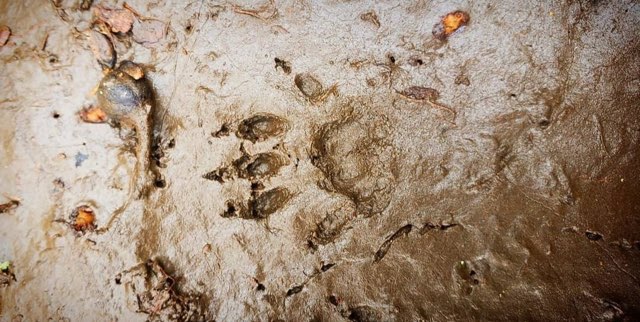
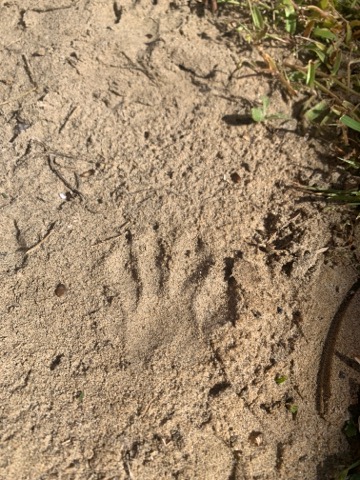
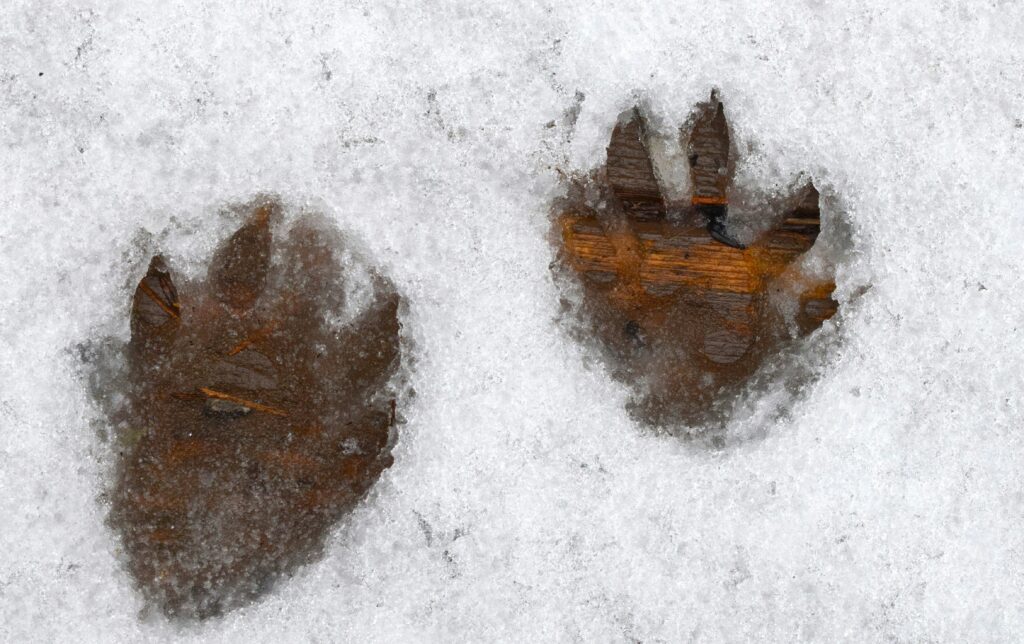
Small paw prints by your porch or attic vents could be a raccoon’s. Here’s how to identify them, and what they mean for your home. Tracks this close to your home usually mean an animal is nesting nearby. Learn what to look for and when to call a professional.
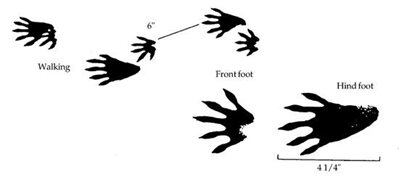
How to Identity Raccoon Tracks
Raccoons have unusual gaits, carrying the majority of their weight on their back ends. This puts the fore and hind paw tracks side by side or slightly offset from each other.
Common Places You’ll Find Tracks
Along fences, decks, and crawl spaces
Near trash cans or pet bowls left outside
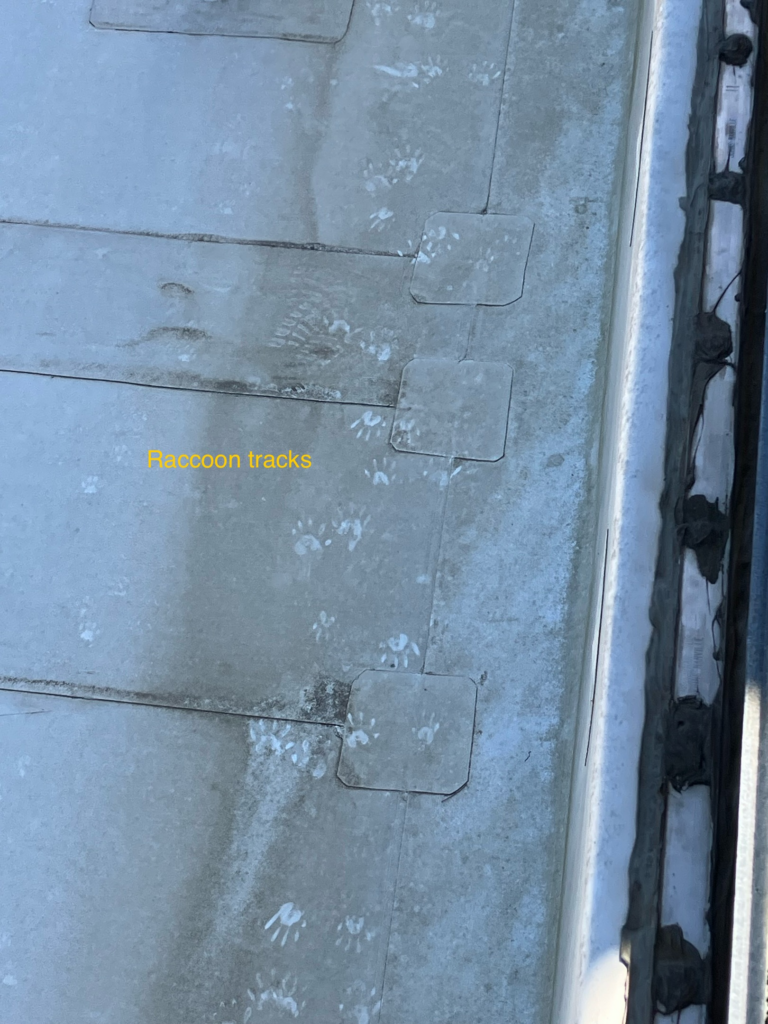
Across rooftops, gutters, or chimneys
Around garden beds or compost piles
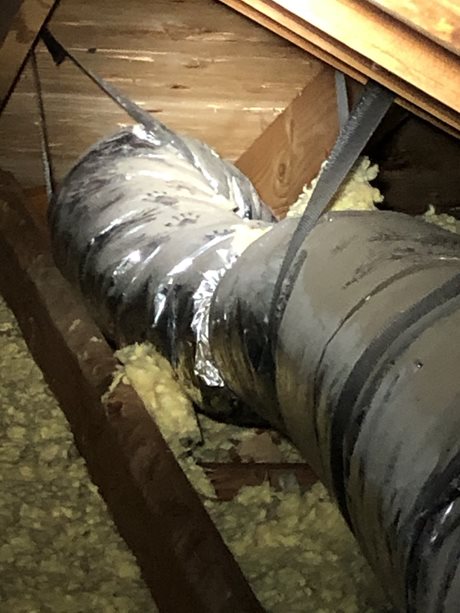
Inside attics or garages, when entry points exist
Seeing repeated prints in these areas suggests a regular route. If the tracks lead toward vents, soffits, or wall openings, the animal may already be nesting inside.
Tracks plus noises or odor: Often signals entry into attics, walls, or crawl spaces
When multiple signs appear together, it’s time to act! Wildlife can quickly fray wires, contaminate insulation, and create health hazards through droppings and parasites.
If you’re seeing fresh raccoon tracks, request a professional inspection today. Schedule Inspection.
Why Raccoon Tracks Are Cause for Concern
Raccoon tracks can indicate the presence of nearby latrines, a type of communal waste dump created by pests. Humans can easily breathe in roundworm eggs found in raccoon scat when they accidentally disturb dried droppings. In addition to roundworms, the bacterial infection leptospirosis is transmitted from animals to humans in this way. Latrines are often found in garages, attics, and walls, so these are good places to check for raccoons.
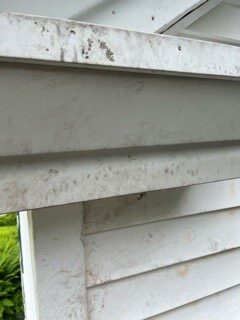
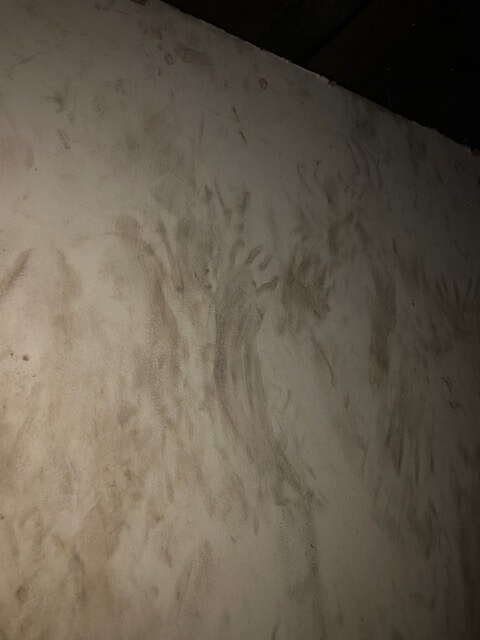
Raccoon tracks from climbing on walls.
Tracks to Trouble: Why It Matters
What begins as a few footprints can turn into serious house damage. Raccoons often use the same paths repeatedly, marking them with scent trails that invite return visits.
Unaddressed tracks can lead to:
Roof or attic entry: Gaps in shingles, soffits, or vents become gateways
Structural damage: Gnawed wood, wiring, or insulation
Health risk: Droppings, urine, and parasites can spread diseases
Critter Control’s licensed teams use professional tracking and inspection methods to locate the source of activity, remove the animal humanely, and seal entry points to stop future access.
Raccoon tracks on the duct in the attic.
How to Solve Raccoon Issues
Our proven 4-step process protects both you and the animal:
Inspect & Confirm: We identify the species by its tracks, droppings, activity, and entry points.
Remove Safely: Humane trapping or eviction methods that comply with local and state laws.
Seal & Prevent: Permanent exclusions keep critters out.
Remediation: Sanitization and ectoparasite agents eliminate health risks to you and your family.
Raccoon Tracks on Walls
How to Identify Raccoon Tracks Outside
Raccoons often track through mud, which is why raccoon prints are usually found on tabletops or cars.
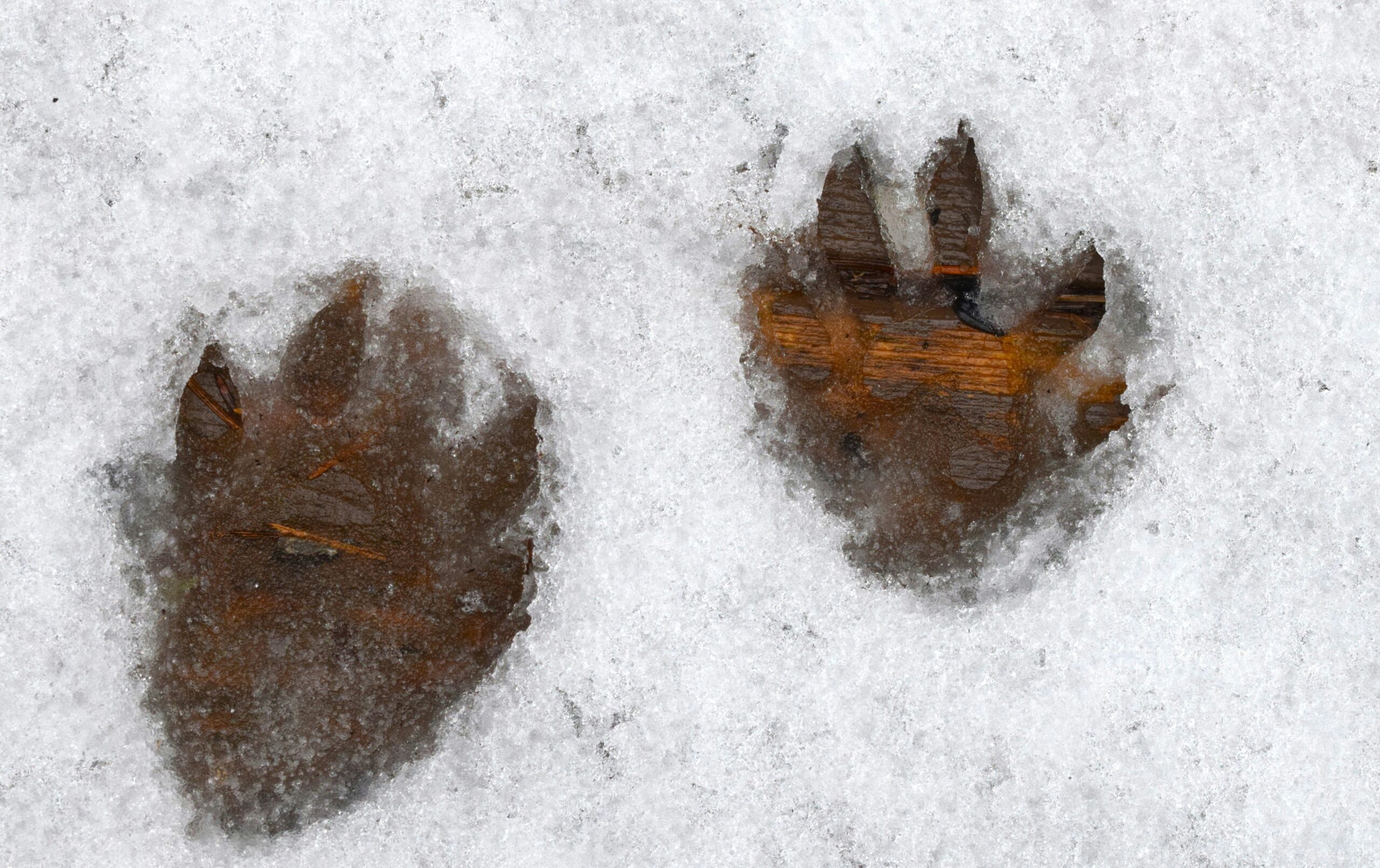
Small paw prints by your porch or attic vents could be a raccoon’s. Here’s how to identify them, and what they mean for your home. Tracks this close to your home usually mean an animal is nesting nearby. Learn what to look for and when to call a professional.
How to Identify Raccoon Tracks
Raccoons have unusual gaits, carrying the majority of their weight on their hind legs. This puts the fore and hind paw tracks side by side or slightly offset from each other.
What Raccoon Tracks Can Tell You
The position, depth, and freshness of the tracks reveal how close or how recent the activity is.
Fresh & defined tracks: The animal is active on your property right now
Tracks plus noises or odor: Often signals entry into attics, walls, or crawl spaces
When multiple signs appear together, it’s time to act! Wildlife can quickly fray wires, contaminate insulation, and create health hazards through droppings and parasites.
If you’re seeing fresh raccoon tracks, request a professional inspection today. Schedule Inspection.
Why Raccoon Tracks Are Cause for Concern
Raccoon tracks can indicate the presence of nearby latrines, a type of communal waste dump created by pests. Humans can easily breathe in roundworm eggs found in raccoon scat when they accidentally disturb dried droppings. In addition to roundworms, the bacterial infection leptospirosis is transmitted from animals to humans in this way. Latrines are often found in garages, attics, and walls, so these are good places to check for raccoons.
Tracks to Trouble: Why It Matters
What begins as a few footprints can turn into serious house damage. Raccoons often use the same paths repeatedly, leaving scent trails that invite return visits.
Unaddressed tracks can lead to:
Roof or attic entry: Gaps in shingles, soffits, or vents become gateways
Structural damage: Gnawed wood, wiring, or insulation
Health risk: Droppings, urine, and parasites can spread diseases
Critter Control’s licensed teams use professional tracking and inspection methods to locate the source of activity, remove the animal humanely, and seal entry points to stop future access.
How to Solve Raccoon Issues
Our proven 4-step process protects both you and the animal:
Inspect & Confirm: We identify the species by its tracks, droppings, activity, and entry points.
Remove Safely: Humane trapping or eviction methods that comply with local and state laws.
Seal & Prevent: Permanent exclusions keep critters out.
Remediation: Sanitization and ectoparasite agents eliminate health risks to you and your family.


9095.jpg)