

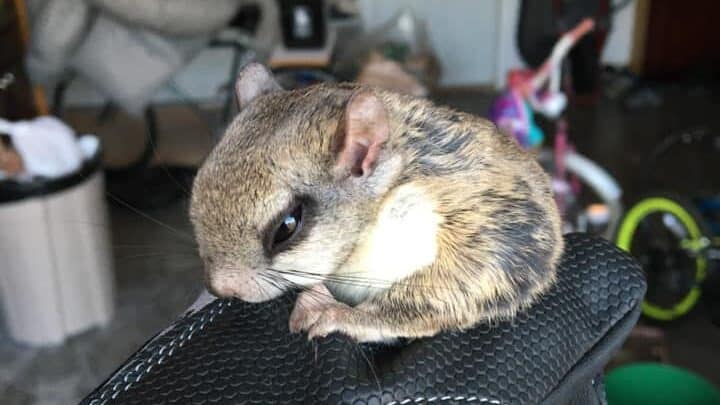
To a flying squirrel with a bird’s eye view, your home can look like an ideal nesting site. Attics, walls, chimneys, and other protected spaces offer warmth, security, and shelter from predators and harsh weather.
Once flying squirrels find a suitable entry point, they may return night after night and establish nests inside the structure. These animals are also more social than many homeowners realize. During colder months, several flying squirrels may share the same nesting area for warmth and protection. This is known as brumation. In some cases, homeowners may find a small group of squirrels occupying their attic.
While they may be small, flying squirrels can create significant problems indoors. Nesting activity can damage insulation, while droppings and urine may contaminate affected areas of the home.
Most Common Places Flying Squirrels Nest in a House
Flying squirrels prefer dark, protected spaces that resemble the natural cavities they use in the wild.
Attics
Attics are among the most common nesting locations for flying squirrels. These areas provide warmth, security, and plenty of nesting material. Flying squirrels often tear and compress insulation to create nests, reducing its effectiveness and potentially increasing heating and cooling costs.
Walls
Wall voids offer excellent shelter and allow flying squirrels to move throughout the structure without being seen. After entering through the roofline or attic, they may travel into wall spaces where they can rest during the day and remain protected from disturbances.
Chimneys
An uncapped chimney can closely resemble the hollow tree cavities flying squirrels naturally seek. These protected vertical spaces can provide temporary shelter or serve as a nesting location, particularly when the chimney isn’t used regularly.
Soffits and Eaves
Soffits, eaves, and roof intersections are common access points for flying squirrels. Small gaps along the roofline may allow them to enter attic spaces, where they can establish nests nearby and continue using the same routes night after night.
Vents and Utility Gaps
Flying squirrels can fit through surprisingly small openings. Damaged vent covers, gaps around utility lines, and openings where cables or pipes enter the home can all provide easy access. These overlooked entry points often allow squirrels to enter and leave the structure undetected.
Signs of Flying Squirrels Nesting in the House
Because flying squirrels are primarily nocturnal, homeowners often hear or smell signs of activity before they ever see the animals themselves.
Scratching Noises
One of the most common signs is scratching, scurrying, or light running sounds coming from the attic, ceiling, or walls after sunset. Flying squirrels are most active during the evening and overnight hours, so nighttime noises can be an important clue that they’re present.
Droppings
Droppings may accumulate near nesting sites, entry points, or frequently traveled areas. Over time, droppings can contaminate insulation and other materials, creating sanitation concerns within the home.
Strong, Stale Odors
As urine, droppings, and nesting materials build up, homeowners may notice a strong musty or stale odor. These smells often become more noticeable in attics, wall voids, and other enclosed areas with limited airflow.
Gnaw Marks
Like other rodents, flying squirrels have continuously growing teeth and regularly gnaw on materials to keep them worn down. Gnaw marks on wood, siding, insulation, or around entry points may indicate active squirrel activity and can create larger openings that allow additional wildlife to enter.
Is a Flying Squirrel in Your Living Room?
Finding a flying squirrel in a living room, bedroom, or other occupied area can be alarming. In many cases, the animal didn’t intentionally enter the space.
Why Is a Flying Squirrel in the Living Room?
A flying squirrel may find its way into the living area while moving through wall voids, ceilings, or attic spaces. Damaged building materials, interior gaps, or openings around fixtures can allow the animal to accidentally emerge inside the home.
Young squirrels may also become separated from a nesting area and wander into occupied spaces while exploring their surroundings.
What Should You Do Next?
If you find a flying squirrel in your living room, remain calm and limit activity in the area. Keep children and pets away from the animal, and close interior doors to prevent it from moving into other parts of the home.
Avoid chasing, cornering, or attempting to handle the squirrel. Frightened wildlife can injure itself or bite in an attempt to escape. Instead, observe where the animal was seen and note any unusual noises or signs of activity elsewhere in the home. This information can help identify the nesting area and how the squirrel gained access.
Professional Flying Squirrel Removal and Exclusion
Getting rid of flying squirrels takes more than removing the animals you see. To solve the problem for good, you need to find where they’re nesting, identify how they’re getting inside, and close off those entry points.
Our wildlife specialists inspect the property to locate squirrel activity, safely remove the animals, and develop a customized exclusion plan. We seal entry points, recommend repairs, and help make your home less inviting to wildlife.
Without proper exclusion, new squirrels may use the same openings and create the same problems. If you suspect flying squirrels are nesting in your home, contact Critter Control for a professional inspection and long-term solution.
Get them out.
Keep them out.®
Experiencing a wildlife or pest issue? We can help! Complete this form and your local Critter Control® office will contact you to assist.


- Flying Squirrels in the Attic
- Flying Squirrels in the Walls
- Flying Squirrel Sounds
- Flying Squirrel Droppings
- Flying Squirrel Traps & Deterrents
- Flying Squirrel Nests
- How to Identify a Flying Squirrel
- Do Flying Squirrels Carry Diseases?
- Do Flying Squirrels Fly?
- Do Flying Squirrels Hibernate?
- Flying Squirrels on the Roof
- Where Do Flying Squirrels Nest?