

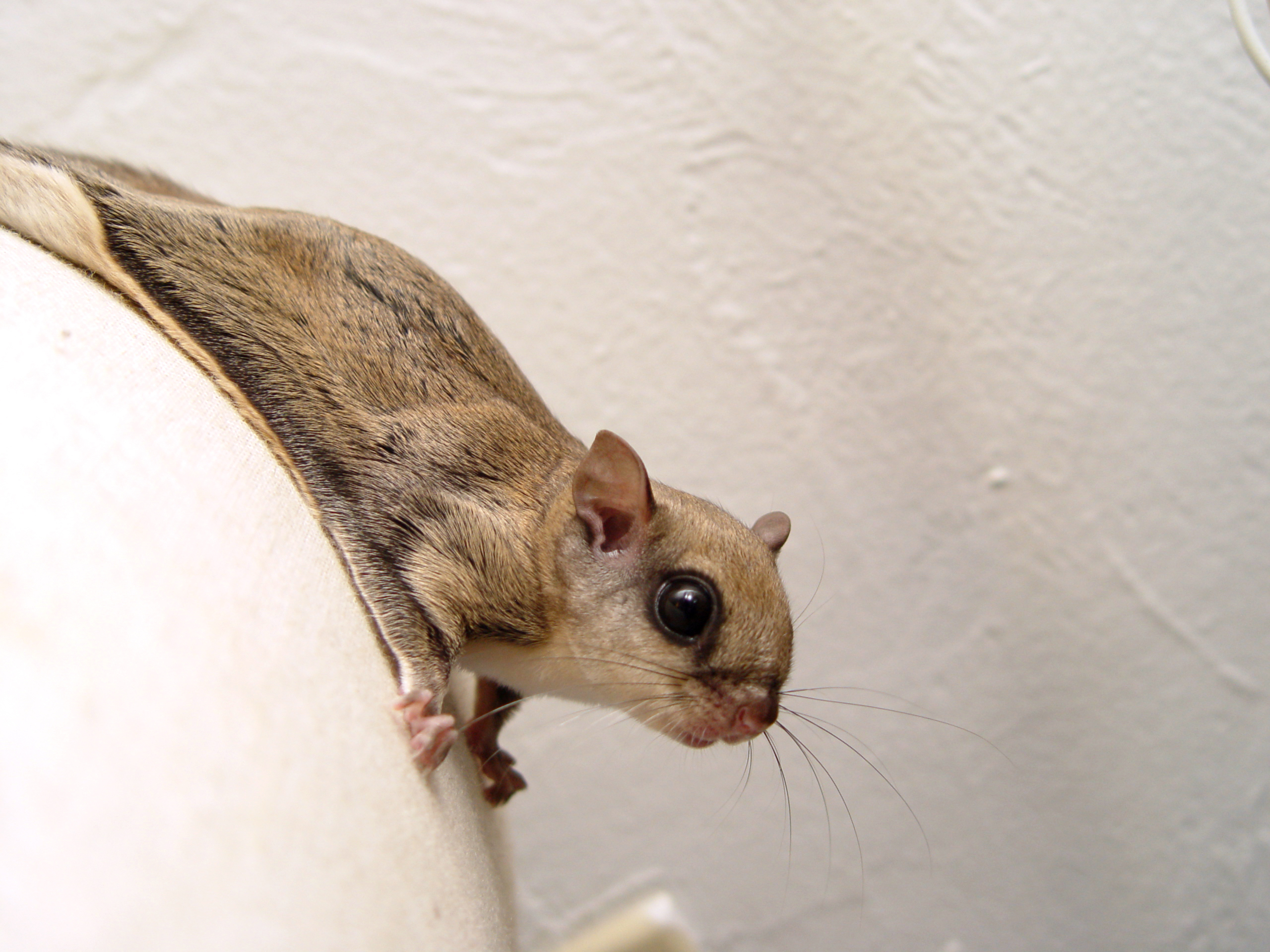
At first, a flying squirrel nest in the attic often goes unnoticed. These animals are nocturnal and prefer hidden spaces; homeowners may only discover them after hearing nighttime noises or finding signs of nesting activity.
Flying squirrels are well adapted to nesting in enclosed spaces. While they naturally nest in tree cavities, attics can provide the same security and protection they seek. Once the nest is established, it can cause insulation damage, contamination, and ongoing wildlife activity inside the home.
What Does a Flying Squirrel Nest Look Like?

Flying squirrel nests are typically built from soft, insulating materials. In the wild, they gather leaves, moss, shredded bark, lichen, feathers, and other natural materials to create a compact, well-insulated nest inside a tree cavity.
During colder months, several flying squirrels may share a single nest to conserve body heat. These communal nesting habits can result in multiple animals occupying the same attic space when they move into a home.
Unlike some tree squirrels that build exposed leaf nests high in branches, flying squirrels prefer enclosed spaces. Their nests are usually hidden inside hollow trees, abandoned woodpecker holes, or other protected cavities. Openings are often small, measuring only 1.5 to 2 inches wide.
When flying squirrels move into an attic, they build their nests from available pieces out of: insulation, paper, fabric, cardboard, and other soft materials. These nests are often tucked into secluded areas such as attic corners, wall voids, or spaces near rooflines.
How to Identify a Flying Squirrel Nest in the Attic
Because flying squirrels are nocturnal, homeowners may hear them before they ever see them. Scratching, scurrying, or chirping sounds during the evening and overnight hours are common signs of activity.
Other indicators of a flying squirrel nest in the attic include:
- Piles of nesting material such as insulation, leaves, or shredded debris
- Droppings near nesting areas or travel routes
- Urine stains and odors
- Gnaw marks on wood or other building materials
- Entry points near roof edges, vents, soffits, or gaps in the exterior
Flying squirrels often return to the same nesting area repeatedly. As the activity continues, evidence becomes more noticeable, and the amount of damage can increase.
Flying Squirrel Nest vs. Tree Squirrel Nest
Flying squirrel nests and tree squirrel nests can look very different in natural settings.
Many tree squirrels build visible nests called dreys. These nests resemble large balls of leaves and twigs positioned in tree branches. Tree squirrels may also use tree cavities, but their leaf nests are often easier to spot from the ground.
Flying squirrels strongly prefer enclosed nesting locations. Unlike many tree squirrels, they rarely build exposed leaf nests in branches. Instead, they establish nests inside cavities where they remain hidden from view. This preference often carries over to homes, where attics, wall voids, and other enclosed spaces provide ideal shelter.
Inside an attic, it’s difficult to distinguish between the nests of flying squirrels and tree squirrels based on appearance alone. Animal behavior, entry points, noise patterns, and a professional inspection are often needed to determine which species is present.
Problems With a Flying Squirrel Nest in the Attic
A flying squirrel nest may seem harmless at first, but prolonged activity can lead to various concerns, including:
- Insulation damage: Nesting materials can compress or contaminate insulation, reducing its effectiveness.
- Property damage: Flying squirrels may chew on wood, stored belongings, and electrical wiring. Damaged wiring can pose serious safety risks and increase the risk of fire.
- Droppings and urine accumulation: Waste can build up around nesting sites and contaminate attic spaces. Strong odors may develop, and cleanup can become more extensive as the infestation grows.
- Increased activity from multiple squirrels: Flying squirrels are social animals, and several individuals may share a nesting area, especially during colder months. This can increase noise, contamination, and property damage.
How NOT to Clean Up a Flying Squirrel Nest
Homeowners should avoid disturbing a flying squirrel nest until they confirm that all animals have been removed. Sealing entry points too early can trap squirrels inside walls or attic spaces, creating additional problems.
It’s also important to avoid sweeping or vacuuming dry droppings without proper protective equipment. Disturbing contaminated materials can release particles into the air, increasing exposure risks.
Nesting materials, droppings, and urine can contaminate attic insulation and surrounding materials. Removing a nest without addressing the source of the infestation is rarely effective. If entry points remain accessible, flying squirrels may simply return and build a new nest. Professional cleanup helps ensure contaminated materials are handled safely and that the underlying wildlife problem has been resolved.
Benefits of Professional Flying Squirrel Nest Removal and Cleanup
Professional wildlife removal addresses the entire problem, not just the visible nest.
Our technicians can:
- Identify active nests, entry points, and how flying squirrels are accessing the home.
- Humanely remove flying squirrels and confirm all animals have left the property.
- Seal entry points and perform exclusion work to help prevent future infestations.
- Remove nesting materials, droppings, contaminated insulation, and other debris.
- Sanitize and repair affected areas when needed.
If you suspect flying squirrels have established a nest in your home, early action can help minimize damage and reduce the risk of a larger infestation. Our wildlife specialists can inspect the property, remove the animals, clean affected areas, and help protect your home from future wildlife problems.
Get them out.
Keep them out.®
Experiencing a wildlife or pest issue? We can help! Complete this form and your local Critter Control® office will contact you to assist.


- Flying Squirrels in the Attic
- Flying Squirrels in the House
- Flying Squirrels in the Walls
- Flying Squirrel Sounds
- Flying Squirrel Droppings
- Flying Squirrel Traps & Deterrents
- How to Identify a Flying Squirrel
- Do Flying Squirrels Carry Diseases?
- Do Flying Squirrels Fly?
- Do Flying Squirrels Hibernate?
- Flying Squirrels on the Roof
- Where Do Flying Squirrels Nest?