Hearing scratching sounds earlier in the morning? Finding debris inside your attic? Did you see a squirrel disappear from your roof?
Squirrels can cause severe property damage and pose health risks. Whether they’ve entered your attic, are running across the roof, or eating all your birdseed, Critter Control near you has been the trusted source for professional squirrel removal for over 40 years.
Signs of Squirrel Infestation
What Sounds Do Squirrels Make?
The number one complaint from homeowners about squirrels is strange noises early in the morning or at dusk. They search for food during the day, so they leave in the morning and return at sunset.
Common sounds include:
- Scurrying or scratching noises in the attic or walls
- High-pitched chirps, barks, or whistles
- Rolling or dragging sounds as they store nuts or build nests
How to Identify Squirrel Nests
Squirrels use twigs, leaves, shredded paper, cardboard, and even insulation, bunched together. In the spring and the fall, these nests are to give birth and protect the kits.
Dropping and Urine Stains
Squirrel droppings are pill-shaped and cylindrical in appearance, sometimes with tapered ends. You will find them near nesting areas in the attic. Urine stains on ceilings or strong ammonia-like odors can indicate a long-term infestation.
Why are Squirrels Causing a Problem?
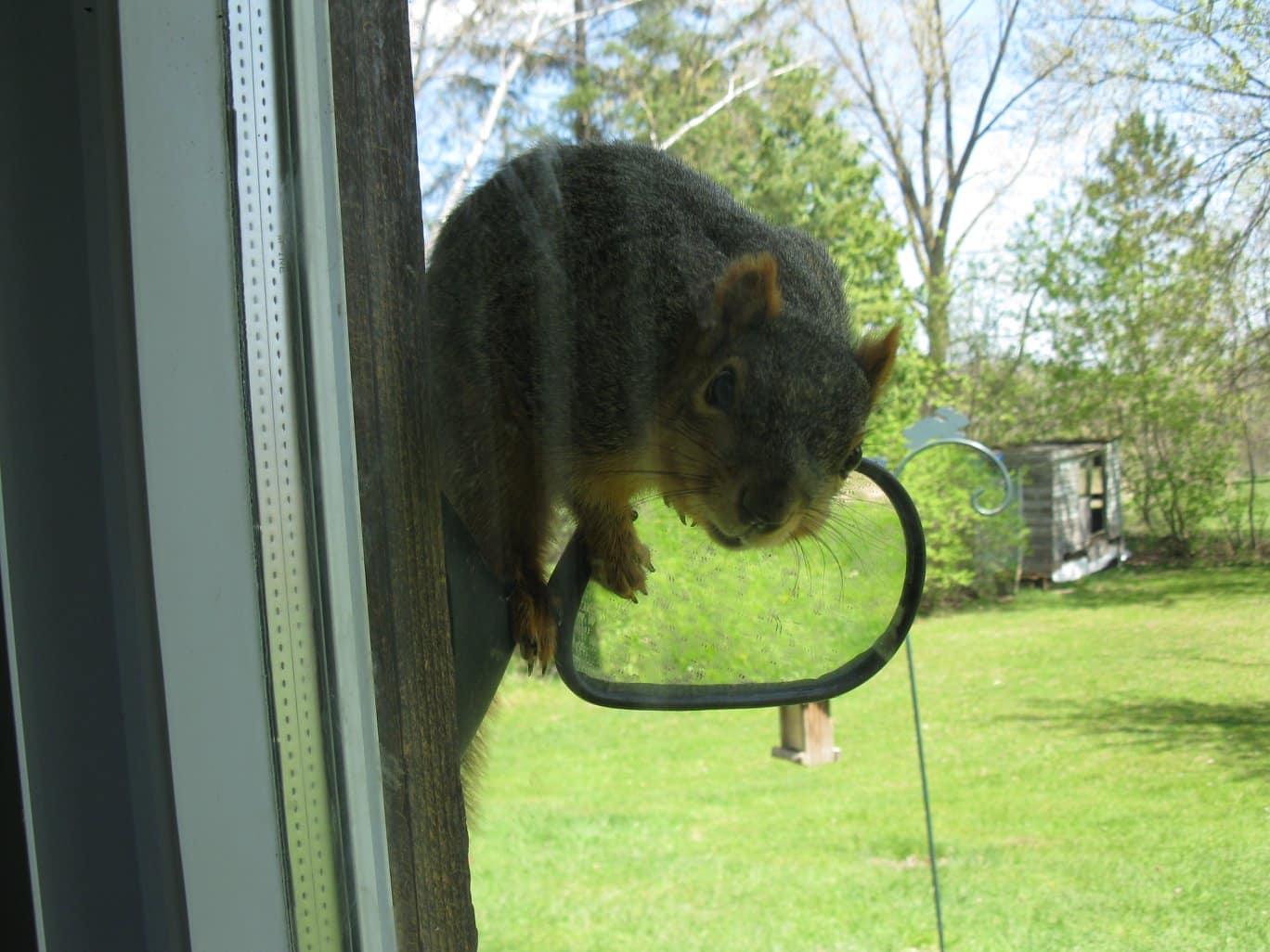
As squirrels spend their days running up and down trees and jumping from branch to branch, they have a bird’s-eye view of your roof and its weaknesses. Squirrels can jump four feet vertically and jump six to eight feet horizontally.
Because squirrels do not hibernate in winter, the warmth they feel coming from gaps makes an ideal winter nest. Squirrels will use their teeth to gnaw through damaged or unscreened vents or tiny gaps to enter your attic. They often use the branches of trees closest to your home or wires to get to the roof. While ideal for squirrels, their presence damages your home and poses health risks for you and your family.
Squirrel Problems
Squirrels don’t just cause a mess or disrupt your sleep. They can damage property and spread diseases.
Fire Hazard
Gnawed electrical wires can create serious risks.
Health Risks
They carry diseases like rabies and raccoon round worm.
Structural Damage
They damage wood, ductwork, and stored belongings. Squirrels could puncture pipes, creating leaks and water damage.
Fleas & Ticks
Their presence can introduce other pests into your home.
How Critter Control in Detroit Gets Rid of Squirrels
If you have a squirrel in your home, call Critter Control for professional squirrel removal. Squirrels can become aggressive when approached, especially if there are kits. Professionals are the quickest and most efficient solution for removing squirrels from your attic, walls, or crawl space. After squirrel trapping and removal, the experts at Critter Control will install exclusions on all current and potential entry points. This provides long-term, eco-friendly squirrel control for your house.
Squirrel Trapping
The best way to get rid of a squirrel is to use a one-way door or a squirrel trap near an entry point. Squirrels leave your attic every day to forage for food. We can let them go, but prevent their re-entry. If squirrel kits are present, we will follow proper protocol to safely remove the juveniles and either reunite them with their mothers or foster them with a wildlife rehabilitator.
Squirrel Control & Exclusion

The most effective squirrel control is home exclusions. The exclusion repairs block all current and potential squirrel entry points. Squirrel problems do not stop once the squirrel is gone. How long a squirrel lived in your house will determine how much damage it caused. After squirrel removal, Critter Control will clean up droppings, apply sanitization agents, identify gnawed electrical wires, and, in extreme cases, install new insulation.
How do I know if I have squirrels in my home or attic?
Squirrels are most active during the early morning and late afternoon, so homeowners often hear loud scratching, running, or thumping noises during the day. Other common signs include chewed entry holes near the roofline, damaged soffits or vents, shredded insulation, droppings, and nesting materials in the attic. A Critter Control inspection can confirm activity and identify entry points.
Are squirrels dangerous to my property or health?
Yes. Squirrels can cause serious property damage by chewing electrical wiring, which increases the risk of fire. They also damage insulation, wood framing, and HVAC ductwork. While squirrels generally avoid people, they can introduce parasites like fleas or ticks and contaminate attic spaces with urine and droppings.
What methods does Critter Control use to remove squirrels? Are they humane?
Critter Control uses humane, science-based wildlife removal methods. In most cases, squirrels are removed using one-way exclusion doors that allow them to leave safely without re-entering. Trapping may be used when exclusion alone is not appropriate. Our methods follow state wildlife regulations and prioritize the animal’s safety.
Can I remove squirrels myself, or should I hire a professional?
DIY squirrel removal often leads to incomplete results or costly mistakes, such as trapping animals inside walls or separating mothers from babies. Professionals are trained to identify species, locate all entry points, handle nesting situations properly, and prevent re-entry. Hiring Critter Control helps ensure the problem is resolved safely and permanently.
How much does professional squirrel removal cost?
The cost of squirrel removal depends on factors like the extent of damage, the number of entry points, attic conditions, and whether repairs or exclusion work are needed. Critter Control provides a detailed inspection and customized solution, so you understand the scope and cost before work begins.
How does Critter Control prevent squirrels from coming back?
After removal, Critter Control seals and reinforces entry points using durable wildlife-proof materials. We may also recommend habitat modifications, such as trimming tree branches away from the roof and securing vulnerable vents, to reduce the chances of future squirrel activity.
What if there are baby squirrels in the attic?
If baby squirrels are present, timing and technique are critical. Critter Control technicians carefully remove or reunite young squirrels using species-appropriate methods before completing exclusion work. This ensures humane outcomes while preventing orphaned animals or lingering odor issues.
Is it legal to trap and relocate squirrels?
Yes, it is legal to trap squirrels. But relocating squirrels generally is not allowed. They need to be released at the location of capture.