
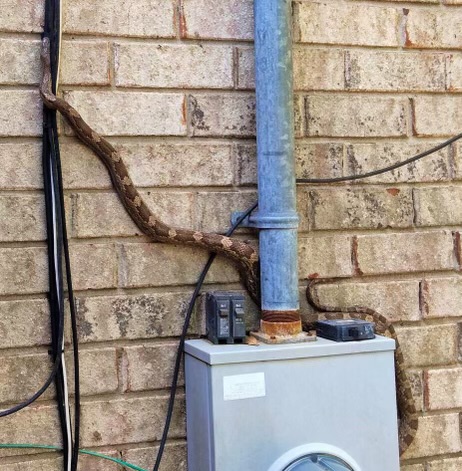
Snakes wander into homes in search of prey and nesting sites or find themselves inside purely by accident. Because snakes cannot chew or dig, they must gain entrance through small holes and cracks. Depending on their size, snakes may even be able to slither under gaps in doors. Once inside, snakes travel throughout houses inside walls, pipes, and around trusses.
If you find a snake in your home or office, it is either shedding its skin or looking for prey – usually other pests such as mice or rats. When spotting a snake, the best thing to do is slowly back away and call our professionals to remove it for you. We can remove it quickly and safely, keeping you from getting bitten.
Signs of Snake Infestation


Snake Droppings
Snake feces is oblong in shape and also quite wet. Snake poop tends to have pointed tips and is partially white. Sometimes scales or hair can be visible in snake feces
Snake Skin
Snakes shed skin about once a month; older snakes do so a bit less. If you’re seeing snake skins in your house, then, it’s probable that the sake in question wasn’t merely passing through.
Snake Tracks
Their appearance is reminiscent of the track a rubber hose would leave typically about ½ an inch wide or more, in the form of wavy or straight lines. This sign can be harder to spot. You’ll typically find a track through dust or dirt.
Snakes look for a place where they feel protected, which is why it can be difficult to find a snake once one has entered your home. Snakes will hide behind the refrigerator, under the oven, under your bed, or inside cabinets. Snakes will avoid human activity. Some of the most common places to find a snake include bathrooms, garages, kitchens, and attics.
How Snakes Get in the House
Snakes enter your home when the conditions inside are suitable and means of entry are available. Snakes do not create any property damage and cannot create an entrance to your home.
Generally, snakes make their way into your home on the hunt for a rodent. But sometimes, snakes will seek out the shelter of your home.
Two common entry points include any cracks in your foundation and gaps around doors. You are most likely to see a snake under your porch, in a crawl space, or in the garage. However, snakes have some outstanding climbing abilities, so it’s possible to find them in the attic.
Sealing up these entry points is the most effective way to keep snakes out of your home. It can help prevent a snake problem. But it can also help you prevent rodents from coming into your home.
Professional Snake Control
The process starts with a thorough home inspection. Snakes are experts at squeezing into tight holes to stay out of sight. But our professionals will find all of their hidden corners.
During the inspection, we will look for what lured the snakes into your home. Unfortunately, snakes are often a sign of a rodent infestation. So, we will carefully look for any potential rodents that could act as a food source for the snakes in your home.
Rat Control
Trapping is the most effective method of rodent extermination. The population size will determine the number of traps, the types of traps, and the bait to use. Infestation size also determines the process’s duration, which can range from a few days to a few weeks.
With a large colony, additional control measures, such as tamper-resistant bait stations, may be required around the perimeter of your structure.
The sooner you call the professionals for help, the sooner trapping and rat removal can begin. They take care of everything, including proper disposal and sanitization, so all evidence of rats is removed.
Exclusion for Rat and SnakeControl
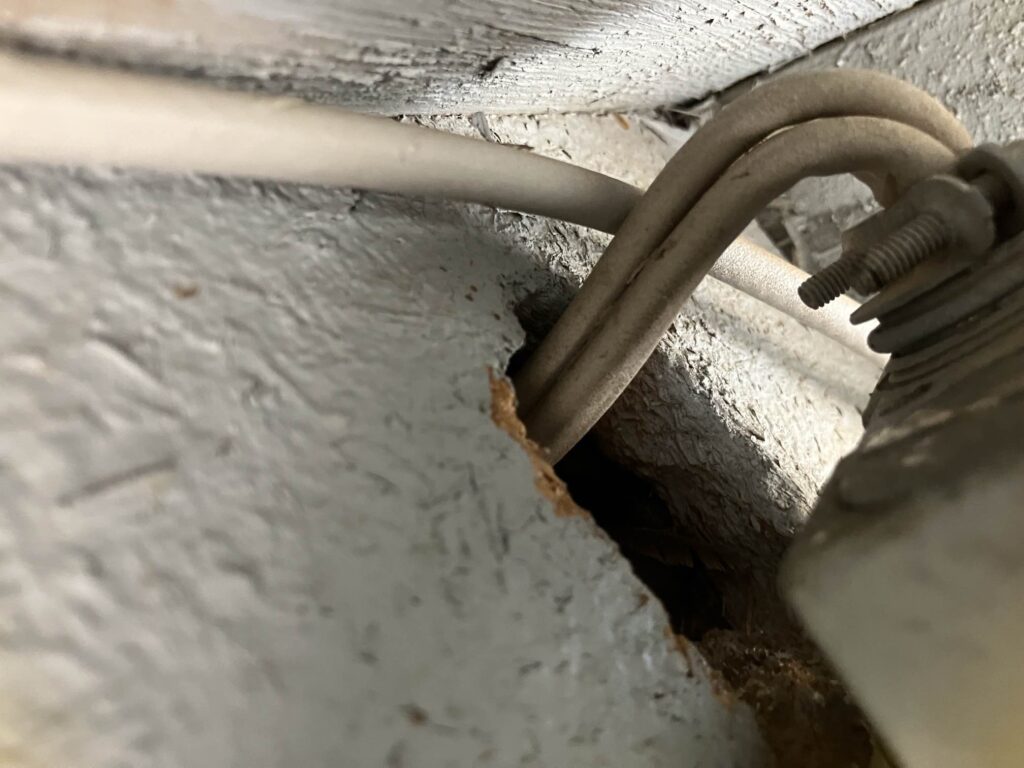

If you successfully remove every rat in your home but do not implement exclusion and prevention techniques, your home is at risk for future rat activity. One of our technicians’ first exclusion methods is to seal up all quarter-inch or larger entry points.
A few common entry points include:
- foundation cracks
- loose-fitting screens
- holes for pipes
- chimneys
- loose soffits
Rats will likely gnaw through materials like plastic, wood, and caulking to enter your home. The professionals will use sealants, wire mesh, and other rat-proofing structures to safeguard your home.
Continuous Protection from Rats and Snakes
The steps above for rat removal will give your home a much-needed reset. However, rats are clever and persistent and may try to reenter your home. Their search for food, water, and shelter may lead them back to your home, where they may try to create new entry points.
You can take management steps after completing the rat rodent control process to ensure your home maintains safety. For instance, regularly scheduled monitoring appointments with a professional can ensure you don’t experience future rat problems. Technicians search for new entry points and any signs of rat activity inside and outside your home. If they find something, they can fix the problem right away.
Get Rid of Pests with Critter Control