

Hearing noises in your attic? Finding tracks around your property? Noticing raccoon droppings?
Raccoons can cause serious property damage and pose health risks. Whether they’ve entered your home, are rummaging through your trash, or are tearing up your lawn, Critter Control in Phoenix has been the trusted source for professional raccoon removal for over 40 years.
Signs of Raccoon Infestation
What Sounds Do Raccoons Make?
Raccoons are nocturnal, meaning they are most active at night.
Common sounds include:
- Scratching or thumping in the attic or walls
- Chirping, chattering, or growling noises
- Heavy movement sounds near ceilings or crawl spaces
How to Identify Raccoon Tracks and Droppings
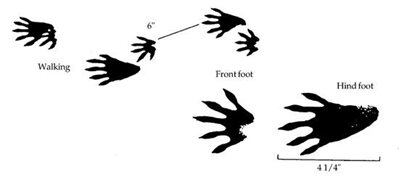
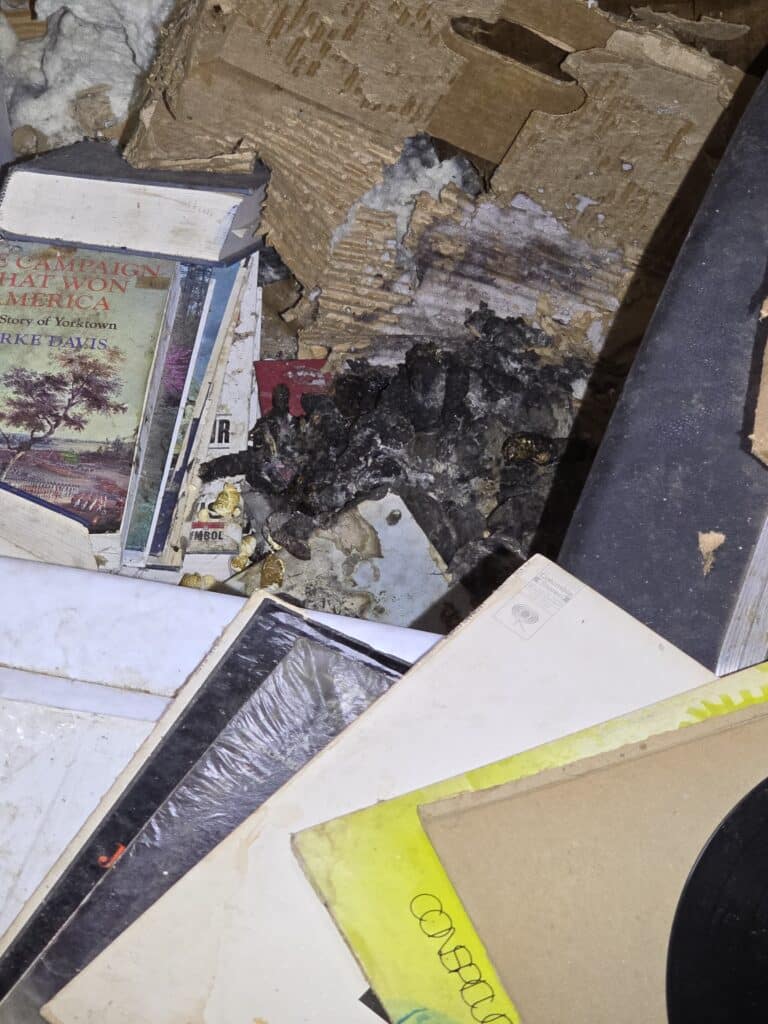
Raccoons leave behind distinct hand-shaped footprints and dark, tube-like droppings that can indicate an infestation.
- Tracks found near walls, attics, and entry points
- Droppings clustered in one area, often near nests
Why are Raccoons Causing a Problem?
Raccoons are on your property (either in your yard or your house) in search of food and shelter. Easily available food often attracts raccoons to your yard. Raccoons are omnivorous, eating both plants and animals. Plant foods include fruits, berries, nuts, acorns, corn, and other grains.
The natural habitat for raccoons is wooded areas close to water. Hollow trees are the natural den sites for raccoons. But they have adapted to the urban and suburban habitats in Phoenix. Raccoons will den in the space under a porch or deck, inside sheds, climb into chimneys, or in your attic.
Female raccoons may destroy and enter parts of your home, especially your attic, in order to create a suitable place to raise their young. Raccoons usually mate between late January and mid-March. Phoenix homeowners start to notice a raccoon litter in April or May.
Raccoon Problems
Fire Hazard
Chewed electrical wires can create serious risks.
Structural Damage
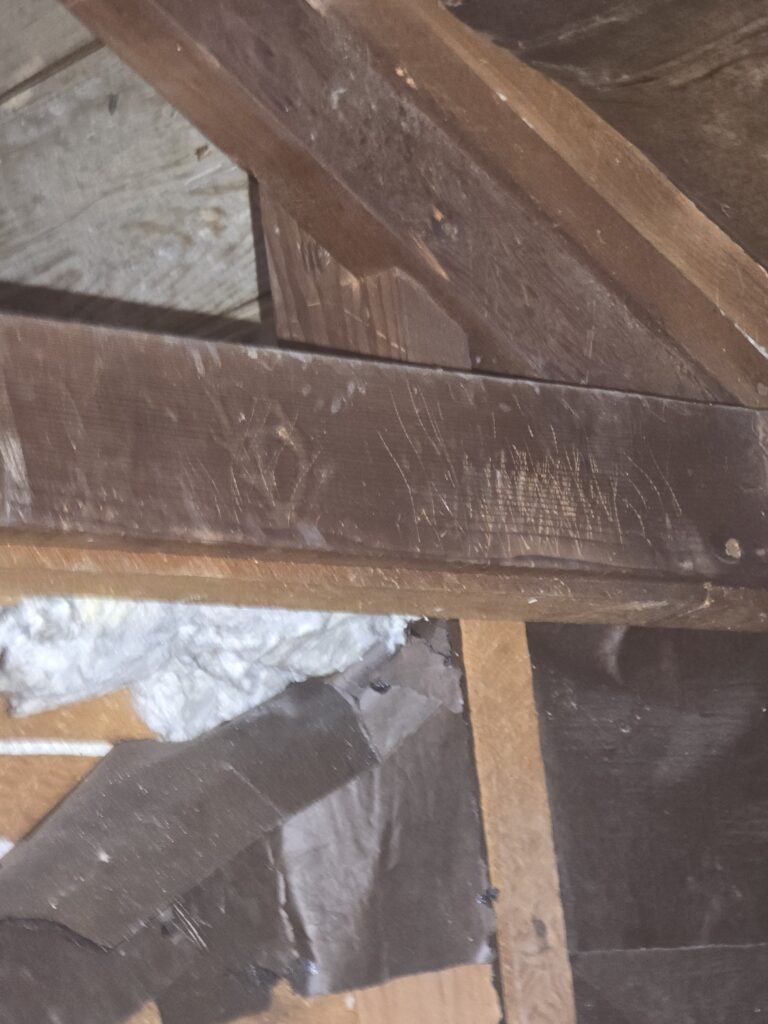
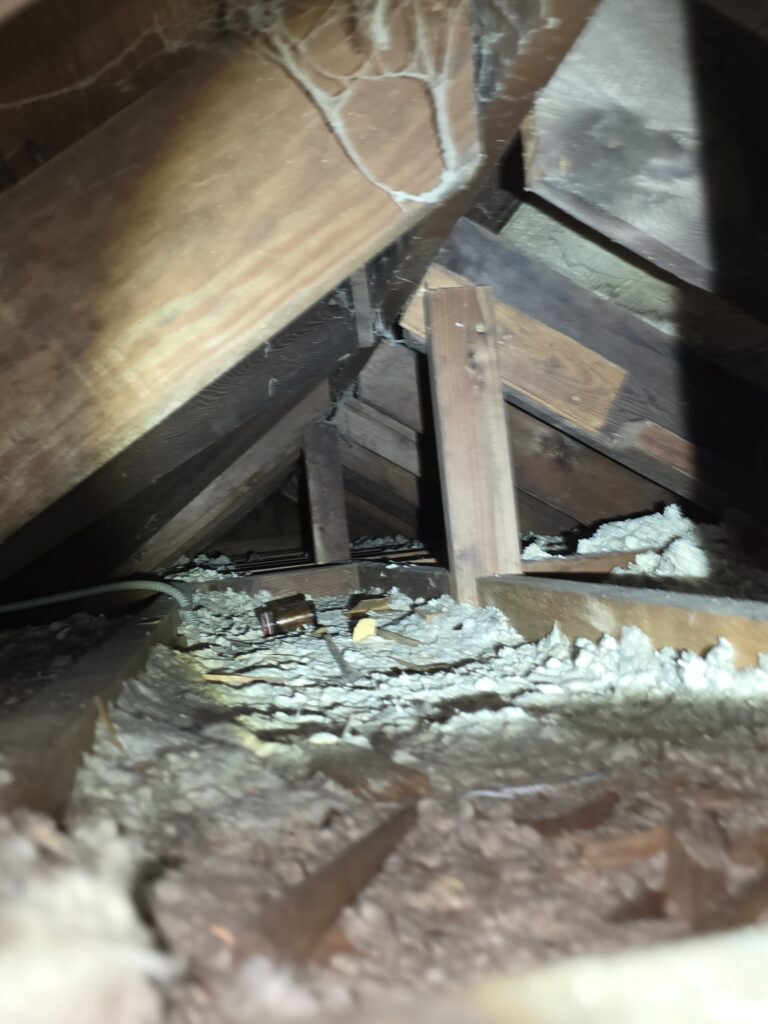
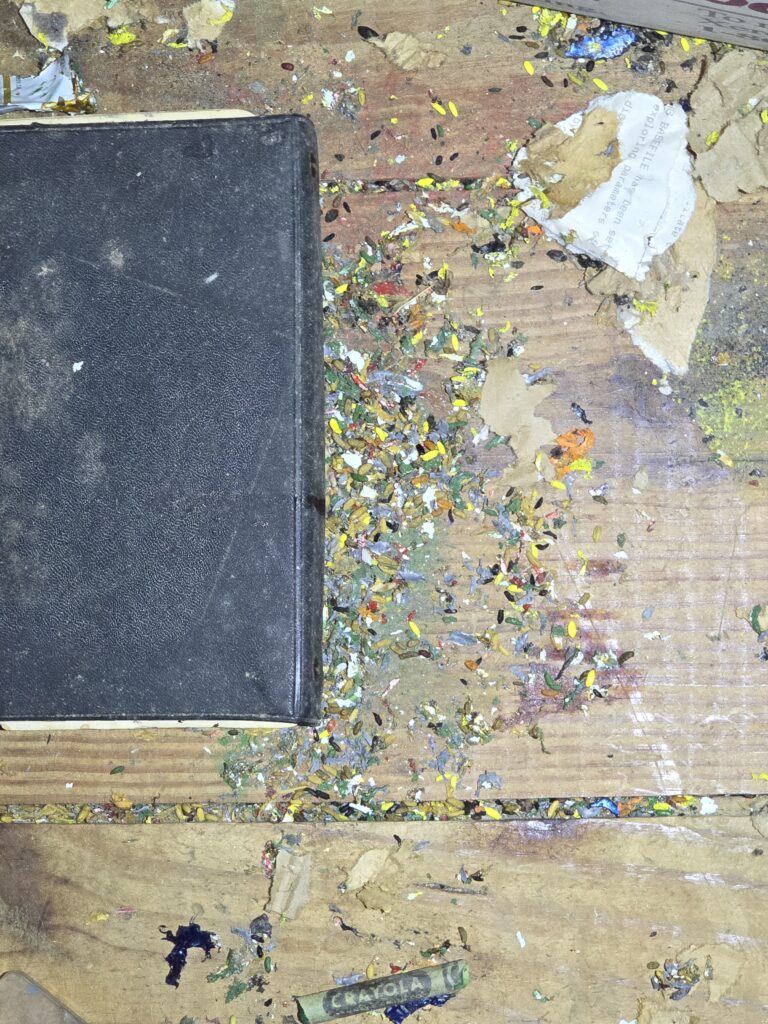
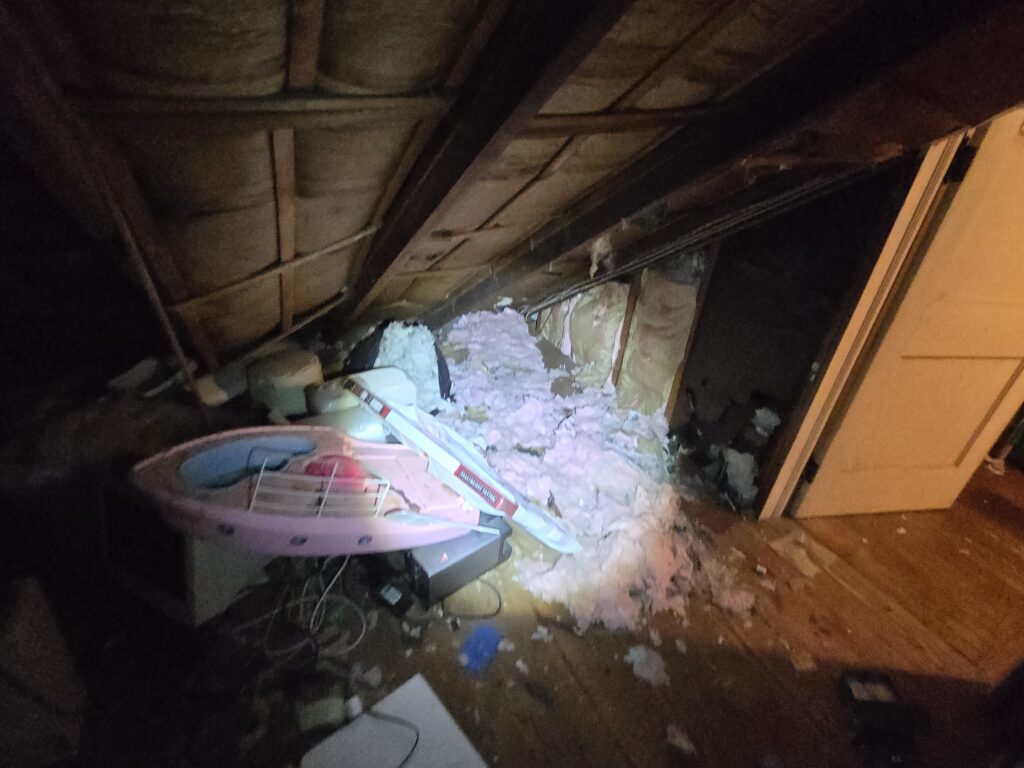
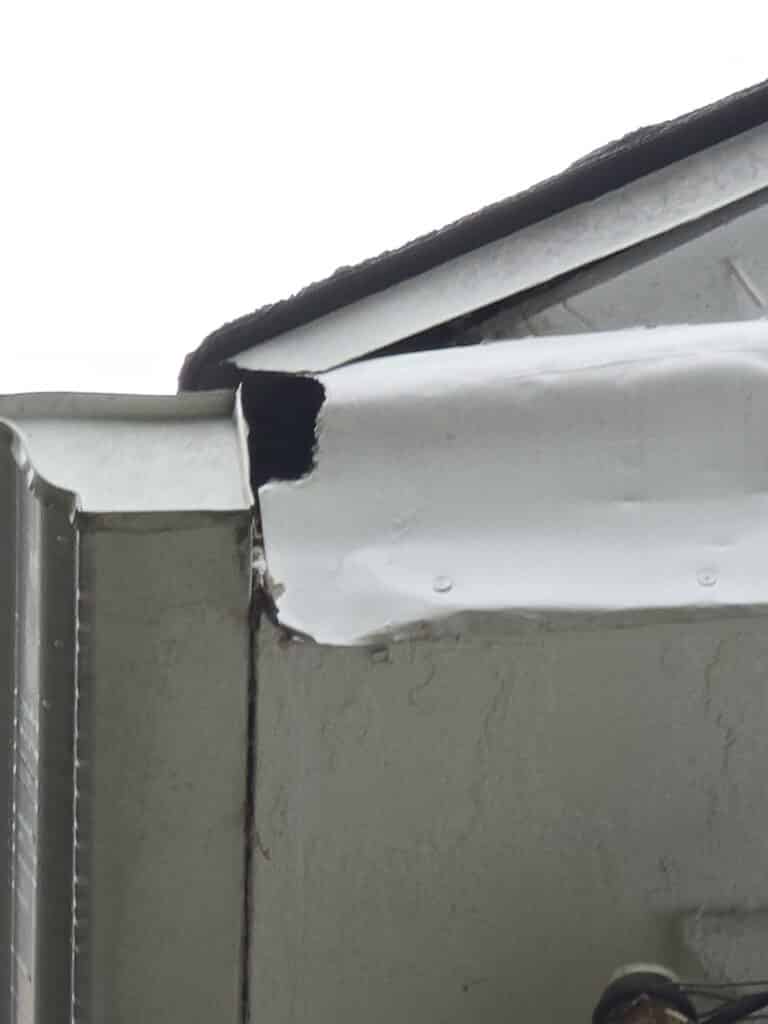
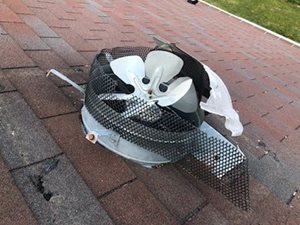
Raccoons tear insulation, rip vents, and weaken roofs.
Raccoons don’t just cause a mess or disrupt your sleep. They can damage property and spread diseases.
Health Risks
They carry diseases like rabies and raccoon roundworm.
Fleas & Ticks
Their presence can introduce other pests into your home.
Raccoon Damage in Attic
How Critter Control Gets Rid of Raccoons
Critter Control has been providing raccoon removal throughout Arizona for decades. Our technicians have the experience and training to identify all potential raccoon entry points and the damage they cause. Based on the comprehensive inspection, our raccoon removal process safely traps and removes the animal and repairs all damage.
Raccoon Trapping
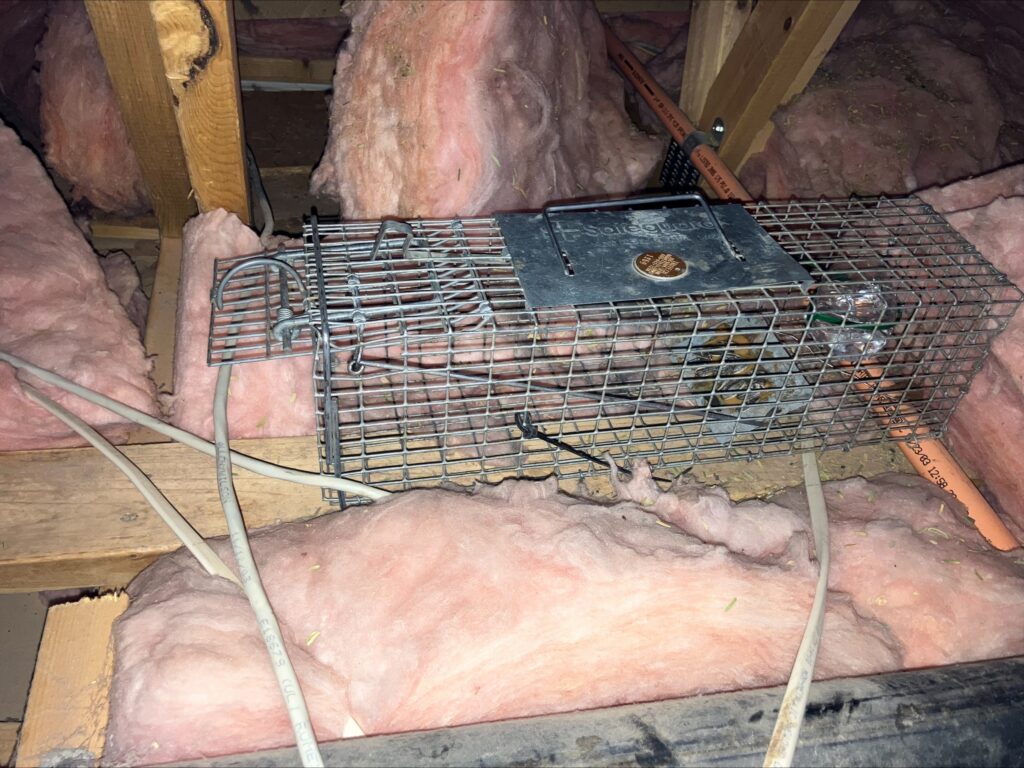
A cage trap is the most effective and humane raccoon trap.
- Keep 12 inches clear around the trap.
- Raccoons can use their dexterous paws to grab and destroy anything near the cage.
- Strategically place your live trap near signs of activity.
- Tracks
- Droppings
- Dens or nests
- Entry points
- Secure the trap and protect the animal.
- If you set a trap on the roof, make sure it is secure! Unless the trap can be stabilized, it is not safe for a raccoon to be in a trap on a pitched roof. You should use a trap that has some covering to protect the animal from the elements.
- Targeted baiting to reduce non-target captures.
- Sweet pastes
- Fruits like cherries or grapes
- Marshmallows
- Jelly
Direct capture is not commonly used because raccoons are rabies vectors. If legal, a healthy trapped raccoon will be relocated with written permission. When babies are removed from an attic, our wildlife specialists seek help from a local wildlife rehabilitation center.
Exclusion for Raccoon Prevention
Preventive exclusion services are the most effective means of raccoon control. After raccoon removal, it is imperative to seal all entry points to prevent future entry. Ensuring you don’t create a home for raccoons outside your property will also help prevent attracting raccoons. However, habitat modification will become very important for prevention after dealing with a raccoon invasion. Repellents offer temporary solutions. Raccoons grow accustomed to frightening devices, and there are no toxicants regulated for raccoons.
How can I tell if I have raccoons on my property?
Signs of raccoons include loud noises in the attic or walls, overturned trash cans, scattered debris, claw marks, raccoon droppings, or noticeable damage to roofing, siding, or vents.
Are raccoons dangerous to humans or pets?
Yes, raccoons can be dangerous as they may carry diseases like rabies, leptospirosis, or raccoon roundworm. They can also be aggressive if cornered or threatened.
Can I remove raccoons myself?
While DIY removal might seem appealing, it’s safer and more effective to hire professionals. They have the knowledge, tools, and permits required to handle raccoons humanely and in compliance with local laws.
Who should I call for raccoon removal in Phoenix?
Call Critter Control! If you’re dealing with raccoon issues in Phoenix, you should call a professional wildlife control operator and not a pest control company or exterminator. You can reach Critter Control at 623-745-8185 or visit their website to find the office nearest to your location.
How can I prevent a raccoon infestation?
Prevention steps include securing trash cans, sealing entry points to attics or crawl spaces, trimming tree branches near the roof, and removing food sources like pet food or birdseed from outdoor areas.