

How to Get Rid of Raccoons
Guide to Raccoon Removal by Location in House
Guide to Raccoon Removal by Location in House
Estimated reading time: 6 minutes
Raccoons might look cute, but they can quickly become a problem. With the right approach, you can safely and humanely get rid of raccoons and keep them from coming back.
The most common spot to find a raccoon is the attic, where it’s warm, dark, and ideal for nesting. They may also use crawl spaces, garages, chimneys, wall voids, roofs, or even under decks and porches. Each location requires a different removal method.
Start by confirming they’re there. You may see nests, hear noises, or smell strong odors. Then focus on getting them to leave on their own by making the space uncomfortable. Add bright lights, loud noise, or scent deterrents.
Another option is to use a humane trap placed near the entry point. Once you’re sure the raccoon is gone, seal up all entry points right away — this is key. If you close things up too early, you could trap the animal inside, which can cause bigger problems.
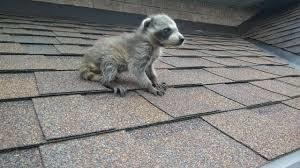
Raccoons on your roof are noisy and can cause real damage. For example, female raccoons will tear into soffits, shingles, vents, and insulation to create a place to nest. Once they open a hole, it becomes an easy entry point straight into your attic.
To keep them off your roof, start by cutting back any tree branches that hang close to your home. Raccoons are great climbers and often use trees to travel from place to place. You can also install metal sheeting along the corners of your house to make it harder for them to climb up in the first place.
Raccoons are great climbers, so chimneys can make the perfect hiding spot for them. The easiest way to keep them out is by installing a stainless steel chimney cap. It acts as a barrier, blocking access while still allowing smoke to vent properly.
Raccoons can end up inside wall cavities either by climbing down or accidentally falling in. If it becomes trapped, it can turn into a bigger problem. In most cases, you’ll need to pinpoint exactly where the raccoon is and carefully open up that section of the wall to remove it.
Raccoons usually get into crawlspaces through weak spots like basement door seals, damaged trim, or holes in the ground. To get them out, a humane live trap is often the most effective option. You can also wait for the raccoon to leave on its own, but make sure you seal up any entry points right away so it can’t come back.
You might notice rustling or thumping sounds, strong odors, or small hand-like footprints around your porch or deck. Since raccoons leave their den at night, you can install exclusion barriers when they are gone, but only if babies are not present. Once they’re gone, block the area off with materials like wire mesh or buried fencing to keep them from coming back.
Try to keep your garage door closed, especially at night. Garages might seem like a safe spot for outdoor animals, but they also make an easy shelter for raccoons. Once inside, they can cause significant damage and may even enter your home through small openings or weak spots in the walls.
The most effective, fastest way to get rid of raccoons is usually with a humane trap. When setting your trap, here are some simple tips to follow:
Raccoons have a strong sense of smell, so certain scents can help keep them away, at least temporarily. If raccoons have an established den, they will ignore most if not all DIY scent repellents.
Raccoon eviction spray can be helpful if there are babies involved. It works by mimicking the scent of a male raccoon, which scares the mother, since males can harm young kits. In response, she’ll often move them to a new location. If the spray doesn’t work, you may need to use trapping and exclusion methods.
Raccoons, like all other animals, are seeking food, water, and shelter. The first step to get rid of or prevent raccoons from choosing your property is to ensure you do not create an environment for them.
Knowing which expert to call can mean the difference between humane and inhumane methods of getting rid of raccoons. When you call an exterminator, you are likely getting an expert who uses poisoning, shooting, or snare trapping techniques. These are not humane. They won’t help you with exclusions, which is what keeps raccoons from returning.
Critter Control only uses humane removal techniques that are safe for you, your family, and the wildlife. They help you implement exclusions so that you don’t have to worry about raccoon problems in the future.


