

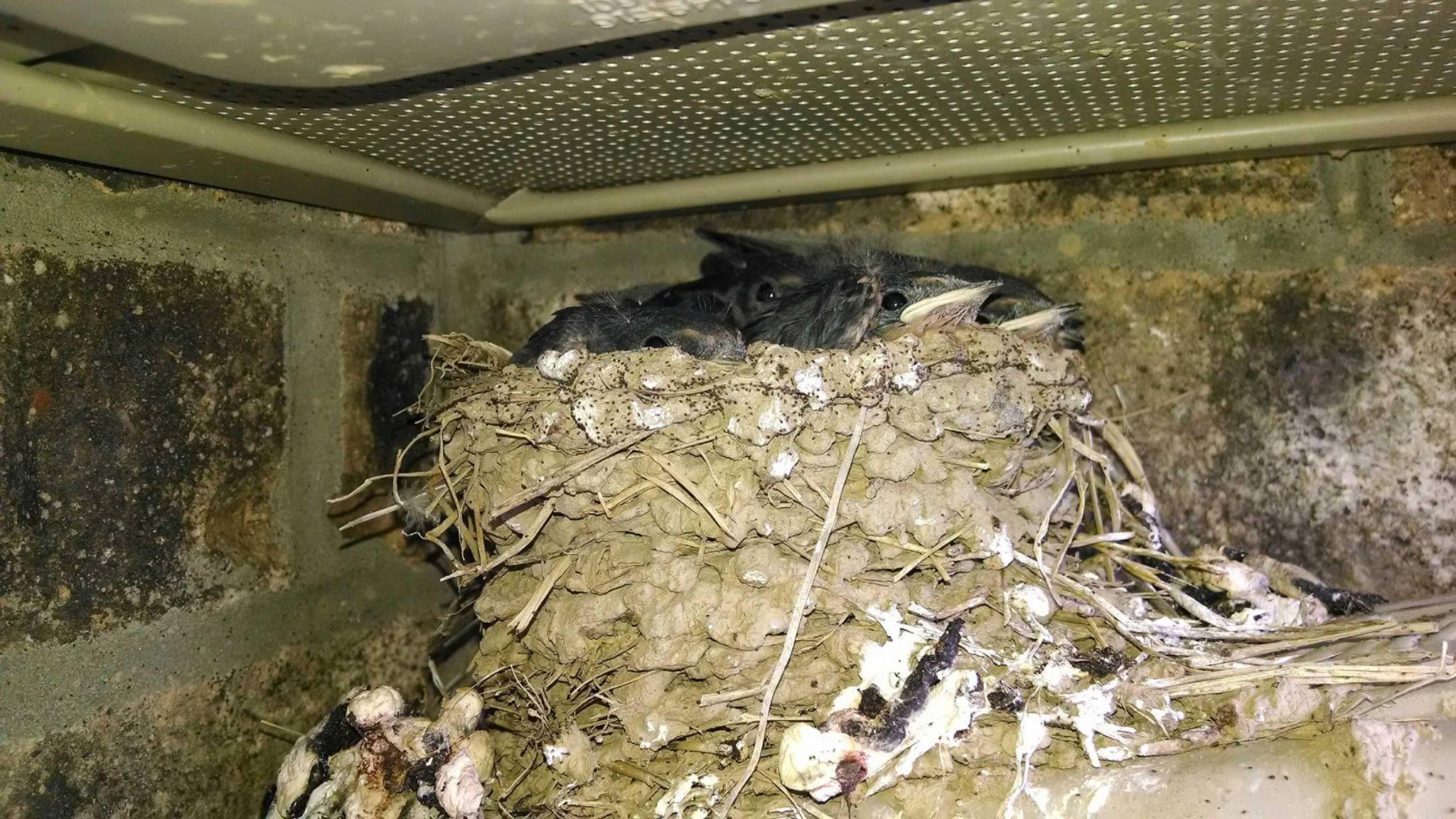

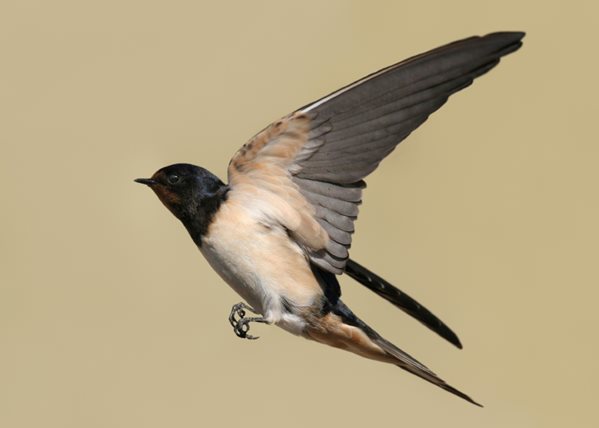
Swallows are migratory birds found on every continent except Antarctica. If you live in their migratory path, you might have noticed their grace in the air and skill at catching insects to eat, one of their ecological benefits. However, the muddy nests they build using twigs, leaves, and trash are not only unsightly but can also cause harm to homes and lead to hazards for homeowners.
When a flock of nesting swallows decides to choose your home and property, they turn into an issue for a homeowner.
What Do Swallow Nests Look Like?

The most common swallow species that nest near or on homes are barn and cliff swallows. These swallows live high up on vertical slopes. They collect mud in their bills and often mix it with grass, stems, and feathers to make pellets. Molded into cup- or gourd-shaped nests made out of mud pellets, these nests are connected to a vertical surface. A swallow’s nest basically looks a lot like a cup or bowl with a small opening at the top.
Where to Find Swallow Nests on Houses
In their natural habitats, swallows choose protected, elevated, and sheltered locations from the weather. Their choices often include cliff ledges, caves, and rock overhangs.
It is a swallow trait to look for the same protected and elevated spots on your home, barn, or shed. These may include:
- Eaves and rafters
- Porch and entryway ceilings and awnings
- Gutters
- Inside chimneys
Nesting season for swallows runs from March through September. Homeowners should inspect for signs of swallow nests in late winter or very early spring. Swallows often return to the same nest year after year, so it helps to take down old nests.
READ:
Bird Control for Swallows in Horse Barn in Greenville, SC
Issues with Swallow Nests
Swallow nests on your home or in your chimney can cause various problems beyond the mess they make. Their nests, activities, noise, and feces contribute to an unhealthy and damaged home environment. In addition, there may be legal complications with which to contend.
Damage to Homes
A swallow nest on the house may be unsightly but harmless, or it can be a serious problem, depending on its location. Nests in vents can block ducts, creating a fire hazard or ventilation problems. Swallow droppings contain a high amount of uric acid, a corrosive chemical that can damage the siding on your home as well as the finish on your car.
Health Concerns
Swallows are hosts for disease-causing parasites. The birds will abandon their colonies when populations of fleas, mites, and ticks in nesting materials become too great, leaving the parasites behind. As a result, having swallow nests in the home increases the risk of infestation and the spread of illness. Also, swallow feces carries bacteria and fungi that cause diseases like histoplasmosis, cryptococcosis, and salmonellosis.
Legal Protections
In the U.S., the federal Migratory Bird Treaty Act of 1918 protects swallows from harm. The law makes it illegal to kill or harm swallows, destroy nests that are active with eggs or chicks, or remove eggs or chicks from their nests without a permit from the U.S. Fish and Wildlife Service. If you are experiencing a swallow infestation, you need to enlist the services of professional wildlife experts who know the law and know when it is legal and humane to remove nests from your home and property.
How to Safely and Legally Remove Swallow Nests
The only way to ensure that a swallow’s nest is being removed safely and legally is to hire a wildlife removal company such as Critter Control. Removing a nest on your own presents legal, health, and safety risks. If done when a nest is active, it can result in harming the chicks, which can result in fines of up to fifteen thousand dollars.
Critter Control has the expertise and experience to manage your swallow problems humanely.
Thorough Inspection
Swallows travel in large flocks. If you see one nest, chances are you might have more that are not within sight. Critter Control provides a comprehensive inspection that will identify all locations around your home where a swallow has built a nest.
Legal Compliance
Critter Control specialists are fully trained in federal, state, and local laws regarding wildlife. If you have a serious health, safety, or property damage situation with an active swallow nest, we can assess it and, if necessary, apply for a permit..
Swallow Nest Removal
Swallows often return to their same nest year after year, so it is important to have it removed once the swallows migrate. Nests created in vents sometimes require specialized tools that can reach deep into the vent. In a clothes dryer, where it poses a fire hazard, Critter Control carefully removes the active nest with the babies inside. The nest is then placed in a container and attached to the outside of your home, allowing the parents to continue raising their young.
Sanitization
Once an inactive nest has been removed, it’s important to sanitize the area where the nest was to get rid of any parasites. In addition, Critter Control will clean and sanitize any feces surrounding the nest and on the ground to ensure your health is not at risk.
Bird Control for Prevention
Our professionals will recommend using prevention methods to keep the swallows from rebuilding nests when they return. These methods include bird netting, an electric track, a bird slide, or spikes that prevent them from landing on ledges.
Protect Your Home With Critter Control
Preventing nuisance wildlife from settling in and around your home should be part of any homeowner’s regular maintenance. Having a partner like Critter Control can help make this an easier task by using recommended preventative measures and having annual inspections. Call Critter Control at 855-547-8412 to schedule your inspection and protect your home before the next swallow season starts.


