Are you hearing strange sounds above your ceilings or inside the walls? Notice musky odors around the house? Find damage in your attic or on your roof?
If you live in Renton, WA, or its surrounding communities, like Newcastle, Tukwila, and Kent, you’re probably experiencing a nuisance wildlife issue. King County is home to a variety of wildlife that can become a nuisance for homeowners. Raccoons, squirrels, bats, and birds find safe places to nest or den in your attic, walls, or under your roof. From raccoons and squirrels to bats, opossums, and skunks, our local team uses proven, ethical methods to remove unwanted animals, repair damage, and prevent future invasions.
Critter Control Wildlife Removal Process
Wildlife removal in Renton must comply with Washington state and local regulations, which protect both residents and native species. Critter Control is fully licensed and insured, and our technicians are trained to use humane, legal methods for every removal. We follow all guidelines for protected species, such as bats, and ensure that all trapping, relocation, and exclusion practices prioritize safety for your family, pets, and the animals themselves.
Animal Trapping & Removal
We use safe, species-specific methods to humanely exclude or trap nuisance wildlife common to King County, such as raccoons, squirrels, and bats, minimizing stress to the animals and risk to your family.
Exclusion and Repair
Remediation and Repair
Animals can contaminate your home. We apply sanitation agents to clean up feces and urine. Mammals can host pests like fleas, ticks, and mites. Ectoparasite treatments exterminate those pests so you don’t become their next host. We can replace your soil insulation and install energy efficient insulation.
Common Wildlife Problems in Renton, WA
Renton’s lush parks, proximity to Lake Washington, and mild, rainy climate create the perfect environment for a range of wildlife. Residents often encounter issues with raccoons, squirrels, opossums, bats, and skunks, especially when these animals seek shelter in attics, crawl spaces, and under decks.
Racoon Removal
Raccoons like to den near a water source, so frequent rainfall in King County provides a variety of comfortable habitats. Raccoons are well adapted to urban and suburban environments and attracted to unsealed trash cans and outdoor pet food. In colder months, raccoons will attempt to access a home through the chimney or den under a deck. These pests come with the risk of disease and property damage and should be removed immediately.
Before trying to remove a raccoon from your home by yourself, remember they can carry diseases, and if threatened, they may bite.
Inspection
Our thorough inspection identifies raccoon activity, damage, and entry points.
Raccoon Trapping
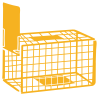
A cage trap is the safest and most effective way to get a raccoon out of your house.
Raccoon Exclusions
Our whole home exclusions guarantee to keep the raccoons out. After identify all current and potential raccoon entry points, we seal them.
Squirrel Removal Near You
Squirrels are so fun to watch. They fill up their cheeks with acorns and race up and down trees. It’s all fun and games until your bird feeders are destroyed, the siding on your home has been chewed through, and nests are built in your chimney. The Eastern Gray squirrel is a particular nuisance since it is the one to most likely enter your home. They are most active in the early mornings and evenings.
Native squirrels in our area include the Western Gray Squirrel, Douglas Squirrel, Red Squirrel, Northern Flying Squirrel. Non-native squirrels are the Eastern Gray Squirrel and the Eastern Fox Squirrel. Squirrels in King County have also been known to gnaw on wires lying on the roof of homes, causing power lines to droop, digging holes in your garden, and chewing holes in your attic where they may build a nest.
Squirrels mate from late winter to early spring, with litters arriving from March to June. All squirrels except flying squirrels and the western gray squirrel can produce a second litter in the Fall.
If you have squirrels on your property, call us for an inspection.
Inspection
Wildlife specialists look for signs such as chewing on, in, or around your home, small openings leading to the attic or the crawl space, droppings, and debris like nuts or nesting material. Beams, wires, pipes, and insulation may all show signs of damage from squirrels.
Squirrel Trapping
Live trapping or one-way doors are the most effective and humane ways to get rid of squirrels. One-way doors should never be used during birthing seasons (Spring & Fall), so our specialists will decide which is the best tool for the job. If we have to trap, we place traps strategically to safely catch the squirrels and check those according to state laws.
Squirrel Exclusions
We can restore your home or office by squirrel proofing all entry points after we have removed the offenders. We can also clean-up the nesting sites and remove any debris, food, feces and soiled insulation.
Rodent Control in Seattle
One of the most common and destructive pests to have in your home are rats and mice. Each one scavenges at night to find food and water. During the day, they hunker down in the nest they created, likely in your attic or walls. To make a nest, they will use any materials nearby, including insulation and clothing.
You will rarely see them, but rodents can travel anywhere, which means they can cause damage anywhere. Often found are sagging electrical wires, gnawed boards, and a trail of droppings and smelly urine. They also scurry across your countertops and into your pantry, where they chew through food boxes and ruin groceries.
Inspection
During a rodent inspection, we thoroughly inspect your attic and provide a complete exterior home inspection. The most common signs of rodent activity are gnaw marks, feces, rub marks, nesting material, runs in insulation material, and small entry points.
Rodent Trapping
The first step in a rat or mouse free home is trapping. It typically takes five to fourteen days depending on the severity of the infestation.
Rodent Control
Rodent exclusions and bait stations are the best methods for control. Exclusions block e-entry for the rats and mice. Bait stations control the population outside so they can’t get back inside.
Bat Removal
In Washington, bats are a year-round nuisance for homeowners. These critters look for places to hibernate during cold weather and roosts to rest during warmer months. Though some colonies choose trees or caves, others will enter homes.
Bats are a common sight in King County because they live in homes. The most common bats in King County are the little brown bat and the big brown bat. These bats roost in attics and wall voids, especially in older homes with small gaps near the roofline.
We must wait to block holes over a period of days early in the evening after the bats have left the structure to feed. We do this from mid-August to mid-October to give baby bats time to learn to fly. We also want to give them time to leave before colder weather arrives. Another window of opportunity occurs in early spring, before the birthing period in May.
If you have bats in your home or yard, call a professional at Critter Control for help.
Inspection
We perform a full interior and exterior inspection and search for signs such as rub marks, guano, a strong scent of ammonia, and small openings. The most common sign is the accumulation of guano (feces).
Bat Removal
The most effective and humane way to remove bats is by utilizing a bat valve in conjunction with a full home exclusion. A bat valve allows for bats to exit your home but not re-enter. We follow all local ordinances for humane bat removal. We will never abandon flightless pups in your attic.
Bat Exclusion
After removing the bat valves, we seal the entrance hole(s) so bats can no longer enter your home. If there is substantial guano in your attic, you should consider taking advantage of our attic remediation services to remove the soiled insulation and replace it.
Skunk Removal in King County
Skunks carry rabies and other diseases, making them dangerous to humans and pets. Female skunks seek a quiet, safe place to have baby skunks. Many find places underneath your home, porch, or decks. If the mama skunk feels threatened at any time, it will release an odor that repels any living creature.
Suppose they spray while living underneath your home; those odors can rise and enter your home, taking weeks for the odors to fade.
Skunks like to chew wood, tear screens, or burrow to find the right spot under your home. Don’t risk being sprayed by a skunk in trying to remove it by yourself. Call us instead.
Inspection
In addition to noting any pungent odors that signal the presence of a skunk, we will inspect the condition of your landscaping, as skunks are known for tearing-up lawns and shredding grass while hunting for grubs and insects. We will also inspect the perimeter of your building’s foundations and under decks, to locate burrows.
Trapping and Removal
Never try to remove a skunk from your property yourself. Getting sprayed is a very unpleasant experience. Furthermore, these animals may carry diseases that can spread to humans and pets, such as rabies. Our specialists will use live traps to capture and remove skunks for you, or they’ll use a one-way exclusion device to evict skunks from their harborage areas. The most effective ways to control a skunk problem is exclusion and habitat modification.
Skunk Control
The most effective ways to control a skunk problem is exclusion and habitat modification. Methods like sealing foundation gaps, replacing and screening broken foundation vents and installing hardware cloth (rat walls) around unprotected sheds and decks are the most effective and permanent ways to keep skunks out.
We recommend keeping pet food inside and securing any trash bins.
Beaver Removal
The ponds, rivers, lakes, and marshes in King County are home to a variety of semiaquatic mammals like beavers, river otters, and nutria. Each animal can presents unique problems that require specific animal control solutions.
Nutria burrow into dikes and irrigation systems. Individuals should never try to trap and remove nutria on their own. As the animal may be carrying a variety of pathogens and parasites, mishandling can lead to serious health risks. Contact a trained wildlife specialist to remove and humanely relocate nutria populations.
River otters can disrupt a pond or lakes ecosystem by eating fish. Wire fences can keep otters out of private ponds and fisheries. Building walls along the shore may make it difficult for otters to exit bodies of water, which effectively traps the animal until removal is possible.
Beaver dams can flood your property, and beavers can destroy trees building their dams. There are several solutions for beaver control. There are engineering solutions to prevent beaver dams from flooding your property. Covering the base of trees and landscaping can protect them from beaver damage. Beaver trapping and removal should be used as a last resort.
Moles and Mountain Beaver Control in King County
Trapping and removing burrowing animals from your yard can be challenging. Animals like moles, voles and mountain beavers can create extensive burrow systems with multiple entrances. In some cases, the animal has abandoned entrances and tunnels. It can be time and resouce intensive targeting a burrow the animal is no longer using.
Well-maintained landscaping, while pleasing to the eye, may provide the perfect living conditions for moles. They often build unsightly dirt mounds and raised surface tunnels, which can disrupt gardens, pavers, and plant root systems.
Mountain beavers create extensive burrows in their preferred habitat of damp forests, ferny slopes, and damp ravines in urban areas of King and Pierce counties. They have an herbivorous diet and will eat a wide variety of plants, both above ground, and underground.
Northern Flicker Woodpecker Control
The Northern flicker is the most common woodpecker in Washington. Homeowners often deal with these pests in wooded areas. Woodpecker issues are especially frequent after storms or landscaping efforts displace trees. Birds that lose their habitats seek alternate shelter. Residents may hear them drumming on siding or gutters.
Bird netting is frequently used to stop woodpecker populations from damaging surrounding trees and buildings. Frightening devices also provide some protection. Such methods involve the use of shiny, bright, and mobile objects near potential drilling sites. Exclusion can be difficult if the birds are well established in the area, at which point pest control professionals may be the only solution.