

Hours of Operation
Monday-Friday 7:00 a.m. – 6:00 p.m.
Saturday 8:00 a.m. – 4:00 p.m.
Sunday Closed
Tallahassee Wildlife Removal Company:
By County: Dallas County, Kaufman County, Rockwall County
- Crawfordville, FL
- Madison, FL
- Marianna, FL
- Panama City, FL
- Perry, FL
- Port St. Joe, FL
- Southwood, FL
- Tallahassee, FL
- Vernon, FL
Best Squirrel Removal in Tallahassee


Get a Free Quote
Call Today

Ask about in-house financing options.

One-Year Warranties on Exclusions
Too Busy To Call
Too busy to call?
Request a callback from us!
"*" indicates required fields
In Tallahassee, FL, squirrels live in different environments, including urban areas, parks, woodlands, and suburban neighborhoods. They are adaptable creatures and can thrive in both natural and human-altered landscapes.
Squirrels often make their homes in trees, especially those with dense foliage, where they build nests, called dreys, from twigs, leaves, and other materials. They may also seek shelter in attics, eaves, or other man-made structures if suitable natural nesting sites are scarce.
What Problems Do Squirrels Cause in My Attic?
Squirrels often damage attic insulation or electrical wiring. But the most damage is done over time as multiple squirrel litters are born in or near the home. As these squirrels grow and leave the nest, they often build nests within the same attic. If you don’t address the initial intrusion in time, the damage to your home will increase quickly. They will keep chewing through wiring and damaging insulation, creating more entry points for other squirrels.
How Did Squirrels Get Inside My Attic?
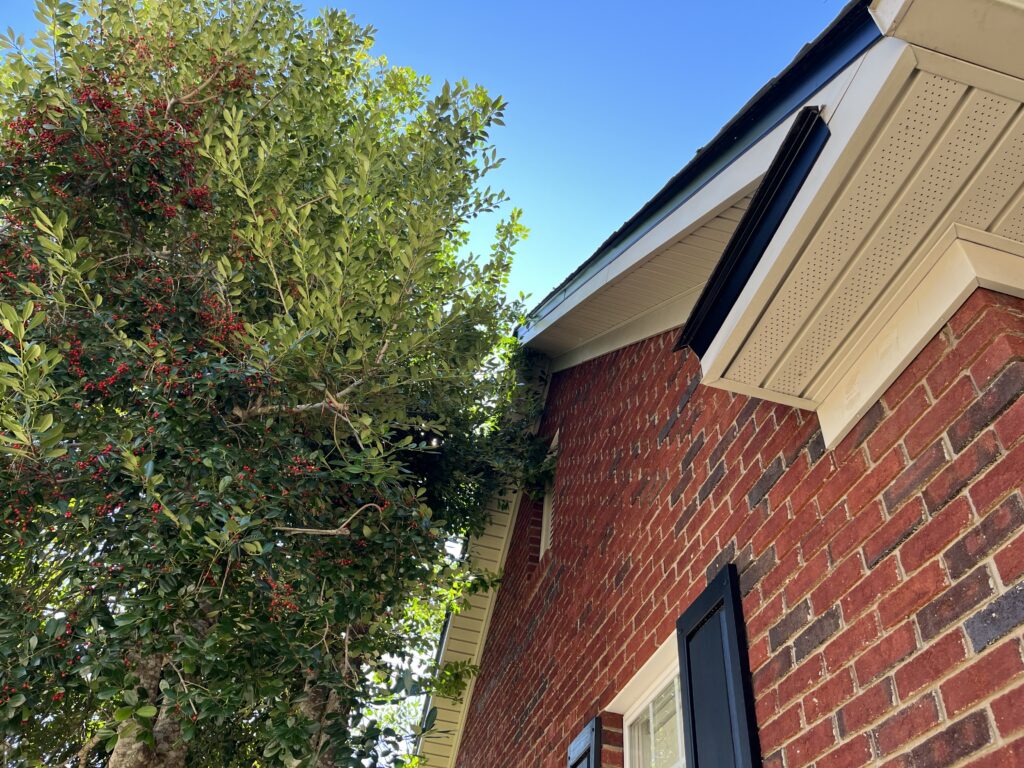
Most of the time, squirrels climbing through your trees are not a problem. Squirrels become a problem when they nest inside your house or on your roof.
Squirrels will enter your home because competition for resources has increased due to unchecked populations, land development has eliminated habitats, or they are escaping natural predators like coyotes.
Squirrels easily access your roof by climbing tree branches. They only need a gap the size of a golf ball. Entry points are typically on soffits, eaves, fascia boards, and chimneys.
How Do I Know if Squirrels Are in My Attic?
- Noises in the attic or walls
- Small, pellet-like droppings in the insulation
- Gnaw marks inside and outside the house
- Bad odors
How We Get Rid of Squirrels From Your Attic
Removing squirrels can be tricky because they run, climb, and jump quickly. While you can technically catch squirrels with nets or catch poles, it is nearly impossible. Squirrel trapping is one of the safest and most effective squirrel removal strategies.
Step 1: Identify Squirrel Entry Points & Damage
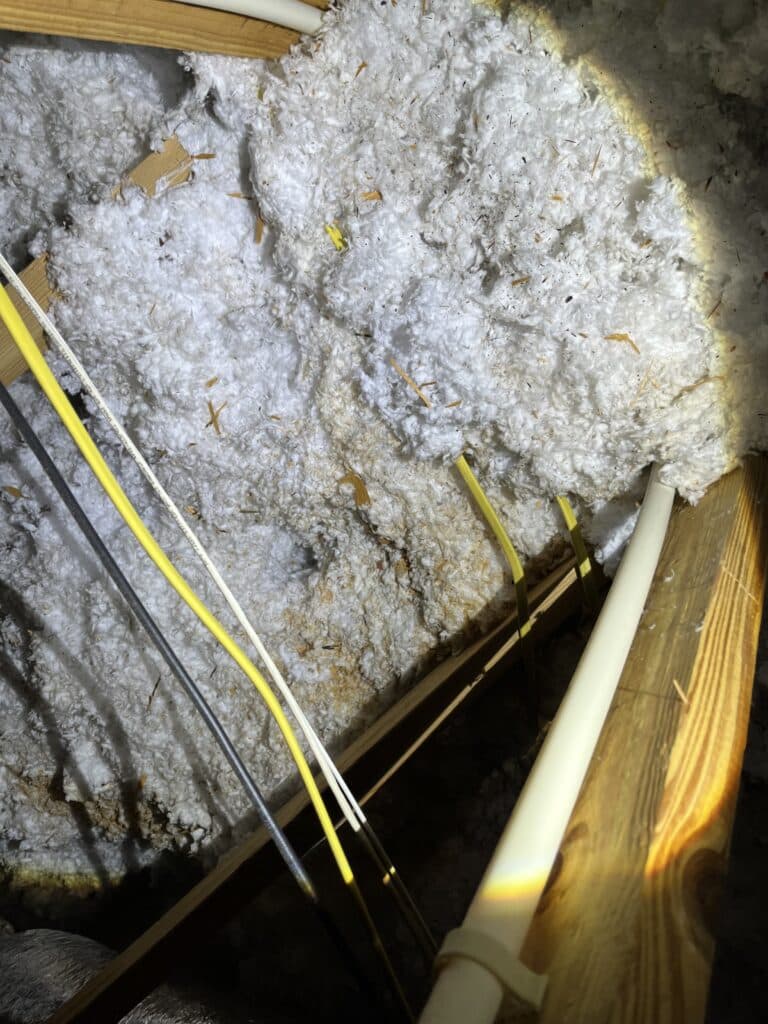
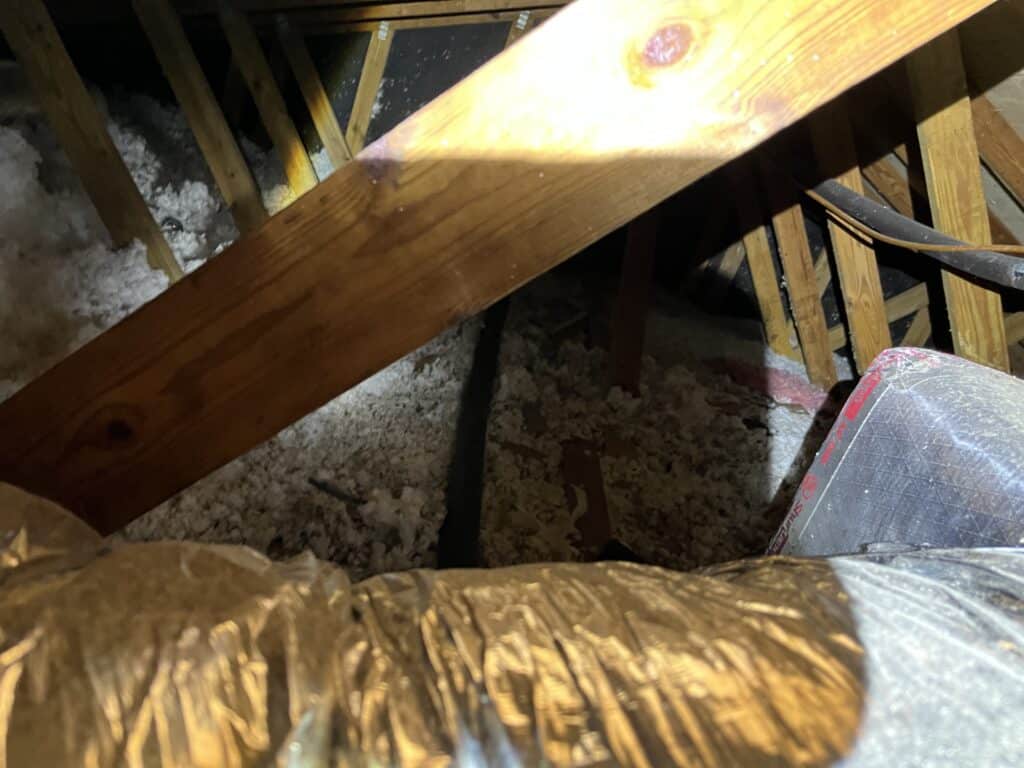
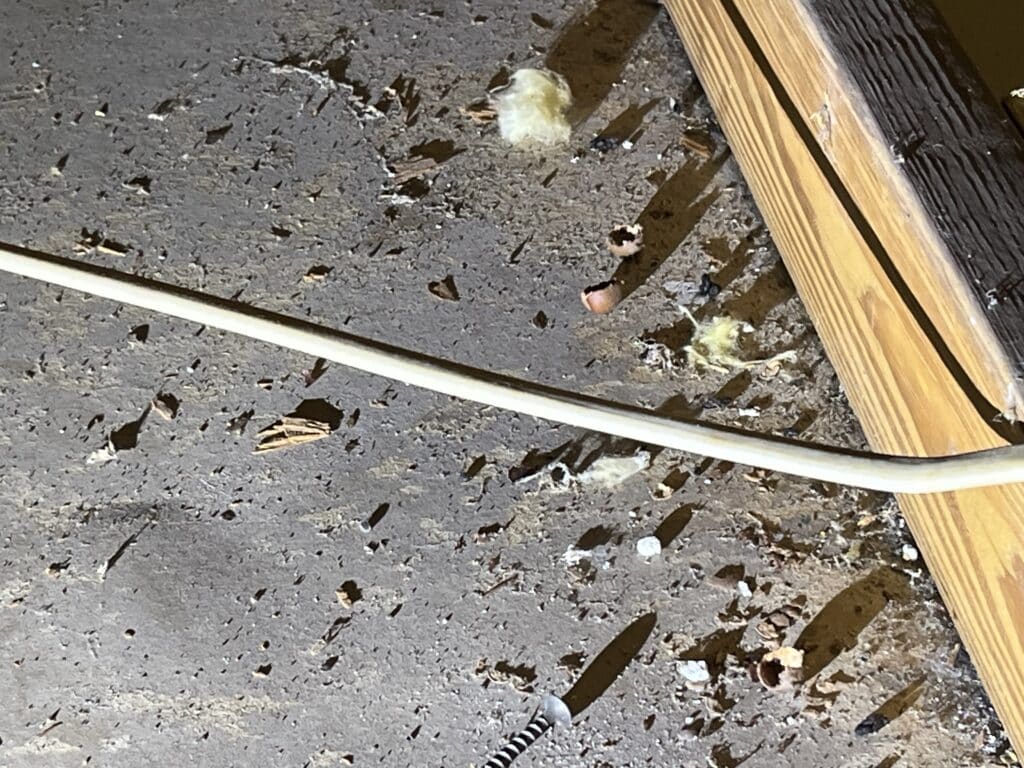
Squirrels are determined critters that can damage the exterior and interior of your home. They will chew and rip their way into your attic, creating a hole that can let rain and snow enter. Once inside, they keep gnawing on wood, tearing insulation for their nests, and chewing electrical wires. These chewed wires create a fire hazard. In addition, they will defecate, and this causes rot as well as a health concern. Squirrels also carry parasites such as ticks, mites, and fleas that can infest your home.
Do not ignore a squirrel infestation!
Step 2: Live Traps
The two most effective squirrel removal techniques are trapping squirrels or installing a one-way door. Occasionally, we will do both.
The best squirrel trap is a 5- x 5- x 18-inch (minimum) cage or box trap.
- Box traps have solid walls, usually wood, plastic, or sheet metal.
- Cage traps are made of wire mesh. For squirrels, use a cage trap with ½- x 1-inch mesh.
Do Not Use These to Trap Squirrels:
- Snap Trap
- Mouse Trap
- Glue Traps
Set these traps near your home’s entrances or in areas with evidence of squirrel activity. We set squirrel traps near droppings, running, or tracks in the insulation, gnaw marks, and squirrel nests. Do not rely on bait to overcome poor trap placement.
If the young aren’t present, you can get squirrels to evict themselves. Installing a one-way door over the entry point allows the squirrel to leave but prevents it from returning.
At Critter Control, we typically use a cage trap in conjunction with a one-way door. It allows the squirrel to exit but prevents it from returning. We regularly check the trap and safely release the squirrel.
Step 3: Squirrel Exclusions for Prevention
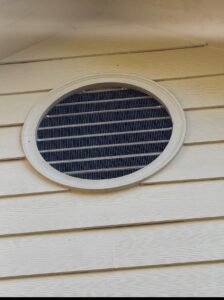
Squirrel trapping solves the immediate squirrel infestation. Your home already provides ample resources for squirrels. Without exclusion, you are still at risk for future squirrel infestations.
Because squirrels only need a small entry point, finding all the potential weak spots takes skill and experience.
Exclusion methods keep squirrels and other nuisance wildlife from entering your home. Some measures to take in this effort include removing trees and branches close to your roof that provide easy access. Sealing all vulnerabilities in your roof, soffits, vents, and chimney are also important.
Step 4: Cleanup and Remediation
How long a squirrel lived in your house will determine how much damage it caused. After squirrel removal, Critter Control will clean up droppings, remove squirrel nests, apply sanitizing agents, treat for ectoparasites like fleas, and, in extreme cases, install new attic insulation.
Squirrels often damage attic insulation or electrical wiring. But the most damage is done over time as multiple squirrel litters are born in or near the home. As these squirrels grow and leave the nest, they often build nests within the same attic. If you don’t address the initial intrusion in time, the damage to your home will increase quickly. They will keep chewing through wiring and damaging insulation, creating more entry points for other squirrels.
Should I Call an Exterminator to Get Rid of Squirrels in the Attic?
Using an exterminator for squirrel control in Tallahassee is not a good pest control strategy. Exterminators are state-licensed technicians trained to control pests using chemicals. They apply solutions to interior and exterior spaces of homes, offices, restaurants, warehouses, and other structures.
Chemical and natural repellents may work occasionally but provide only a short-term solution. Most mammals will grow accustomed to the repellent or deterrent. No toxicants are registered for squirrel exterminators. It is inhumane. Also, killing a squirrel in your house creates another problem.
Who Should I Call for Squirrel Removal in Tallahassee?
The professional wildlife control operators at Critter Control understand everything about squirrels, especially those that become a nuisance to property owners. They are certified and trained in methods to prevent, remove, and exclude wildlife from your home or office. Wildlife control operators avoid chemicals and toxic products that kill because they are unethical, inhumane, and rarely provide long-term squirrel control solutions.
Critter Control in Tallahassee specializes in squirrel removal. To remove a squirrel or family of squirrels from your property, our wildlife specialist will perform a thorough inspection to determine the severity of the problem. After the inspection, they will build a custom solution to trap, remove, and seal all entry points. They will also provide warranty options and an estimate for preventative services.
Frequently Asked Questions: Squirrel Control
What repellents work to get rid of squirrels?
Common squirrel repellents include pepper spray, predator urine, mothballs, ammonia-soaked rags, and commercial repellent sprays. None of these has been shown to be effective in solving a squirrel infestation.
Can I use rat poison for squirrel extermination?
No! Do not use rat poison for squirrels. It is inhumane, ineffective, and potentially dangerous to your family and pets.
What is the best method of squirrel pest control?
Squirrel removal using one-way doors and squirrel exclusions from Critter Control is the best way to get rid of squirrels.
How much does squirrel removal cost in Tallahassee?
The cost of squirrel removal includes the size of the house, the amount of squirrel damage, the length of infestation, and the number of squirrels. Each situation is unique.