



STEP 1
Whole Home Inspection
We inspect your property thoroughly to identify species, entry points, and nesting sites, ensuring accurate and humane removal plans.

Monday-Friday 7:00 a.m. – 6:00 p.m.
Saturday 9:00 a.m. – 5:00 p.m.
Sunday Closed
By County: Allen, DeKalb, Steuben, Noble, LaGrange
Fort Wayne,
Auburn, Garrett,
Avilla,
Kendallville,
Albion,
Waterloo,
Butler,
St. Joe,
Spencerville,
Steubenville,
South Milford,
Woodruff,
Angola,
Fremont,
Orland,
LaGrange
When you need wildlife removal in Fort Wayne, Critter Control offers trusted, local services to get animals out and keep them out. We specialize in humane wildlife control for squirrels, raccoons, rats, mice, and any other critters causing problems in your attic, walls, or property.
Some animals also require permits for removal under Indiana law. It is suggested calling experts who know the local and state laws regarding animal control.
It may be tempting to try and get rid of a nuisance animal by yourself, but this is a dangerous idea. Wildlife control experts are the right ones for the job because they:
Nuisance wildlife in Fort Wayne, like raccoons, squirrels, and bats, can damage property or pose a threat to the public.
 Squirrel Removal in Northern Indiana
Squirrels are among the most common nuisance animals in Indiana. They enter attics and wall spaces through small roof gaps, especially in older homes. Critter Control uses humane exclusion devices and repairs entry points to prevent future invasions, minimizing property damage and fire risks from gnawed wiring.
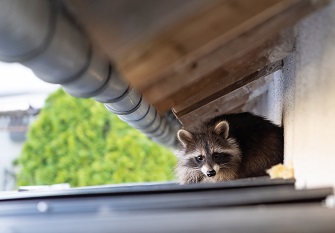
In their natural habitat, raccoons are excellent climbers and use trees for cover to protect themselves from predators. But that also makes attics and chimneys ideal substitutes when the weather turns cold and trees are scarce.
Raccoons are strong and will tear holes in the roof to get in. Once inside, they tear insulation and gnaw on wood and wires. Because of their size, if a raccoon was in your attic, you would definitely hear them banging around. Raccoons can become fierce when confronted, especially if there are kits. Call a wildlife control specialist like Critter Control to remove them.
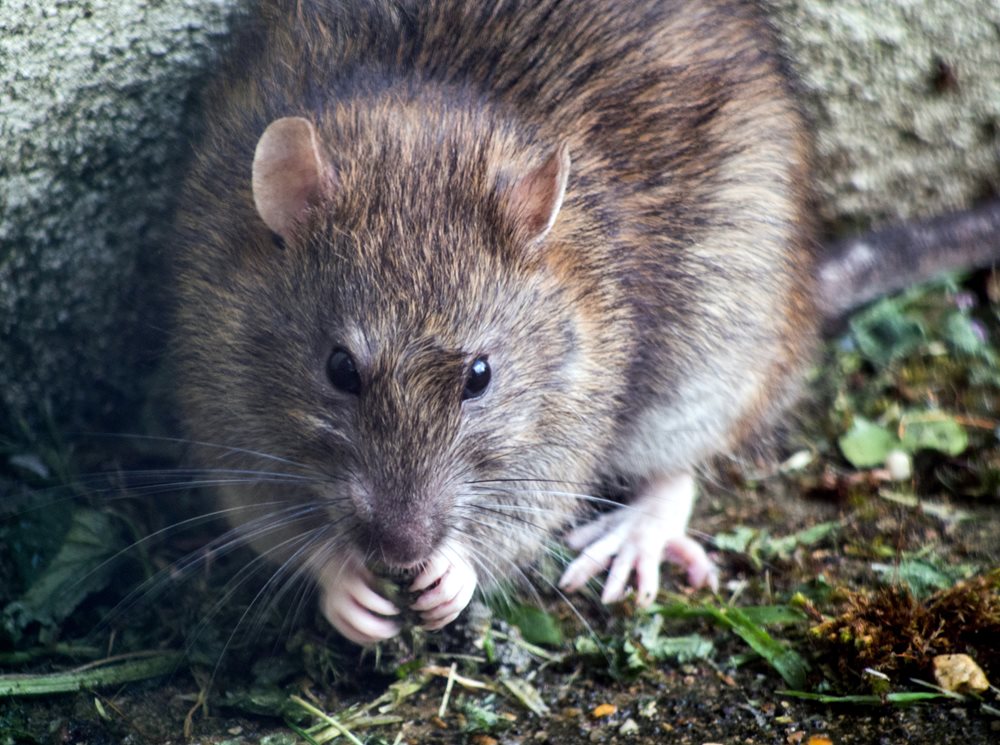 Rodent Control in Indiana
In Fort Wayne, rats are more than just a nuisance. They can damage homes, threaten health, and create ongoing problems if you don’t handle them quickly and thoroughly. Older neighborhoods, wooded lots, crawl spaces, restaurants, and areas near streams or heavy vegetation all provide rats with year-round shelter and food sources.
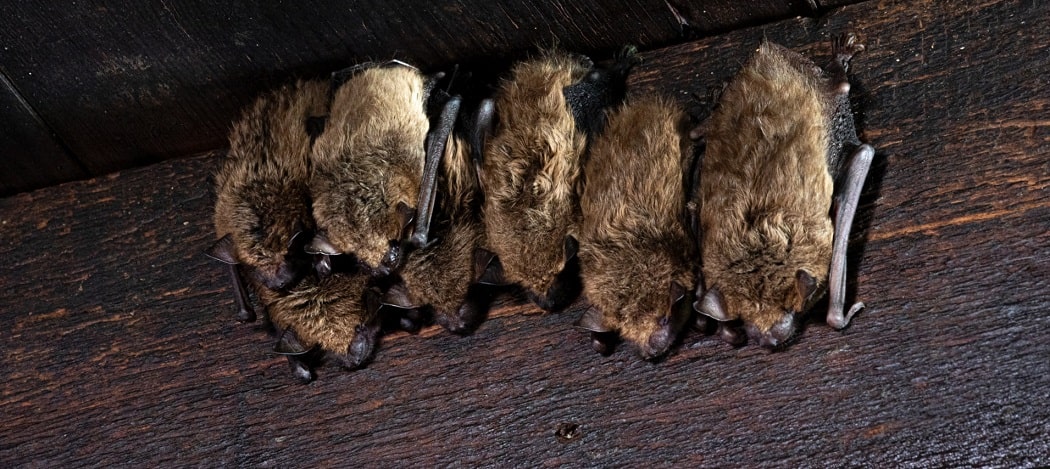 Bat Removal in Fort Wayne
Bat infestations are most common in areas with older homes, mature trees, nearby woods, and structures with aging roofs or attic spaces. Bats are attracted to warm, protected voids like attics, soffits, chimneys, and wall cavities.
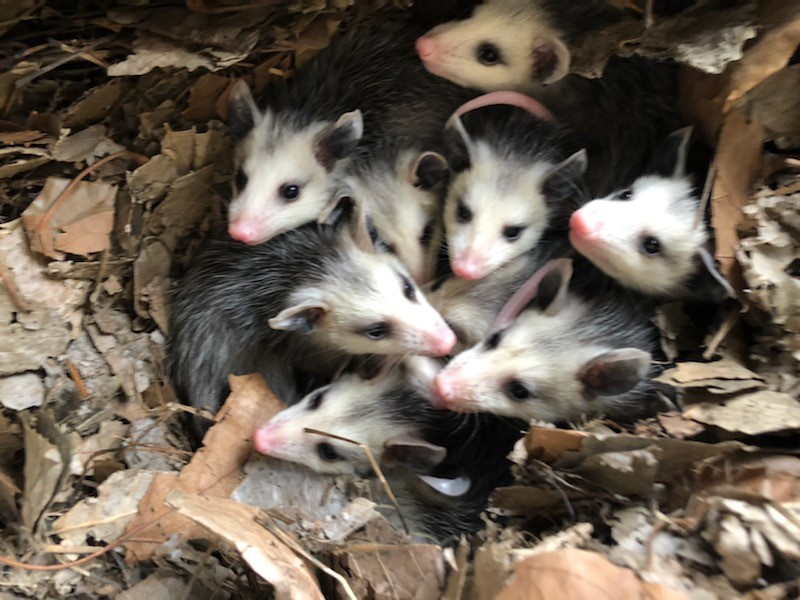 Opossum Control in Fort Wayne
Opossums often take shelter under decks, porches, and crawlspaces. While generally not aggressive, they can create messes and attract other pests. We humanely trap and relocate opossums, then block access points to prevent re-entry.
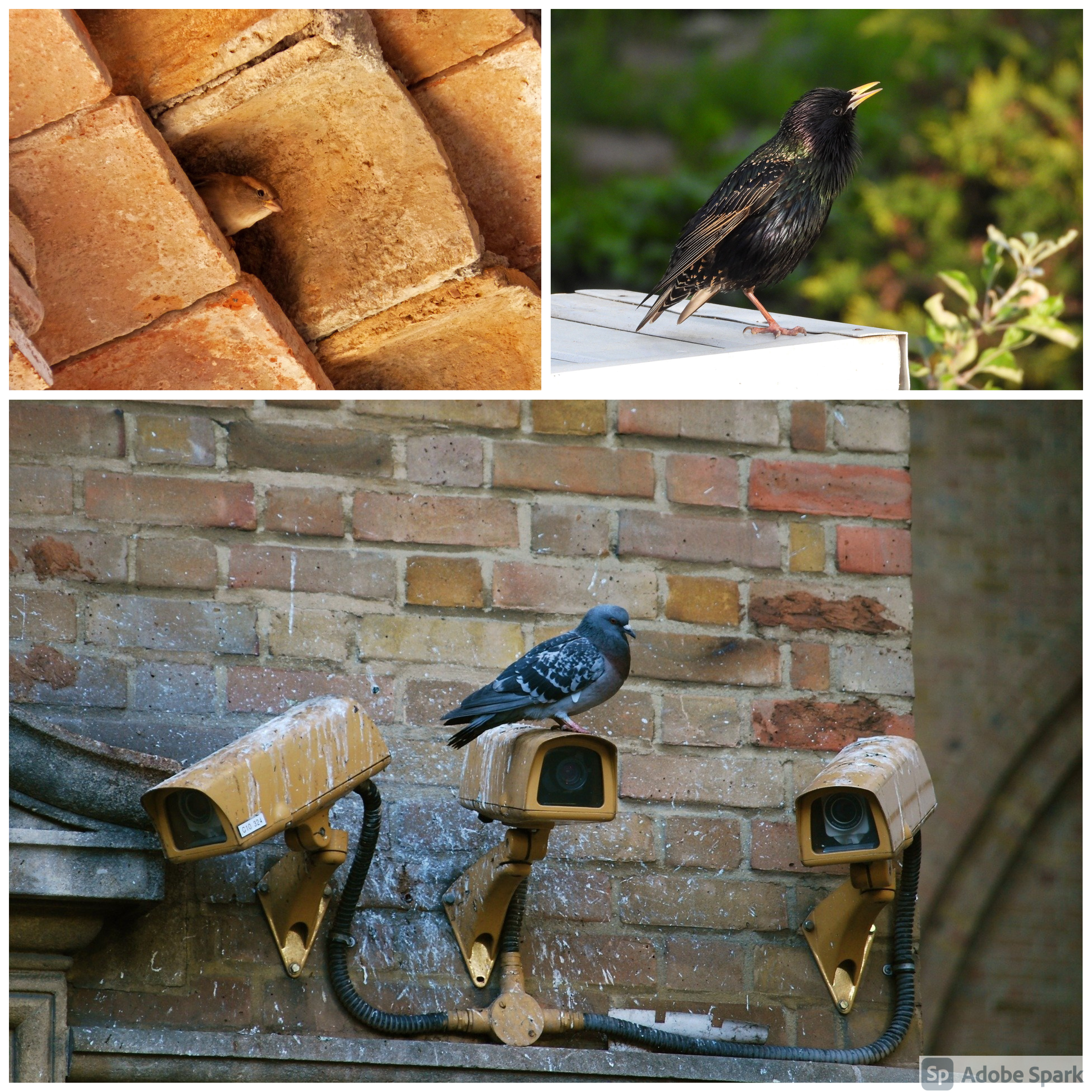
Pigeons, starlings, sparrows, chimney swifts, and woodpecker are common birds that cause problems for both residential and commercial properties. The city’s mix of old homes, commercial rooftops, and wooded neighborhoods gives birds abundant nesting and roosting opportunities. Our bird control solutions focus on exclusions, repellents, and deterrents to encourage the birds to find another roost.
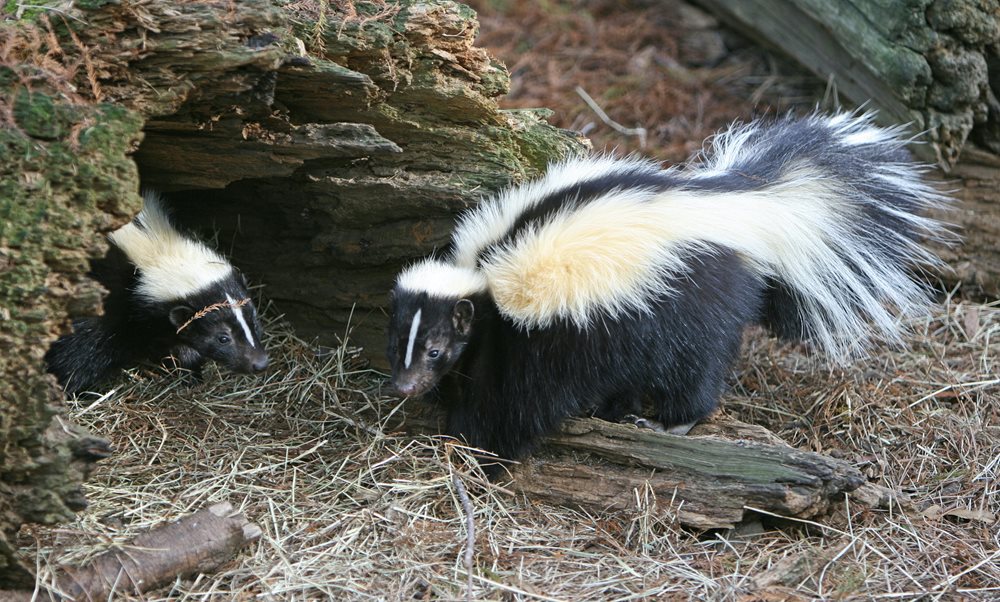
Skunks are common in Indiana yards and gardens, especially in spring and fall. We locate dens, use humane traps, and install barriers to prevent future digging and denning under porches or sheds.
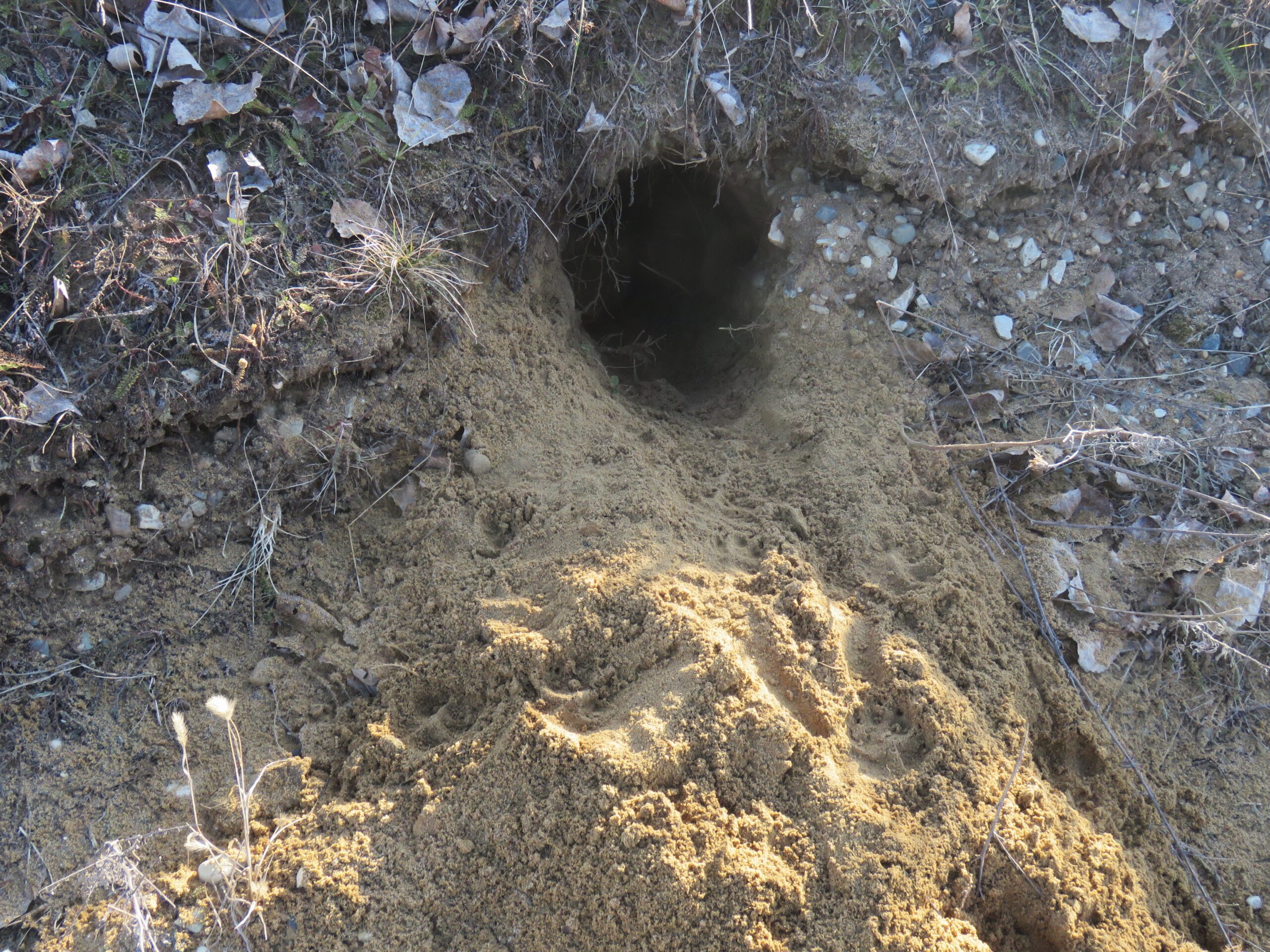
These burrowing animals can destroy lawns and gardens throughout the growing season. Our experts identify tunnels, trap the animals, and recommend exclusion methods to protect your yard.
Critter Control is here for you every step of the wildlife removal process. With 40+ years of field experience, our services provide a long-term solution to your wildlife problem.
We inspect your property thoroughly to identify species, entry points, and nesting sites, ensuring accurate and humane removal plans.
We use several methods to humanely remove the animal from your home. Depending on the species, the number of animals, and the condition of your property, we develop a custom wildlife removal plan. Humane wildlife removal strategies include animal traps, one-way doors, and repellents.
Once we guarantee all animals are gone, we implement exclusion techniques. Exclusion techniques provide a safe, long-term solution to nuisance wildlife in your home. We create barriers to prevent animals from getting to resources. We only apply exclusions once we are sure all animals are gone from your home.
Animals like raccoons, squirrels, and rats will damage inside your home. They build nests and dens out of readily available material. They will create runs through the insulation. Rodents will gnaw on anything including electrical wires and pipes. Animals can also spread diseases. We apply sanitation agents to clean up feces and urine. Mammals can host pests like fleas, ticks, and mites. Ectoparasite treatments exterminate those pests so you don’t become their next host.
Raccoons are prevalent in the northern Indiana. They are busy in the evenings and at night searching for food, water, and shelter. Raccoons have permanent masks and nimble hands that allow them to open trash cans and feed bags. They like to dig holes in your yard searching for insects and will raid your garden and chicken coop for a good meal.
Raccoons are great climbers, but if they see an open entry, even a pet door, they will take the easiest route into your home. They prefer an attic space. Once inside, they can destroy walls, flooring, and wires to create a nest. Near the nest, they will pile feces and urine that smells foul and leaves stains.

During the inspection, we determine the severity of the raccoon infestation. We look for physical evidence like footprints in or around the home, stains from raccoon feces and urine. On the exterior of the house, we look for damage like scratches on boards, broken vents and screens, ripped apart shingles, destroyed soffits, and every possible entry point.

Live trapping is one of the most efficient ways to get rid of a raccoon. Depending on the situation, a one-way door or excluder valve can be installed. An excluder valve works by allowing the raccoon to leave but blocks its reentry. The choice of device is largely dependent on the season and location of the raccoons on your property. Direct capture is not commonly used because raccoons are a rabies vector species. If we must trap, we place traps strategically to safely catch the raccoons and we check traps frequently, based on state laws.

The best raccoon control is exclusion from Critter Control. We provide a wide range of repair and restoration services. We can repair raccoon damage like broken screens on vents and chimneys and broken boards on decks and porches. It is essential to apply cleaning agents and ectoparasite treatments on areas inhabited by raccoons.
The Indiana Vector Control Association report the Norway rat and house mouse are the troublemakers in our homes and neighborhoods. Rats and mice search for foods like grains, fruits, vegetables, and animal feed. They will dig through garbage, scraps, and even the feces of dogs and cats to retrieve bits of undigested food. They are filthy creatures that inhabit your walls and attic if given a chance. To create a nest, they will chew carpet, clothing, wood, metal, and more.
Chewed wires, droppings, gnaw marks on wood or furniture, and baseboard smudges are rodent activity signs. Because they multiply quickly and often, you must call a professional at the first sign of rat or mouse presence.
During a rodent inspection, we thoroughly inspect your attic and provide a complete exterior home inspection. The most common signs of rodent activity are gnaw marks, feces, rub marks, nesting material, runs in insulation material, and small entry points.
A Critter Control wildlife specialist will create a strategic trapping plan to remove the rodents found in your home. Critter Control specialists may use snap traps and live traps to capture and remove mice and rats. Rodent trapping can usually takes between five to fourteen days.
The best way to control rodent populations is to seal possible entrances. Exclusion methods include caulking cracks in foundations, capping chimneys, and installing mesh covers over vents and crawl space entrances. We also strongly recommend a maintenance service. Rodents have front teeth that continuously grow, which means they can gnaw a new way back into your home.
There are multiple squirrel species in Indiana. It’s probably the fox or gray squirrel scavenging for food in your yard daily. You may even have one living in your attic, ceiling, or walls.
Squirrels are active all year, but because food may be scarce in the winter months, they will store foods during other seasons. If you keep filling the bird feeder, they will stick around. Squirrels like to eat nuts, fruits, garden crops, bird eggs, grains, seeds, leaves, and bark. They may store items in places like your air vents and ducts, creating fire hazards for your family.
It’s essential to call for help as soon as you notice a squirrel is entering your home or causing damage to outdoor features, like wires, trees, or the roof.
Wildlife specialists look for signs such as chewing on, in, or around your home, small openings leading to the attic or the crawl space, droppings, and debris like nuts or nesting material. Beams, wires, pipes, and insulation may all show signs of damage from squirrels.
Live trapping or one-way doors are the most effective and humane ways to get rid of squirrels. One-way doors should never be used during birthing seasons (Spring & Fall), so our specialists will decide which is the best tool for the job. If we have to trap, we place traps strategically to safely catch the squirrels and check those according to state laws.
Squirrel exclusions prevent future squirrel infestations by stopping their entry into your home. We can restore your home or office by squirrel proofing all entry points after we have removed the offenders. We can also clean-up the nesting sites and remove any debris, food, feces and soiled insulation.
Bats are a protected species because they are so beneficial to the environment. Specific laws prevent the harassment or harm of bats, especially during the maternity season between Spring and Fall. We have at least thirteen documented species of bats in Indiana. Most live in caves and trees in rural parts of Allen County and statewide. However, the big and little brown bats will roost in manufactured structures, like your attic, eave, or in the ceilings of barns and sheds on your property. If you have a bat problem, you also have an insect problem.
Bats eat insects, thousand every night. After feeding, they roost by hanging upside down from boards or beams. They also defecate on themselves while hanging upside down. Eating so many bugs means significant amounts of bat guano accumulate underneath them. Guano can grow molds that, if inhaled by humans, may cause respiratory problems.
Bat guano contains acids that lead to corrosion of wood and metal, making your man-made structure unstable. Never try to remove a bat alone, however. Some may be diseases and may react aggressively if they feel threatened. We know how to solve your bat problem.
We perform a full interior and exterior inspection and search for signs such as rub marks, guano, a strong scent of ammonia, and small openings. The most common sign is the accumulation of guano (feces).
The most effective and humane way to remove bats is by utilizing a bat valve in conjunction with a full home exclusion. A bat valve allows for bats to exit your home but not re-enter. We follow all local ordinances for humane bat removal. We will never abandon flightless pups in your attic.
After removing the bat valves, we seal the entrance hole(s) so bats can no longer enter your home. If there is substantial guano in your attic, you should consider taking advantage of our attic remediation services to remove the soiled insulation and replace it.
Crows eat many insects, like bats, but they also consume frogs, nestlings, snails, fruits, snakes, eggs, nuts, and vegetables. They will also pick through trash bags that are not protected or stored correctly.
All this eating means crow droppings everywhere they perch, which is usually with a gang of other crows. They are known to help each other find food, mates, and resting spots. They mostly roost in trees, but if unavailable, crows will choose eaves, barns, electrical wires, and fences on your property. Call us to get rid of a crow problem.
We thoroughly inspect the area for things that attract birds, like harborage and loafing areas, as well as food and water sources. Also, we look for where birds may be entering your home or business. We also inspect for damage caused by birds, whether it’s by nesting, or by droppings.
After identifying the bird species, we may start by physically removing the species in question. In rescue situations, such as chimneys or basements, birds can be released on-site if the entrance has been secured properly. Occasionally, live traps will be used, especially if flocks of birds are involved. For persistent birds and larger flocks, several advanced techniques may be applied simultaneously including netting, spikes, ledge products, scare tactics, misting and more. The most effective method of bird control is prevention and exclusion.
We can repair the damage that is allowing birds entry to your home, like broken siding, weakened gutters, rotted soffits and fascia. We can also install protective screens on chimneys and vents. We can also remove nesting materials and accumulated droppings, then clean surface stains. We can use netting over fruit and vegetable crops and water basins. Netting can also be used in car ports, building overhangs and food courts. We also install a large number of different types of roof ledge barriers too.