



STEP 1
Pest Control Inspection
We inspect your property thoroughly to identify species, entry points, and nesting sites, ensuring accurate and humane removal plans.
Monday-Friday 7:30 a.m. – 6:00 p.m.
Saturday 8:00 a.m. – 5:00 p.m.
Sunday Closed
By County: Grant, Hampshire, Hardy, Mineral, and Pendleton Counties
When you need wildlife removal in West Virginia, Critter Control offers trusted, local services to get animals out and keep them out. We specialize in humane wildlife control for squirrels, raccoons, rats, mice, and other critters causing problems in your attic, walls, or on your property.
The Potomac Highlands is known for dramatic landforms: long mountain ridges, flat-bottomed valleys, and canyons and ravines carved by rivers. Because of its varied terrain and intact forests, the Potomac Highlands hosts a wide range of wildlife whose behaviors are shaped by elevation, season, and habitat type.
Common nuisance animals such as raccoons, squirrels, bats, skunks, and groundhogs are frequently drawn to homes and properties in search of food, shelter, and nesting sites. Attics, crawl spaces, and sheds provide ideal safe havens, while unsecured trash and pet food attract foraging animals. Understanding the behaviors and habits of these local species is key to preventing damage, protecting property, and maintaining a safe, healthy living environment.
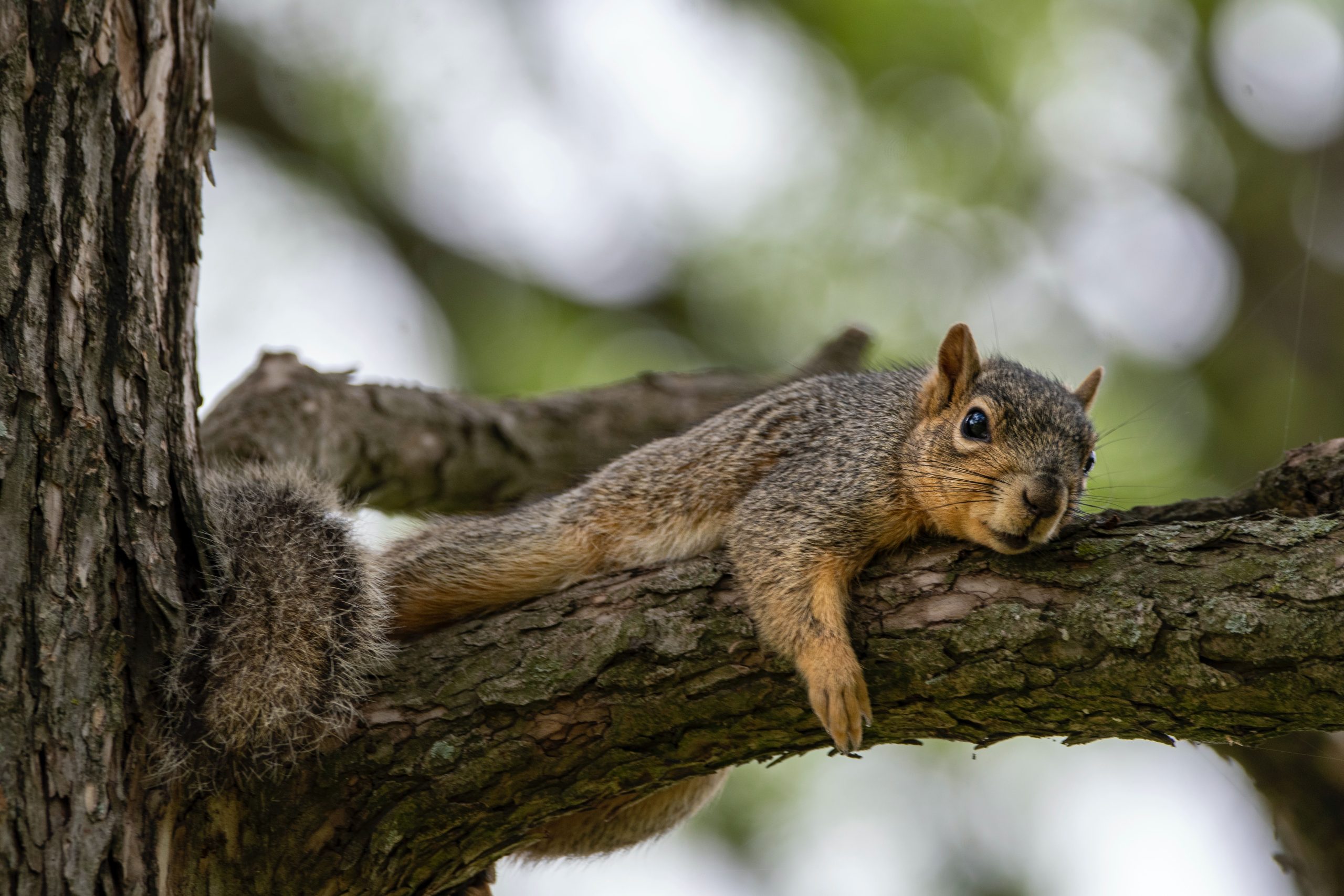 Squirrel Removal around Potomac Highlands
Squirrels are among the most common nuisance animals in the area. They enter attics and wall spaces through small roof gaps, especially in older homes. Critter Control uses humane exclusion devices and repairs entry points to prevent future invasions, minimizing property damage and fire risks from gnawed wiring.
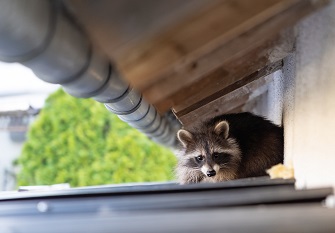
Raccoons in their natural habitat are excellent climbers and use the cover of trees to protect themselves from predators. But that also makes attics and chimneys an ideal substitute when the weather turns cold, and the availability of trees is low. Although these creatures are quite cute, they are also quite destructive.
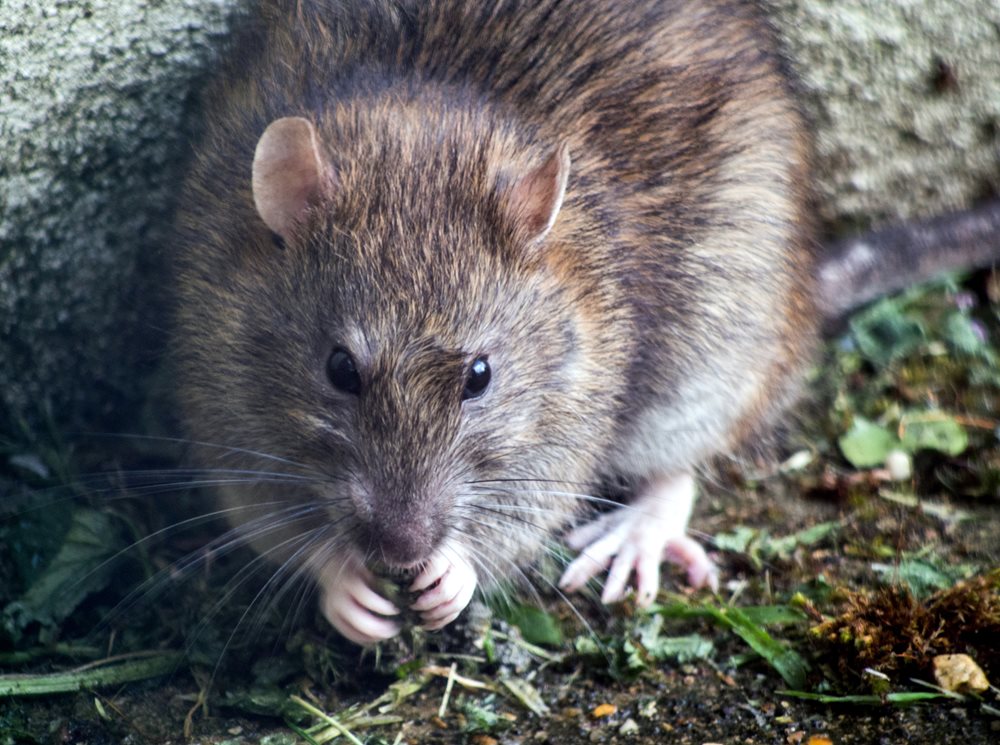 Rodent Control in West Virginia
In Martinsburg, rats are more than just a nuisance. They can damage homes, threaten health, and create ongoing problems if they are not handled quickly and thoroughly. Older neighborhoods, wooded lots, crawl spaces, restaurants, and areas near streams or heavy vegetation all provide good shelter and food sources for rats year-round.
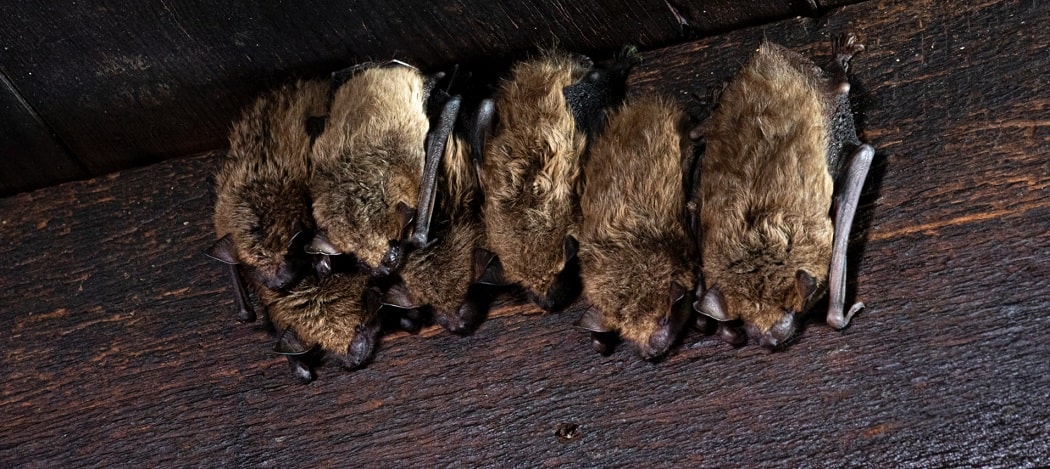 Bat Removal in Potomac Highlands
In Charlottesville, bat infestations are most common in areas with older homes, mature trees, nearby woods, and structures with aging roofs or attic spaces. Bats are attracted to warm, protected voids like attics, soffits, chimneys, and wall cavities.
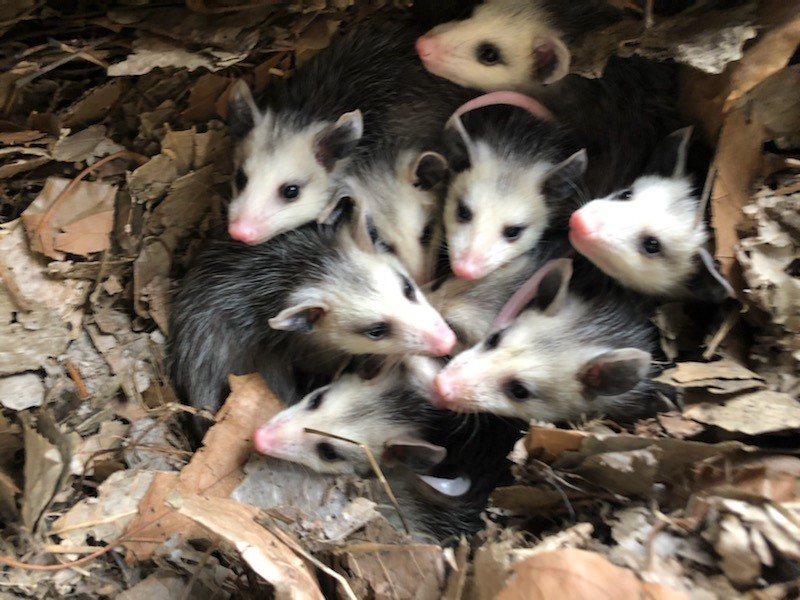
Opossums often take shelter under decks, porches, and crawlspaces. While generally not aggressive, they can create messes and attract other pests. We humanely trap and relocate opossums, then block access points to prevent re-entry.
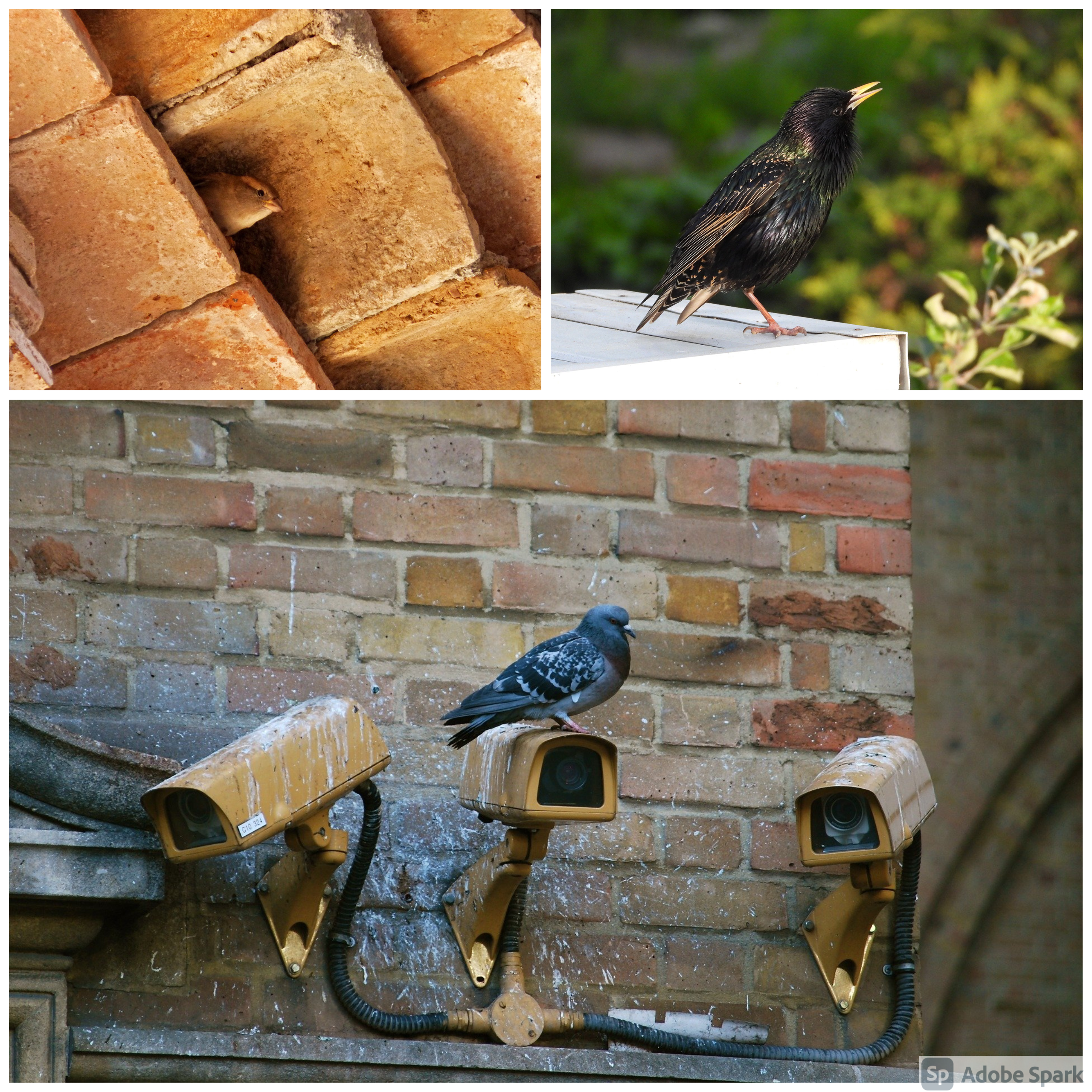
Pigeons, starlings, sparrows, chimney swifts and woodpecker are common birds that cause problems for both residential and commercial properties. The city’s mix of old homes, commercial rooftops, and wooded neighborhoods gives birds abundant nesting and roosting opportunities. Our bird control solutions focus on exclusions, repellents, and deterrents to encourage the birds to find another roost.
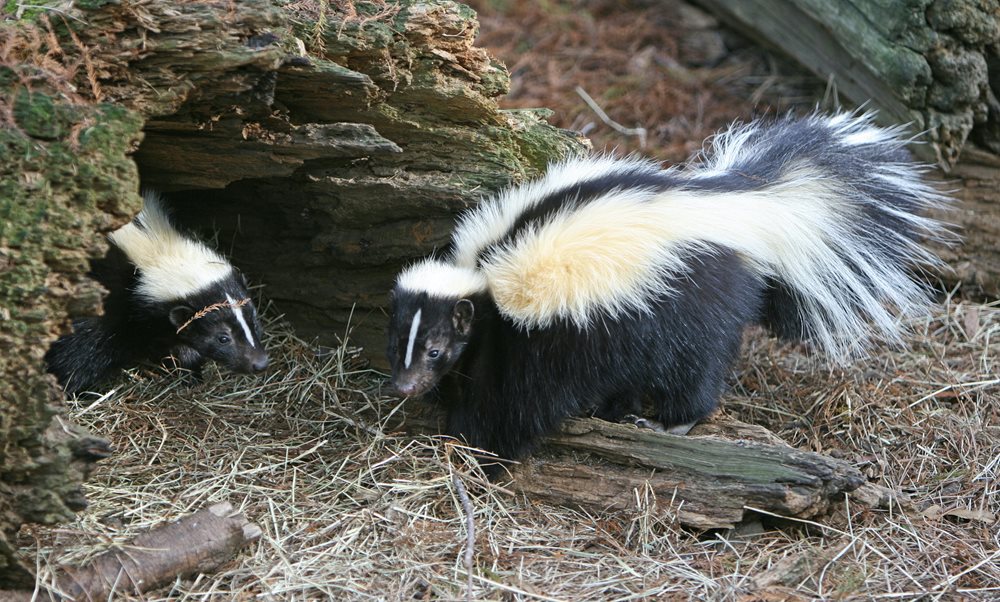
Skunks are common in West Virginia yards and gardens, especially in spring and fall. We locate dens, use humane traps, and install barriers to prevent future digging and denning under porches or sheds.
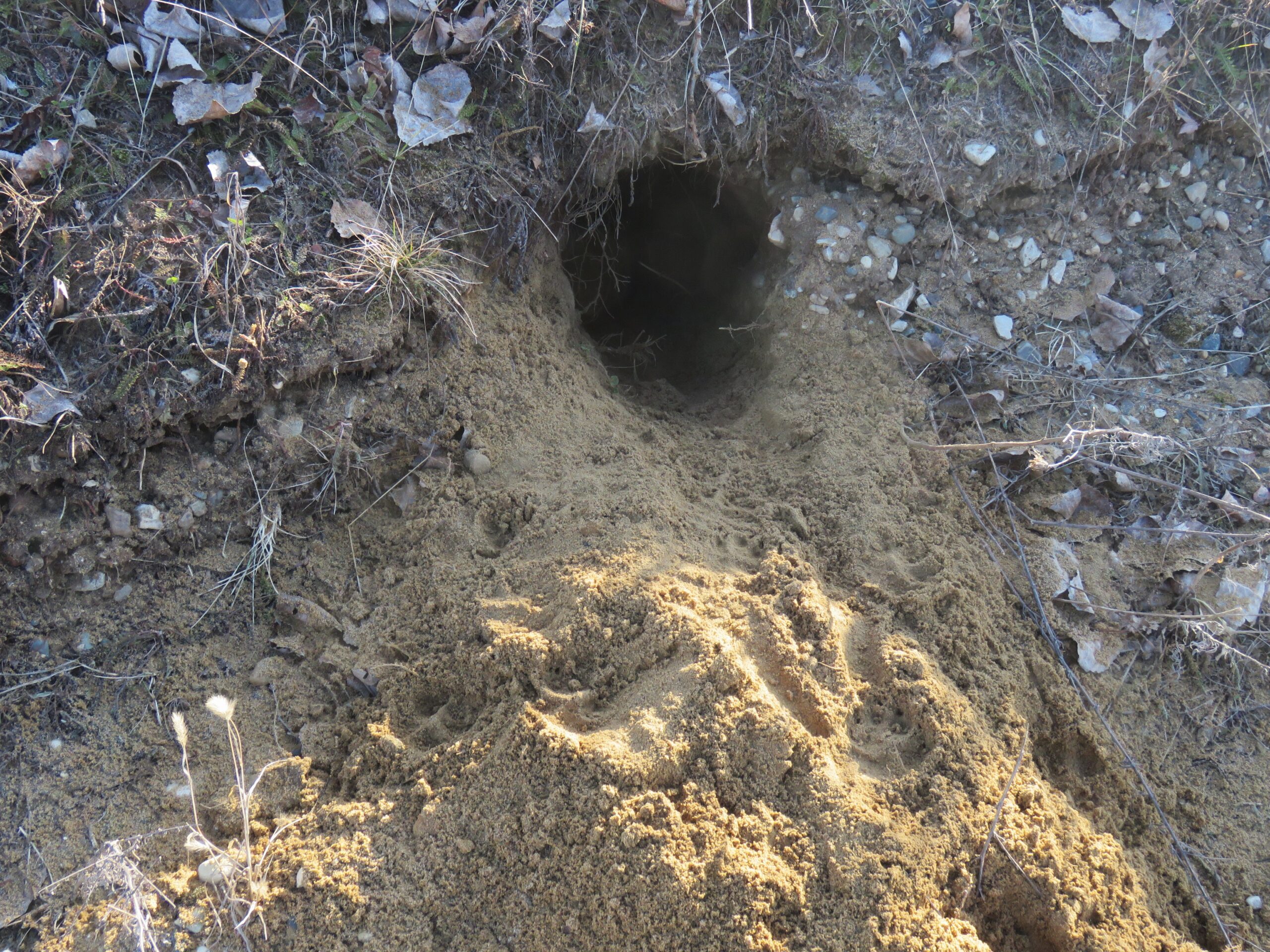
These burrowing animals can destroy lawns and gardens throughout the growing season. Our experts identify tunnels, trap the animals, and recommend exclusion methods to protect your yard.
Our 4-step process is designed to address these local challenges with thorough, humane, and effective solutions.
We inspect your property thoroughly to identify species, entry points, and nesting sites, ensuring accurate and humane removal plans.
Using pet-safe, species-specific methods, our wildlife removal team humanely excludes or traps unwanted critters like squirrels, raccoons, rats, or opossums.
After animal removal, our wildlife exclusion services prevent animals getting back in by sealing entry points using gnaw-resistant materials, preventing future infestations.
Inside your home, animals build nests and dens out of readily available material. They will create runs through the insulation. Rodents will gnaw on anything including electrical wires and pipes. Animals can also spread diseases. We apply sanitation agents to clean up feces and urine. Mammals can host pests like fleas, ticks, and mites. Ectoparasite treatments exterminate those pests so you don’t become their next host.
Raccoons are one of the most common nuisance wildlife species in in Potomac Highlands, WV due to their intelligence, adaptability, and strong attraction to human environments. These nocturnal animals are skilled climbers and problem-solvers, often gaining access to attics, chimneys, and crawl spaces to create dens especially during colder months or breeding season. Female raccoons frequently seek out quiet, enclosed areas to raise their young, which can lead to persistent infestations.
Without proper intervention, raccoon activity can escalate quickly, leading to costly damage and ongoing disturbances. Identifying early signs—such as loud noises at night, scattered trash, or visible entry holes—is key to preventing long-term problems.

During the inspection, we determine the severity of the raccoon infestation. We look for physical evidence like footprints in or around the home, stains from raccoon feces and urine. On the exterior of the house, we look for damage like scratches on boards, broken vents and screens, ripped apart shingles, destroyed soffits, and every possible entry point.

In West Virginia, several types of rodents commonly become nuisance pests due to the area’s mix of residential, agricultural, and wooded environments. The most problematic species include the house mouse and Norway rat.


West Virginia is home to several types of squirrels, but the most common squirrels to get in an attic or wall are the Eastern gray squirrel or flying squirrels.
These animals are natural climbers and constantly in search of safe, elevated spaces to nest—making attics, soffits, and wall voids highly attractive. In the fall, squirrels actively seek out warm shelter to prepare for winter, while spring brings increased activity as females build nests to raise their young. Once inside a structure, squirrels can become highly destructive. They chew on wood, insulation, and especially electrical wiring, which creates a serious fire hazard.
Wildlife specialists look for signs such as chewing on, in, or around your home, small openings leading to the attic or the crawl space, droppings, and debris like nuts or nesting material. Beams, wires, pipes, and insulation may all show signs of damage from squirrels.
Of the 14 bat species in West Virginia, the little brown bat and the big brown bat are the most likely culprits to roost in your attic. They look for safe places to give birth during maternity season.
Maternity season is in the spring; during this time, you cannot harass, threaten, or remove bats from your structure. Hiring an expert to remove bats is recommended, especially when dealing with bat colonies.
When their guano, or feces, piles up in their roost, they get heavy and can damage structural boards. It grows mold spores that can lead to respiratory illnesses like histoplasmosis. It contains uric acid that corrodes wood and metals and leaves permanent stains on walls, floors, and siding.
We perform a full interior and exterior inspection and search for signs such as rub marks, guano, a strong scent of ammonia, and small openings. The most common sign is the accumulation of guano (feces).

Skunks and opossums are different species, but their nuisance behaviors are identical and eerily like raccoons. One difference is that skunks and opossums typically change living habitats after a few weeks. Both animals use vacant dens in your yard, the attic, crawlspace, basement, or area under a porch or deck for shelter. They are very messy and will destroy everything in their space.
Skunks and opossums crawl through insulation, ductwork, vents, and pet doors, searching for food. If they need to make an entry bigger, they will. Both eat insects, small rodents, fish, garden crops, eggs, and human and pet food. They raid compost piles and trash cans. After all that eating, they will leave piles of feces and urine in their dens.
When skunks and opossums feel threatened, they will hiss, growl, and screech, and both release a musky-smelling fluid that can take days or weeks to fade. One difference is that opossums play dead when frightened. Wildlife control specialists are extensively trained to get rid of skunks and opossums, and they understand the local, state, and federal regulations for nuisance wildlife removal.
In addition to noting any pungent odors that signal the presence of a skunk, we will inspect the condition of your landscaping, as skunks are known for tearing-up lawns and shredding grass while hunting for grubs and insects. We will also inspect the perimeter of your building’s foundations and under decks, to locate burrows.
The most effective ways to control a skunk problem is exclusion and habitat modification. Methods like sealing foundation gaps, replacing and screening broken foundation vents and installing hardware cloth (rat walls) around unprotected sheds and decks are the most effective and permanent ways to keep skunks out.
We recommend keeping pet food inside and securing any trash bins.
Of the 20 snake species in West Virginia, only two are venomous. Finding a snake inside you house or garage can still be frightening. If you have snakes in your home or property, you also likely have a rodent problem. Snakes preferred food includes rats and mice. Eliminating rats and mice from the property will also get rid of snakes. Because snakes often create fear in humans, call an expert for help in removing it.
Snakes are excellent at avoiding detection. We inspect your home for potential entry points and look for signs like snake skin and feces. Because a snake typically enters a home hunting for food, our wildlife inspector also looks for signs of a rodent infestation.

Hiring a professional to get rid of nuisance wildlife keeps you, the expert, and the animal safe. The job gets done quickly and effectively, including taking steps to prevent future visits. Wildlife specialists have the following:
In West Virginia, common nuisance wildlife includes raccoons, squirrels, bats, skunks, opossums, groundhogs, mice, and rats. These animals often enter homes in search of food, warmth, or nesting areas.
Wildlife can enter through surprisingly small openings. Common entry points include roof vents, soffits, chimneys, gaps along the roofline, crawl space vents, and foundation cracks. Squirrels and raccoons often chew or tear openings to gain access.
Typical signs include scratching or scurrying noises in the attic or walls, droppings, foul odors, overturned trash cans, damaged insulation, and visible holes or gnaw marks around your home.
Yes, some can pose risks. Many species carry diseases such as rabies, leptospirosis, or parasites. In addition, animals like raccoons and squirrels can cause serious property damage, including chewing electrical wiring, which is a fire hazard.
Critter Control uses humane, effective methods tailored to each situation. This may include live trapping, one-way exclusion devices, and habitat modification. The goal is not just removal but preventing the animal from returning.
They can if entry points aren’t properly sealed. Critter Control provides exclusion services—sealing gaps, repairing damage, and identifying attractants—to ensure long-term protection and reduce the risk of re-entry.
Wildlife activity varies by species and season. Fall and winter are peak times for animals entering homes to find shelter, while spring often brings increased activity due to breeding and nesting. However, nuisance issues can occur year-round.