

Wildlife Removal Near You:
By County: Livingston County, Oakland County, Washtenaw County
Best Mole Control in Ann Arbor


Did you find piles of droppings? Are bats flying out of your attic nightly?
Bats often find shelter in Ann Arbor homes during winter to escape the cold weather or to give birth to their young. Bats can easily enter attics through small openings or narrow gaps high on your house. They may also enter under loose-fitting doors, around windows, and through gaps around conduits and utility vents. Bats only need an entry hole the size of a dime. Bats prefer attics over closets or living rooms because it is similar to their native shelter (trees, caves, and crevices).
Signs of a Bat Problem in Ann Arbor
- Guano. Otherwise known as bat droppings, guano will collect on your deck, windowsills, or attic floor.
- Bat noises: You’ll hear bats chirping, squeaking, and scratching or rustling sounds at night or in the early morning
- Stains. Bat fur is greasy, and any small areas they’re using to enter your home will become stained, appearing black and shiny.
- Strange odors. Like many wildlife pests, bats stink, and the larger the infestation, the worse the smell. You’ll smell an ammonia-like odor from their urine.
It is not uncommon to hear about bats living in an Ann Arbor home. There are several reasons these mammals choose to nest in your home or attic.
- Comfort: Bats look for warm and dry places to roost. Wall or attic insulation offers the perfect blanket during colder months. A roof over their heads keeps them dry and out of the rain during warmer months. With all these comforts easily accessible, bats may choose to wander into your living space during spring, summer, fall or winter.
- Space for the whole family: Your home can seem like the perfect place to raise a family to a mother bat. A mother bat will give birth to one pup each year, however sometimes twins are born, and a few rare species may give birth to more than one a year. This can result in large bat colonies forming in your home. It is not uncommon for bats to have been roosting in a home for a few years by the time most people see them. A bat colony can have anywhere from 20 to a few hundred bats.
- Safety: Besides homes being dark and temperature-controlled, they are also safe from predators. Bats are able to rest in the dark, safe from predators. This is something they can’t always find outside, in trees or caves — other common bat habitats.
When is Bat Removal in Michigan?
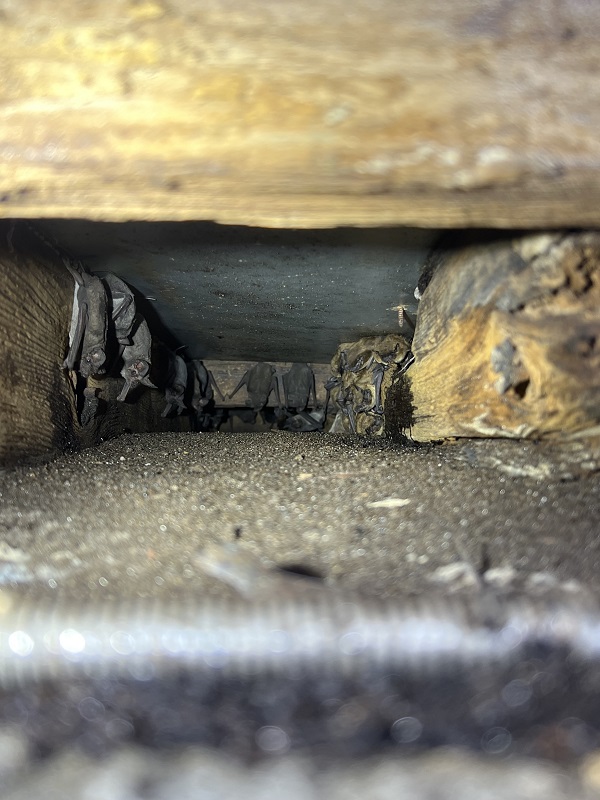
All nine species of bats in Michigan are protected.
It is illegal to harm, kill, or capture bats without proper permits in Michigan during any time of the year. Each season there are specific time frames when bats can be safely and legally removed from areas, due to roosting and maternity seasons. The experts at Critter Control in Ann Arbor are knowledgeable about the laws and regulations governing bat removal. Our experts can safely, humanely, and legally remove bats and bat nests from your Ann Arbor home or attic.
Pup rearing season is from May 16 to July 31. It can be very difficult to humanely remove bats with a one-way door. Bat removal in Michigan requires a permit, either provided by the property owner or a nuisance wildlife control operator like Critter Control.
Bat Entry Points into Attics
Depending on the time of year and the species of bat, they enter attics either to hibernate or give birth. Attics offer the warmth, humidity, and shelter necessary for rearing young pups.
Bats gain access to attics through gaps in roof shingles, mortar, windows, doors, and home ventilation systems. Gable vents are a common bat entry point into the attic.
Conflicts that arise from bat infestations in the attic range from unsightly messes to health risks, and some of the less significant issues associated with bat presence include their persistent squeaking and the strong, musky odor emitted by their scent glands.
Bat Problems in Your Attic
One of the biggest bat problems is the collection of bat droppings, also called guano. Bat guano can introduce health risks to you and your family and damage your attic.
Guano provides a hospitable environment for the fungal spores that cause Histoplasmosis, a respiratory ailment, to grow. When droppings accumulate, the spores become airborne and can be inhaled by residents. During bat removal, the Critter Control experts wear respirators to protect themselves.
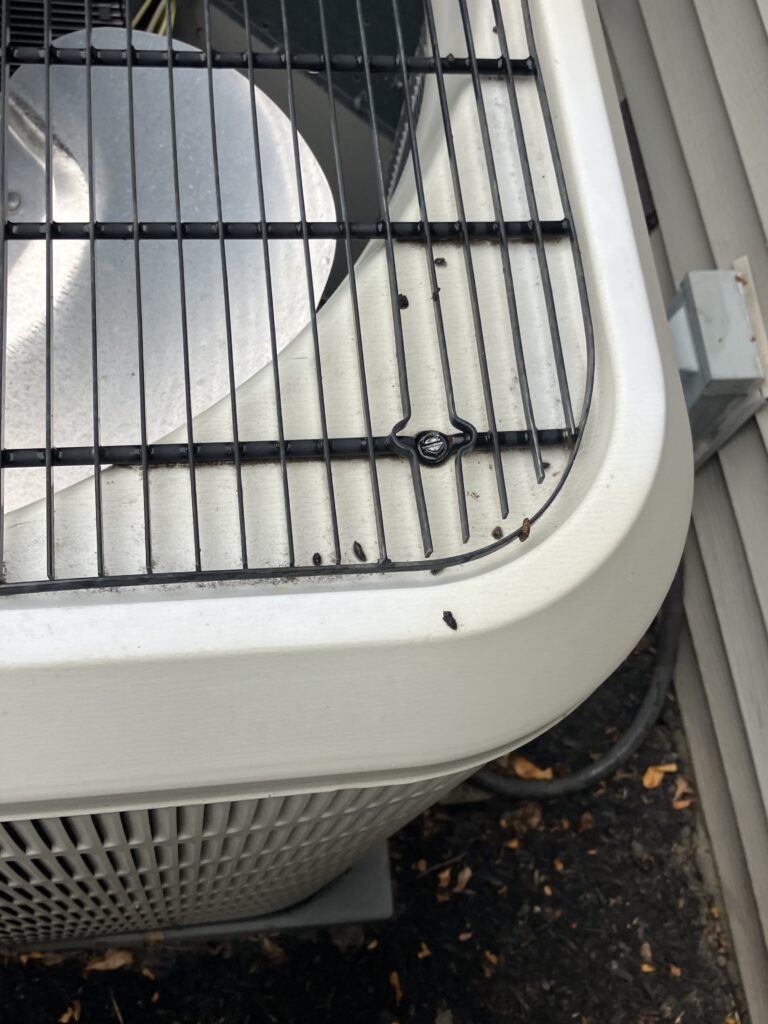
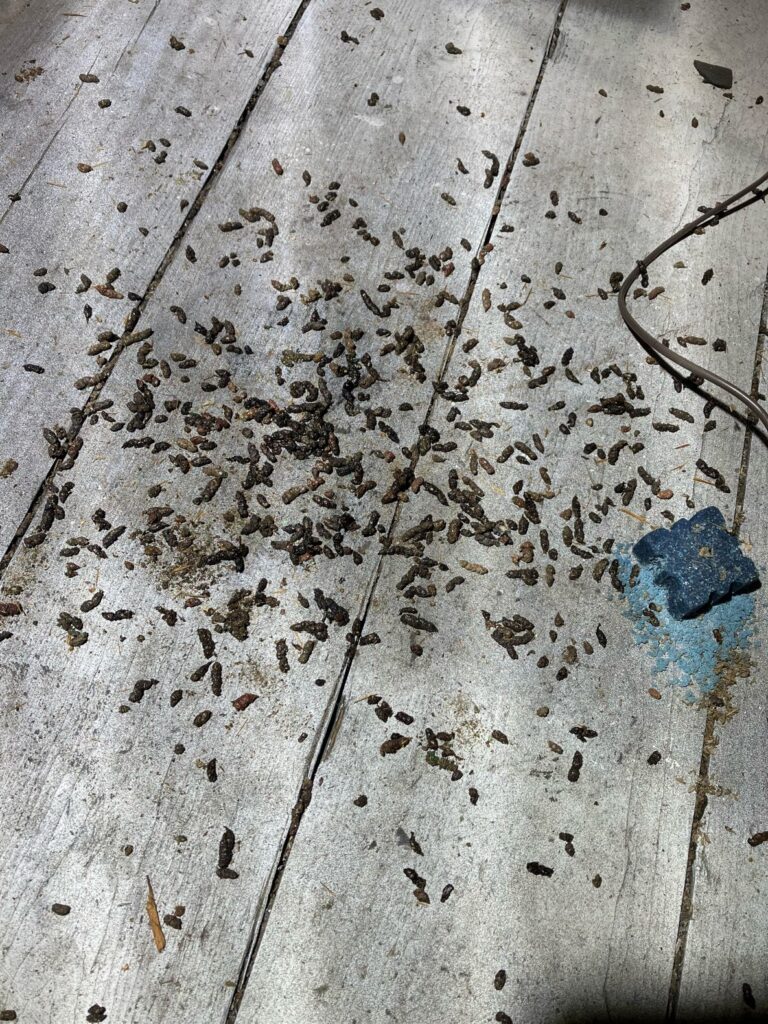
Bat guano collects under the roost location. The longer an infestation, the larger the pile of bat droppings. They can contaminate your insulation and weaken your ceiling.
In rare cases, a bat can find itself in the living space of your home. It is exceedingly rare for bats to bite you, but it can be difficult to find a bat bite spot. Additionally, bats are known carriers of rabies. If someone has been in the same room with a bat, it is prudent to seek medical attention or contact the local health department.
How to Get Rid of Bats in Your Attic
Not only do bats provide environmental and economic benefits, but bat populations are also threatened. Human behavior like wind turbines and pesticides hurt bat populations. White-nose syndrome is a fungal disease that spreads through bat colonies and has almost eliminated the Northern long-eared, little brown, and tri-colored bats.
Before you attempt a DIY bat removal, there are state and federal protections for bats. It is illegal to kill or trap bats in the attic. If flightless pups are present, you cannot install bat exclusions. Finally, without proper protection, amateur bat control can put your health at risk.
Problems with Bats in Walls
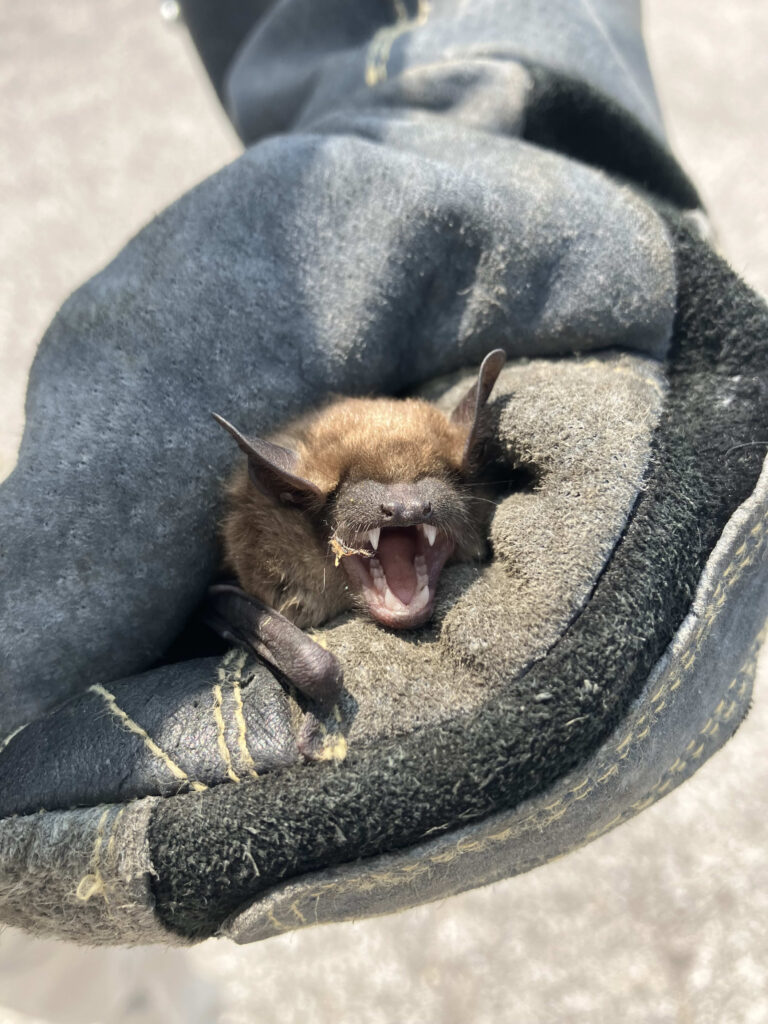
Bats like to be up high, which is why attics and chimneys tend to be the most popular bat nesting areas in homes. However, large bat colonies may outgrow these small spaces and find ways inside wall cavities and get access to lower areas of your home. A bat may lose direction and accidentally end up in weird places, like the first floor of a two-story house or in the basement. If you find bats in these strange places, it could be an indication that the colony infesting your home is quite large.
Baby Bats in Wall Voids
When homeowners seal off access points to exclude a colony of bats in the walls, newborn bat pups may remain in the roost. These juveniles are flightless and depend on their mothers for roughly the first three months of their lives. For this reason, residents should avoid bat-proofing homes from May to July.
Getting Rid of Bats in Walls
Attempting to seal entrances without removing all bats first can also push the pests into other areas of the home. Bats without an exit route are more likely to find their way into living spaces, looking for a way out. Residents who discover bats in house walls or elsewhere should contact the wildlife experts at Critter Control.
Why Do Bats Roost in Chimneys?
Chimneys provide easy access entry points for bats. These animals enter chimneys to hibernate and reproduce. Homeowners with a maternity colony of bats inside their chimneys may have a long-lasting problem on their hands. The animals have strong homing instincts and usually return to the same roosts. A bat can live for over six years, and females give birth to a litter of pups every season.
Issues with Bats in Chimneys
Wherever they roost, Bat droppings (or guano) and urine accumulate. The build-up of guano on bricks and shingles leads to a musty odor and contaminated runoff during rainstorms. Bats in chimneys also create dark, oily stains similar to those left by rodents.
Any time bats live near humans, there is a definite risk of contracting rabies from a bite. Even a dead bat can spread the disease. In addition, airborne spores produced in the pests’ droppings may transmit histoplasmosis to humans.
How to Get Bats Out of a Chimney
If you do have bats in the chimney, keep the flue shut! Exclusion is not only the most effective way to deter bats from roosting in your chimney, but also the most humane and ethical bat control strategy.
- Exclusion tubes – This device is a one-way exit, allowing bats in the chimney to leave but not to return.
- Mesh screens – Placing wire mesh over the top of the chimney keeps bats out, but avoid trapping any animals inside.
- Chimney caps – Like a mesh screen, a cap stops wildlife from entering.
Important caveat: you cannot install bat exclusion if baby bats are present. During summer months, colonies of bats roost in chimneys.
Professional Bat Removal Services
Our specialist will use or create a bat valve specifically for your home. Once the bat valve is installed, all other entry points will be sealed, allowing bats to exit only through the valve. The removal process typically takes 3–7 days. Our specialist will perform a final attic inspection before removing the valve. After removing the valve, the final entry point will be sealed, leaving your home bat-free.
Remember that many states have regulations preventing bat control during maternity season. Call a Critter Control professional for details in your state. They know the rules regarding each bat species, ensuring you remain compliant with the laws.
Bat Exclusion
Some bats return to the same roost year after year. Preventive exclusion is the best way to keep bats from entering your home. Because bats aren’t gnawers like rodents, they use only existing entry points to enter your home. We practice bat exclusion, not bat extermination!
While you may not want them inside your home, bats are important to the ecosystem. Bats help reduce insect populations and pollinate many flowers and crops we use daily. Bats can save an estimated $1 billion annually in crop damage. They disperse seeds, which help replant trees and plants.