




Do you suspect rats in your attic or walls?
Rats can access entry points much smaller than their bodies. The scratching noises in the attic, gnawing and chewing sounds, and scurrying noises may be a Roof Rat, Norway Rat, or Pack Rat.
Our technicians are experts at rodent extermination and remediation. We have the experience to identify your rat control problem and create an effective plan of rat trapping and removal, damage repairs, and rat-proofing. Call Critter Control in Seattle and schedule your appointment today!
Identify Your Rat Problem
Do you need help identifying what type of rat is nesting in your home?

Did You Know?
Rats prefer to be within 150 feet of food, water, and shelter to find a suitable place to nest.
Roof Rats In The Seattle Area
Roof rats are more slender in build with a tail that is as long as, or longer than, the rat’s body. They are dark brown or black, with a lighter underbelly and large ears. As their name suggests, they are most often found in the areas under a roof. Attics, vaulted ceilings, and upper crawlspaces are preferred places for these critters to live and hide. They prefer to travel high on fences and power lines when possible and are often mistaken for squirrels during diagnosis.
Norway Rats In The Seattle Area
Norway rats are light to dark brown in color with a slightly lighter underbelly. They are a stockier, heavier-bodied rat with smaller ears. Their tail is long, but not as long as that of a Roof rat. These rats prefer to inhabit lower spaces such as crawlspaces and basements but can also occupy higher spaces such as attics and vaulted ceilings.
Pack Rats (Wood Rats) In The Seattle Area
On rare occasions, we see Pack rats. These are very large rats with a habit of stealing shiny or interesting items, which they put into a nest. They act much more territorial than Norway or Roof rats and have been known to “mark” their territory like a dog would. They also tend to have a higher tolerance to rodenticide and can be quite aggressive. They are gray in color and have large ears and a hairless tail. These rats do not often enter homes and usually choose to build nests in crevices or natural areas.
Problems with Rats
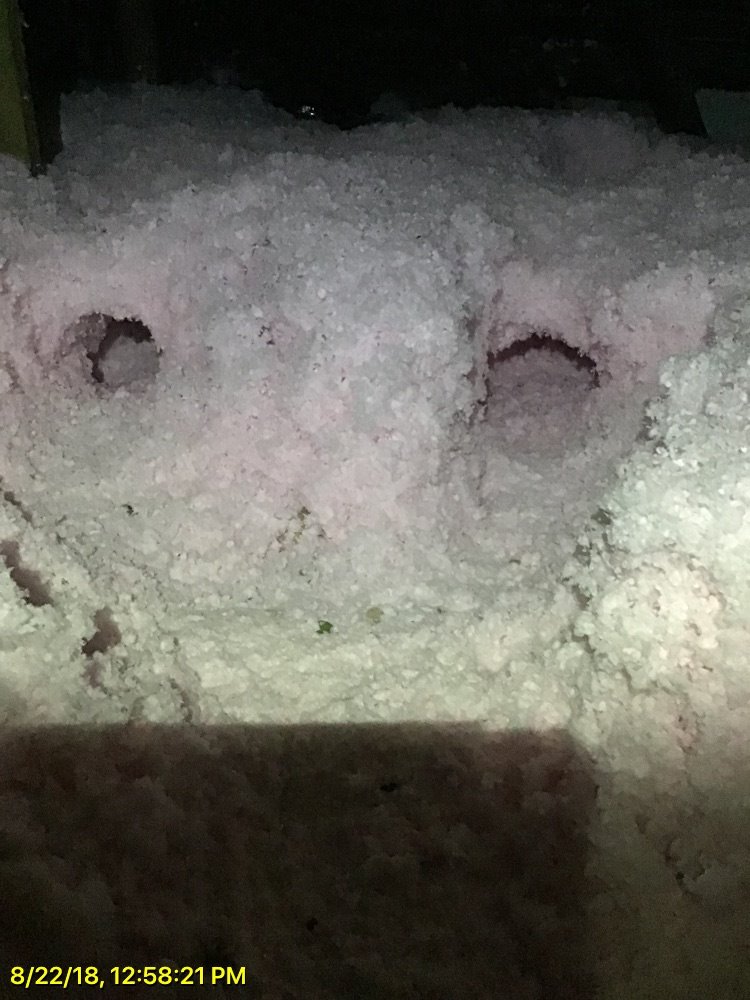
Rats are nocturnal, meaning they are active and awake at night. They are often discovered by hearing scratching, gnawing, chewing, and scurrying noises inside walls, floors, and crawlspaces, and above ceilings.
Because their front incisors are always growing, rats constantly have to chew on things, like wood, to keep their teeth trimmed. This habit can cause them to even chew on or through electrical wires.
How Rats Get Inside the Home
Rats can fit through gaps much smaller than their bodies; they have been known to get into holes as small as a quarter! They are much less likely to chew their way in than a squirrel would be. They are more likely to act as creatures of opportunity. They will find a small gap in between two pieces of lumber, concrete, brick, wire, and more, and make themselves at home.
Professional Rat Control in Seattle
Critter Control in Seattle not only handles larger wildlife such as raccoons, but we are also experts at rodent extermination and remediation. We deal with two primary species of rat: the Norway rat and the Roof rat.