

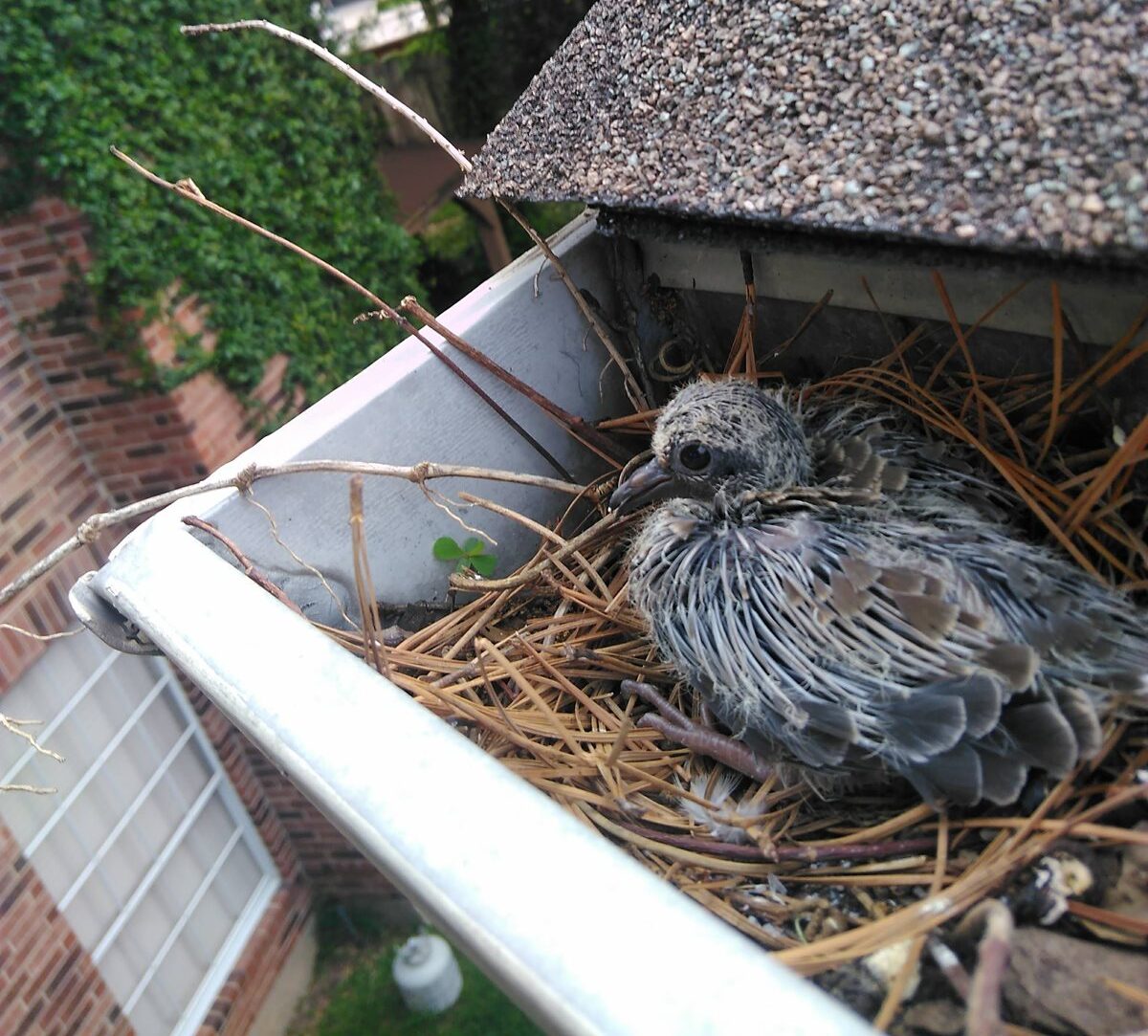
Birds need food, water, and shelter to survive. Homes that offer access to any of these are at risk for bird infestations. If you hear strange noises and smell strong odors from your attic, ask yourself, “Do I have a bird in my attic?” Also, learn about birds and their behaviors to recognize the problem and get help with removal before significant damage occurs.
Why Do Birds Nest in Attics?
Birds choose attics because they provide protection against predators and are warm enough to breed and lay eggs. Once eggs hatch, mothers often spend time in a nearby nest and visit their young throughout the day, bringing them food. Birds may also choose attics because their natural habitat has been eliminated or altered due to land development and climate change.
The Most Common Species of Birds in Attic
Several bird species are known to nest in attics, particularly those that seek shelter in human-made structures. The most common ones include:
- European Starlings – These aggressive birds often exploit small gaps or vents in attic spaces.
- House Sparrows – Adaptable and persistent, they prefer nesting in eaves, vents, and small crevices.
- Pigeons (Rock Doves) – Larger birds that may nest in attics if they find easy access, especially in urban areas.
- Barn Swallows – Though more commonly found under eaves, they sometimes access attics through broken soffits.
- Chimney Swifts – While they prefer chimneys, they may enter attics through damaged vents or openings.
- Woodpeckers – They occasionally nest in attics if they find an opening after pecking into softwood siding.
Seasonal Patterns of Bird Activity in Attics
During winter, birds living in cold regions may migrate to the South, looking for warmer weather. Not all birds migrate, however. With climate changes and warmer temperatures year-round, many birds stay where they are and search for better nesting areas, like attics.
Nesting activities typically begin in the spring, between March and June, but this can vary based on the region and species. Some birds, like sparrows, start breeding in May and reproduce multiple times during the year. Spring is also when food and water sources become plentiful again.
Identifying Signs of a Bird Infestation
Homeowners can identify signs of bird infestations by listening for specific noises, visible signs, and damage in their attic.
Unusual bird noises and calls
Birds use numerous sounds for communication that fall into two categories: songs and calls. Some birds make more than 100 sounds, like blackbirds, while others can produce thousands of noises, like nightingales. You will hear specific sounds from your attic if a bird lives there. Examples include:
- Tweet or Twitter
- Hoot
- Caw
- Cluck
- Chirps
- Rattles
- Whistles
- Screeches
- Screams
- Chiding or Hissing
Birds in your attic will also rustle as they move around the area. You may hear their wings flapping or fluttering as they fly in and out, bringing new nesting materials or food for the young.
Finding Nests or Bird Droppings in the Attic
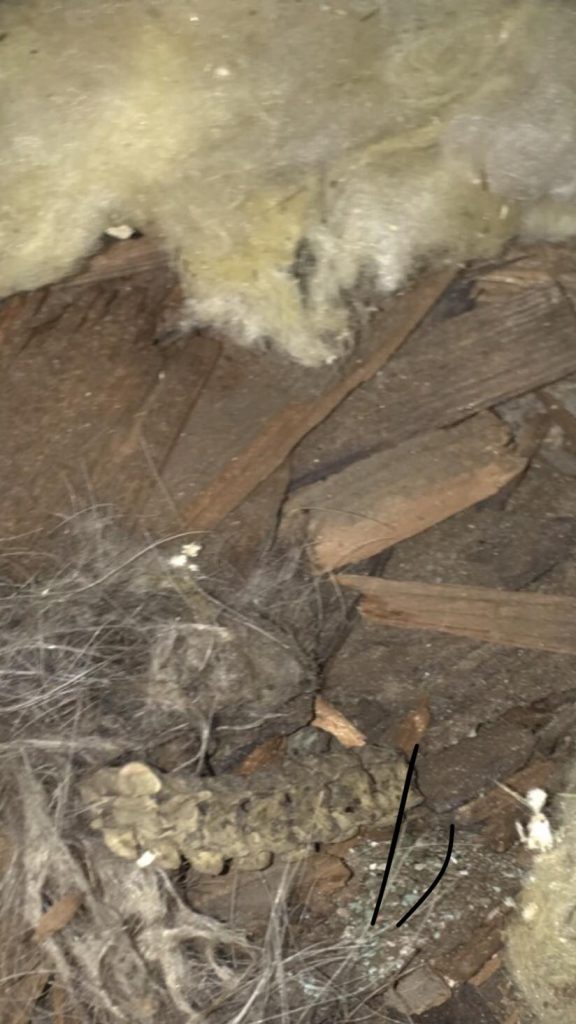
Anyone noticing a foul odor entering an attic may find it is due to bird droppings. They will likely see signs of bird droppings all over the attic or space where the birds are nesting because they poop wherever they go. Bird droppings are very unsightly and can cause staining on walls and floors.
A bird nest in the attic is easy to spot. Even small birds can create big, messy nests. They gather soft, yet sturdy materials from inside and outside, including feathers, insulation, twigs, grasses, leaves, fabric pieces, papers, flowers, mud, and hair.
Health Risks and Property Damage
Birds living in an attic put homeowners at risk for health hazards, structural damage, and changes in energy efficiency. A priority must be to get birds out of the attic.
Potential health hazards associated with bird infestations
Bird droppings are associated with over 60 diseases, including histoplasmosis, candidiasis, cryptococcosis, E. coli, and salmonellosis. They can also carry up to 50 ectoparasites, such as ticks, fleas, lice, bed bugs, mites, mealworms, and mosquitos that carry the West Nile Virus.
Structural damage caused by nesting and droppings
Bird droppings are acidic and can corrode metal, stone, paint, wood, and other building materials. While birds are flying in and out of the attic, they can break shingles, siding, and fascia. Nesting materials and bird feathers can pile up in gutters, leading to water flow issues and possible flooding. Some birds will chew holes in siding, trimmings, and shingles.
Impact on insulation and energy efficiency
When birds build a nest in an attic, they often use strip insulation in pieces and add it to other nesting materials. Some birds build their bird nest in the attic inside the insulation itself. Either way, the changes in insulation prevent energy efficiency, causing your electric bills to rise.
Effective Bird in Attic Removal and Control
Qualified wildlife control professionals should perform bird removal and prevention. They prioritize safe and humane extraction, exclusions, and sanitization.
Safe and humane methods to remove birds from the attic
Bird exclusion flaps or one-way valves allow birds to fly out of the attic, but when they try to return, they find the entry is too small. Because birds can fly back to the area, trapping and releasing is not a sensible solution unless you can implement exclusions quickly.
Preventative measures to discourage future bird invasions
Prevention methods exclude birds from your home. They make a home unattractive to birds and other wildlife. For example, permanently sealing all small cracks and holes through which a bird can enter an attic will help. Also, covering vents and chimneys with wire mesh so birds cannot fly in will help. Other tips for excluding birds include removing bird feeders and baths and installing roof barriers.
Proper cleanup and sanitization after bird removal
Once the bird-in-attic removal is complete, bird droppings must be cleaned to avoid further damage from stains and corrosion. There are proper ways to clean droppings and sanitize the area that protect someone from inhaling mold spores that may cause respiratory or other problems.


