Trustindex verifies that the original source of the review is Google.
Good service person. Good job done.
Jeff H
29 July 2026
Trustindex verifies that the original source of the review is Google.
Critter control had someone out the same day. Crosby was very professional and knowledgeable and did a thorough inspection. Gave me an estimate for the work that was reasonable and had their technician Gilbert out early the following week to do the squirrel exclusion. He did a great job and even sent me before and after pictures so I didn't have to get on the roof. Highly recommend!
Jordan McDonald
2 April 2026
Trustindex verifies that the original source of the review is Google.
All of the people that worked on my removal were friendly, kind, professional, and efficient. From scheduling the appointment to removing a bird from my dryer to cleaning and replacing the vent cover. Everything was resolved quickly and professionally.
frank williams
26 October 2025
Trustindex verifies that the original source of the review is Google.
Exclusion and trapping work was completed as promised. Staff was friendly and helpful. On the expensive side but the work was performed well.
Wayne Jenkins
22 September 2025
Trustindex verifies that the original source of the review is Google.
Excellent communication with technicians. Service provided as outlined in service agreement.
Wayne Jenkins
22 September 2025
Trustindex verifies that the original source of the review is Google.
Technicians are very respondive and professional.
Joanne Shelton
4 September 2025
Trustindex verifies that the original source of the review is Google.
Overall service was good. I didn’t appreciate the worker not covering her dirty boots before walking into my house.
Jarl Hagood
26 August 2025
Trustindex verifies that the original source of the review is Google.
Everything went well, good communication & quick action from the technicians except I never got pictures of the completed job. I didn't think to ask for them because the pictures and explanation were so detailed before doing the job. That and the cost prevented a five star review.
Susan Moore
30 July 2025
Trustindex verifies that the original source of the review is Google.
Showed up the day after I called. Was told it was take 3 or 4 times to get nest down. Someone was out today and removed the nest. The charge of $850 seems excessive.
Sylvia harris
11 September 2024
Trustindex verifies that the original source of the review is Google.
Hi! Sean was very professional and polite. He knew and was aware of the problem and came prepared to handle it. He well explained what was happening and the procedure that needed to be done. Great job with a lot of trust and confidence!
In Richmond, nuisance wildlife encounters happen daily. These animals threaten humans, damage property, and disrupt your peace. Virginia has established rules on capturing and removing nuisance wildlife. Rather than risk violating nuisance wildlife laws, you may want to call professionals for help.
Common Wildlife Problems in Richmond
Virginia wildlife found to be nuisances include raccoons, rats, mice, squirrels, bats, skunks, snakes, opossums, groundhogs, and hundreds of species of birds. We identify the animal on the property, then use humane methods to remove the animal and secure weak points where more could enter. We can make those repairs for a complete restoration if damage has been done.
If you are bothered by any local wildlife, we can take care of it. Below are a few examples of how we inspect, remove the animal, and repair your property.
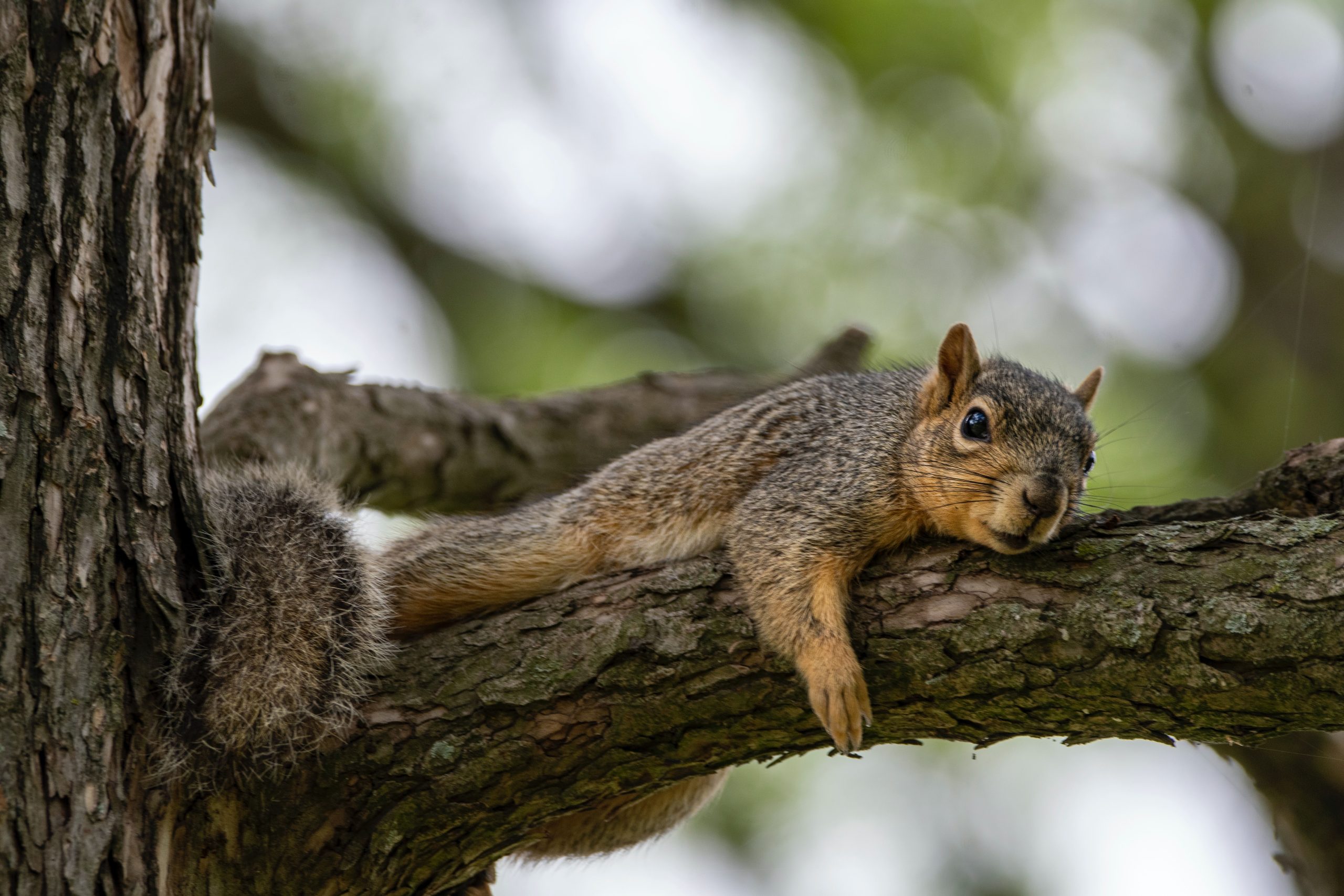
Squirrels are among the most common nuisance animals in the area. They enter attics and wall spaces through small roof gaps, especially in older homes. Critter Control uses humane exclusion devices and repairs entry points to prevent future invasions, minimizing property damage and fire risks from gnawed wiring.
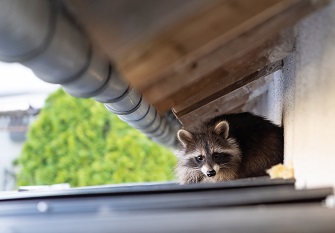
Raccoons in their natural habitat are excellent climbers and use the cover of trees to protect themselves from predators. But that also makes attics and chimneys an ideal substitute when the weather turns cold, and the availability of trees is low. Although these creatures are quite cute, they are also quite destructive.
Raccoons are strong and will tear a hole in the roof to gain entry. Once inside, they tear insulation and gnaw on wood and wires. Because of their size, if a raccoon was in your attic, you would definitely hear them banging around. Raccoons can become fierce when confronted, especially if there are kits. It is important to call a wildlife control specialist like Critter Control to remove them.
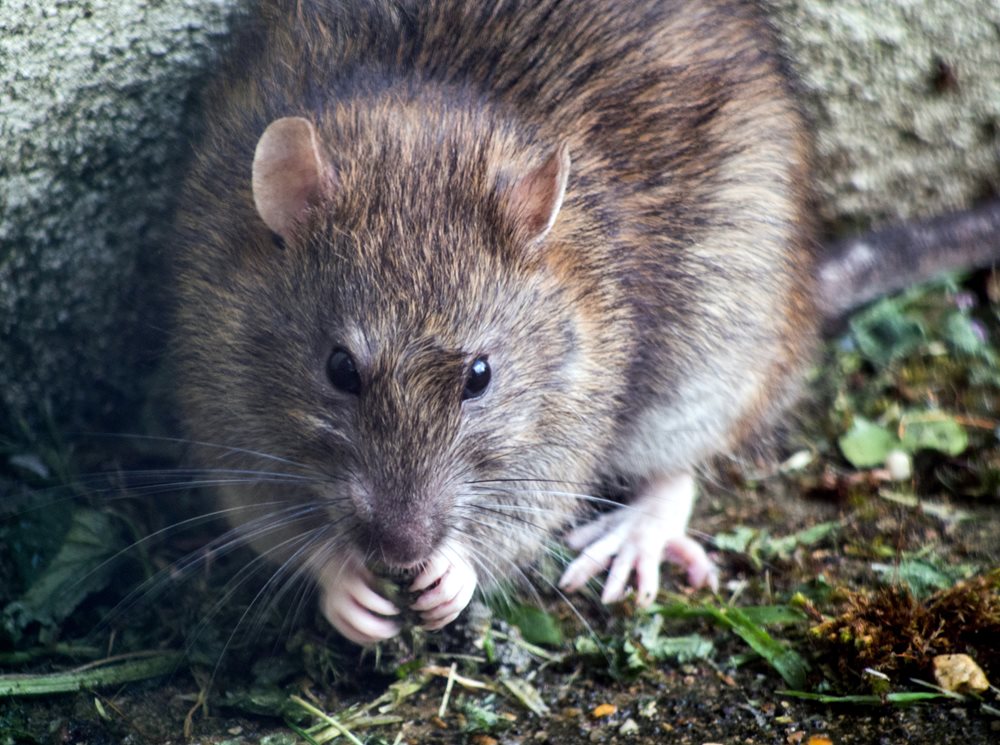
In Charlottesville, rats are more than just a nuisance. They can damage homes, threaten health, and create ongoing problems if they are not handled quickly and thoroughly. Older neighborhoods, wooded lots, crawl spaces, restaurants, and areas near streams or heavy vegetation all provide good shelter and food sources for rats year-round.
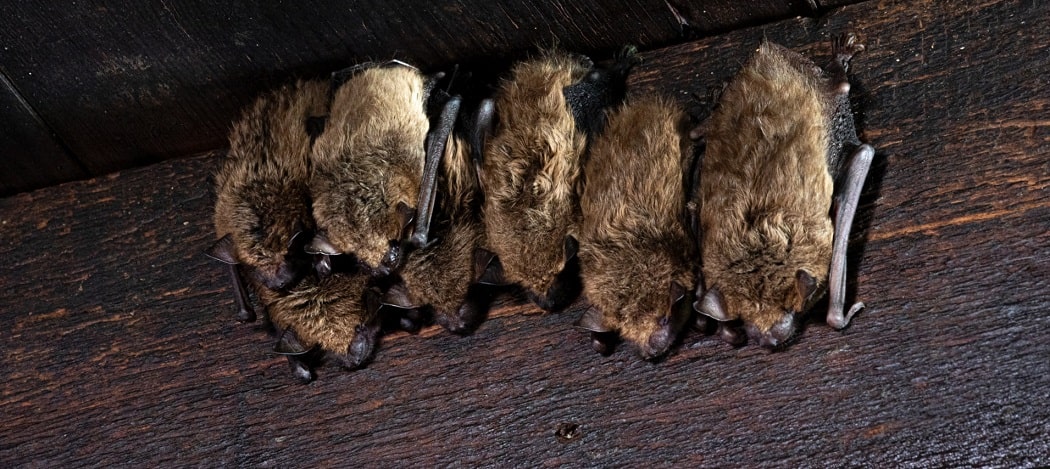
In Richmond, bat infestations are most common in areas with older homes, mature trees, nearby woods, and structures with aging roofs or attic spaces. Bats are attracted to warm, protected voids like attics, soffits, chimneys, and wall cavities.
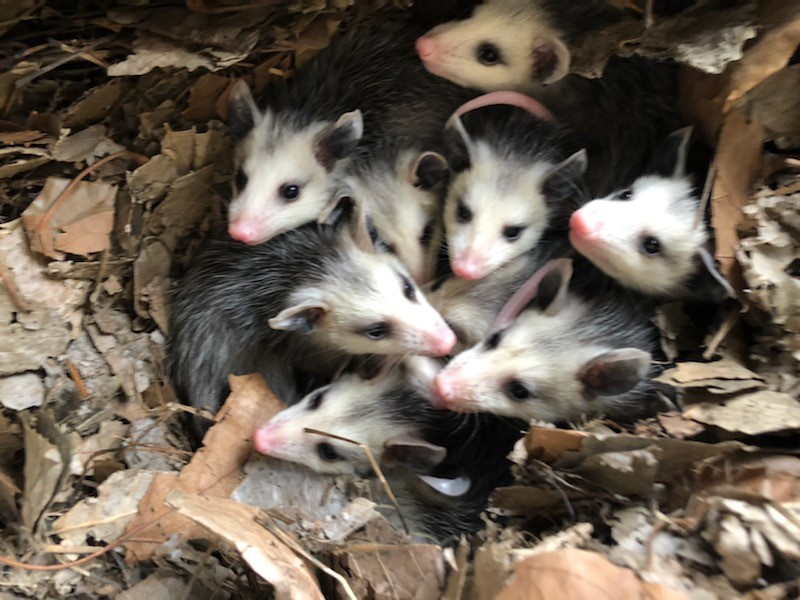
Opossums often take shelter under decks, porches, and crawlspaces. While generally not aggressive, they can create messes and attract other pests. We humanely trap and relocate opossums, then block access points to prevent re-entry.
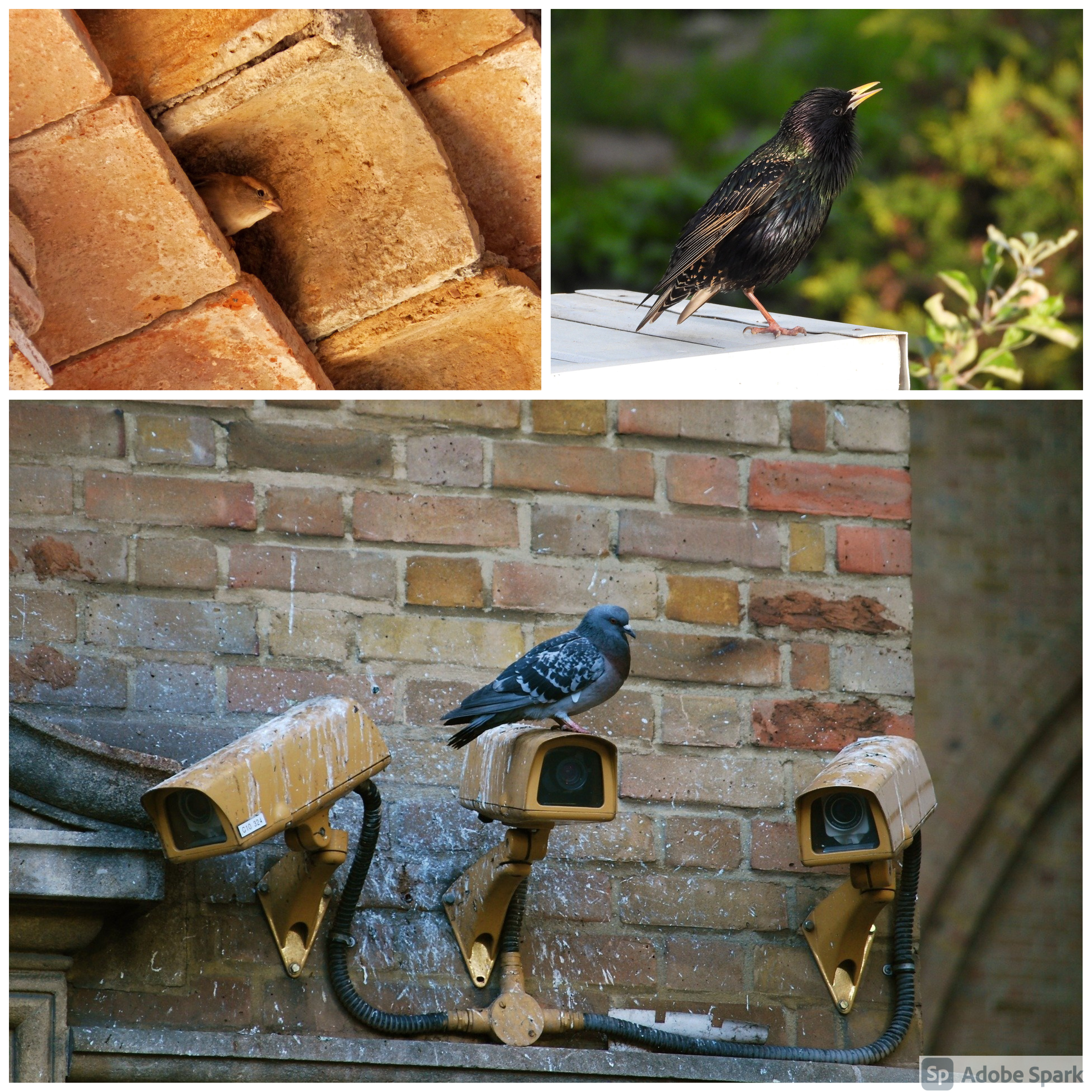
Pigeons, starlings, sparrows, chimney swifts, and woodpecker are common birds that cause problems for both residential and commercial properties. The city’s mix of old homes, commercial rooftops, and wooded neighborhoods gives birds abundant nesting and roosting opportunities. Our bird control solutions focus on exclusions, repellents, and deterrents to encourage the birds to find another roost.
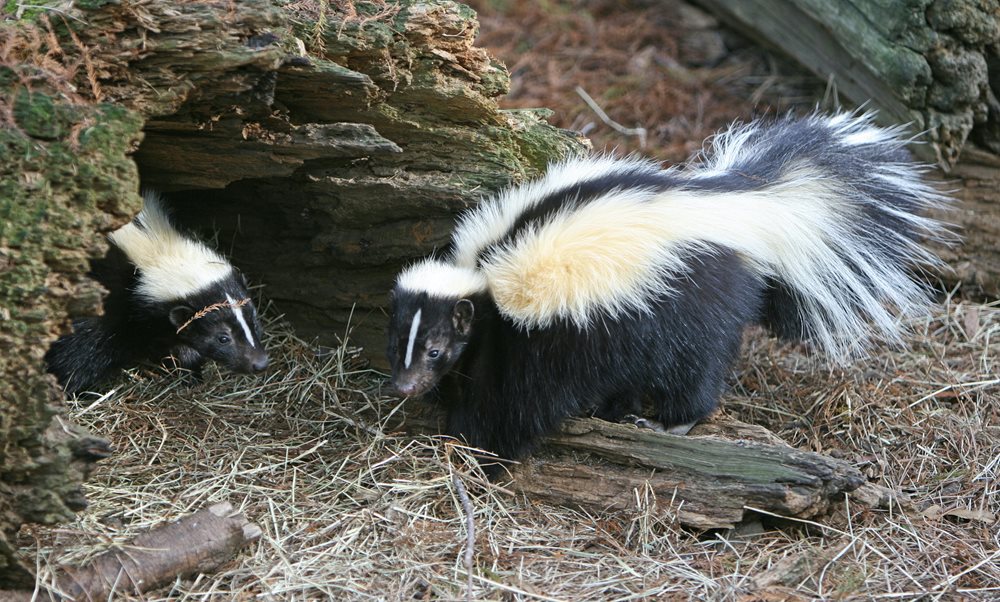
Skunks are common in Virginia yards and gardens, especially in spring and fall. We locate dens, use humane traps, and install barriers to prevent future digging and denning under porches or sheds.
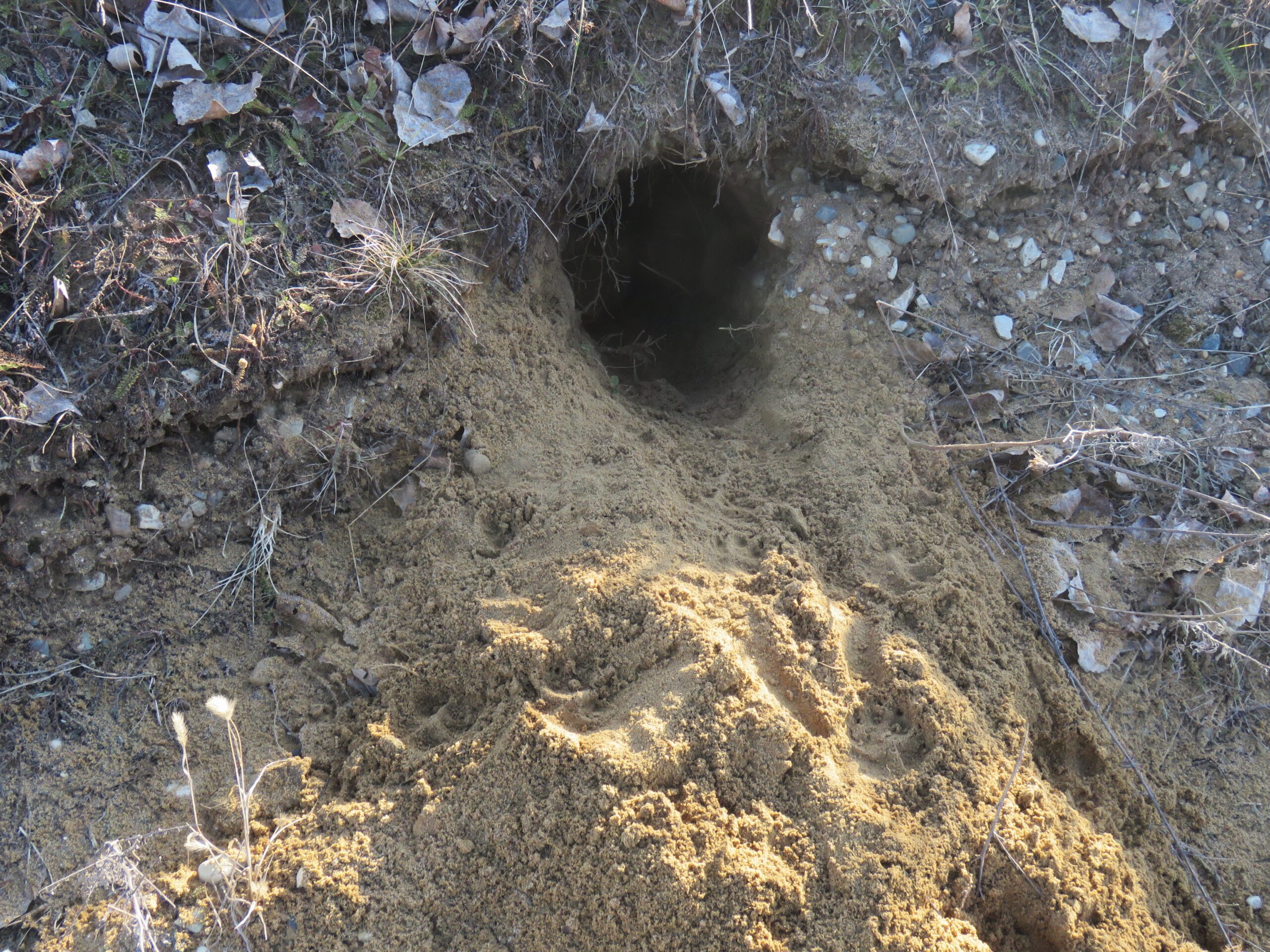
These burrowing animals can destroy lawns and gardens throughout the growing season. Our experts identify tunnels, trap the animals, and recommend exclusion methods to protect your yard.
Critter Control Wildlife Removal Process
Critter Control is here for you every step of the way in the wildlife removal process. From inspection to removal—and even exclusion and repair—we have the services you need to get rid of raccoons, rodents, and other nuisances fast. First, we identify the animal on the property, then use humane methods to remove the animal and secure weak points where more could enter. If damage has been done, we can make those repairs for a complete restoration. Contact a Critter Control office near you today.
STEP 1
Wildlife Inspection
Our whole home inspection covers the entire home from the top of the roof to under the house. We identify the animal species, all signs of animal damage, current and potential entry points, and any droppings or nesting materials. Trust our comprehensive inspection to identify every issue related to this animal problem.
We use species-specific trapping and removal techniques that humanely remove the animal from your property while protecting you, your family, and your pets.
Once the pest animal is gone, the last thing you want to worry about is it happening again. Our exclusion services protect your home by blocking current and potential entry gaps with critter resistant materials. Exclusions come with a one year warranty, and all of our services are backed by our 100% money back guarantee.
Inside your home, animals build nests and dens out of readily available material. They will create runs through the insulation. Rodents will gnaw on anything including electrical wires and pipes. Animals can also spread diseases. We apply sanitation agents to clean up feces and urine. Mammals can host pests like fleas, ticks, and mites. Ectoparasite treatments exterminate those pests so you don’t become their next host.
The squirrel most likely to succeed at inhabiting your attic is the flying squirrel. But we also have multiple species of fox squirrels, gray squirrels, and red squirrels in Richmond. As rodents, squirrels spend most of their time collecting foods to store for winter months. They enjoy fungi, nuts, seeds, flowers, fruits, berries, insects, and bird eggs. They will even eat bark, although it is not their first choice.
Squirrels are known to dig holes in your yard to store and retrieve foods. They steal garden crops and chew bark on ornamental trees. If you have a bird feeder, you will likely need to refill it often since squirrels will clean it out before the birds can. Squirrels chew electrical wires, wood beams, and walls inside the home.
Squirrels’ teeth continually grow and can create pain. To prevent this, squirrels gnaw on things, including house siding, shingles, mesh screens, plastic, and anything wood. Squirrels will make a small hole much bigger by chewing. You do not want holes in your house. We can get rid of your squirrel problem and repair damages.
Inspection
Wildlife specialists look for signs such as chewing on, in, or around your home, small openings leading to the attic or the crawl space, droppings, and debris like nuts or nesting material. Beams, wires, pipes, and insulation may all show signs of damage from squirrels.
Squirrel Trapping
Live trapping or one-way doors are the most effective and humane ways to get rid of squirrels. One-way doors should never be used during birthing seasons (Spring & Fall), so our specialists will decide which is the best tool for the job. If we have to trap, we place traps strategically to safely catch the squirrels and check those according to state laws.
Squirrel Exculsion
We can restore your home or office. The best squirrel control is exclusions. By squirrel proofing all entry points after we have removed the pests, we guarantee your house is protected from squirrel pest infestations. We can also clean-up the nesting sites and remove any debris, food, feces and soiled insulation.
Bat Removal in Richmond, VA
Seventeen bat species(Opens in a new window) exist in Virginia. The bats that may be roosting in your attic in Northern Shenandoah are the big and little brown bats, evening bats, and Brazilian free-tailed bats. When you know you have a bat or colony of bats in your home or other structure on your property, call an expert for help. Bats are one of the most legally protected wildlife due to decreased populations caused by diseases, wind turbines, climate change, and deforestation.
Virginia law states you cannot “harass, pursue, hunt, shoot, wound, kill, trap, capture, collect, etc. endangered or threatened species.” Do not make the mistake of trying to get rid of bats alone and end up in legal trouble. Most species of bats in this area are non-game protected. If bats are a nuisance on your property, an expert wildlife controller can discuss your options.
Wildlife technicians have humane ways to remove bats from your property. More importantly, they do so without violating laws, such as the ones that apply to mating and maternity season. Removing or tempting bats to move between May and August when babies are born and learning to survive is illegal. You can begin the removal process only when the babies can fly out of a roost on their own, often in mid to late August.
Inspection
We perform a full interior and exterior inspection and search for signs such as rub marks, guano, a strong scent of ammonia, and small openings. The most common sign is the accumulation of guano (feces).
Bat Removal
The most effective and humane way to remove bats is by utilizing a bat valve in conjunction with a full home exclusion. A bat valve allows for bats to exit your home but not re-enter. We follow all local ordinances for humane bat removal. We will never abandon flightless pups in your attic.
Bat Exclusions
After removing the bat valves, we seal the entrance hole(s) so bats can no longer enter your home. If there is substantial guano in your attic, you should consider taking advantage of our attic remediation services to remove the soiled insulation and replace it.
Raccoon Removal
Raccoons in Richmond wear a permanent black mask. They have a bushy striped tail and nimble hands and fingers. Don’t be distracted by their cuteness. They are nocturnal thieves that will do what it takes to get something to eat. And they will eat anything. Raccoons like insects, chickens, pet feed, table scraps, trash, garden crops, bird eggs, and much more.
Raccoons can be destructive to the interior and exterior of your property. To get into your attic, they look for any possible entry. If there is a small hole, they will make it bigger. If it’s a vent, they will rip it out. Once inside, they will rip out insulation, chew on wires, and stain your walls and floors with feces and urine.
Outside, raccoons will dig holes in your yard, searching for insects. They will climb your chimney and spout to get to your roof, causing damage to siding, shingles, and more. We can help you get rid of your raccoon problem.
Inspection
During the inspection, we determine the severity of the raccoon infestation. We look for physical evidence like footprints in or around the home, stains from raccoon feces and urine. On the exterior of the house, we look for damage like scratches on boards, broken vents and screens, ripped apart shingles, destroyed soffits, and every possible entry point.
Raccoon Trapping
Live trapping is one of the most efficient ways to get rid of a raccoon. Depending on the situation, a one-way door or excluder valve can be installed. An excluder valve works by allowing the raccoon to leave but blocks its reentry. The choice of device is largely dependent on the season and location of the raccoons on your property. Direct capture is not commonly used because raccoons are a rabies vector species. If we must trap, we place traps strategically to safely catch the raccoons and we check traps frequently, based on state laws.
Raccoon Exclusions
We provide a wide range of repair and restoration services. We start raccoon control by blocking and securing the raccoon entry points like broken screens on vents and chimneys and broken boards on decks and porches. It is essential to apply cleaning agents and ectoparasite treatments on areas inhabited by raccoons.
Rat and Mice Pest Control
The house mouse, field mouse, Norway rat, and roof rat have adapted well to Richmond rodent life. Mice tend to live indoors, even though they will scavenge for food outdoors. Norway rats typically burrow tunnels near your home. They have been known to burrow through insulation.
Rats and mice can enter small holes, like the ones necessary to run wires into your home. They also enter through torn screens, cracks around windows, pipes, vents, chimneys, and damaged wood. They are on the hunt for food, water, and shelter. Rodents will eat pet and human foods as well as dog feces. These tiny creatures can do a lot of damage to your property. One reason is that they multiply quickly, and in less than a year, you could have a severe infestation.
Damages caused by rats and mice include chewed wires, clogged pipes, vents, drywall holes, feces and urine trails along baseboards and on counters, and ruined groceries. Let us help.
Inspection
During a rodent inspection, we thoroughly inspect your attic and provide a complete exterior home inspection. The most common signs of rodent activity are gnaw marks, feces, rub marks, nesting material, runs in insulation material, and small entry points.
Rodent Trapping
A Critter Control wildlife specialist will create a strategic trapping plan to remove the rodents found in your home. Critter Control specialists may use snap traps and live traps to capture and remove mice and rats. Rodent trapping can usually takes between five to fourteen days.
Rodent Control
The best rodent control is to stop the pests from getting into homes is to seal possible entrances. Exclusion methods include caulking cracks in foundations, capping chimneys, and installing mesh covers over vents and crawl space entrances. We also strongly recommend a maintenance service. Rodents have front teeth that continuously grow, which means they can gnaw a new way back into your home.
Skunk Control
Skunks and opossums are different species, but their nuisance behaviors are identical and eerily like raccoons. One difference is that skunks and opossums typically change living habitats after a few weeks. Both animals use vacant dens in your yard, the attic, crawlspace, basement, or area under a porch or deck for shelter. They are very messy and will destroy everything in their space.
A recent report about a family in Albemarle County educated many on the dangers of an opossum dying in your water well. It can contaminate it, causing high levels of E.coli and coliform. Drinking it will lead to severe health issues.
Skunks and opossums crawl through insulation, ductwork, vents, and pet doors, searching for food. If they need to make an entry bigger, they will. Both eat insects, small rodents, fish, garden crops, eggs, and human and pet food. They raid compost piles and trash cans. After all that eating, they will leave piles of feces and urine in their dens.
When skunks and opossums feel threatened, they will hiss, growl, and screech, and both release a musky-smelling fluid that can take days or weeks to fade. One difference is that opossums play dead when frightened. Wildlife control specialists are extensively trained to get rid of skunks and opossums, and they understand the local, state, and federal regulations for nuisance wildlife removal.
Inspection
In addition to noting any pungent odors that signal the presence of a skunk, we will inspect the condition of your landscaping, as skunks are known for tearing-up lawns and shredding grass while hunting for grubs and insects. We will also inspect the perimeter of your building’s foundations and under decks, to locate burrows.
Skunk Trapping
Never try to remove a skunk from your property yourself. Getting sprayed is a very unpleasant experience. Furthermore, these animals may carry diseases that can spread to humans and pets, such as rabies. Our specialists will use live traps to capture and remove skunks for you, or they’ll use a one-way exclusion device to evict skunks from their harborage areas. The most effective ways to control a skunk problem is exclusion and habitat modification.
Skunk Control
The most effective ways to control a skunk problem is exclusion and habitat modification. Methods like sealing foundation gaps, replacing and screening broken foundation vents and installing hardware cloth (rat walls) around unprotected sheds and decks are the most effective and permanent ways to keep skunks out.
We recommend keeping pet food inside and securing any trash bins.
Opossum Removal in Richmond
Skunks and opossums are different species, but their nuisance behaviors are similar to raccoons. Unlike raccoons, opossums typically change living habitats after a few weeks. Opossum use vacant dens in your yard, the attic, crawlspace, basement, or area under a porch or deck for shelter. They are very messy and will destroy everything in their space.
A recent report about a family in Albemarle County educated many on the dangers of an opossum dying in your water well. It can contaminate it, causing high levels of E.coli and coliform. Drinking it will lead to severe health issues.
Opossums crawl through insulation, ductwork, vents, and pet doors, searching for food. If they need to make an entry bigger, they will. Both eat insects, small rodents, fish, garden crops, eggs, and human and pet food. They raid compost piles and trash cans. After all that eating, they will leave piles of feces and urine in their dens.
Inspection
Opossums can be found inside attics and basements or outside under decks and sheds. Common signs include unique paw prints and feces. Opossums are docile and usually easy to spot.
Opossum Trapping
Opossums can be lured into cages for live capture. If it is maternity season, we follow all guidelines for removing mother and newborn opossums. We will seal entryways into the building to prevent opossums from reentering in the future. Opossums can be kept from getting under sheds and decks by installing fencing around the bottom edges and burying the fence underground.
Opossum Control
Broken screens on chimney and roof vents are replaced with sturdier materials, and we properly seal all entry points, including crawlspaces. We clean and deodorize areas of opossum activity. Exclusion may include eliminating sources that attract bugs, like nighttime lighting, stagnant water, and livestock poop.
We recommend keeping pet food inside and securing any trash bins.
Snake Removal & Control
There are 13 species of snakes classified as needing conservation in Virginia, including some king, rattle, pine, earth, and crayfish snakes. For the most part, snakes are harmless. Virginia has only three venomous snakes, with the copperhead being the most common in Charlottesville. Timber rattlesnakes and canebrake rattlesnakes are prevalent in other areas of Virginia.
If you have snakes in your home or property, you also likely have a rodent problem. Snakes preferred food includes rats and mice. Eliminating rats and mice from the property will also get rid of snakes. Because snakes often create fear in humans, call an expert for help in removing it.
Inspection
Snakes are excellent at avoiding detection. We inspect your home for potential entry points and look for signs like snake skin and feces. Because a snake typically enters a home hunting for food, our wildlife inspector also looks for signs of a rodent infestation.
Removal & Control
Depending on the location, we can set a live trap or direct capture. Exclusion is the most effective way to keep snakes out of your home. If rodents are present, it is essential to exterminate the rodent infestation. Their presence will continue to attract snakes.
Repairs
In addition to dealing with any possible rodent problem drawing snakes to your property, a specialist will assist with sealing possible entry points and also encourage you to remove any debris where snakes can easily take up residence.
Bird Control Services
Birds are an important part of our natural environment in the area.
As predators, they feed on insects, rodents, worms, fish and countless other animals.
Game birds, song birds, hawks and other bird species contribute to outdoor recreation and the overall enjoyment of nature.
Birds may be beneficial, neutral, or harmful to man’s interests, depending upon time, location and activity, and certain birds (sparrows, woodpeckers, waterfowl, pigeons and black birds) are more likely to become pests and require bird-proofing and bird control. Pest bird situations that require bird control and bird proofing include:
Feeding on agricultural products
Roosting or nesting around human habitations
Destroying vegetation and contaminating foods
Noise, droppings, odor and feathers
Diseases or ectoparasites affecting man including histoplasmosis and cryptococcosis
Unpleasant or hazardous working conditions
Inspection
We thoroughly inspect the area for things that attract birds, like harborage and loafing areas, as well as food and water sources. Also, we look for where birds may be entering your home or business. We also inspect for damage caused by birds, whether it’s by nesting, or by droppings.
Bird Removal
After identifying the bird species, we may start by physically removing the species in question. In rescue situations, such as chimneys or basements, birds can be released on-site if the entrance has been secured properly. Occasionally, live traps will be used, especially if flocks of birds are involved. For persistent birds and larger flocks, several advanced techniques may be applied simultaneously including netting, spikes, ledge products, scare tactics, misting and more. The most effective method of bird control is prevention and exclusion.
Bird Exclusions
We can repair the damage that is allowing birds entry to your home, like broken siding, weakened gutters, rotted soffits and fascia. We can also install protective screens on chimneys and vents. We can also remove nesting materials and accumulated droppings, then clean surface stains. We can use netting over fruit and vegetable crops and water basins. Netting can also be used in car ports, building overhangs and food courts. We also install a large number of different types of roof ledge barriers too.
100% Money Back GuaranteeYour satisfaction is always guaranteed. We provide reliable prevention from future intrusions. Resolving a nuisance wildlife issue calls for more than trapping and removing the critter. If you’re not completely satisfied, we’ll provide a full refund and still complete the job.
Local ExpertsOur teammates live and work in the Greater Richmond area, and they are trained to ensure they have the knowledge and skill to remove any pest from your building. Our wildlife experts utilize advanced removal and exclusion techniques and damage repair.
Licensed and InsuredEach Critter Control location is properly insured and licensed to legally perform wildlife control.
In-House FinancingFlexibly plans and fast approval so we can get started immediately on your wildlife problem.
Q&A with Critter Control of Richmond
What are the signs of a wild animal living in my home?
If an animal is in your home, you will find evidence in what you hear, see, and smell. Animals in attics, walls, and chimneys make a lot of noise, like scurrying, running, scratching, whining, and squeaking. You might find droppings, urine, or damaged insulation. You may see animal entry holes on your home’s exterior, or even spot the critter! Animals will create pungent aromas from droppings, urine, and nests.
What animal is making scratching noises in my attic or walls?
Scratching noises in your attic or walls are usually from rodents like rats, squirrels, and mice. If you hear something early in the morning and at dusk, that’s usually a squirrel. Late-night scratching noises are usually rats or mice. If you hear scratching noises with louder thumps and bumps, that might be a raccoon.
How do animals get into attics, walls, and crawl spaces?
Animals are resourceful. They can squeeze through tiny gaps and crevices around your home or widen them. We find entry spots along the roofline, under soffits, around uncapped chimneys, in attic and roof vents, and around foundations.
How does the wildlife removal process work?
We’ve refined our process through over four decades of in-field experience. It starts with a full inspection of your house for the animal species, entry points, and animal damage. Based on the inspection, we create a custom proposal to trap, remove, prevent, and repair.
What is wildlife exclusion?
Wildlife exclusion is a long-term solution that keeps unwanted animals out of your home by sealing the openings they use to get inside. At Critter Control, we identify how animals enter your home, remove wildlife when needed, and seal entry points to help prevent them from returning. Our wildlife exclusion services may include repairing damaged roof vents, sealing gaps along the roofline, securing chimney openings, and installing durable materials to block access to attics, crawl spaces, and other vulnerable areas. Unlike temporary repellents or trapping alone, wildlife exclusion addresses how animals get into your home in the first place. Combined with a thorough inspection and any necessary repairs or cleanup, it helps protect your home from future wildlife problems.
Should I seal an entry hole if an animal is still inside?
No! Don’t seal any gaps until you’re sure all animals are gone. An animal sealed in your home will either create a new gap to escape or die.
Does wildlife removal include cleanup and damage repair?
Not always. Some companies will charge only for trapping and removal. We offer a full suite of services, including trapping, removal, cleanup, exclusion, and repair.
How much does wildlife removal cost?
It depends. Our proposals include several estimates so you know exactly what you’re paying for. The price for wildlife removal depends on the animal species, the location of the infestation, the damage that needs to be repaired, and areas to exclude.