

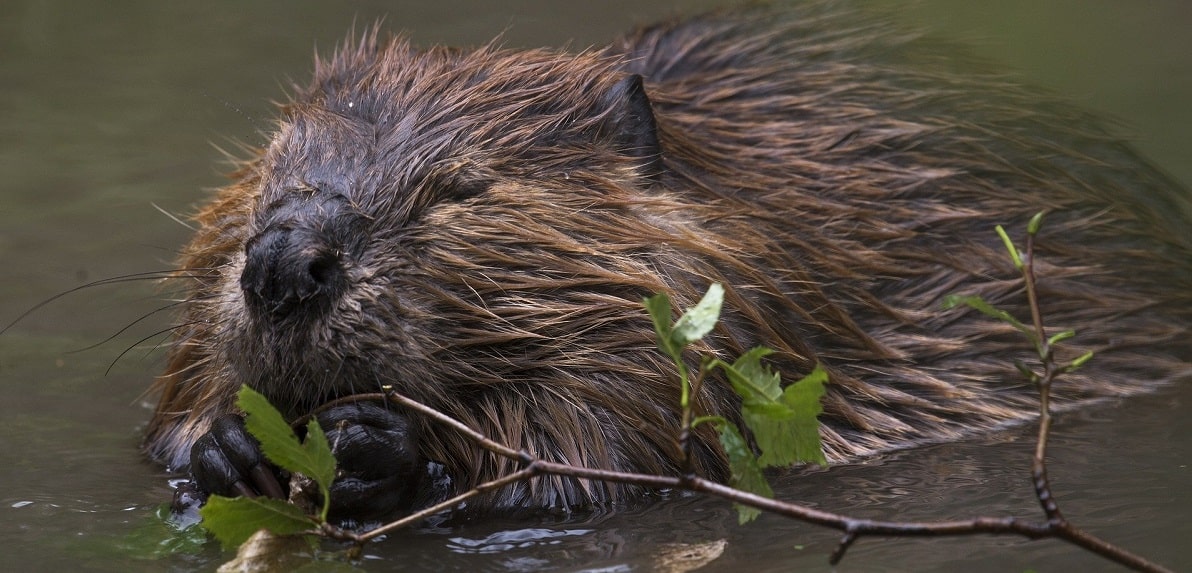
Beavers, North America’s largest rodent, are second only to humans in their ability to engineer and alter landscapes. Beavers benefit the wetland ecosystems in surrounding areas by raising water tables, replenishing aquifers, and creating environments where many species thrive. However, there are times when beaver control is necessary.
Beavers can alter the ecosystem by using natural items, like sticks and rocks, to build dams for their protection. While dams allow ponds to form, which protect beavers from predators, they also damage residential yards and public lands. Beaver activity can lead to flooding and other hazards for homeowners. It is crucial to contact experts, like those at Critter Control, to remove beavers from your property.
How We Get Rid of Beavers
Beaver removal must be done by a wildlife expert who understands state and local laws regarding animal protection. It also requires permits. Are beavers endangered? They are not endangered but considered a protected species because they are classified as fur-bearing animals, meaning neither their dams nor habitat can be destroyed, removed, or altered without special permission. Contact Critter Control regarding beaver management. They know how to mitigate, remove, and relocate beavers without breaking laws.
Signs of Beaver Infestation
Beavers can cause minor and significant damage to residential and public properties. Trees, roadways, ditches, culverts, lawns, and public outdoor recreational areas are examples of what beavers can damage, causing costly repairs.
Specific signs of beaver infestation include the following:
- Trees or shrubs are cut down by beavers chewing or gnawing on them.
- Trees with apparent gnaw marks.
- Flooding of yards, crops, culverts, homes, or other areas due to beaver-built dams.
- Caving or degrading of lawns, banks, or levees due to beaver burrows.
- Flooding of roadways or railways when beaver dams fail.
- Plugged pipes, culverts, and small bridges.
When trees are felled and the trunk, branches, and stems are moved without human help, it could be due to beaver activity. Beavers use the tree parts to build a dam.
Beaver Trapping
Beaver activity can be good, as it creates wetland areas that benefit the ecosystem. However, beavers damage private and public lands. Homeowners should never try to trap a beaver without professional help. It is not as simple as just setting out a trap with bait, as you may do with smaller rodents. Beaver traps often need to be set underwater near the entrances of their dams. Professionals prioritize safety for you and the beaver regarding removal and relocation.
Critter Control experts know how to trap a beaver safely, humanely, and according to state and local regulations. Wildlife experts may sometimes need to drain water from the area before setting a trap. Types of beaver traps may include foot-hold, cage, body-grip, or non-powered cable devices.
Beaver Exclusions and Control
Prevention and exclusion means implementing techniques that keep beavers away from your yard or public lands. Without these steps, removal and location may be ineffective, as beavers return or other beavers appear. Critter Control technicians have great experience in preventing and excluding beavers and typically use the following methods:
- Removing dams, which may need special permits.
- Removing trees, shrubs, and other food sources.
- Controlling water levels with flow devices.
- Installing fences around trees, ditches, and culverts.
- Painting tree bases with oil or latex-based paints mixed with sand.
The types and number of prevention and exclusion methods depend on the number of beavers colonizing your property or public land.
Find Service in your Area:


These aquatic rodents are usually about 2 to 3 feet (nearly 1 m) long, with small eyes, water-repellent brown fur, and a broad, flat tail that enables them to swim gracefully in the water. Although their thick bodies waddle awkwardly on land, beavers are powerful swimmers and can hold their breath for up to 15 minutes. Beavers also possess a set of large, powerful teeth to gnaw away at trees and branches to construct habitats and gather food such as leaves, bark, roots, and aquatic plants.
More information on what a beaver looks like.
Beavers thrive year-round in wooded areas near streams, rivers, ponds, and marshes. To create a suitable living space, beavers can transform low-lying areas into flourishing wetlands by damming streams and rivers. Once a shallow valley or field is flooded with water, beavers construct a lodge made of sticks and mud in the middle of the pond. These dome-like structures are accessible only from underneath the water and provide shelter for several generations of beaver families. Beavers can also burrow into riverbanks to create suitable living spaces.
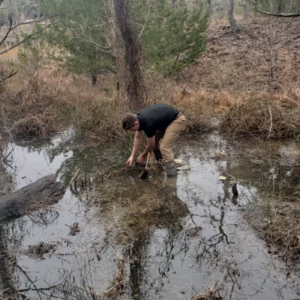
Beaver dam in College Station
At one time, beavers were near extinction due to the high value of their fur, which was used for trading and selling. According to the U.S. Humane Society, there are between 6 and 12 million beavers today. Although they are no longer endangered, beavers are still a protected species. Their habitats are endangered due to deforestation, climate change, and invasive species. Therefore, state and local laws require you to obtain permission to trap, remove, and relocate beavers. Also, most states recommend you hire a wildlife professional to do the job correctly.
Beavers do not enter houses or buildings but may cause problems in residential and public areas. They do not know that your property is your property. They are there because of the natural resources found on your land.
Beavers enter residential yards and public lands with adequate water and food sources. You may expect a beaver to investigate your property if you live along a stream, lake, pond, marsh, river, or ditches that flood. They are herbivores or plant eaters and prefer leaves, twigs, and bark from trees, shrubs, ferns, crops, aquatic plants, and grasses.
If nuisance beavers dam nearby streams, drainage pipes, or culverts, then trees, low-lying agricultural areas, and roadways may also be subject to flooding. Residential homeowners and cities should call a beaver control company, like Critter Control, to resolve wildlife problems.
Beavers do not hibernate during colder months but are much less active. They tend to spend their time in their dens, staying warm. Beavers design mostly underwater dens or lodges, but their living space, built with sticks and mud for insulation and dryness, sits above the water. Other ways they prepare for winter include storing a cache of foods, overeating in the warmer months, slowing activity to preserve energy and fat, and relying on their thick fur.
Although beavers have sharp, powerful teeth, they do not attack humans or directly destroy buildings. However, beavers can damage residential and city properties by felling trees and plugging drainage ditches, destroying a town’s drainage system. Beaver flooding can result in sinkholes, potholes, broken roads and sidewalks, unsafe barrier walls, and ruined landscaping. Beavers can sometimes contaminate water sources with zoonotic diseases or parasites such as giardiasis.
Tree damage caused by beavers can be readily identified by large, knife-like cuts and gashes at the base of a tree’s trunk. The felling of trees and shrubbery affects the ornamental shade trees of residential homes and is estimated to cost the commercial timber industry millions of dollars in damages each year. Likewise, farmers can find their low-lying fields flooded due to beaver activity.
Throughout most of North America, beavers are protected as fur-bearing animals and can now only be trapped or killed during specified fur-trapping seasons by certified wildlife technicians. Troublesome beavers causing property damage may be eradicated outside of trapping season with the authorization of local wildlife agencies. Homeowners should contact professional wildlife controllers at Critter Control to avoid violating any regulations.
Residential property owners and city officials can benefit from hiring an expert to inspect properties for the presence of beavers and dams. Doing so can save homeowners and cities from costly damages and repairs.
Several methods exist for controlling and removing beavers. In most states, destroying or disturbing established beaver lodges and dams is illegal since the wetlands they create are vital to local ecosystems. To manage established beaver populations, drainage systems may be constructed with the assistance of conservation specialists to control the water level. Employing traps to remove problematic beavers is the most effective method. However, traps must be set by experts, such as Critter Control Beaver Specialists, at the underwater entrances of beaver lodges.
Yes, getting rid of beavers is challenging. One reason is that they are protected species, preventing people from disturbing the habitats they create since they are beneficial to the ecosystem. Another reason is their fur-bearing status and permit requirements for removal. Without the help of professionals, it is extremely challenging to remove beavers from the area.
Critter Control experts know how to obtain permitting and can use safe and humane traps to capture and relocate beavers. They know specific steps to take to ensure beaver structures remain intact, you stay safe, and the beaver is not harmed. Critter Control techs have experience properly draining dams and setting underwater traps for effective beaver control.
Companies cannot offer a flat-rate fee for removing beavers from your property or public lands. Too many factors must be considered, such as the type of damage, type of activity, number of beavers causing problems, location of the issues, and what it will take to preserve the habitat they created.
Before you Google “beaver removal near me,” contact Critter Control. You can get an estimate. They can also answer any further questions you may have regarding beavers.