

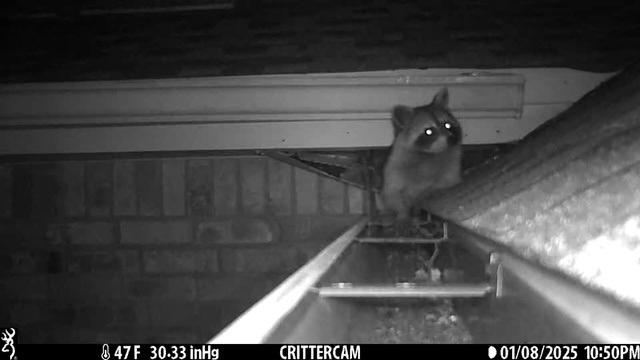
Homeowners in Beaumont were hearing a ruckus on their roof and in their attic late at night. Feeling nervous, they called us to investigate what could be causing this. We found evidence of a raccoon. There was a large hole under the roof return. Inside the attic, there was damaged insulation from droppings.
To make sure the entry hole was still being used by the raccoon, we set up our critter cam. That very night, we found the masked bandit sneaking out!
Raccoon Removal from Attic in Beaumont, TX
Accurate identification is the first requirement of any removal protocol. You must distinguish raccoon activity from that of smaller rodents or birds. Look for signs of raccoons such as:
- Tracks in dust in the attic or on downspouts leading up to your roof.
- Torn shingles, mangled aluminum soffits, and destroyed attic vents.
- Piles of droppings in attic spaces.
A systematic inspection is the only way to ensure all animals are accounted for. You must identify every possible gap larger than four inches.
Walk the perimeter of your property and inspect the roofline with a high-intensity flashlight. Focus on intersections where different roof levels meet and where vents are located. Mark every hole, even those that appear too small for a large adult.
Enter the attic space only while wearing full PPE. Inspect the underside of the roof deck for daylight peeking through holes. Check for compressed insulation, which indicates established nesting sites or “runways” used by the animals.
You must wear a HEPA-filtered N95 or P100 respirator to prevent the inhalation of roundworm eggs. Utilize puncture-resistant gloves and a full-body disposable Tyvek suit. Protect your eyes with sealed goggles to prevent liquid splashes from reaching your mucous membranes.
Secure raccoon trap where raccoon activity is obvious like along travel paths, near entry holes or den sites. Set the trap on flat, stable ground to prevent tipping. Keep it at least 2 feet away from anything a raccoon could grab.
Check the trap daily. When raccoon has been caught, remove it from the attic.
Cover all repaired areas with 16-gauge galvanized steel mesh. Extend the mesh at least six inches beyond the edges of the hole. This prevents the animal from simply gripping the edge of the new wood and tearing it open again.
The raccoon’s departure does not conclude the process. Remove all insulation that has been contaminated by urine or feces. Treat the entire nesting area with a broad-spectrum disinfectant. These chemicals are designed to kill viruses, bacteria, and fungal spores.
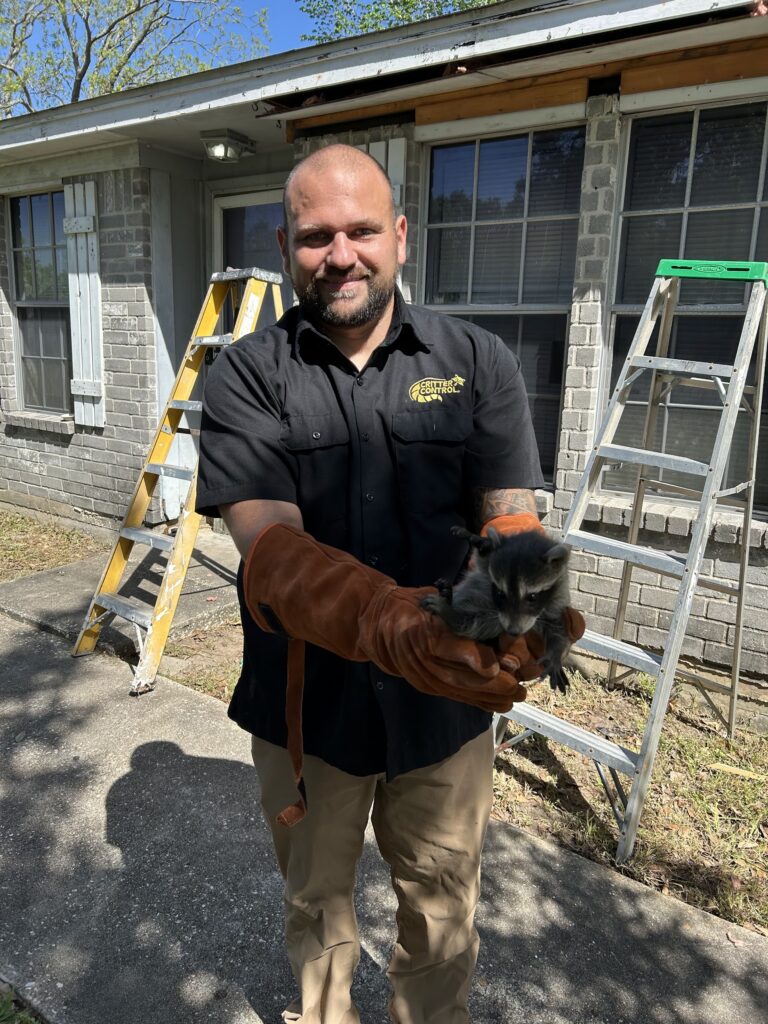
Raccoon Prevention in Beaumont
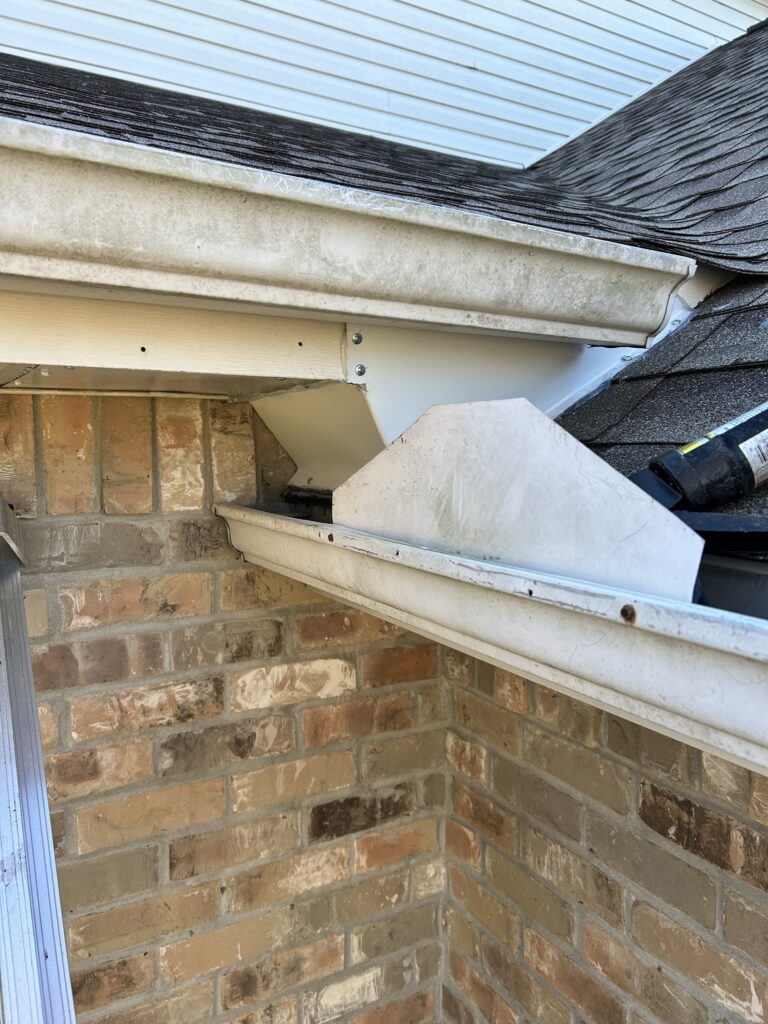
Frequently Asked Questions about Raccoon Removal in Beaumont
Raccoons usually enter homes because they provide shelter near food and water sources. Raccoons tend to be most active in attics during early spring, as females look for safe places to give birth. If they have access to food sources and a safe place from predators, raccoons will keep coming back.
Raccoons are excellent climbers and often access homes by climbing trees or downspouts. They typically enter through weak points such as vents, roof edges, or damaged soffits.
Yes. Raccoons can carry diseases like Rabies and roundworm. They can also become aggressive if cornered, especially mothers protecting their young. Raccoons will also destroy items in your attic and damage the insulation. The holes they leave in your home can also lead to water damage.
Raccoons can tear up insulation, chew wood and wiring, and contaminate areas with droppings and urine. This can lead to costly repairs if not addressed quickly.
If entry points aren’t properly sealed, raccoons—or other wildlife—can return. Professional exclusion and repairs are critical to keeping your home protected in the long term.