

By Roger Maul, Region Sales Manager for Critter Control
As Houston grows and expands, so does the risk of squirrel infestations. While they may seem cute and harmless, squirrels are responsible for significant damage to homes and infrastructure. As a professional in wildlife management, I’ve seen firsthand how these furry creatures can wreak havoc, especially in urban settings like ours. Let me walk you through some key points to remember when it comes to squirrel infestations, particularly in Houston.
The Impact of Land Development on Local Wildlife
Houston’s land development directly contributes to the displacement of native species, including squirrels. When one species is displaced, the entire ecosystem feels the effects. Squirrels, like all animals, are driven by their need for three things: food, water, and shelter. As we build new homes, offices, and infrastructure, we’re inadvertently providing these animals with more shelter, driving them into attics, vents, and even weep holes in our homes.
Squirrel Behavior and Why They Love Your Home
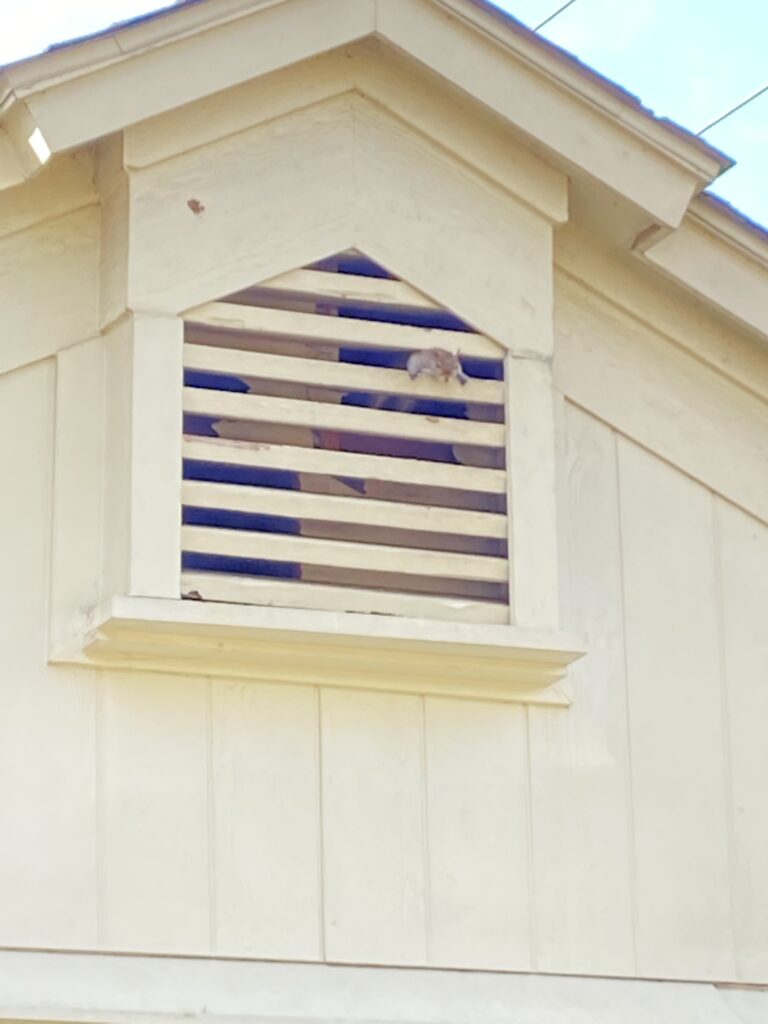
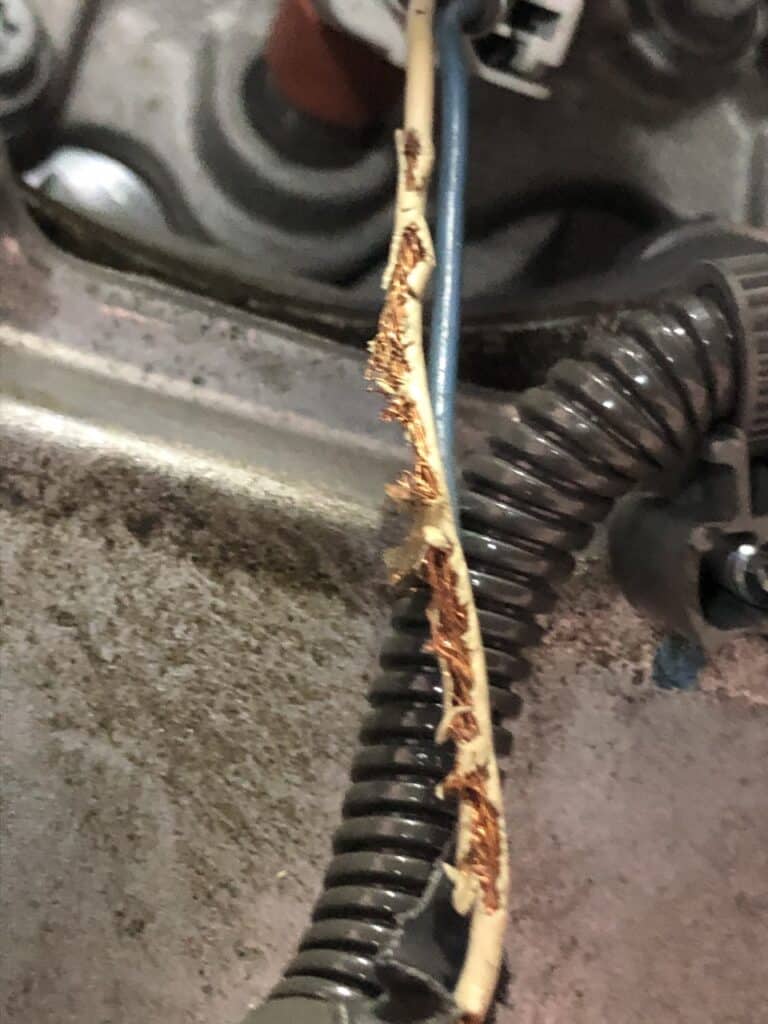
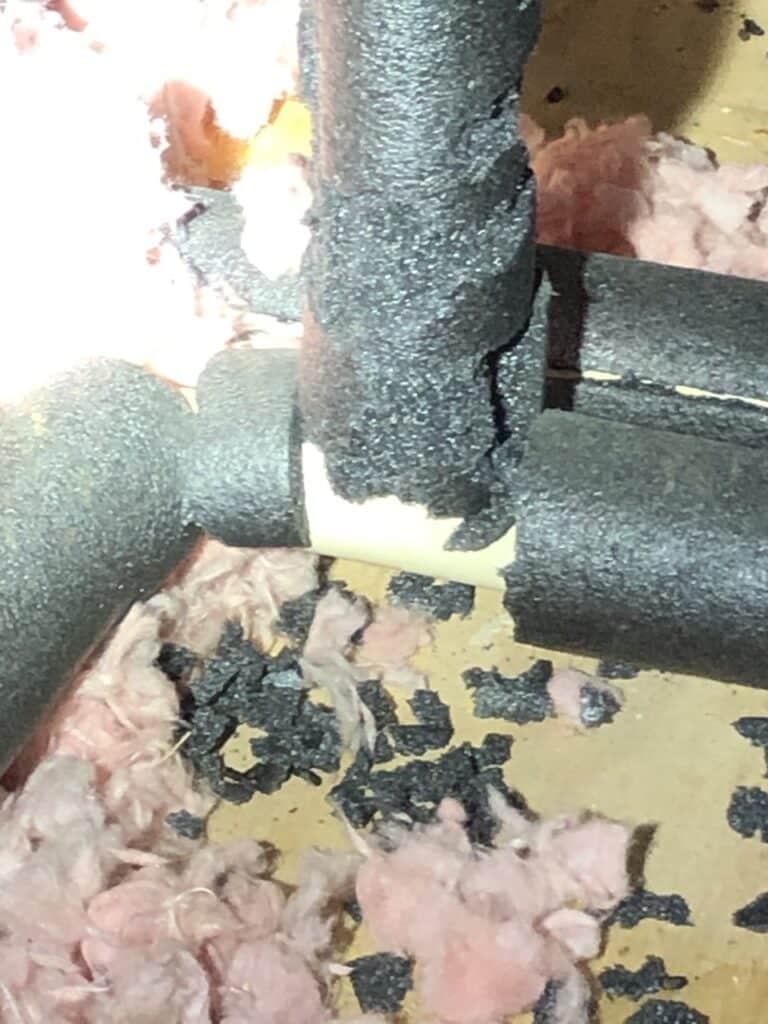
Squirrels are highly adaptive animals. They can jump 5 to 6 feet vertically and 8 feet horizontally, which means even if you think the tree branches are far enough from your house, they can easily find their way in. Their natural ability to chew, particularly to file down their teeth, poses a serious threat to homeowners. Texas homes commonly use PVC and PEX piping, both of which squirrels can chew through, causing costly water damage. In addition, they can gnaw on wires, leading to electrical issues or even fires.
One of the most common entry points for squirrels is the roof, especially through vents created for attic air exhaust. Weep holes, which allow ventilation in homes, are another weak spot that squirrels exploit. In Houston, with its hot and humid climate, homes are particularly vulnerable to these types of entry points.
Recognizing the Signs of a Squirrel Infestation
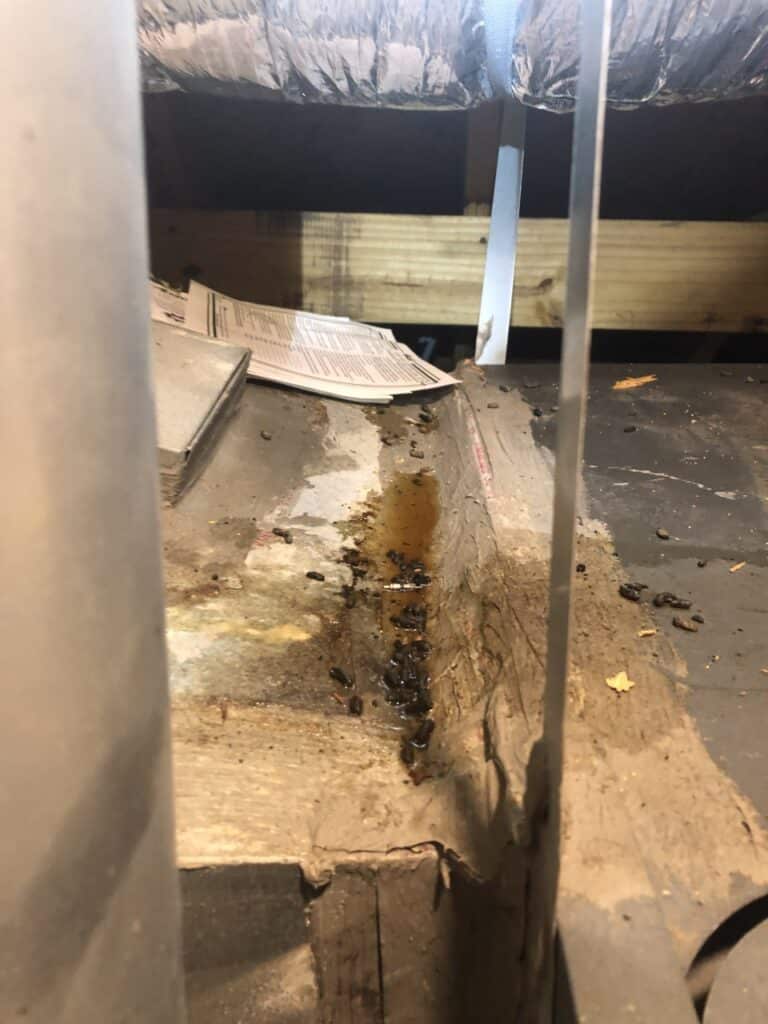
Most people don’t realize they have a squirrel problem until it’s too late. Because squirrels are diurnal, they’re active during the day and often spend time outside, returning to your attic at night. This sneaky behavior means you might not notice them until you hear scratching or gnawing sounds at sunset, or worse—discover plumbing issues due to chewed pipes. Other telltale signs include fresh wood exposed under paint (from chewing) or tic-tac-shaped droppings scattered around your attic.
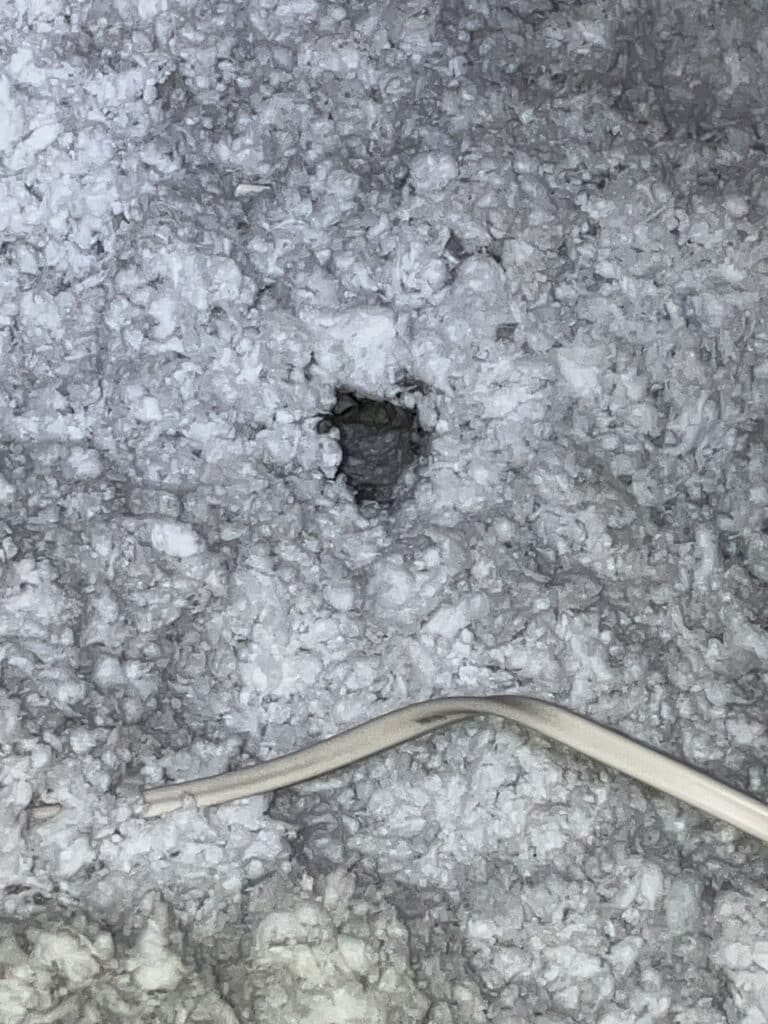
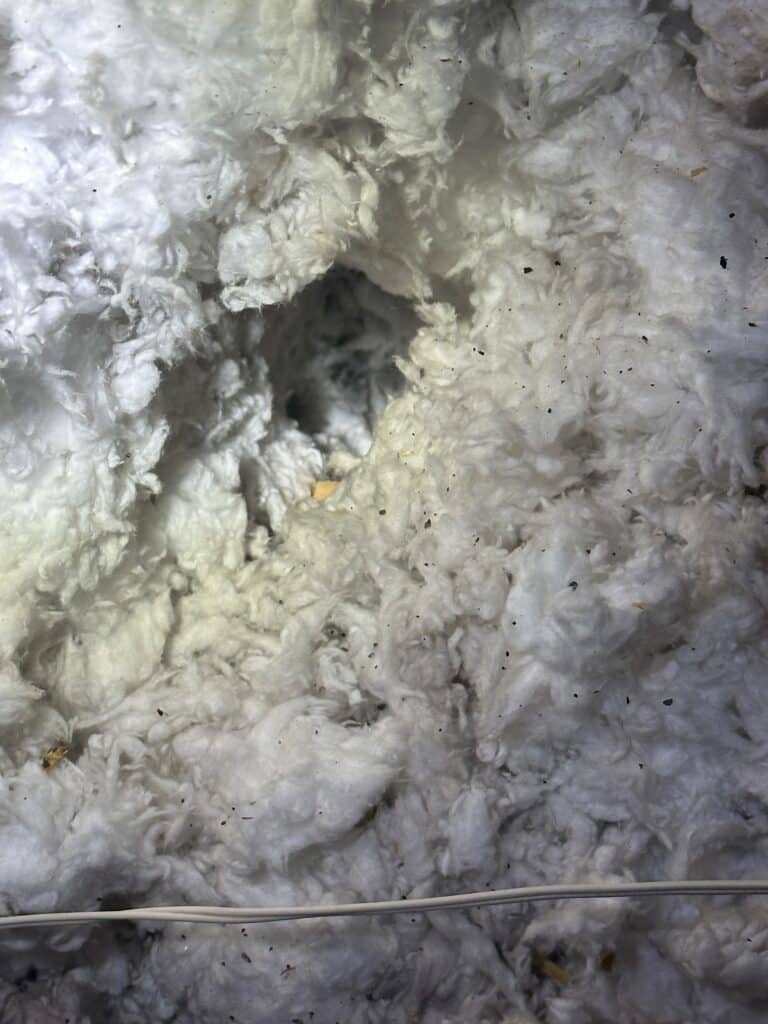
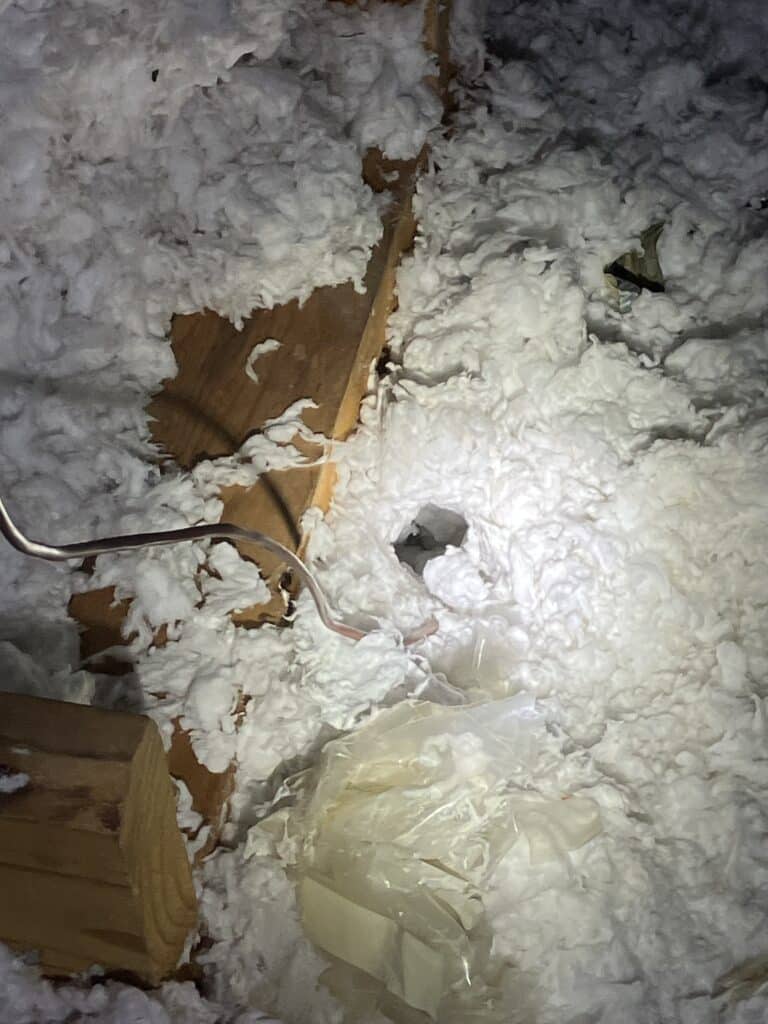
One particularly deceptive aspect of a squirrel infestation is their ability to create paths through attic insulation without leaving obvious signs. Squirrels also leave small piles of debris where they chew and build nests.
Year-Round Problem in Houston
Unlike in colder regions, squirrels in Houston don’t hibernate. The warmer climate means that squirrels breed year-round, doubling their birthing season and multiplying their numbers at an alarming rate. This is especially true right now as land development in Houston is displacing more wildlife than ever.
Houston is home to several species of squirrels, including the gray squirrel, ground squirrel, and fox squirrel. These species are now thriving in our urban environments, creating a year-round headache for homeowners.
Squirrel Prevention: It’s Not About Chemicals or Traps
If you think the solution to a squirrel infestation is a quick spray or a trap, think again. The real preventative measures involve physically blocking off potential entry points. Sealing small holes, gaps in roofing, and weep holes are crucial steps to keep squirrels out. However, it’s important to note that common sealants like spray foam are no match for squirrels’ powerful teeth—they can easily chew right through wood.
The best solution is a professional wildlife inspection to identify potential entry points and secure your home. We at Critter Control focus on proactive strategies like sealing gaps and reinforcing vulnerable areas to prevent squirrels from entering your home in the first place.
A Delicate Balance: Protecting Wildlife and Your Home
One final point to remember: in Texas, squirrels are considered a state resource, which means they are protected by law. While they can be incredibly destructive, shooting or harming squirrels is illegal. Instead, if you suspect a squirrel infestation, it’s best to call in a professional wildlife service to handle the problem humanely and legally.
Squirrel Removal in Houston
As Houston continues to expand, the issue of squirrel infestations will only grow. It’s important to be aware of the signs and take preventative steps to protect your home. Remember, squirrels aren’t just pests; they’re part of our ecosystem, and managing them responsibly is key to preserving the delicate balance between urban development and native wildlife.
Stay vigilant, and if you hear that telltale scratching in your attic, don’t wait. Contact Critter Control to assess and address any rodent or wildlife issues before they lead to costly damage.
About the Author

Roger has over 20 years of experience in sales, management, and business development. Roger has over five years helping customers identify nuisance wildlife problems throughout Texas, Oklahoma, Louisana, New Mexico, and Colorado. As Region Sales Manager, he recruits, trains, and mentors Critter Control’s wildlife sales consultants throughout the South Central region.
Rodents are the most commonly encountered mammal in Texas. Some of the most common rodents you’ll find in your Houston area home are:
- Norway Rats
- Roof Rats
- House Mice
- Eastern Gray Squirrels
The deer mouse, White Footed Mouse and nutria are other rodents in Houston area that can be a nuisance but aren’t as prevalent.
Homeowners in the Houston area tend to notice rodent feces or strange sounds in their walls and attics first. Rodent problems extend beyond those nuisances. Feces can transmit diseases. Rodents gnawing on electrical wires can increase the risk of fires. The pests introduce parasites like fleas into your house.
Critter Control in Houston specializes in rodent removal and control. Rodent removal begins with a thorough inspection to determine how severe the problem is. The more established rodents are, the more involved the removal process will be. After inspecting, our wildlife specialist will build a custom solution to trap, remove, and seal all entry points.
Rodent Damage in Houston
Home Inspection for Rodents
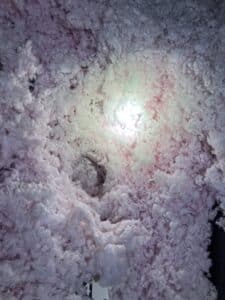
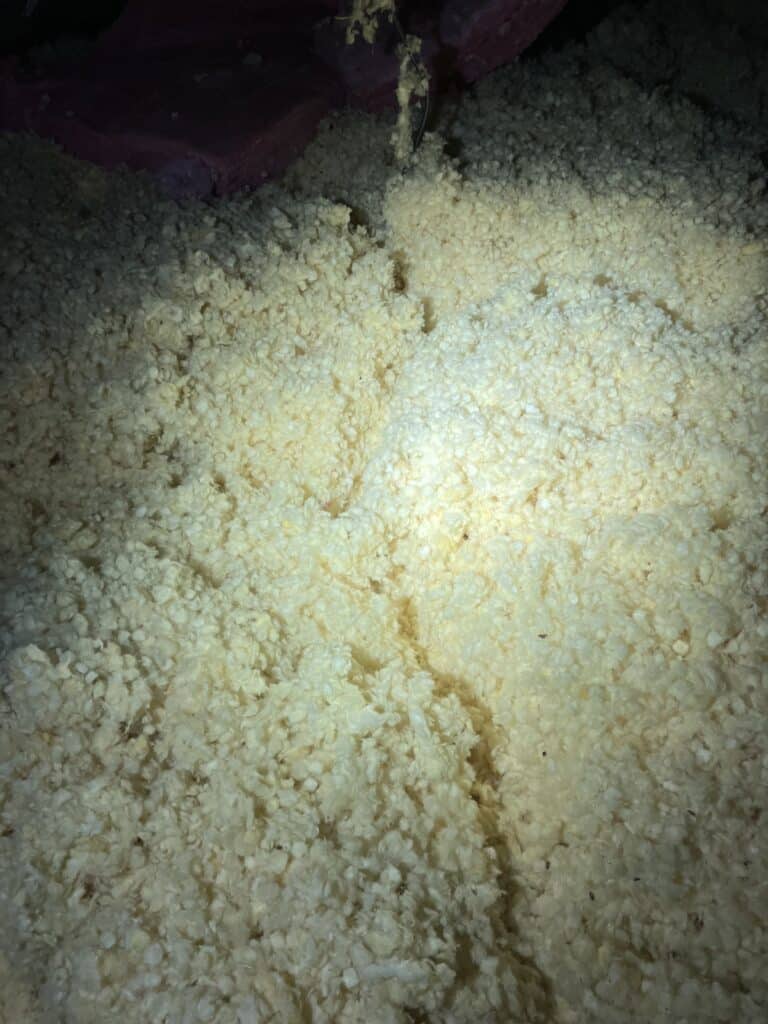
During a rodent inspection, our inspector will thoroughly inspect your attic as well as provide a full exterior home inspection. The most common signs of rodent activity are chewing, droppings, rub marks, nesting material, and small entry points.
The most common areas to find a rodent infestation are in your attic, in the crawlspace, and inside the walls. You’re likely to find evidence of rats and mice in your kitchen as they scavenge for food.
Signs of Norway Rats in Attic
Rodent Removal & Trapping
Based on the inspection, our wildlife specialist creates a strategic trapping plan to remove the rodents found in your home. Types of traps, placement of traps, and bait used in traps determine the effectiveness of rodent trapping.
Our wildlife specialist will ensure to use of the most efficient and safe removal process for your home. Though the standard rat trapping/removal duration is normally between 5 to 14 days, the trapping process may be longer if the rodents are well-established.
Rodent Control in Your Attic
There are a few ways to rodent-proof your attic, and most of them start before the rodents reach the attic. Some rodents like mice can fit through openings as small as half an inch in diameter, which means that small holes, gaps in doorways, and wall vents often serve as common entry points.
Rats are also proficient swimmers capable of traveling through sewer lines and entering buildings by emerging from toilets and open drains.
Check your roof and soffits for any small holes. Any rodent can take a pre-existing hole and gnaw it to make it bigger. Another way rodents can get into your home is through your vents. There are a few ways you can keep rodents out of your vents.
Rodent Control for the Crawl Space
Rodents can easily find their way into your crawlspaces. Norway rats and mice are the most common rodents in crawl spaces. Norway rats tend to burrow along the foundations of homes.
Rodent Exclusion
Rodent exclusion is the best rodent control method. The rats and mice got into your home. During the Critter Control free inspection in Houston and surrounding areas, our technicians identified all current and potential animal entry points.
After rodent removal, it is essential to repair any entry points on your home. Rodents leave pheromone trails, and other rodents quickly utilize those scent trails.
Habitat Modification for Rodent Control
Food sources, water sources, and shelter attract rats, mice, and squirrels to your house. Our technicians can offer simple ways to make your property less appealing to rodents.
Keep pet food inside and stored it. Removing trees or branches close to your roof and keep your property clear of debris can help to keep your property rodent free. Rodents love clutter and will use debris for nesting material.
Keep your garage door closed as much as possible, especially at dark. Garages are often used as storage spaces, and rodents will take advantage of any food they can get to or any items that can be used for nesting.
When Will I See Rodents Most?
Rats and mice are nocturnal and active year-round in Texas. Squirrels are diurnal and most likely to enter your home during their breeding seasons.
Hurricane season is the most popular time of year for Houston rodents to venture outside of their homes. However, limiting their activity to hurricane season is not entirely true. Anytime there are large rainfalls and flooding, we should be extra cautious when it comes to rodent invasion. Flooding forces rodents to venture inside.
Pest Control vs Wildlife Removal Services
Critter Control specializes in whole-home exclusions. We identify the rodent entry points and install materials designed to keep rodents out. We offer a one year warranty on whole home exclusions and suggest recurring rodent control services to keep your home protected.
Andrew Cuen, the district manager for Critter Control of Phoenix, appeared on 12News to help educate Phoenix residents about wildlife activity.
Read the full article here.
Living in Florida, we love our warm temperatures, beaches, lakes, and wetlands; unfortunately, so do mosquitoes. When mosquito season starts, our lush, tropical paradise can become a breeding ground for mosquitoes who want nothing more than to bite every living creature in sight, including you.
Mosquitoes are not only irritating when they bite, but can also spread diseases. You need expert mosquito control professionals. Most mosquito repellent sprays simply don’t work. We have a better solution.
When to Prepare for Mosquito Season?
Mosquito larvae will generally begin to hatch around March or April in North Florida, but a particularly warm winter can bring them out earlier.
How it Works
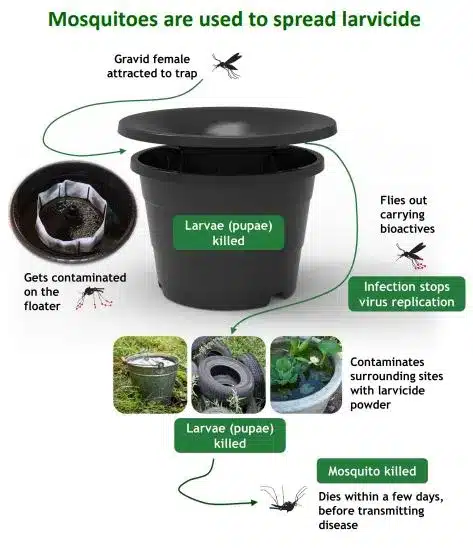
Critter Control Gainesville’s Mosquito Trap is made of strong plastic and uses water with a specific odor that attracts mosquitoes. Once inside, mosquitoes contact the specially treated gauze near the water surface and get contaminated with a larvicide and a fungus.
We know that mosquitos like to divide their eggs over many sites so we let them fly out of the Trap while carrying larvicide on their legs. They transport the larvicide, contaminating many breeding sites around the trap.
In this way, we can kill larvae in small, hard-to-find breeding sites. The mosquito also gets infected with an insect-specific fungus that kills her before she can spread diseases.
The Best Mosquito Plan
Once Mosquitoes start to bite it means the eggs have hatched and they are active. Although it’s not to late to control mosquitoes at this point, Critter Control recommends starting to control these pests before they are active.
Contact a mosquito control specialist at Critter Control for a free inspection and consultation. We’ll prepare a plan that will give you the best defense possible for the summer so that you can enjoy your outdoor living spaces.
Since 1983, Critter Control has been helping keep families safe from harmful pests. If you’d like a free inspection and consultation with a Critter Control Technician, call us at 352-372-3922.
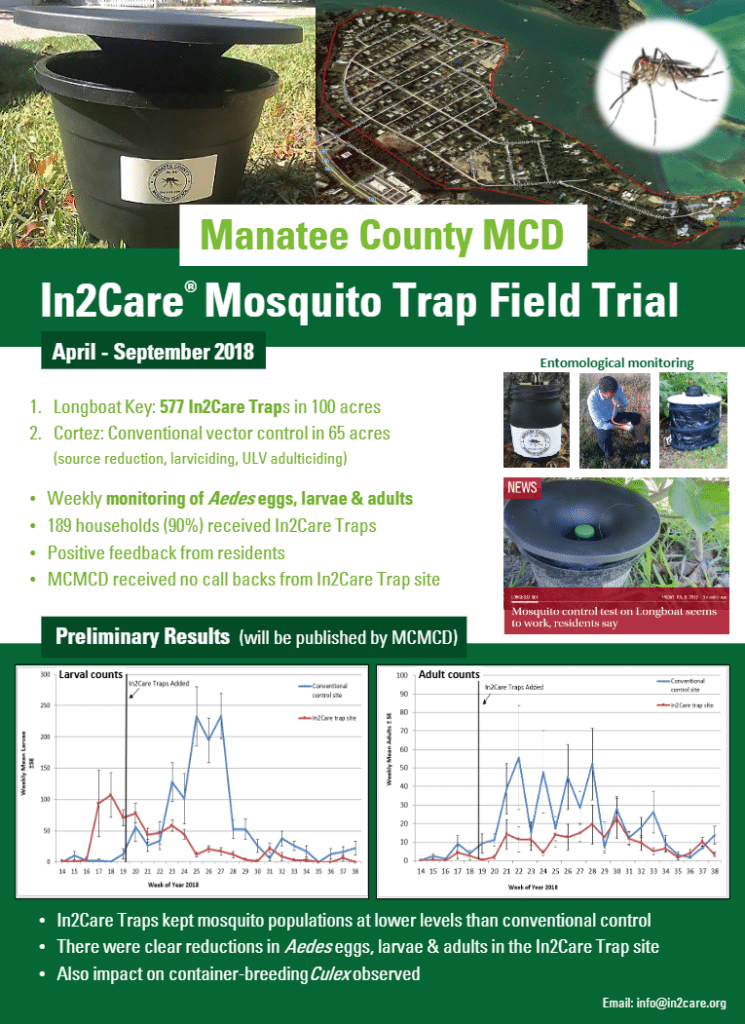
In2 Care Mosquito Field Trial
- In2Care Traps kept mosquito populations at lower levels than conventional control
- There were clear reductions in Aedes eggs, larvae & adults in the In2Care Trap site
- Also impact on container-breeding Culex was observed
Birds are an essential part of Wisconsin’s wildlife, but when they take up residence in or around your home, they can cause more harm than harmony. Homeowners in Green Bay and across the state often face a variety of bird-related issues, particularly in the spring and summer months. From clogged vents to unsanitary droppings, bird problems can escalate quickly if not addressed. We understand the unique challenges local homeowners face and how to prevent them humanely and effectively.
Common Bird Problems in Wisconsin Homes
Nesting in Vents and Chimneys
Birds like starlings, sparrows, and swallows often seek out warm, sheltered spots to nest—making vents, chimneys, and exhaust openings prime targets. While it may seem harmless, nesting in these areas can lead to serious complications. Blocked dryer vents and bathroom exhausts can cause poor airflow, moisture buildup, and even fire hazards. In chimneys, nests can create dangerous obstructions that lead to smoke damage or carbon monoxide buildup. Additionally, these nests often attract mites, fleas, and other pests, creating a health risk for the people inside the home.
Gutter and Roof Damage
Gutters offer another inviting nesting spot for certain bird species. Unfortunately, nesting materials and droppings can clog gutters, leading to water overflow that damages fascia boards, soffits, and shingles. Prolonged clogging can also cause water to pool around the foundation, potentially leading to structural issues over time. Birds frequently perched on rooftops can also contribute to wear and tear, especially when combined with the corrosive effects of droppings.
Bird Droppings
Accumulations of bird droppings aren’t just an eyesore—they pose real health and property risks. Droppings are highly acidic and can erode paint, metal, and stone surfaces, leading to costly repairs. They also carry harmful pathogens such as histoplasmosis and Salmonella, which can become airborne or be accidentally inhaled or ingested during cleaning. Areas like decks, walkways, and vehicles can quickly become unsanitary when used as regular perches.
Aggressive Behavior During Nesting Season
Many homeowners in Wisconsin report aggressive bird behavior during nesting season. Birds such as robins or swallows may become territorial and act defensively when they perceive threats to their nests. This can lead to swooping or dive-bombing behaviors that are especially alarming to children and pets. In some cases, outdoor areas may become nearly unusable until the nesting season is over, turning your backyard from a place of relaxation into a source of stress.
How to Prevent Bird Problems
While some bird presence is inevitable, there are several steps you can take to reduce the risk of serious issues. Prevention starts with understanding how birds choose their nesting sites and taking proactive steps to make your home less inviting.
Seal Entry Points
Inspect your home’s exterior regularly and seal any small gaps or holes near soffits, attic vents, or eaves. Installing vent covers and chimney caps made from durable metal mesh can effectively block birds from accessing these sheltered areas without disrupting airflow.
Gutter Guards and Roof Maintenance
Keep your gutters clear by installing bird-resistant gutter guards and cleaning them seasonally. Trim overhanging branches that provide easy access to your roof, and watch for signs of nesting activity like twigs, feathers, or droppings.
Bird Spikes and Netting
For areas where birds consistently perch or roost—such as roof edges, signs, or ledges—bird spikes offer a humane deterrent that makes it uncomfortable for them to land. Netting is another effective option for protecting balconies, patios, or garages from nesting attempts.
Limit Food Sources
Eliminate easily accessible food sources by securing garbage bins and avoiding outdoor feeding of pets. If you enjoy feeding wild birds, consider placing feeders farther away from your home to reduce nesting nearby.
Use Visual Deterrents
Birds are cautious creatures and can often be scared away by simple visual deterrents such as reflective tape, predator decoys, or motion-activated devices. These can be especially useful during peak nesting season in the spring.
Professional Help When You Need It
If you’re currently dealing with a bird problem, professional intervention may be necessary. At Critter Control of Green Bay, we specialize in humane bird removal and Wildlife Exclusion Services techniques tailored to your specific situation. Our trained technicians understand the nesting habits and behaviors of local bird species and can implement safe, long-term solutions to protect your home.
Mothballs are insecticides intended to kill clothes moths and other fabric pests. Controlled by the Environmental Protection Agency, they are illegal to use for any purpose or by any method that isn’t specified on the label directions. This article explores if mothballs are effective wildlife deterrents for mice, snakes, bats, and other creatures, and highlights important health factors based on existing research.
History of Mothballs
Before modern air conditioning and heating systems were commonplace, households sought out natural airflow to regulate indoor temperatures, which brought with it the invasion of pests eager to eat homeowners’ favorite clothing. In response, mothballs became the first line of defense, a key element of clothing care and preservation.
With synthetic materials like nylon and polyester now blended with natural fibers like cotton, moths rarely seek out clothing as a food source. Nonetheless, there are many advertised uses for mothballs in the house and outdoor areas for wildlife control, many of which are considered dangerous or illegal.
How Mothballs Work
Mothballs are round discs of solid pesticides with the active ingredient naphthalene, camphor, paradichlorobenzene (dichlorobenzene). These solid discs release vapors that are toxic to moths and moth larvae, eliminating them or deterring them from the area. However, to be effective for pest management, mothballs must be placed in airtight containers where moths are exposed to high concentrations of vapors.
Mothballs as a Wildlife Repellent
Mothballs are frequently suggested as wildlife deterrents in both indoor and outdoor areas. These solutions are ineffective, dangerous to humans and pets, and illegal in some cases.
Indoor
Mothballs are commonly made of naphthalene or paradichlorobenzene, both of which are toxic to humans and have detrimental health effects. Accidental mothballingestion is common in children. Fumes from naphthalene mothballs can escape into the air and can cause respiratory problems. High levels of fumes can accumulate in closed areas, and improper use of mothballs can lead to long-term exposures to people and pets. Medical issues as a result of mothball naphthalene poisoning include hemolytic anemia, methemoglobinemia, and in rare cases, kidney damage.
For these reasons, mothballs should not be stored in closets, crawl spaces, attics, basements, storage chests, garment bags, or other spaces excluding airtight containers.
Outdoors
Mothballs are occasionally thrown in gardens and lawns to keep away pets and other animals. However, mothballs are ineffective in repelling wildlife in outdoor areas such as rats, mice, squirrels, bats, snakes, or other wildlife. Mothballs may contaminate soil and water and their use as animal repellants is not appropriate and can be illegal.
Do Mothballs Ward Off Snakes?
Mothballs don’t repel snakes. As snakes are attracted to areas that provide cover and shelter, homeowners should remove log or trash piles close to the home and maintain grass or other vegetation to make the area less appealing.
Will Mothballs Repel Mice & Rats?
Mothballs contain naphthalene, but the small quantity in mothballs is insufficient to effectively deter rats or mice , and the smell rapidly dissipates. The smell can be a deterrent in large enough quantities, but will not prevent rodent infestation, on top of health risks.
Bats and Mothballs
Unfortunately, there are no magical products to repel bats, including mothballs. Similar to mice, naphthalene is an annoyance to pests, but not enough to prevent the species from occupying your living space.
Groundhogs and Mothballs
Filling a groundhog hole with mothballs is not effective, and increases the chance that the groundhog will simply create another den nearby until the smell dissipates, which happens rapidly. Groundhog-proof fencing or removal services are the only effective, guaranteed solutions.
Mothballs, Chipmunks and Squirrels
While chipmunks and squirrels dislike the smell of mothballs, mothballs are a less effective option relative to trapping and removal services. Mothballs are considered an inhumane alternative as chipmunks and squirrels may die after consuming. Lastly, the use of mothballs to deter chipmunks and squirrels may be illegal depending on your locality and is bad for the environment.
Do Repellents Work?
Natural repellents like predator urine, citrus ammonia, and mothballs have low effectiveness as deterrents.
Instead of using ineffective mothball solutions to deter mice or other wildlife species, contact Critter Control technicians who can tailor permanent solutions for your wildlife problem. Mothballs are ineffective deterrents of wildlife, and most importantly pose health risks to the inhabitants of a home.