

Schedule a Free Inspection
Hours of Operation
Monday-Friday 7:00 a.m. – 5:00 p.m.
Saturday 7:00 a.m. – 12:00 p.m.
Sunday Closed
24 Hr Emergency Services Available

Serving the following locations:
By County: Hillsborough County, Pasco County, Pinellas County
- Apollo Beach
- Bahia Shores
- Bayshore
- Bayway
- Beach Park
- Beach Way
- Belle Vista
- Belleair
- Belleair Beach
- Belleair Bluffs
- Brandon
- Brooksville
- Cheval
- City of Clearwater
- City of Tampa
- Clearwater Beach
- Cory Lake Isles
- Culbreath Isles
- Dade City North
- Davis Islands
- Del Rio
- Dunedin
- Eagle Crest
- Egypt Lake
- Elfers
- Fishhawk Ranch
- Florida Glen Lakes Golf
- Florida Southern Hills Plantation
- Gibsonton
- Golf View
- Gulfport
- Harbour Island
- Holiday
- Indian Rocks Beach
- Indian Shores
- Kenneth City
- Lacoochee
- Lakewood Estates
- Land O’ Lakes
- Largo
- Lithia
- Lutz
- Madeira Beach
- Mango
- Mira Bay
- New Port Richey
- North Hyde Park
- North Redington Beach
- Odessa
- Oldsmar
- Palm Ceia
- Palm Harbor
- Parkland Estates
- Pinellas Park
- Plant City
- Port Richey
- Redington Beach
- Redington Shores
- Riverview
- Safety Harbor
- Saint Leo
- Saint Pete Beach
- Saint Petersburg
- San Antonio
- Seminole
- South Pasadena
- Stonelake Ranch
- Sunset Park
- Swann Estates
- Tampa
- Tampa-Bayshore Gardens
- Tampa Palms
- Tarpon Springs
- Temple Terrace
- Thonotosassa
- Tierra Verde
- Town ‘n’ Country
- Treasure Island
- Trinity
- Valrico
- Weeki Wachee
- Wesley Chapel
- Westchase
- Zephyrhills
Testimonials


Local Affiliations




Fast, reliable wildlife removal in Tampa Bay.
Raccoons are ever recognizable with their black-masked face and nocturnal habits. The natural habitat for raccoons is wooded areas close to water. Hollow trees are the natural den sites for raccoons. But they have adapted to the urban and suburban habitats in Dallas.
Signs You Have a Raccoon Problem
Listen to the signs of raccoons
Identifying an infestation early can save money on costly repairs. Raccoons are nocturnal, so you might not see them directly, but they leave plenty of evidence. If you aren’t sure whether you need to call a professional, look for these tell-tale signs that raccoons have invaded your space.
- Scratching Noises – Since raccoons are heavy and active at night, you will often hear them thumping, scratching, or scurrying above your head while you are trying to sleep.
- Raccoon Droppings – Finding feces is a major sign. Raccoon waste resembles dog droppings but often contains undigested seeds and other food items.
- Chewed Wires or Insulation – Raccoons love to tear up materials to build nests. If you find shredded insulation or gnawed electrical wires in your attic, you likely have a visitor.
- Greasy Rub Marks – As raccoons squeeze through tight entry points, the oil and dirt on their fur leave dark, smudge-like marks on baseboards, beams, and entry holes.
- Visual Sightings – Seeing a raccoon on your property during the day can be a sign of illness or a desperate mother searching for food, but seeing one inside your home is an immediate call to action.
Is It Bad to Have Raccoons in the Attic
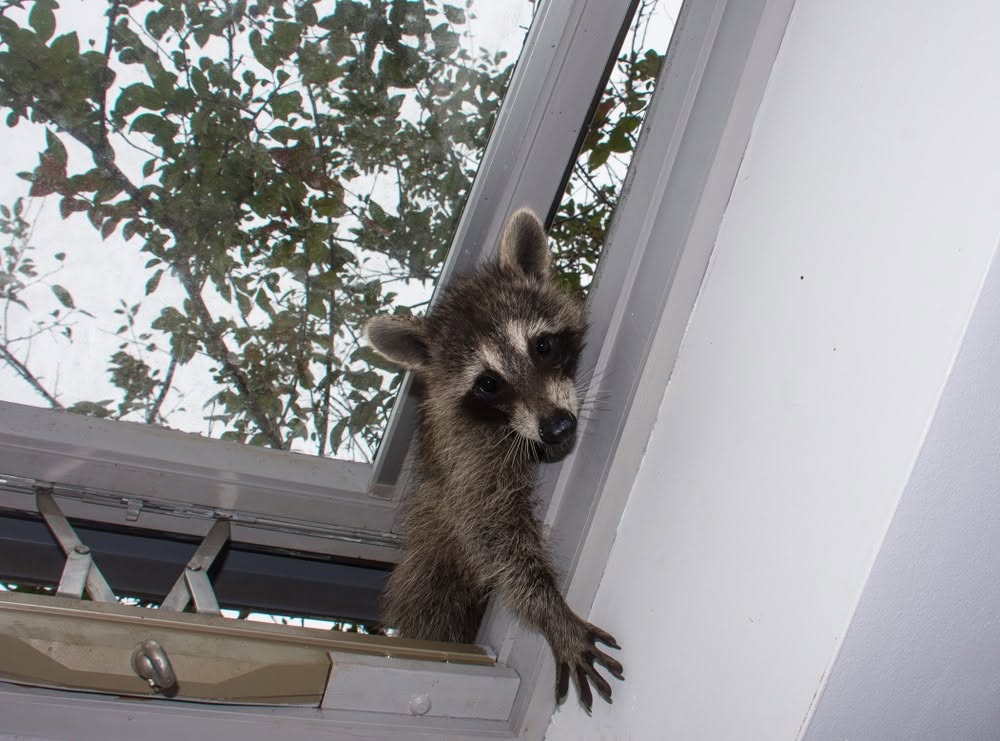
It is easy to think of a raccoon as just a nuisance animal, but the reality is that they can be incredibly destructive and dangerous. Ignoring an infestation doesn’t just lead to sleepless nights; it can result in thousands of dollars in repairs and significant safety hazards for your family.
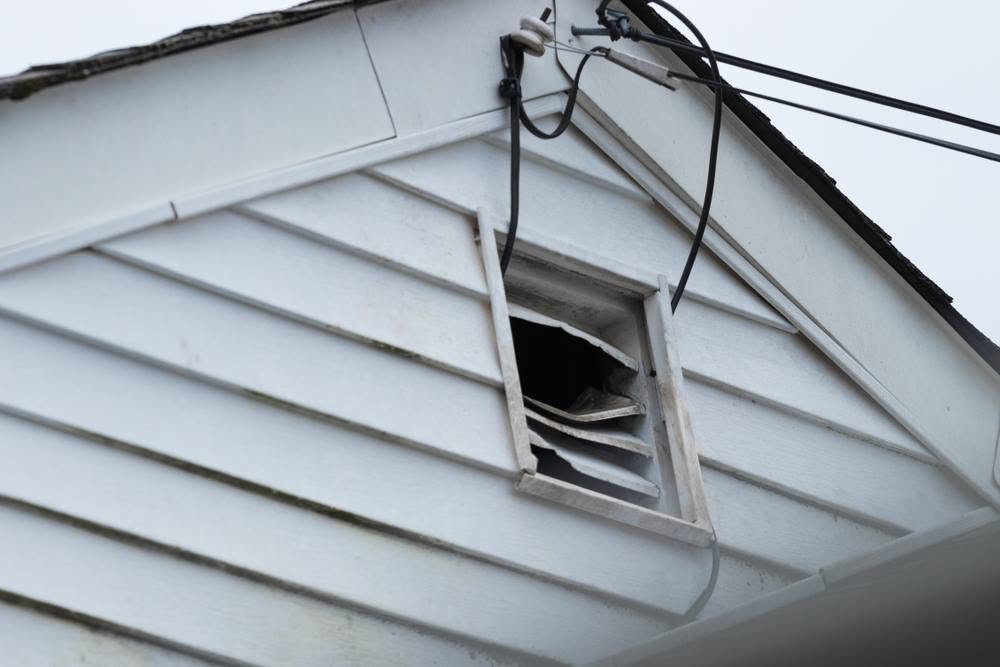
One of the most serious threats is the risk of electrical fires sparked by chewed wires. Raccoons have a habit of gnawing through attic wiring, peeling away insulation and leaving bare wires that can easily ignite nearby materials. Their mischief does not stop there. In their search for cozy nesting spots, raccoons can shift pipes out of position, setting the stage for costly water leaks and stubborn mold infestations.
Raccoons tear holes in soffits and drywall, compromising your building’s integrity, while trampled insulation causes energy bills to spike.
Aside from the physical damage to your property, the health risks associated with raccoons are a major concern. These animals are known carriers of several diseases that can be transmitted to humans and pets, which is why professional intervention is so critical for your safety.
- Rabies – This is the most well-known raccoon disease. While not all raccoons have rabies, they are a primary carrier, and any bite or scratch requires immediate medical attention.
- Leptospirosis – A bacterial disease spread through their urine. It can cause severe flu-like symptoms and even liver or kidney failure in humans.
- Salmonella – Raccoons track this bacterium into homes on their feet and in their droppings, contaminating countertops and food storage areas.
- Baylisascaris (Raccoon Roundworm) – This is a serious parasitic disease found in raccoon droppings. It is particularly dangerous to humans if the eggs are accidentally ingested or inhaled, making professional cleanup essential.
Common Areas Raccoons Hide in Tampa Homes
Raccoons prefer dark, secluded areas that mimic their natural den environments. Knowing where they like to hide can help you spot an issue sooner.
- Attics – This is the most common spot. It offers high ground, warmth, and protection from predators.
- Crawl Spaces – The damp, dark environment under a home is perfect for raising babies.
- Chimneys – Chimneys act as hollow trees, making them a favorite nesting spot if not capped.
- Roof Voids – The space between the roof and ceiling is often overlooked by homeowners but easily accessed by raccoons.
- Under Decks – These areas provide shelter from the sun and rain, making them ideal for daytime dens.
- Garages & Sheds – Open doors or pet doors provide easy access, and clutter offers plenty of hiding spots.
Why Are Raccoons in the House?
Raccoons are on your property (either in your yard or your house) in search of food and shelter.
Raccoons will den in the space under a porch or deck, inside sheds, climb into chimneys, or in your attic.
Female raccoons may destroy and enter parts of your home, especially your attic, to create a suitable place to raise their young. Raccoons usually mate between late January and mid-March. Dallas homeowners start to notice a raccoon litter in April or May.
Common reasons they invade properties include:
Unsecured trash & pet food
Easy food sources attract raccoons.
Attic & chimney shelter
Raccoons prefer warm, safe nesting sites, especially in winter.
Gaps & weak entry points
Raccoons squeeze through vents, crawl spaces, softs, and roofing gaps.
Nearby water sources
Birdbaths, pet bowls, and leaky pipes invite raccoons.
Most people know that raccoons can carry rabies, which can be deadly to people and pets. Raccoons are dangerous because they can spread other diseases, destroy your home, and potentially attack. Do not approach a raccoon inside your attic!
How We Get Rid of Raccoons in Tampa
- Inspection
- We begin with a detailed inspection to identify raccoon activity, nests, and entry points. This ensures we understand the scope and can tailor a removal strategy specific to your home.
- Trapping & Removal
- With proven strategies, we proceed with humane raccoon trapping. Our team uses safe techniques to remove adult raccoons and, crucially, hand-remove any babies to ensure they are not left behind to die and cause odors.
- Exclusion & Prevention
- To ensure lasting results, we seal holes and raccoon-proof your property with heavy-duty materials. We install chimney caps and reinforce vents to stop re-entry. This long-term strategy sets our services apart.
- Habitat Modification
- We identify and repair environmental factors that attract raccoons, such as securing trash bins and trimming tree branches that act as bridges to your roof.
- Cleanup & Sanitation
- Raccoons leave behind hazardous waste. We provide professional cleanup services to remove feces and soiled insulation. We sanitize the area to neutralize bacteria and parasites, ensuring your home is safe for your family.
- Warranty
- We stand by our work. Our exclusion services come with a warranty, giving you peace of mind that if raccoons return through a sealed area, we will fix it at no additional cost.
Why Choose Critter Control?
40+ Years of Raccoon Control Expertise
☑ Licensed & Insured Wildlife Removal Professionals
☑Safe, Humane, & Environmentally Responsible Methods
☑100% Customer Satisfaction Guarantee
The Critter Control Difference
Guaranteed Work
Your satisfaction is always guaranteed. Critter Control® takes great pride in providing quality workmanship resulting in customer satisfaction.
Family Owned & Operated
For over three decades Charlie and Ward Culver has served their neighbors with local raccoon removal. We know the seasonal patterns of raccoons in the area and provide tailored solutions.
Transparent PRicing
You will know exactly what you are paying for before we start the work.
Financing Options Available
Affordable, flexible finance plans to fit raccoon removal in any budget.
How can I tell if I have raccoons on my property?
Listen for heavy thumping or scratching noises at night. You may also find large droppings, torn insulation, or greasy smudges near entry points.
Are raccoons dangerous to humans or pets?
Yes. They can carry diseases like Rabies and Roundworm. They can also become aggressive if cornered, so never try to touch them.
Can I remove raccoons myself?
While DIY removal might seem appealing, it’s safer and more effective to hire professionals. They have the knowledge, tools, and permits required to handle raccoons humanely and in compliance with local laws.
How do you get rid of raccoons?
We use humane live traps to capture them. We also hand-remove any babies to ensure they are not left behind in your attic.
Do you clean up after removing raccoons?
Yes, we provide full cleanup services. We remove hazardous waste and sanitize the area to eliminate bacteria and parasites safely.
Do you offer emergency raccoon removal?
Yes. If a raccoon is inside your living space, we provide emergency services to remove it quickly and safely.