

Key Takeaways
- Urban conditions influence wildlife behavior and timing, leading to earlier activity in cities compared to rural areas.
- Spring triggers breeding and nesting as animals seek sheltered spaces like attics or chimneys for their young.
- Summer sees increased wildlife activity and exploratory behaviors, prompting young animals to search for food and territory.
- In fall, rodents and other animals actively seek shelter as they prepare for colder months, making homes appealing.
- Winter activity may seem reduced, but urban wildlife remains active if warmth and food sources are available, requiring constant vigilance.
Each season brings change. Trees bud, temperatures shift, and wildlife adjusts.
In cities, those adjustments can feel amplified. You might hear movement overhead in early spring or notice more rodent activity in fall. Urban conditions influence when animals breed, how long they remain active, and where they seek shelter.
Recognizing these seasonal rhythms makes it easier to stay ahead of wildlife problems rather than react to them.
Cities Create Different Conditions for Wildlife
Urban areas often stay warmer than nearby rural landscapes. The U.S. Environmental Protection Agency says building materials such as asphalt, concrete, and roofing materials trap heat, raising city temperatures. This makes spring seem to arrive earlier in town than in the countryside.
This extra warmth matters to animals.
Heat influences:
- When animals emerge from winter inactivity
- When they breed
- When they start looking for food or shelter
Animals respond to their surroundings, not dates. City heat and steady food sources alter their routines and extend the time they stay active.
Spring: Animals Are On the Move
Spring is the season most people associate with renewed wildlife activity. That’s because many species begin their reproductive cycles as temperatures rise.
Early-nesting birds incubate eggs. Migratory species return to established nesting areas. Mammals localize around dens and begin tending to young. Wildlife agencies consistently document this seasonal concentration of breeding and den activity each spring.
Urban-adapted mammals follow the same biological calendar.
Raccoons, squirrels, and other city-dwelling wildlife begin searching for protected spaces to give birth and raise their young. In natural settings, that often means hollow trees, rock cavities, or dense vegetation. In neighborhoods, attics, chimneys, and crawlspaces can offer similar protection.
The instinct is the same. The setting is different.
Females seek warmth, elevation, and security. Once young are born, the den becomes a focal point of activity. That is often when homeowners first hear scratching, movement, or vocalizations overhead.
The exact timing can vary based on where you live. In southern states like Florida, breeding activity begins as early as February. In northern states, activity may be compressed into a shorter window once temperatures consistently rise. Regardless of location, spring is when wildlife activity around structures tends to increase.
Spring activity feels sudden, but it is driven by predictable reproductive timing across species nationwide.
Raccoons, squirrels, and other city-dwelling wildlife begin searching for protected spaces to give birth and raise their young. In natural settings, that often means hollow trees, rock cavities, or dense vegetation. In neighborhoods, attics, chimneys, and crawlspaces can offer similar protection.
Jason Burkhart
The instinct is the same. The setting is different.
Summer: Food, Shelter, and Activity Continue
When summer arrives, food is plentiful, and temperatures are high. Many animals remain active, though their motives may shift.
Wildlife moves freely around properties in search of food and water. Uncovered garbage bins and pet food left outside can be strong attractants.
Young raccoons and squirrels explore, searching for food and a safe place to rest. If there was a den or a nest in your attic, you’ll hear the juveniles calling for their mothers, moving, and leaving and returning to the nest.
Summer is also when juvenile wildlife disperses. As young animals leave the den, they begin establishing their own territories. That exploratory behavior increases the likelihood that they will investigate rooflines, crawl spaces, decks, and sheds.
At the same time, nocturnal animals like bats are especially busy at night. Female bats usually roost in attics to give birth. For the first few months, bat pups are completely dependent on their mothers. Female bats will leave and return several times a night to feed the pups.
Urban density compounds this effect. In cities, properties are close together. Once wildlife establishes a foothold in one structure, movement between neighboring homes becomes easier. What begins as a minor activity in early summer can spread across a block if vulnerabilities are not addressed.
Fall: Animals Start Looking for Shelter
As temperatures cool and food sources diminish, wildlife shift into survival mode. Fall is a season of preparation.
Rodents are especially active in the fall. Rats and mice do not hibernate. As temperatures drop, they begin searching for warmth and reliable food sources. Homes provide both. The Centers for Disease Control and Prevention explains that rodents can spread disease and contaminate food and surfaces when they live inside structures. Once established, they are much harder to remove.
Rodents can enter homes through very small openings. Once inside, they reproduce quickly and explore every nook for resources. That’s why homeowners often see more signs of rodents in walls, crawl spaces, and attics as fall deepens.
Other critters, like squirrels, change their rhythm, too. Some spread out food for winter. Others look for warm spaces and may nest in attics if entry points are easy to reach. That’s what makes prevention so important.
Winter: Activity May Be Less Visible, But Wildlife Isn’t Gone
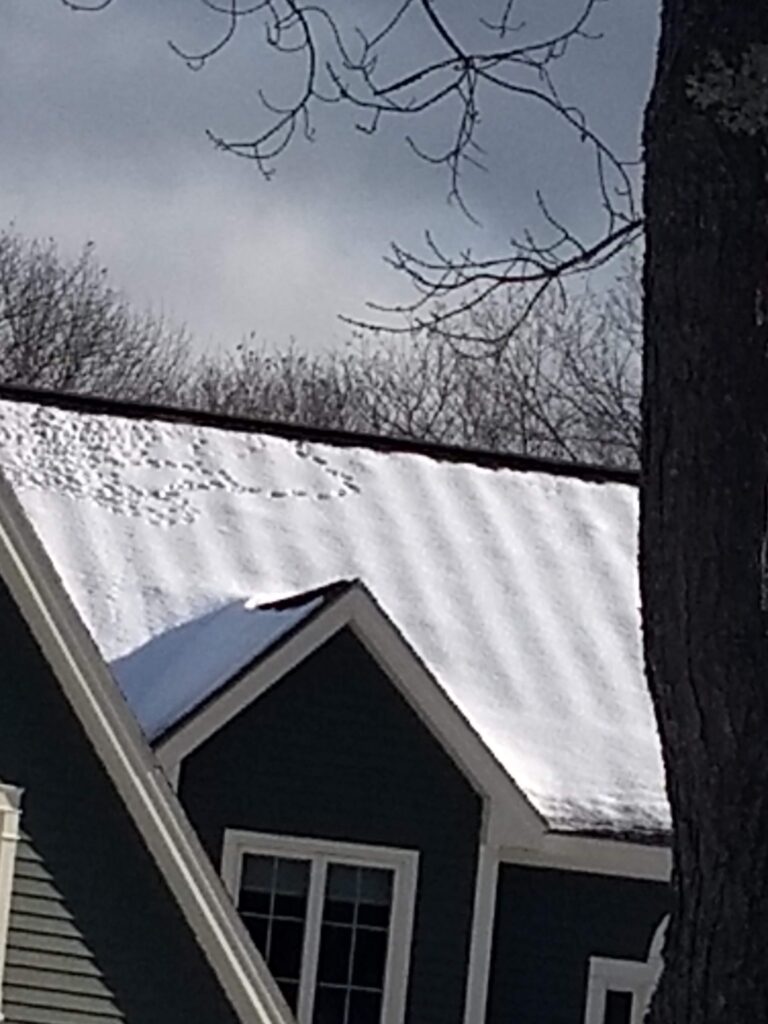
When outdoor temperatures are freezing, it can seem like wildlife disappears. That’s not always the case. Very few nuisance wildlife species hibernate, but they do need shelter from cold weather.
Rats and mice thrive in heated buildings. Some bat species hibernate in attics for warmth. Raccoons and other animals occasionally make forays from their dens when outdoor conditions are mild.
City warmth and constant food sources mean animals in urban areas don’t always follow the same seasonal ebb and flow as their rural counterparts. If there’s enough warmth and shelter, animals may keep moving, even when temperatures drop elsewhere. Understanding these patterns puts you in a stronger position to protect your home.
Seasonal Wildlife Activity Is Predictable. That’s Your Advantage.
Wildlife follows biological patterns. Breeding in spring. Growth and movement in summer. Shelter-seeking in fall. In cities, those patterns often intensify because warmth, structure, and food are readily available.
When you understand the timing, the activity no longer feels random. It becomes something you can prepare for. Spring attic noises. Summer foraging. Fall rodent pressure. Each season brings predictable behavior.
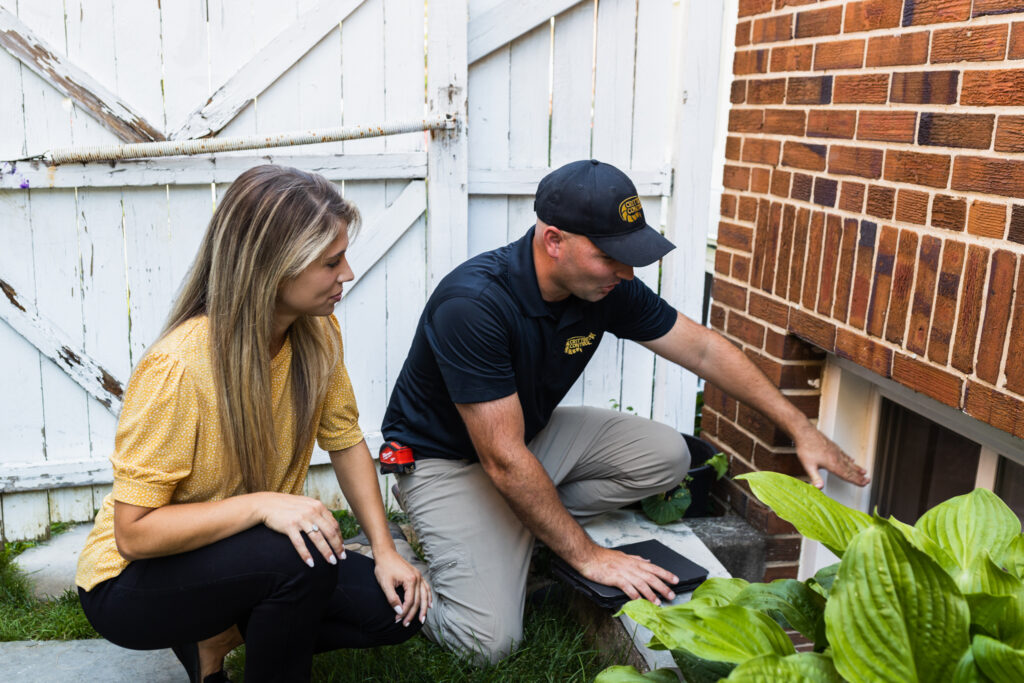
The key is acting before peak activity begins. Inspect your home early for gaps or cracks, and seal entry points before the breeding season. Install chimney caps and repair screens to block common access routes. Secure structures such as attics and sheds before temperatures drop. Address minor vulnerabilities, such as loose siding or damaged vents, before they become nesting sites.
At Critter Control, we align prevention with seasonal wildlife behavior. For tailored help, we recommend scheduling a seasonal inspection. Our team can assess entry points, recommend repairs, and show you preventive measures tailored to your property. Taking action before animals move in keeps wildlife out and reduces future problems.