

Many homeowners choose a do-it-yourself (DIY) solution when wildlife invades their homes or yards. The promise of a quick, low-cost solution is alluring. Solutions such as store-bought repellents and online guides on how to trap and release animals are abundant. However, DIY animal control often fails and sometimes even makes the infestation worse.
Inexperience is often to blame. It looks easier on YouTube videos, and social media product ads are enticing. But a lot can go wrong. Critter Control, one of the leading wildlife removal companies in the U.S., asks, “Do homeowners even know there are local laws on animal trapping or what to do with a trapped animal once they have it?”
Why DIY Wildlife Removal Fails

Misidentification
You see signs of an animal. Thumping in the attic, feces left around baseboards, holes dug up in the yard, but do you know for certain who the culprit is? Each animal requires a unique strategy based on their behavior, location, and quantity. For instance, treating a squirrel problem as if it were a mouse infestation, or confusing a groundhog burrow with a mole tunnel, will lead to less-than-desired results.
Store-Bought Repellents & Home Hacks
Save your money for an effective solution. Most products don’t work. Some work for a limited period of time because animals are smarter than we think. They figure out pretty quickly that the owl statue isn’t a real predator and that motion-activated lights won’t harm them. In addition, predator urine wears off in the rain, and critters get used to the smell of peppermint or rosemary in the attic. Repellents have no lasting impact on wildlife.
Trapping
Trapping requires knowledge of animal behavior, local and federal laws, and humane and safe practices. Do you have the right kind of trap? What bait is right for the kind of animal you hope to trap? Will the animal suffer? And, is it safe to trap an animal that could become aggressive? It’s also important to know which wild animals carry diseases and parasites
Safety is a huge concern. Wild animals carry diseases such as rabies, hantavirus, and leptospirosis, as well as parasites such as mites, ticks, and fleas. You could also get bitten or scratched when your catch tries to defend itself, especially if there are babies.
Trapping also only addresses the immediate problem of getting the animal out of your home. Without addressing how animals are entering your home or what is attracting them to your property, it’s just a matter of time before the next infestation.
Exclusion Mistakes
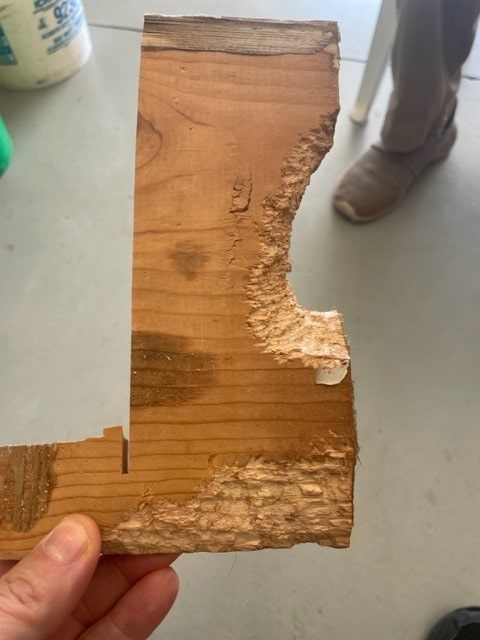
Sealing gaps in windows, doors, roofs, and chimneys is critical, but homeowners often make mistakes:
- Sealing exits before all the animals are out. This is especially critical during breeding season when there might be babies trapped inside.
- Not sealing well enough once animals are out will lead to them either coming right back or to a future infestation.
- Many homeowners rely on materials that are no match for determined animals such as raccoons or squirrels.
Installing a fence around garden beds is a good exclusion tactic for many outdoor pests such as groundhogs and moles — if the fence is installed high enough, deep enough, and of the right materials. For instance, did you know that squirrels can gnaw right through aluminum?
Clean Up & Repairs
Some animals create a bigger mess and more damage than others. Cleaning up animal nests, feces, and urine can expose you, your family, and your pets to diseases and parasites. Proper protection and materials are needed to safely sanitize infested areas. One often-overlooked repair is damaged or contaminated insulation that needs to be replaced.
Climbing a ladder or working on a roof to repair holes, gaps, and worn soffits can pose unnecessary hazards, especially when done alone.
Critter Control Is Your Comprehensive Solution
When an infestation occurs, Critter Control assesses your entire situation in their free inspection. Your infestation will be identified, located, and the underlying conditions that attracted the infestation will be addressed.
Critter Control will create a solution specific to your situation. This solution includes not only the humane removal of wildlife but also habitat modification, exclusion, repairs, and long-term prevention. Critter Control has over forty years of experience in eliminating, repairing, sanitizing, and preventing further infestation. We follow all federal laws and local ordinances and save clients time, money, frustration, and the risks involved with wild animals and pests. Let Critter Control take control of your infestation problem. All of our work is guaranteed.