Springfield, Illinois, is a historic city and the capital of Illinois. Best known as the home, library, and burial city of Abraham Lincoln, this city has other important features that make it a lively place to live, work, and visit. In addition to the city proper, the suburbs of Jerome, Leland Grove, Southern View, and Grandview are home to many of the residents who work downtown.
Springfield is almost surrounded by the Sangamon River, which meanders around the city’s perimeter. The city lies in a valley within the Lower Illinois River Basin, in a large area known as the Till Plain. Much of this area floods with the seasons, but because it is mostly undeveloped, the flooding benefits the plant and animal habitats the land supports.
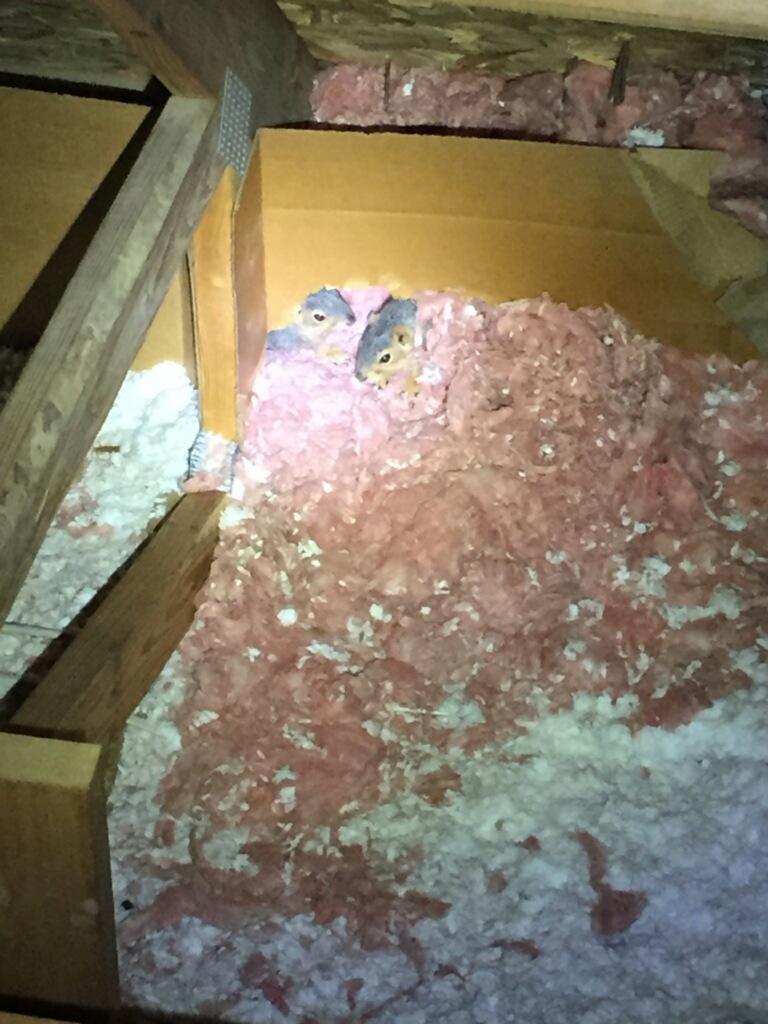
Springfield’s mix of urban neighborhoods, wooded areas, and proximity to rivers and farmland creates the perfect environment for a variety of nuisance animals. The region’s four distinct seasons mean that wildlife is active year-round, seeking shelter in homes, attics, crawlspaces, and yards. You might encounter issues with squirrels nesting in attics, raccoons raiding trash cans, bats roosting in eaves, and skunks or groundhogs digging up lawns.
Springfield has other characteristics that make it attractive for wildlife to co-exist with us.
- The city is home to many colleges and universities, as well as hospitals, whose large populations generate an abundance of food waste, making them vulnerable to animal disturbances and, along with aging infrastructure, to food waste accumulation.
- Recreational attractions such as Knight’s Action Park and Caribbean Water Park also produce much waste that attracts animals.
- Springfield’s cold winters and hot, humid summers provide the perfect environment for wildlife issues all year round.
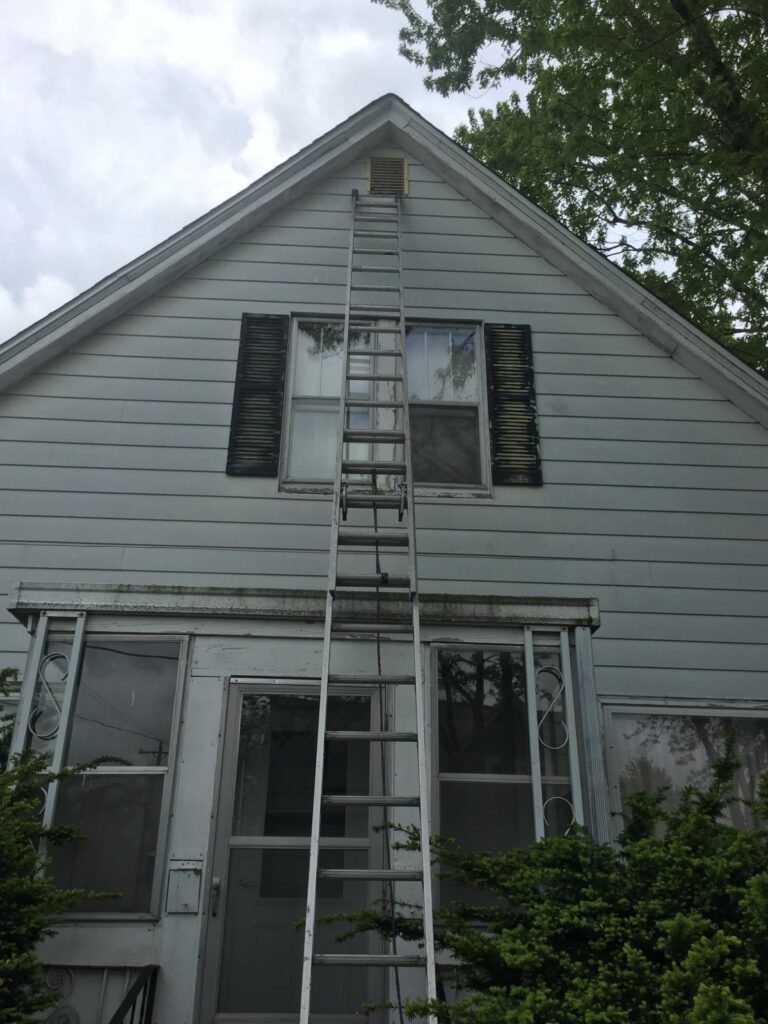
Squirrel Damage in Springfield, IL
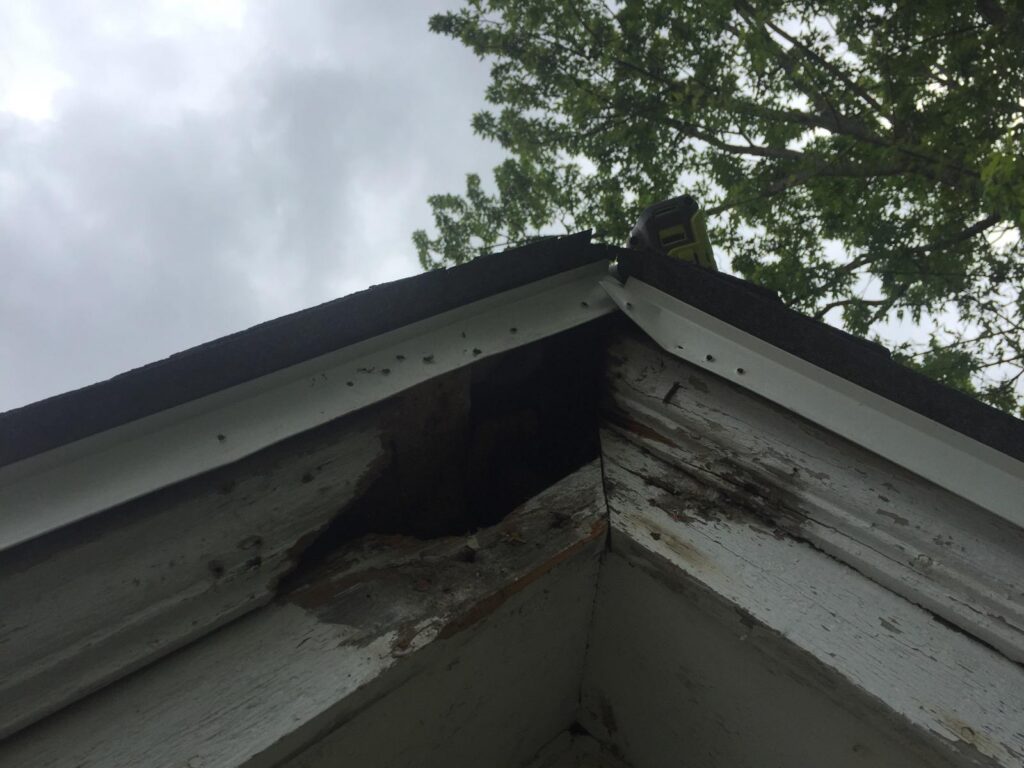
Squirrels in Attic Insulation
Squirrel Exclusion Repair in Springfield, IL