

To the dismay of many homeowners, rat infestations are more common than most people realize. Thriving in urban, suburban, and rural settings, rats have lived alongside humans for thousands of years and have perfected the art of helping themselves to the shelter, food, and water our homes provide.
According to the American Housing Survey, approximately 16 million homes and 38 million people report a rodent issue annually. They cause an estimated $6 billion in structural damage to homes by gnawing on beams, walls, insulation, and electrical wires. In addition to structural damage, they contaminate food and spread disease.
The odds of a home having a rat infestation at some point are high, at around 30 percent. And while a wildlife or pest control company such as Critter Control can humanely and quickly rid your home of rats, one smart step you can take is to learn how to lessen the odds that rats choose your home to invade.
Why Are Rats in My House?
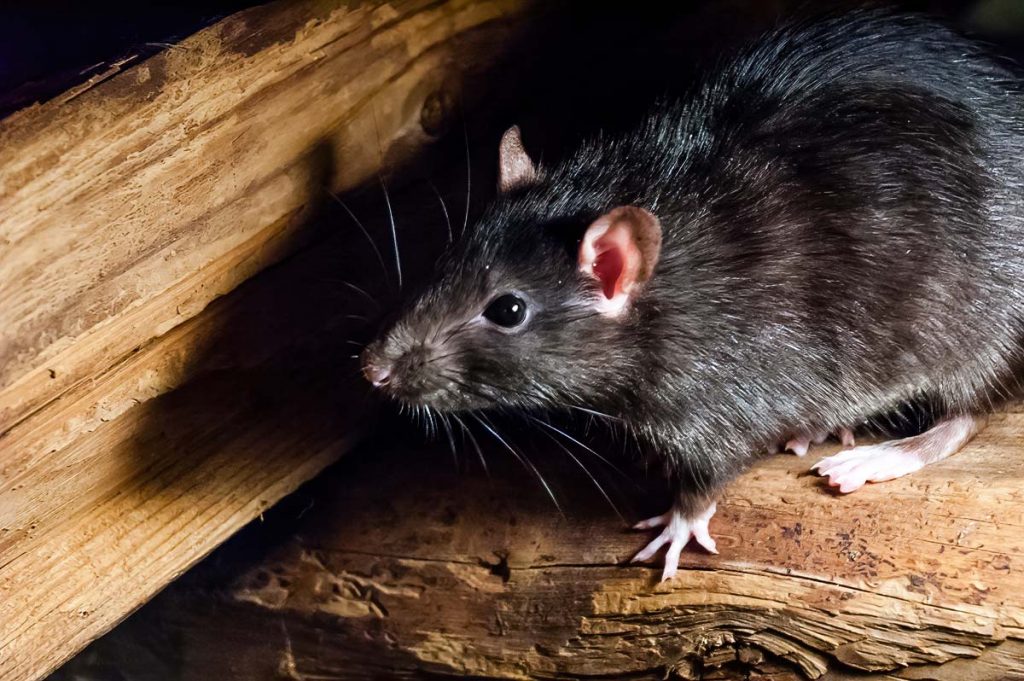
Rats don’t show up at a home on a whim. Certain conditions make a home appealing to them. While many people believe cleanliness is the primary factor, it’s only one small piece of the puzzle. Even the cleanest of households can find themselves needing rat control.
Like most wildlife, rats are looking to cover their necessities: shelter, safety, food, and water. When you inadvertently make these basic needs easily available, you leave yourself open to these unwanted houseguests. Make your home unattractive to rats, and you’ll find you’ve made it unappealing to many of the creatures looking to have their basic needs met.
Smart Steps for a Rat-Free Home
There are many steps, both inside and outside your home, you can take to make it less likely to be a target for rats. These are not one-and-done steps—you should make them part of your routine maintenance for the best results.
Yard Work
- Trim vegetation that rats can use to hide.
- Cut branches away from your roof, as roof rats will easily access your attic.
- Clean up fruit that has fallen from trees.
- Keep firewood at least 20 feet from your house.
- Use rodent-proof bird feeders.
- Don’t leave pet food or water outside.
- Secure trash can lids.
Protect Food
- Don’t store food on counters.
- Store food in sealed glass or plastic containers.
- Regularly clean up crumbs from counters and floors.
- Wash dishes promptly.
These rodents are actively foraging and mating year-round; the winter months don’t stop or slow them down. With this in mind, your home is a great place for them to build a nest for their litters in late autumn.You should also keep your home clear of any lingering food sources that could attract them. Don’t leave food lying around after meals, Thanksgiving or holiday parties; be swift about putting all leftover food away in sealed containers, and be sure they’re hard, durable ones that rats cannot chew through. You’ll also want to make sure you don’t have crumbs lying around anywhere in your home, as that will attract them too.
Remove Water Sources
- Repair leaking pipes and faucets.
- Don’t leave standing water in sinks, tubs, or pet bowls overnight.
Declutter
- Minimize stored clothing and newspapers.
- Store items in sealed plastic cartons instead of cardboard boxes.
Repair Entry Points
- Seal gaps around doors and windows.
- Repair roof, soffits, and shingles.
- Cap vents and chimneys.
- Seal any cracks in the walls and the foundation.
Routine Monitoring
- Inspect your attic, basement, and crawlspace periodically for droppings, gnaw marks, and oily rub marks.
Do-It-Yourself Prevention
Rats are smart and cautious creatures, and there are many products on the market that seem like easy fixes. While most of these are affordable and convenient, they rarely work and also don’t address the root problems that bring rats to your home.
Ultrasonic pest repellents emit high-frequency sound waves intended to repel rodents. Unfortunately, rats adjust to the stimuli, and it just becomes background noise to them. In addition, walls and furniture block the waves and create areas where they do not reach.
Essential oils are supposed to irritate rats, but the scent fades and requires constant reapplication. Rats will endure a smell they don’t like if all their other needs are being met. Mothballs are another scent-based DIY solution with limited use, as the chemicals needed to work are at a higher concentration than what is safe for indoor use and are also unsafe for children and pets.
Rat poisons are unsafe both indoors and outdoors as they pose significant risks to pets, wildlife, and children. When a rat dies in your wall, the terrible smell will linger for weeks.
Make Critter Control Your Rat Prevention and Rat Control Partner
Critter Control is one of the most widely recognized and respected names in humane wildlife control. Critter Control technicians are highly trained professionals who understand rodent biology and behavior, and their expertise extends to building science and the ways wildlife enter homes. They know the federal, state, and local ordinances that oversee wildlife removal.
Critter Control’s focus is on long-term rat control solutions that include prevention, exclusion, removal, sanitation, and restoration of rodent infestations. Most pest exterminators only remove rats from your home; Critter Control delivers a comprehensive plan with proven methods that bring you peace of mind.
Contact Critter Control for a free inspection and custom plan today to keep your home safe and rat-free.