

One of the most popular places in your home for different types of animals to live is your attic. The most common attic pests are raccoons, bats, rats, mice, squirrels, opossums, and birds. The house mouse is the most common in Houston, Texas.
How to Find a Mouse Nest
Finding a house mouse’s nest means following urine, feces trails, gnaw marks on walls, floors, and cabinets, and rub marks along baseboards. If you notice wood shavings or small piles of materials, they could be items a mouse dropped on its way back to a nest. House mice usually leave obvious signs of food contamination near the things they destroy, like crumbs and droppings.
House mice will build nests near food sources but they rarely travel more than 30 feet from their nests. They will travel in all directions, claiming all the territory within the circle. This behavior does not make them easier to trap, however. Also, house mice leave their nests about forty times daily for food and water. Mice live in colonies, and you may have one or two dozen living in the same area.
Signs of Mice in the Attic
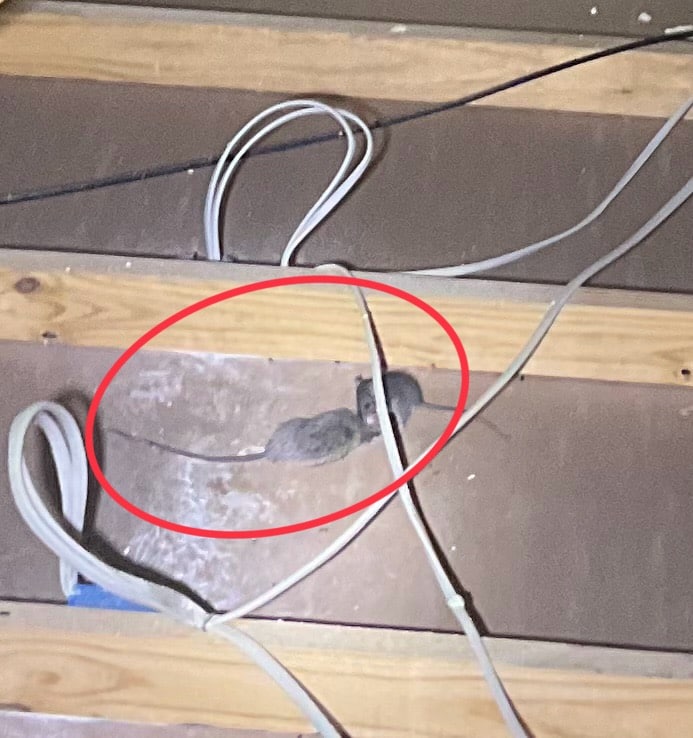
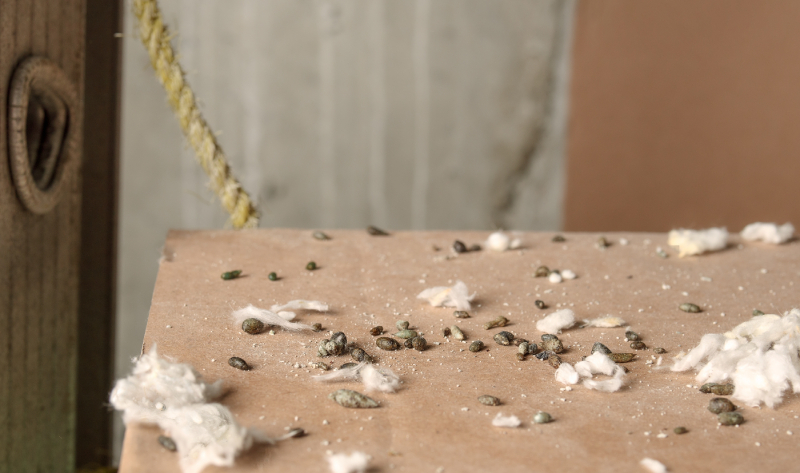
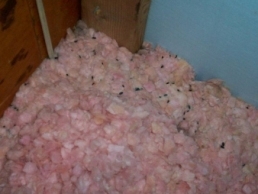
Homeowners can tell if there are mice in the attic by paying attention to certain sights, sounds, and smells.
The sounds of pattering feet and scurrying, rustling sounds as they move inside walls, and small squeaking noises can also indicate the presence of a mouse infestation. The smell caused by mouse droppings, as well as their distinct musky odor, can be olfactory clues to mice in the attic.
Visual cues include mouse tracks, small brown droppings, urine stains, greasy smudge marks, wood shavings from gnawing, and mouse nests woven together from shredded fibers.
A mouse will typically build its nest by first collecting soft material such as grass, feathers, and shredded paper to create bedding. The material is then formed into a loose ball and placed in an area that is safe, such as in a corner of a room, behind furniture, or in a garage. The mouse will then gather more material to reinforce the exterior, often using pieces of cloth, string, or leather to construct a thick wall. Finally, the nest is typically made waterproof by using small amounts of mud or saliva and may be lined with fur or other soft material for added warmth.
Mouse Damage in the Attic
Mice in the attic can cause significant damage by gnawing the structure of the house, ruining insulation, and chewing on electrical wires.
There are health risks with a mouse infestation. They spread their feces and urine wherever they are active. Mouse droppings and urine will soil attic insulation. They will contaminate food sources and water sources with harmful diseases such as tularemia, leptospirosis, Hantavirus, and salmonellosis. Their presence also brings additional pests, such as fleas and ticks, into the home.
Mouse Removal from the Attic
Mice reproduce at an astounding rate. Mice trapping takes between five to fourteen days. Mice can fit through openings as small as half an inch in diameter, which means that small holes, gaps in doorways, and wall vents often serve as common entry points. If a rodent cannot find a large enough entry point, it can gnaw through materials like shingles and plywood to gain access to your attic.
Mouse Control in Your Attic
There are a few ways to mouse-proof your attic, and most of them start before the rodents reach the attic.Rats are also proficient swimmers capable of traveling through sewer lines and entering buildings by emerging from toilets and open drains. Check your roof and soffits for any small holes. Any rodent can take a pre-existing hole and gnaw it to make it bigger. Sealing up any kind of hole will cut the chances of a rodent invasion down.
Another way mice can get into your home is through your vents. There are a few ways you can keep rodents out of your vents:
- Place traps near the entrances of vents. This can work well if rodents have already gained access to your vents.
- Protect your vent with stainless steel mesh. This will prevent the rodents from getting into your vents. Cloth works well with bugs, but rodents can chew through it.
- Install a vent guard on your roof. Caging the area around the vents on your roof will keep any curious critters away from your outside vents.
Even if you successfully remove every rat in your home, other rats will likely return to the same comfortable spot. Unlike some pest control services that only exterminate rodents, Critter Control prevents future rodent infestations. It is essential to seal all entry points of a quarter-inch or larger.